Presser Foot
CN → US| HS Code | Tariff Rate | Origin | Destination | Doc |
|---|---|---|---|---|
| 8448205010 | 20.8% | CN | US | Official Doc |
| 8448492000 | 17.5% | CN | US | Official Doc |
| 8448205090 | 20.8% | CN | US | Official Doc |
Product Images
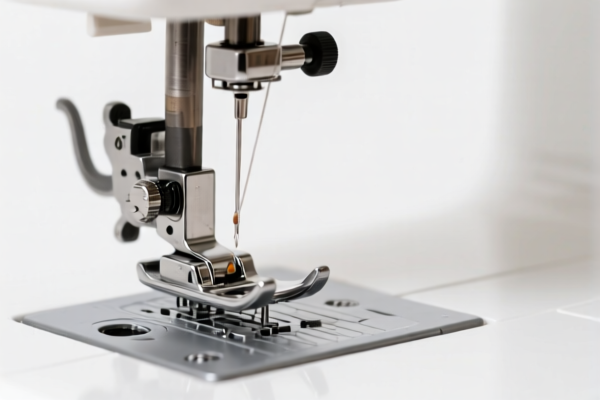
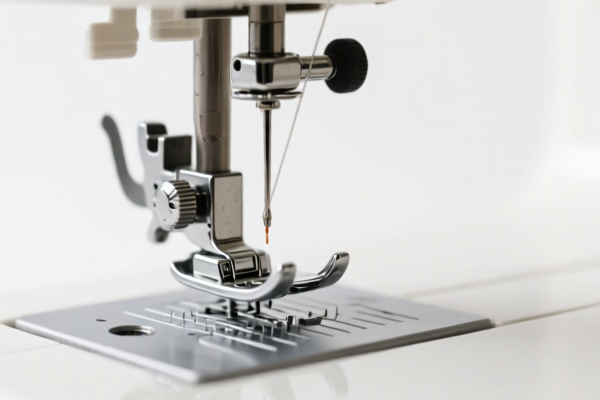
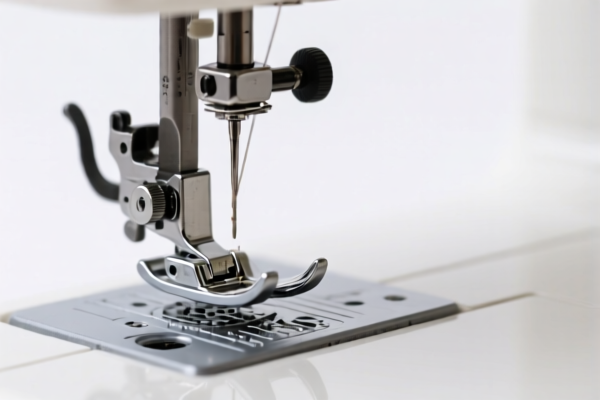
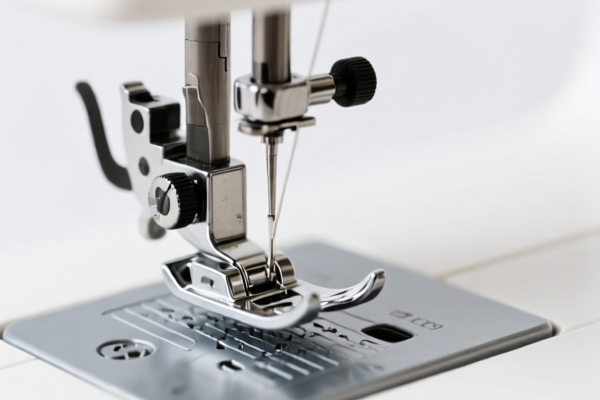
AI Analysis
🧵 Presser Foot (Sewing Machine Presser Foot)
🌐 HS Code Reference & Customs Clearance Guide | 2026 Latest Tariff Analysis | Professional Customs Strategy
📌 Part 1: Product Definition & Classification: What Exactly is a "Presser Foot"?
The Presser Foot is a fundamental component of a sewing machine, responsible for holding fabric flat against the feed dogs while the needle pierces it. In international trade, it is classified strictly as a part/accessory of a sewing machine.
Key Classification Logic:
- Material Neutrality: The provided data indicates "No material conflict," meaning whether the foot is made of metal, plastic, or specialized alloys, it does not change the primary HS code chapter (Chapter 84).
- Functional Role: It is a "part and accessory" (零件及附件).
- Specificity: It falls under the specific sub-heading for sewing machine parts (8448.20 or 8448.49), depending on the precise configuration and national sub-classification rules.
⚠️ Critical Distinction:
- A presser foot is NOT a general sewing accessory (like bobbins or needles which might fall elsewhere); it is a core mechanical part of the machine’s operation.
- Importance of Correct HS: Misclassification can lead to significant tax discrepancies, especially given the complex US tariff structure for Chinese-origin goods.
📦 Part 2: HS Code Classification Details (2026 Tariff Reference)
Based on the provided data, there are three possible HS Codes for Presser Feet. The distinction lies primarily in the sub-category specificity and material/type nuances within the "Parts and Accessories of Sewing Machines" chapter.
| HS Code | Summary / Description | Applicable Scenario | Total Tax Rate (China Origin → US) |
|---|---|---|---|
8448.20.50.10 |
Presser foot sets or sewing machine presser feet; fits "parts and accessories of deformed machines"; no material conflict. | Standard presser foot sets, specialized mechanical presser feet. | 20.8% |
8448.49.20.00 |
Presser foot as an accessory to sewing machines; form is part/accessory; material inference shows no conflict; categorized under "Other". | Generic or less-specific presser feet; "Other" category items. | 17.5% |
8448.20.50.90 |
Sewing machine presser feet; classified under "Other" sub-categories; no obvious material conflict. | General presser feet not fitting specific 50.10 criteria. |
20.8% |
🔍 Key Insight:
-8448.20vs8448.49: The difference between20(Parts for specific machines) and49(Other parts/accessories) can be subtle.8448.20often refers to parts of specific types of sewing machines (e.g., flat-bed, rotating-hook), while8448.49is a catch-all for "Other."
-.50.10vs.50.90: Both fall under8448.20. The.10likely refers to a specific set or type (e.g., "Sets"), while.90is the "Other" remainder.
- Tax Discrepancy: The8448.49.20.00code has a lower total tax (17.5%) compared to the8448.20codes (20.8%). This is due to a 0% Base Tariff vs 3.3% Base Tariff.
💰 Part 3: 2026 Detailed Tariff Breakdown (Including Additional Duties)
✅ Applicable Country: United States (US)
✅ Origin: China (CN)
✅ Effective Time: 2025/2026 Tariff Schedule (including Section 301 & IEEPA adjustments)
🎯 1. HS Code 8448.20.50.10 & 8448.20.50.90
(Standard Sewing Machine Parts / Presser Foot Sets)
| Item | Detail |
|---|---|
| Base Tariff | 3.3% |
| Section 301 Additional Tariff | 7.5% |
| Section 122 Tariff | 10% |
| Total Tariff Rate | 20.8% |
| Tax Calculation | CIF Value × 20.8% |
| De Minimis Exemption | ❌ Not Applicable (High tariff rate exceeds de minimis thresholds) |
| Legal Basis Path | HTSUS:8448.20.50.10/90 → Section 301 (7.5%) → Section 122 (10%) |
📌 Explanation:
- Base 3.3%: Standard US Most Favored Nation (MFN) rate for sewing machine parts.
- Section 301 (7.5%): Applies to many Chinese manufactured goods, including machinery parts.
- Section 122 (10%): This is a critical additional levy. Note: Section 122 tariffs were reinstated/enhanced in recent trade actions, adding 10% to many Chinese imports.
- Total 20.8%: This is a significant cost that must be factored into pricing.
🎯 2. HS Code 8448.49.20.00
(Other Parts/Accessories – "Other" Category)
| Item | Detail |
|---|---|
| Base Tariff | 0.0% |
| Section 301 Additional Tariff | 7.5% |
| Section 122 Tariff | 10% |
| Total Tariff Rate | 17.5% |
| Tax Calculation | CIF Value × 17.5% |
| De Minimis Exemption | ❌ Not Applicable |
| Legal Basis Path | HTSUS:8448.49.20.00 → Section 301 (7.5%) → Section 122 (10%) |
📌 Strategic Note:
- Why is it cheaper? The Base Tariff is 0%. This is the key difference.
- Potential Savings: Compared to the 20.8% rate, this offers a 3.3% saving per unit.
- Risk: Customs may challenge this classification if the presser foot is deemed a "specific part" (falling under8448.20) rather than "other parts." Ensure the product description and function align with "Other" to justify this code.
🛠️ Part 4: Customs Clearance Practical Advice (Avoiding Pitfalls)
✅ 1. Documentation Checklist (Essential for Clearance)
| Document | Required | Purpose |
|---|---|---|
| Product Specification Sheet | ✔️ | Must detail: Material (metal/plastic), Type (metal foot, roller foot, etc.), Compatible Machine Models. |
| Commercial Invoice | ✔️ | Must explicitly state: "Presser Foot for Sewing Machine" (not just "Part"). |
| Packing List | ✔️ | Itemize quantities and weights. |
| Origin Certificate | ✔️ | To confirm CN origin for Section 301/122 calculation. |
| Technical Drawing/Photo | ✔️ | Helpful if Customs questions whether it’s a "part" vs "accessory." |
✅ 2. Classification Strategy: How to Choose the Right HS Code
🔥 "Material Neutral, Function Specific: Pick the Code that Matches the Machine Type!"
| Scenario | Recommended HS Code | Reason |
|---|---|---|
| Standard Presser Foot for common household/industrial machines | 8448.20.50.90 or .10 |
Safest classification for "parts of sewing machines." |
| Generic/OEM Presser Foot where specific machine type is unclear | 8448.49.20.00 |
Lower tax (17.5%), but requires justification as "Other." |
| Set of Presser Feet (e.g., 5-piece kit) | 8448.20.50.10 |
Explicitly covers "sets." |
⚠️ Warning:
- Do NOT use8448.49if the product is clearly designed for a specific machine type listed in8448.20. Customs may reclassify and demand the higher rate + penalties.
- Consistency is Key: Use the same HS code across all shipments to build a clear customs history.
✅ 3. Special Cases & Tips
| Situation | Advice |
|---|---|
| New Importer | Apply for an HS Code Ruling from US CBP before shipping. This provides legal certainty. |
| High-Volume Shipments | Negotiate Duty Drawback if re-exporting, or explore FTZ (Free Trade Zone) benefits. |
| Material Changes | Even though data says "no material conflict," ensure plastic vs. metal doesn’t trigger different sub-headings in other countries. |
| Tariff Engineering | Consult a customs broker to see if bundling accessories (e.g., with a new machine) changes the classification of the whole package. |
🌍 Part 5: Global Market Comparison (2026)
| Market | HS Code | Base Tariff | Additional Duties (China) | Total Est. Rate | Notes |
|---|---|---|---|---|---|
| 🇺🇸 USA | 8448.20.50.90 |
3.3% | 7.5% (Sec 301) + 10% (Sec 122) | 20.8% | Highest cost. Plan pricing accordingly. |
| 🇺🇸 USA | 8448.49.20.00 |
0.0% | 7.5% (Sec 301) + 10% (Sec 122) | 17.5% | Optimized. Use if compliant. |
| 🇨🇳 China (Export) | 8448.20 |
0% (Rebate) | N/A | 0% | China often exports with 0% duty + VAT rebate. |
| 🇪🇺 EU | 8448.20 |
0% | None | 0% | No Section 301/122 equivalents. Very competitive. |
| 🇬🇧 UK | 8448.20 |
0% | None | 0% | Post-Brexit, UK aligns closely with EU. |
| 🇯🇵 Japan | 8448.20 |
0% | None | 0% | JETPAs may apply. |
📌 Conclusion:
- US Market is Costly: The 20.8% rate is a major barrier.
- EU/UK/Japan are Favorable: 0% tariffs make these markets more competitive for Chinese-made presser feet.
- Strategy: If shipping to the US, optimize classification to8448.49.20.00if legally defensible, or absorb the 20.8% cost in pricing.
📌 Part 6: Common Mistakes & Pitfalls (Blood Lessons)
❌ Mistake 1: Calling it "Sewing Accessory" or "Needle Part"
👉 Consequence: Customs may reject it or misclassify, leading to delays or penalties.
👉 Fix: Always use "Part of Sewing Machine" or "Presser Foot."
❌ Mistake 2: Ignoring Section 122 (10%)
👉 Consequence: Underpaying duties and facing back taxes + interest upon audit.
👉 Fix: Ensure your tariff calculation includes 3.3% + 7.5% + 10%.
❌ Mistake 3: Using 8448.49 for highly specific machine parts
👉 Consequence: Customs reclassification to 8448.20 (20.8%) + penalties.
👉 Fix: Only use 8448.49 if the part is truly "other" or generic.
✅ Best Practice:
"Declare Clearly: 'Sewing Machine Presser Foot, Model XYZ, for ABC Machine'. Provide specs. Verify HS Code with a broker before shipment."
🎯 Part 7: Conclusion: Smart Classification, Smarter Profits
🎯 Key Takeaway:
🔹 For US Imports from China: Expect 17.5% to 20.8% in total tariffs.
🔹 Optimization: Try to justify8448.49.20.00to save 3.3% per unit.
🔹 Compliance: Never ignore Section 122 (10%). It is mandatory.
📌 Pro Tip:
If you are exporting to the US, consider pre-consulting with a customs broker to confirm whether your specific presser foot fits 8448.49.20.00 or must be 8448.20.50.x0. A small change in classification can save significant money over large volumes.
📣 Action Item:
📞 Contact a licensed US customs broker.
📄 Prepare technical specs.
🚀 Confirm HS Code before booking shipment.
Avoid costly customs audits and delays.
✨ Professional Customs Clearance Starts with Accurate Classification!
💼 Every Percentage Point of Tariff Matters – Protect Your Margin!
Customer Reviews
About HS Code Classification
The Harmonized System (HS) is an internationally standardized nomenclature developed by the World Customs Organization (WCO) to classify traded products. Over 200 countries use the HS system as the basis for customs tariffs, trade statistics, and import/export regulations.
Each HS code follows a hierarchical structure:
- Chapter (2 digits) — Broad category of goods (e.g., Chapter 84: Machinery and Mechanical Appliances)
- Heading (4 digits) — More specific grouping within the chapter
- Subheading (6 digits) — Internationally standardized breakdown, used by all WCO member countries
- National subdivisions (8-10 digits) — Country-specific extensions for further classification, such as US HTSUS 10-digit codes
Correct HS code classification is essential for smooth customs clearance, accurate duty payment, and compliance with trade regulations. Misclassification can lead to customs delays, overpayment of duties, or penalties.
When importing from CN to US, the applicable tariff rates may include:
- Most-Favored-Nation (MFN) rate — The standard duty rate applied to WTO members
- General rate — Applied to countries without trade agreements
- Trade remedy duties — Additional tariffs such as Section 301 (anti-dumping), Section 232 (national security), or countervailing duties
The information provided on this page is for reference purposes only. For official classification, please consult with your local customs authority or a licensed customs broker.