Pressure Cooker
CN → US| HS Code | Tariff Rate | Origin | Destination | Doc |
|---|---|---|---|---|
| 8516604070 | 35.0% | CN | US | Official Doc |
| 7323930045 | 62.0% | CN | US | Official Doc |
| 7323997000 | 65.3% | CN | US | Official Doc |
Product Images
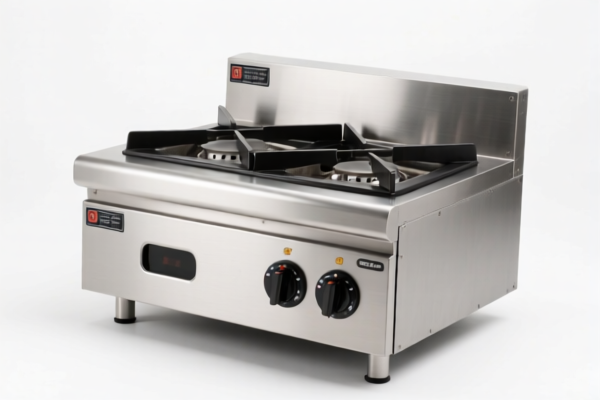
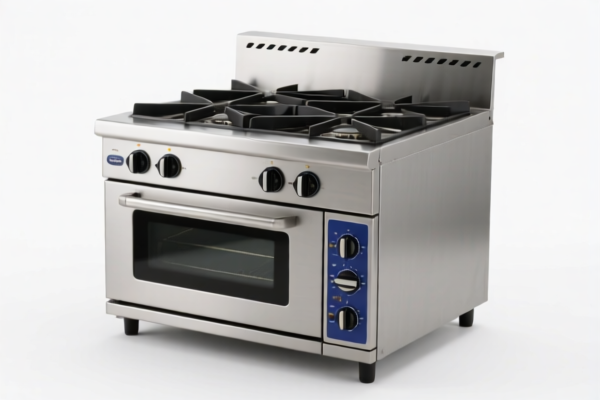
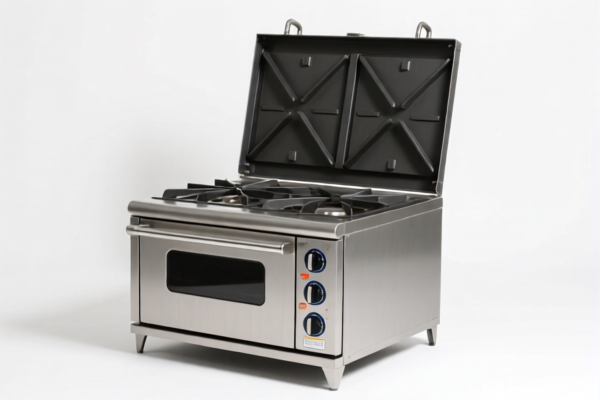
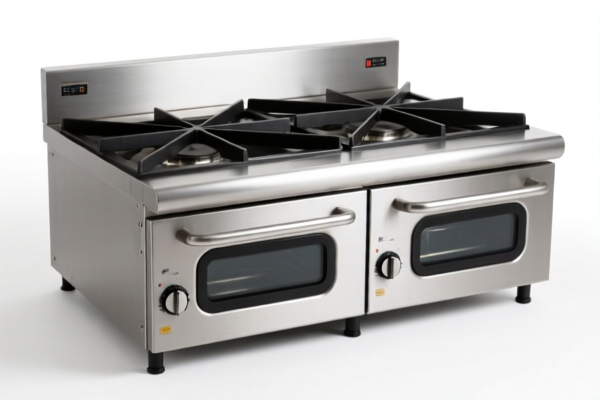
AI Analysis
🍲 Pressure Cooker (Electric Pressure Cookers)
🌐 HS Code Reference & Customs Clearance Guide | 2026 Latest Tariff Analysis | Professional Clearance Strategy
📌 I. Product Definition & Classification: Do You Really Understand the "Pressure Cooker"?
An electric pressure cooker is a multifunctional kitchen appliance that combines the functions of a pressure cooker, rice cooker, steamer, and slow cooker. In international trade, it is classified based on its primary function (heating/cooking) and material composition.
Key Classification Distinction:
- If primarily an electrical heating appliance for cooking → Classified under Chapter 85 (Electrical machinery, appliances).
- If primarily a metal container (stainless steel) with electrical components as accessories → Classified under Chapter 73 (Articles of iron or steel).
⚠️ Critical Distinction:
- If the device is defined by its electrical function (heating element, control panel, safety valves), it is an "electrical appliance."
- If the value and nature of the metal body (stainless steel) dominate, it may be classified as "household articles of steel."
- Misclassification Risk: Declaring as "Kitchenware" (Ch 73) when it is an "Electrical Appliance" (Ch 85) can lead to severe penalties due to the massive tariff difference (62-65% vs. 35%).
📦 II. HS Code Classification Details (2026 Latest Tariff Authority Comparison)
| HS Code | Product Description | Applicable Scenario | Primary Basis |
|---|---|---|---|
8516.60.40.70 |
Other portable cooking appliances, such as cooking plates, fryers, and grills | Electric Pressure Cookers defined as electrical heating appliances | ✅ Electrical Function (Heating) |
7323.93.00.45 |
Other table, kitchen, or other household articles of stainless steel | Pressure cookers where Stainless Steel body is dominant | ✅ Material (Stainless Steel) |
7323.99.70.00 |
Other table, kitchen, or other household articles of iron or steel | Pressure cookers with mixed metal materials (metal dominant) | ✅ Material (Metal) |
🔍 Key Reminder:
-8516.60.40.70is the most accurate for fully electric pressure cookers with control panels and heating elements.
-7323.93.00.45and7323.99.70.00are typically used for non-electric pressure cookers or if the electrical component is considered secondary (rare for modern electric models).
- Misclassification Consequence: Using Ch 73 codes for an electric appliance can result in a lower declared tariff (62-65%) vs. the correct 35%, but customs may reclassify and charge back taxes + penalties, or the reverse (if 122 Clause applies differently).
💰 III. 2026 Latest Tariff Rate Details (Including Additional Taxes, Policy Surcharges)
✅ Applicable Country: United States (US)
✅ Country of Origin: China (CN)
✅ Effective Date: From November 10, 2025 (including subsequent imports)
🎯 1. 8516.60.40.70 — Other Portable Cooking Appliances (Electrical)
| Item | Content |
|---|---|
| Base Tariff | 0.0% |
| Section 301 Additional Tariff | +25.0% |
| Section 122 Tariff | +10.0% |
| Total Tariff | 35.0% |
| Tax Calculation | CIF Value × 35% |
| De Minimis Exemption | ❌ Not Available (deny_de_minimis) |
| Legal Basis Path | USITC:8516.60.40.70 → Section 301: 25% → Section 122: 10% |
📌 Explanation:
- Base Tariff 0%: Electrical cooking appliances often have low base tariffs.
- Section 301 (25%): Standard tariff on many Chinese electrical goods.
- Section 122 (10%): Applies to certain goods under specific trade remedies.
- Total 35%: This is the correct and most common tariff for electric pressure cookers.
🎯 2. 7323.93.00.45 — Other Table, Kitchen, or Other Household Articles of Stainless Steel
| Item | Content |
|---|---|
| Base Tariff | 2.0% |
| Section 301 Additional Tariff | 0.0% |
| Section 122 Tariff | +10.0% |
| Section 232 Tariff (Steel/Aluminum/Copper) | +50.0% |
| Total Tariff | 62.0% |
| Tax Calculation | CIF Value × 62% |
| De Minimis Exemption | ❌ Not Available (deny_de_minimis) |
| Legal Basis Path | USITC:7323.93.00.45 → Section 232: 50% → Section 122: 10% |
📌 Explanation:
- Section 232 (50%): This is the critical difference. If classified as a "steel article," the Section 232 tariff (national security tariff) applies, which is much higher than Section 301.
- Risk: If you declare an electric pressure cooker as7323.93.00.45, you pay 62% instead of 35%. However, if customs reclassifies it as8516, you might be under-declaring and face penalties.
- Note: The Section 301 tariff (25%) is 0% for this code, which is counter-intuitive but based on the specific list. The 50% Section 232 dominates.
🎯 3. 7323.99.70.00 — Other Table, Kitchen, or Other Household Articles of Iron or Steel
| Item | Content |
|---|---|
| Base Tariff | 5.3% |
| Section 301 Additional Tariff | 0.0% |
| Section 122 Tariff | +10.0% |
| Section 232 Tariff (Steel/Aluminum/Copper) | +50.0% |
| Total Tariff | 65.3% |
| Tax Calculation | CIF Value × 65.3% |
| De Minimis Exemption | ❌ Not Available (deny_de_minimis) |
| Legal Basis Path | USITC:7323.99.70.00 → Section 232: 50% → Section 122: 10% |
📌 Explanation:
- Similar to7323.93.00.45, but with a higher base tariff (5.3% vs. 2.0%).
- Total 65.3% is the highest tariff among the three options.
- Recommendation: Avoid this code for electric pressure cookers unless the product is non-electric or primarily a metal container.
🛠️ IV. Customs Clearance Practical Advice (Real-World Pitfall Avoidance Guide)
✅ 1. Preparation Material Checklist (All Required)
| Material | Must Provide | Description |
|---|---|---|
| ✅ Product Specification Sheet | ✔️ | Dimensions, voltage, power (Watts), material (stainless steel inner pot vs. plastic body) |
| ✅ Circuit Diagram / Structure Diagram | ✔️ | To prove it is an electrical appliance (heating element, control board) |
| ✅ Product Photos (Including Nameplate) | ✔️ | Clear model number, brand, input/output parameters |
| ✅ Third-Party Test Report | ✔️ | UL, ETL, CE, RoHS (safety certifications are crucial) |
| ✅ Commercial Invoice | ✔️ | Must state "Electric Pressure Cooker" — Do NOT use "Stainless Steel Kitchenware" |
| ✅ Packing List | ✔️ | Indicate if accessories (power cord, measuring cup) are included |
✅ 2. Declaration Skills (Key Mantra)
🔥 “Declare as Electrical, Not Metal; Avoid Section 232, Save Money!”
| Situation | Correct Declaration | Wrong Action |
|---|---|---|
| Electric Pressure Cooker (with plug, controls) | 8516.60.40.70 |
Misclassify as 7323.93.00.45 → 62% Tariff |
| Non-Electric Pressure Cooker (pure metal) | 7323.93.00.45 |
Misclassify as 8516 → 35% Tariff (Under-declaring risk if customs reclassifies) |
| Mixed Materials (Plastic body, Metal pot) | 8516.60.40.70 |
Declare as 7323 → 62-65% Tariff |
✅ 3. Special Case Handling
| Situation | Handling Advice |
|---|---|
| OEM Custom Pressure Cooker | Provide customer order + design drawings. Ensure the electrical function is the primary purpose. |
| Pressure Cooker with Multiple Functions (Rice, Steam, Slow Cook) | Still classified under 8516.60.40.70 as a cooking appliance. |
| Accessories (Lids, Seals) | Declare as part of the main product. Do not split declare. |
| Non-Electric Pressure Cooker | Use 7323.93.00.45. Ensure no electrical components are present. |
🌍 V. Global Market Clearance Comparison (2026 Latest)
| Country/Region | Recommended HS Code | Tariff | Certification Requirement | Note |
|---|---|---|---|---|
| 🇺🇸 United States | 8516.60.40.70 |
35% (China Origin) | UL/ETL + FCC | Avoid 7323 codes (62-65%) |
| 🇨🇳 China | 8516.60.40.70 |
10% (approx.) | CCC | No additional Section 232/301 |
| 🇪🇺 European Union | 8516.60.40.70 |
6% | CE + RoHS | Lower base tariff, no Section 232 |
| 🇬🇧 United Kingdom | 8516.60.40.70 |
6% | UKCA | Similar to EU |
| 🇨🇦 Canada | 8516.60.40.70 |
0% (under CUSMA) | CSA | Preferential tariff for US/Mexico origin |
📌 Conclusion:
- USA is the most complex market due to Section 232 (Steel) and Section 301 tariffs.
- Electrical classification (8516) is crucial to avoid the 50% Section 232 tariff.
- China-origin products face 35% total tariff under8516, which is still high but significantly lower than 62-65%.
📌 VI. Common Mistakes & Pitfall Guide (Blood and Tears Lessons)
❌ Mistake 1: Declaring an Electric Pressure Cooker as "Stainless Steel Kitchenware" (7323.93.00.45)
👉 Consequence: You pay 62% instead of 35%. Waste of profit!
❌ Mistake 2: Declaring as "Other Household Articles" (7323.99.70.00)
👉 Consequence: You pay 65.3%. Even worse!
❌ Mistake 3: Using "Pressure Cooker" as the only description without "Electric"
👉 Consequence: Customs may classify based on material (Steel) if electrical function is not proven. Risk of reclassification + penalties.
❌ Mistake 4: Splitting declaration (Pressure Cooker + Power Cord + Accessory)
👉 Consequence: Each item taxed separately. Total tariff could exceed 100%!
✅ Correct Approach:
"Electric Pressure Cooker, 6L, 120V, 1000W, Stainless Steel Inner Pot, Plastic Body, Model XYZ, UL Certified"
🎯 VII. Conclusion: Professional Declaration, Save Time, Reduce Costs!
🎯 Remember the Mantra:
🔹 "Electrical Function First, Avoid Steel Tariffs!"
🔹 "HS Code Determines Tariff, 35% vs 62%, One Step Difference, Huge Cost Gap!"
📌 Tips:
- If your pressure cooker is originated from Vietnam, Thailand, or Malaysia, you may apply for Section 301/232 exemptions (if applicable) or lower tariffs.
- Advance Ruling (Pre-classification): Strongly recommended to get a binding ruling from US Customs for 8516.60.40.70 to avoid clearance delays.
📣 Immediate Action:
📞 Contact a professional customs broker + Provide Product Specs + Apply for HS Code Advance Ruling
🚀 Let your pressure cookers clear smoothly, export efficiently, and maximize profits!
✨ Professional Clearance Starts with Accurate Classification!
💼 Every Cent of Your Cost Deserves Precision Calculation!
Customer Reviews
About HS Code Classification
The Harmonized System (HS) is an internationally standardized nomenclature developed by the World Customs Organization (WCO) to classify traded products. Over 200 countries use the HS system as the basis for customs tariffs, trade statistics, and import/export regulations.
Each HS code follows a hierarchical structure:
- Chapter (2 digits) — Broad category of goods (e.g., Chapter 84: Machinery and Mechanical Appliances)
- Heading (4 digits) — More specific grouping within the chapter
- Subheading (6 digits) — Internationally standardized breakdown, used by all WCO member countries
- National subdivisions (8-10 digits) — Country-specific extensions for further classification, such as US HTSUS 10-digit codes
Correct HS code classification is essential for smooth customs clearance, accurate duty payment, and compliance with trade regulations. Misclassification can lead to customs delays, overpayment of duties, or penalties.
When importing from CN to US, the applicable tariff rates may include:
- Most-Favored-Nation (MFN) rate — The standard duty rate applied to WTO members
- General rate — Applied to countries without trade agreements
- Trade remedy duties — Additional tariffs such as Section 301 (anti-dumping), Section 232 (national security), or countervailing duties
The information provided on this page is for reference purposes only. For official classification, please consult with your local customs authority or a licensed customs broker.