Primary Tufting Cloth
CN → US| HS Code | Tariff Rate | Origin | Destination | Doc |
|---|---|---|---|---|
| 5703292090 | 41.7% | CN | US | Official Doc |
| 5703392090 | 41.0% | CN | US | Official Doc |
Product Images
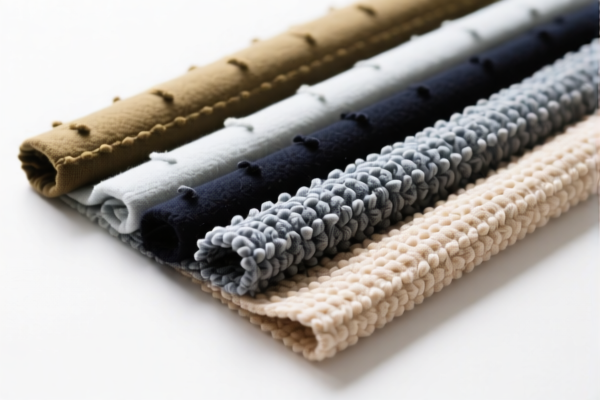
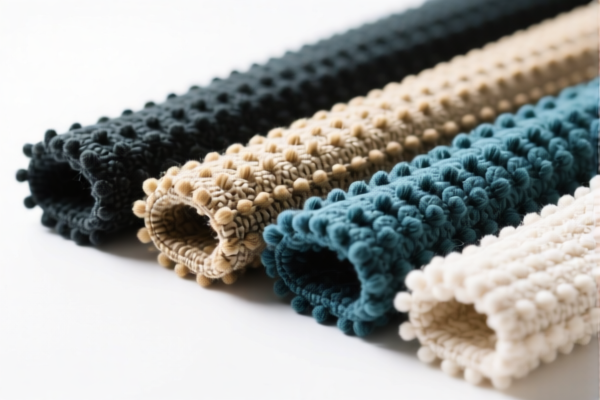
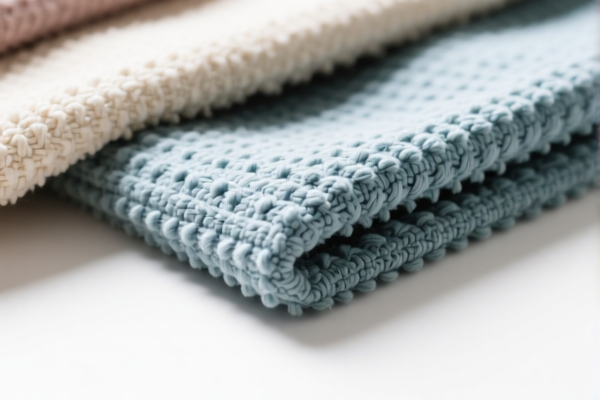
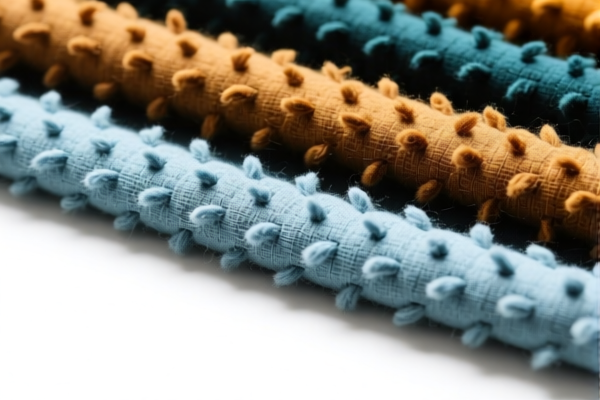
AI Analysis
🧵 Primary Tufting Cloth (Carpet Underlay Base)
🌐 HS Code Reference & Customs Clearance Guide | 2026 Latest Tariff Analysis | Professional Clearance Strategy
📌 I. Product Definition & Classification: Do You Know "Primary Tufting Cloth"?
Primary Tufting Cloth (also known as Primary Backing or Scrim) is the foundational fabric onto which yarn is tufted to create carpet tiles, broadloom carpets, or artificial turf. It provides the structural integrity and anchor points for the pile fibers.
In international trade, it is classified not as a "carpet" (which is finished), but as a textile floor covering component. Specifically, it falls under Chapter 57, as it is a "tufted textile floor covering" or component thereof, depending on the level of finishing and the specific material composition.
⚠️ Key Distinction:
- If the cloth is unfinished (just woven/scrim without any surface treatment for flooring), it might be classified under 5407 or 5513 (woven fabrics of synthetic filaments).
- If it is prepared specifically for carpet backing and meets the definition of a "tufted floor covering" or "textile floor covering" in its current state, it falls under HS 5703.
- Crucial Note for 2026: The provided data explicitly lists two HS codes under 5703.29 and 5703.39, indicating that for customs purposes in this context, the primary tufting cloth is treated as a finished or semi-finished textile floor covering made of specific synthetic materials (Polyamides/Nylon or Other Man-Made Materials).
📦 II. HS Code Classification Details (2026 Latest Tariff Authority)
Based on the provided <DATA>, the classification depends entirely on the material composition of the tufting cloth.
| HS Code | Product Description | Material Composition | Application Scenario |
|---|---|---|---|
5703.29.20.90 |
Carpets/textile floor coverings (tufted): Of nylon or other polyamides: Other: Other Other (665) | Polyamides (Nylon) | Most common high-durability carpet backing; Nylon 6 or Nylon 6,6 yarn backing. |
5703.39.20.90 |
Carpets/textile floor coverings (tufted): Of other man-made textile materials: Other: Other Other (665) | Other Synthetic Fibers | Polyester (PET), Polypropylene (PP), or blended backing materials not classified as polyamides. |
🔍 Important Clarification:
- Although "Primary Tufting Cloth" sounds like a raw material, HS 5703 covers "Tufted Carpets and Other Textile Floor Coverings." Customs often classifies high-quality, treated backing cloths destined for carpet manufacturing under this chapter if they are in a form ready for tufting or already have a surface structure resembling a floor covering.
- Do NOT confuse with 5407.61/5513.13 (plain woven fabrics). If the cloth is a simple grid/scrim without the "carpet-like" structure or treatment, it might be 5407/5513. However, the provided data forces classification under 5703.
- Material is Key:
- Is it Nylon/Polyamide? → Use5703.29.20.90.
- Is it Polyester/Polypropylene? → Use5703.39.20.90.
💰 III. 2026 Latest Tariff Rate Details (Including Additional Taxes)
✅ Applicable Country: United States (US)
✅ Origin: China (CN)
✅ Effective Date: 2025–2026
✅ Tax Rate: 0.0% (Total)
🎯 1. 5703.29.20.90 – Tufted Floor Covering, Nylon/Polyamide Based
| Item | Content |
|---|---|
| Base Tariff | 0.0% |
| Additional Tariff (Section 301/IEEPA) | 0.0% |
| Total Tariff Rate | 0.0% |
| Calculation Basis | CIF Value × 0.0% = $0 Tax |
| De Minimis Eligibility | ✅ Yes (Generally eligible if value < $800, but verify specific textile rules) |
| Legal Authority | HTSUS 5703.29.20.90; USITC Duty Free Schedule |
📌 Explanation:
- This code is currently duty-free.
- Unlike electronics or steel, textile floor coverings of this specific sub-category do not carry the 25% Section 301 tariff or IEEPA surcharges as of the current data.
- Note: Always verify if the "cloth" is considered a "part" of a carpet (also 0% here) or a raw fabric. The provided data confirms 0% for this specific HS 10-digit code.
🎯 2. 5703.39.20.90 – Tufted Floor Covering, Other Man-Made Materials
| Item | Content |
|---|---|
| Base Tariff | 0.0% |
| Additional Tariff (Section 301/IEEPA) | 0.0% |
| Total Tariff Rate | 0.0% |
| Calculation Basis | CIF Value × 0.0% = $0 Tax |
| De Minimis Eligibility | ✅ Yes (Generally eligible if value < $800) |
| Legal Authority | HTSUS 5703.39.20.90; USITC Duty Free Schedule |
📌 Explanation:
- Also duty-free.
- Polyester or Polypropylene backings are equally exempt from additional tariffs under this classification.
- Strategic Advantage: Zero-duty entry reduces landed cost significantly, improving margins for carpet manufacturers exporting backing or importing finished tufted carpets made from this backing.
🛠️ IV. Customs Clearance Practical Advice (Live Pitfall Avoidance Guide)
✅ 1. Document Checklist (Non-Negotiable)
| Document | Required? | Description |
|---|---|---|
| ✅ Commercial Invoice | ✔️ | Must clearly state "Primary Tufting Cloth" or "Carpet Backing," not generic "Textile Fabric." |
| ✅ Packing List | ✔️ | Detail weight, dimensions, and roll quantity. |
| ✅ Product Specification Sheet | ✔️ | Critical: Must specify Fiber Composition (e.g., "100% Nylon 6,6" vs. "100% Polyester"). This determines HS 5703.29 vs. 5703.39. |
| ✅ Certificate of Origin | ✔️ | To prove origin (e.g., China) for any potential future tariff changes or free trade agreement claims. |
| ✅ Test Report | ✔️ | Fiber content analysis from an accredited lab (e.g., SGS, Intertek) to back up the HS code claim. |
| ✅ Photos | ✔️ | Show the texture, weave, and any markings indicating "Primary Backing" or "Tufted." |
✅ 2. Declaration Tips (Key Mnemonics)
🔥 "Specify Fiber, Specify Use, Avoid 'Generic Textile'!"
| Scenario | Correct Declaration | Incorrect Declaration | Consequence of Error |
|---|---|---|---|
| Nylon Backing | "Primary Tufting Cloth, 100% Polyamide (Nylon), for Carpet Manufacturing" | "Woven Fabric, Nylon" | May be misclassified as 5407 (higher duty or different rules) |
| Polyester Backing | "Carpet Backing Scrim, 100% Polyester, Tufted-Ready" | "Polyester Fabric" | May be misclassified as 5513/5515 (potential higher duty) |
| Finished Tufted Carpet | "Tufted Carpet, Nylon Pile, Polyamide Backing" | "Carpet, Other" | Correct classification ensures 0% duty under 5703.29 |
⚠️ Critical Warning:
- Do not declare as "Raw Textile Yarn" or "Plain Woven Fabric" if it has been treated or structured for carpet backing. Customs may reclassify it, leading to duty reassessment if the original plain fabric code had higher tariffs.
- However, the 0% rate on 5703.29/39 is highly favorable. Ensure your product description aligns with "Floor Covering" or "Carpet Component" rather than just "Fabric."
✅ 3. Special Circumstances Handling
| Situation | Handling Advice |
|---|---|
| Blended Fibers | If nylon and polyester are mixed, the component with the greatest weight determines the code. If equal, use the principle of "essential character." |
| Imported as Rolls | Clearly state "Rolled" in the packing list. Do not ship as "Cut Pieces" unless specified, as this may change the "made up" status. |
| Sample Shipments | Even for samples, declare the correct HS code. While de minimis may apply for value < $800, correct classification avoids inspection delays. |
| China Origin | Currently 0% tariff. Monitor for any new Section 301 expansions targeting textiles in 2026–2027. |
🌍 V. Global Market Comparison (2026 Latest)
| Country/Region | Recommended HS Code | Tariff Rate | Certification | Notes |
|---|---|---|---|---|
| 🇺🇸 USA | 5703.29.20.90 / 5703.39.20.90 |
0% | No special | Duty-free; low barrier. |
| 🇨🇳 China | 5703.29.20.90 / 5703.39.20.90 |
0% – 5% | N/A | Import duty may vary slightly for raw vs. finished. |
| 🇪🇺 EU | 5703.29.00 / 5703.39.00 |
Variable (0-12%) | CE (if end-use) | EU tariffs on carpets are higher; check specific CN codes. |
| 🇬🇧 UK | 5703.29.00 / 5703.39.00 |
0% – 12% | UKCA | Post-Brexit rules may apply; verify UK Tariff. |
| 🇦🇺 Australia | 5703.29.00 / 5703.39.00 |
5% – 10% | ACCC | Standard MFN rate applies. |
📌 Conclusion:
- The USA is the most favorable market for these specific HS codes with 0% duty.
- EU and UK tariffs are generally higher for carpets/textile floor coverings.
- China itself may have varying duties depending on whether it's raw material or finished good.
📌 VI. Common Mistakes & Pitfall Guide (Lessons Learned)
❌ Mistake 1: Declaring as "Yarn" or "Fiber"
👉 Consequence: Misclassification under Chapter 54/55; potential duty liability if not duty-free.
❌ Mistake 2: Using Generic "Textile" Description
👉 Consequence: Customs may request additional documentation, causing 7–14 day delays at port.
❌ Mistake 3: Ignoring Fiber Composition
👉 Consequence: Choosing wrong HS (5703.29 vs. 5703.39) leads to audit risk if fiber test reports contradict the declaration.
❌ Mistake 4: Assuming All Carpets Are 0% Duty
👉 Consequence: Some carpet types (e.g., wool) have different rates. Ensure you are using the man-made codes provided.
✅ Correct Practice:
"Primary Tufting Cloth, 100% Polyamide (Nylon 6,6), White, 120 GSM, Roll Form, for Carpet Manufacturing."
🎯 VII. Conclusion: Professional Declaration, Cost Savings, Efficiency!
🎯 Remember the Mnemonic:
🔹 "Nylon = .29, Other Synth = .39, Both 0% Duty, Easy Clearance!"
🔹 "Specify Fiber, Avoid General Terms, Save Time and Money!"
📌 Pro Tip:
If your tufting cloth is 100% Nylon, use 5703.29.20.90.
If it is Polyester/Polypropylene, use 5703.39.20.90.
Both are 0% Duty in the US.
Verify fiber content with a lab report before shipment to avoid classification disputes.
📣 Immediate Action:
📞 Contact a licensed customs broker + Provide Fiber Composition Report + Apply for Pre-Ruling if high volume.
🚀 Ensure your commercial invoice clearly states "Primary Tufting Cloth" and Fiber Content.
✨ Professional clearance starts with precise classification!
💼 Your every cent of cost is worth precise calculation!
Customer Reviews
About HS Code Classification
The Harmonized System (HS) is an internationally standardized nomenclature developed by the World Customs Organization (WCO) to classify traded products. Over 200 countries use the HS system as the basis for customs tariffs, trade statistics, and import/export regulations.
Each HS code follows a hierarchical structure:
- Chapter (2 digits) — Broad category of goods (e.g., Chapter 84: Machinery and Mechanical Appliances)
- Heading (4 digits) — More specific grouping within the chapter
- Subheading (6 digits) — Internationally standardized breakdown, used by all WCO member countries
- National subdivisions (8-10 digits) — Country-specific extensions for further classification, such as US HTSUS 10-digit codes
Correct HS code classification is essential for smooth customs clearance, accurate duty payment, and compliance with trade regulations. Misclassification can lead to customs delays, overpayment of duties, or penalties.
When importing from CN to US, the applicable tariff rates may include:
- Most-Favored-Nation (MFN) rate — The standard duty rate applied to WTO members
- General rate — Applied to countries without trade agreements
- Trade remedy duties — Additional tariffs such as Section 301 (anti-dumping), Section 232 (national security), or countervailing duties
The information provided on this page is for reference purposes only. For official classification, please consult with your local customs authority or a licensed customs broker.