Primary and Secondary Batteries
CN → US| HS Code | Tariff Rate | Origin | Destination | Doc |
|---|---|---|---|---|
| 8548000000 | 35.0% | CN | US | Official Doc |
| 8548000000 | 35.0% | CN | US | Official Doc |
| 8507808200 | 38.4% | CN | US | Official Doc |
| 8507600020 | 0.0% | CN | US | Official Doc |
Product Images
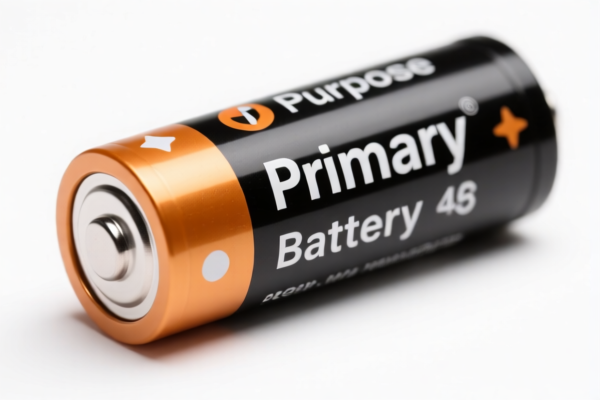
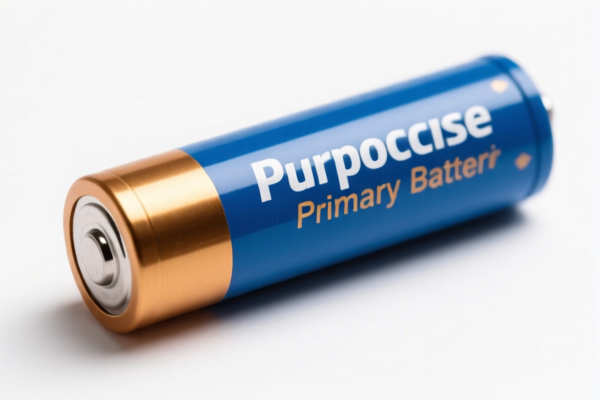
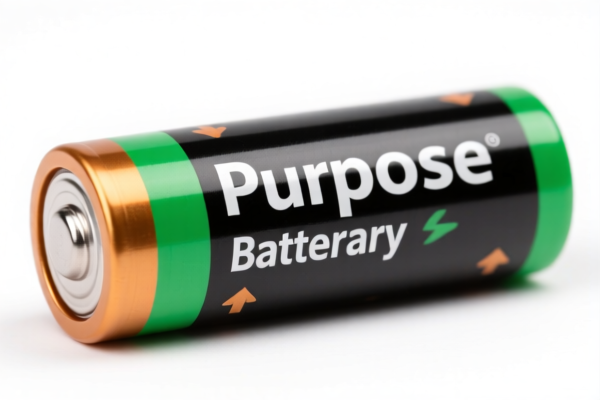
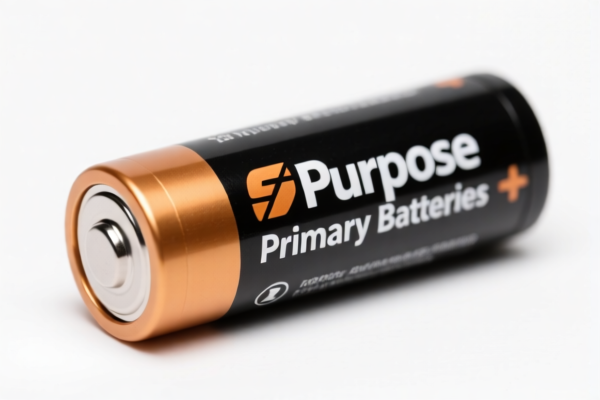
AI Analysis
🔋 Primary and Secondary Batteries (Electric Storage Batteries)
🌐 HS Code Reference & Clearance Guide | 2026 Latest Tariff Analysis | Strategic Import Strategy
📌 I. Product Definition & Classification: Do You Really Understand "Batteries"?
Batteries are the energy hearts of modern electronics, electric vehicles (EVs), and industrial equipment. In international trade, they are broadly categorized into two main types:
Primary Batteries (Non-rechargeable): Single-use cells (e.g., Alkaline, Zinc-Carbon, Lithium Primary) that are discarded after depletion.
Secondary Batteries (Rechargeable): Energy storage devices that can be charged and discharged multiple times (e.g., Lithium-ion, Lead-acid, Nickel-Metal Hydride).
⚠️ Key Distinction:
- If the battery is lithium-ion (common in smartphones, EVs, laptops) → It falls under 8507.60 or 8507.80 depending on specific subtype.
- If it is a generic electric storage battery (non-specific or other types) → It may fall under 8507.80.
- Parts of batteries (including separators) are classified separately under 8507.80 or 8548.
📦 II. HS Code Classification Details (2026 Latest Tariff Authority Comparison)
| HS Code | Product Description | Applicable Scenario | Rechargeable? | Tax Rate (China to US) |
|---|---|---|---|---|
8507.80.82.00 |
Electric storage batteries, including separators therefor, whether or not rectangular (including square); parts thereof: Other storage batteries: Other | General-purpose rechargeable batteries (non-lithium-ion specific, or other types not elsewhere specified) | ✅ Yes | 28.4% |
8507.60.00.20 |
Electric storage batteries, including separators therefor, whether or not rectangular (including square); parts thereof: Lithium-ion batteries: Other | Lithium-ion batteries (specific subtype not detailed in basic tariff) | ✅ Yes | Error (See Below) |
8548.00.00.00 |
Electrical parts of machinery or apparatus, not specified or included elsewhere in this chapter | Battery parts, separators, or electrical components of battery systems not specifically classified elsewhere | ❌ No (Parts/Components) | 25.0% |
8548.00.00.00 |
Electrical parts of machinery or apparatus, not specified or included elsewhere in this chapter | Duplicate entry for electrical parts/components | ❌ No (Parts/Components) | 25.0% |
🔍 Important Note:
-8507.60.00.20(Lithium-ion): The system reports "Failed to retrieve tax information" with a total tax of "Error". This indicates that specific Lithium-ion battery tariffs may be subject to dynamic updates, trade restrictions, or require additional documentation for accurate calculation. Do not assume this rate.
-8507.80.82.00(Other Storage Batteries): This is a broad category for rechargeable batteries that do not fit into the specific lithium-ion line or are classified as "other." It has a clear tax rate of 28.4%.
-8548.00.00.00(Electrical Parts): This code is used for battery parts (e.g., separators, casing, terminals) or electrical components that are not batteries themselves. The tax rate is 25.0%.
💰 III. 2026 Latest Tariff Rate Details (Including Surtaxes & Policy Additions)
✅ Applicable Country: United States (US)
✅ Origin: China (CN)
✅ Effective Date: 2025 onwards (subject to 301 Section tariffs)
🎯 1. 8507.80.82.00 —— Other Storage Batteries
| Item | Content |
|---|---|
| Base Tariff | 3.4% (ad valorem) |
| Section 301 Surcharge | +25.0% (Under USITC Footnote for Chinese goods) |
| Total Tax Rate | 28.4% |
| Tax Calculation | CIF Value × 28.4% |
| De Minimis Exemption | ❌ Not Applicable (Battery imports from China are generally subject to full duty scrutiny) |
| Legal Basis | HTSUS: 8507.80.82.00 + Section 301 Tariff List |
📌 Explanation:
- The 3.4% base tariff is the standard MFN (Most Favored Nation) rate for "other" electric storage batteries.
- The 25.0% surcharge is a Section 301 tariff imposed on Chinese goods, significantly increasing the cost.
- Total 28.4% is a high barrier for entry. Importers must plan for this cost in their pricing strategy.
🎯 2. 8507.60.00.20 —— Lithium-Ion Batteries (Other)
| Item | Content |
|---|---|
| Base Tariff | Unknown/Error |
| Section 301 Surcharge | Unknown/Error |
| Total Tax Rate | Error |
| Tax Calculation | Cannot be determined automatically |
| De Minimis Exemption | ❌ Not Applicable |
| Legal Basis | HTSUS: 8507.60.00.20 + Pending/Updated Section 301 Rules |
📌 Critical Warning:
- The system failed to retrieve tax information for this specific lithium-ion battery code.
- Lithium-ion batteries are highly regulated due to safety concerns (UN38.3 testing, MSDS, DOT regulations) and trade tensions.
- Action Required: Contact a licensed customs broker or check the latest USITC tariff schedule manually. Do not rely on this "Error" status for clearance.
🎯 3. 8548.00.00.00 —— Electrical Parts of Machinery
| Item | Content |
|---|---|
| Base Tariff | 0.0% (ad valorem) |
| Section 301 Surcharge | +25.0% |
| Total Tax Rate | 25.0% |
| Tax Calculation | CIF Value × 25.0% |
| De Minimis Exemption | ❌ Not Applicable |
| Legal Basis | HTSUS: 8548.00.00.00 + Section 301 Tariff List |
📌 Explanation:
- This code applies to parts of batteries (e.g., separators, casings, electrical components) rather than the battery cells themselves.
- The 0% base rate is offset by the 25% surcharge, resulting in a 25% total rate.
- This is slightly lower than the 28.4% for "other" batteries, but misclassification risks are high. Ensure the item is truly a "part" and not a complete battery.
🛠️ IV. Clearance Practical Advice (Battle-Tested Pitfall Guide)
✅ 1. Preparation Checklist (Non-Negotiable)
| Document | Required? | Description |
|---|---|---|
| ✅ MSDS (Material Safety Data Sheet) | ✔️ Mandatory | For all lithium and secondary batteries. Shows chemical composition and safety data. |
| ✅ UN38.3 Test Summary | ✔️ Mandatory | For lithium batteries. Proves the battery has passed transportation safety tests. |
| ✅ Product Specification Sheet | ✔️ Required | Details voltage, capacity, chemistry, dimensions, and weight. |
| ✅ Commercial Invoice | ✔️ Required | Must clearly state "Rechargeable Battery," "Lithium-Ion," or "Battery Part" as applicable. |
| ✅ Packing List | ✔️ Required | Itemize each battery/part clearly. Avoid vague terms like "Electrical Goods." |
| ✅ Certificate of Origin | ✔️ Recommended | If applicable, for any potential preferential treatment (though unlikely for China-US). |
✅ 2. Declaration Tips (Key Mnemonics)
🔥 “Battery Type First, Chemistry Clear, Parts Separate, Docs Ready!”
| Scenario | Correct Declaration | Incorrect Practice |
|---|---|---|
| Lithium-Ion Battery | 8507.60.00.20 (Lithium-Ion) |
Misdeclare as "Other Battery" (8507.80) → Potential fine for misclassification. |
| Other Rechargeable Battery | 8507.80.82.00 (Other) |
Misdeclare as "Electrical Part" → High risk of customs audit. |
| Battery Separator/Part | 8548.00.00.00 (Part) |
Declare as "Battery" → Unjustified higher tax (28.4% vs 25%). |
| Lithium Battery Package | Include UN38.3 & MSDS | Ship without docs → Detained, Returned, or Destroyed. |
✅ 3. Special Situation Handling
| Situation | Handling Advice |
|---|---|
| Lithium Battery "Error" Tax | Do not proceed without confirmation. Contact a customs broker to verify the current 301 tariff status for 8507.60.00.20. |
| Mixed Shipments (Battery + Device) | Declare separately. If the battery is removable, declare it as 8507.xx. If integrated, the whole device may be classified differently. |
| OEM Custom Batteries | Provide OEM agreement and technical drawings to prove product nature. |
| Battery Parts (Separators) | Ensure the separator is not a "battery" but a component. Clear description: "Lithium-ion Battery Separator, Polymer Type." |
🌍 V. Global Market Clearance Comparison (2026 Latest)
| Country/Region | Recommended HS Code | Tariff (China Origin) | Certification Required | Notes |
|---|---|---|---|---|
| 🇺🇸 United States | 8507.80.82.00 / 8507.60.00.20 |
28.4% / Error* | DOT, UN38.3, MSDS | High tariffs. Strict lithium regulations. |
| 🇨🇳 China (Import) | 8507.xx |
0-8% (varies) | CCC (if applicable) | Lower barriers. |
| 🇪🇺 European Union | 8507.60 / 8507.80 |
0-4.5% | CE, IEC 62133 | No 301 surcharge. Stricter safety standards. |
| 🇦🇺 Australia | 8507.60 / 8507.80 |
5% | RCM, IEC | Moderate tariffs. |
| 🇯🇵 Japan | 8507.60 / 8507.80 |
0-4.5% | JIS, PSE | Low tariffs. High safety scrutiny. |
📌 Conclusion:
- The US is the most challenging market due to high Section 301 tariffs and complex lithium battery regulations.
- Lithium-ion batteries have an "Error" status, indicating a need for manual verification.
- Parts (8548.00.00.00) are cheaper (25%) but require strict justification that they are not complete batteries.
📌 VI. Common Mistakes & Pitfalls (Lessons Learned)
❌ Mistake 1: Declaring a complete Lithium-Ion battery as 8507.80.82.00 ("Other") to avoid the "Error" status.
👉 Consequence: Misclassification penalty, retroactive duties, and potential seizure. Always verify the correct Lithium-Ion code.
❌ Mistake 2: Shipping batteries without UN38.3 and MSDS.
👉 Consequence: Shipment held at US port, returned to origin, or destroyed. Fines apply.
❌ Mistake 3: Declaring battery parts as "Electrical Parts" (8548) when they are actually "Batteries."
👉 Consequence: Underpayment of duty (25% vs 28.4% or higher). Customs will audit and charge back duties + interest.
❌ Mistake 4: Using vague terms like "Power Source" or "Electrical Component" on the invoice.
👉 Consequence: Customs delay, request for further information, or reclassification to a higher-tariff item.
✅ Correct Practice:
"Lithium-Ion Rechargeable Battery, 3.7V, 2000mAh, Model XYZ, UN38.3 Certified, MSDS Attached, For Use in Smartphones"
🎯 VII. Conclusion: Professional Declaration Saves Money!
🎯 Remember the Mantra:
🔹 "Lithium Error? Verify First!"
🔹 "Parts are 25%, Batteries are 28.4%, Misclassification is Costly!"
🔹 "No UN38.3, No Entry!"
📌 Pro Tip:
For Lithium-Ion Batteries (8507.60.00.20), since the tax rate is Error, it is highly recommended to:
1. Contact a US Customs Broker for the latest 2026 tariff calculation.
2. Check the USITC Tariff Schedule directly for any updates to Section 301 surcharges.
3. Ensure all safety documentation (UN38.3, MSDS) is ready before shipment to avoid delays.
📣 Immediate Action:
📞 Consult a Customs Broker for Lithium-Ion Battery tariffs.
📄 Prepare UN38.3 & MSDS for all battery shipments.
🚀 Clear Compliance, Clear Customs, Clear Profit!
✨ Professional Clearance Starts with Accurate Classification!
💼 Your battery’s duty rate can make or break your margin!
Customer Reviews
About HS Code Classification
The Harmonized System (HS) is an internationally standardized nomenclature developed by the World Customs Organization (WCO) to classify traded products. Over 200 countries use the HS system as the basis for customs tariffs, trade statistics, and import/export regulations.
Each HS code follows a hierarchical structure:
- Chapter (2 digits) — Broad category of goods (e.g., Chapter 84: Machinery and Mechanical Appliances)
- Heading (4 digits) — More specific grouping within the chapter
- Subheading (6 digits) — Internationally standardized breakdown, used by all WCO member countries
- National subdivisions (8-10 digits) — Country-specific extensions for further classification, such as US HTSUS 10-digit codes
Correct HS code classification is essential for smooth customs clearance, accurate duty payment, and compliance with trade regulations. Misclassification can lead to customs delays, overpayment of duties, or penalties.
When importing from CN to US, the applicable tariff rates may include:
- Most-Favored-Nation (MFN) rate — The standard duty rate applied to WTO members
- General rate — Applied to countries without trade agreements
- Trade remedy duties — Additional tariffs such as Section 301 (anti-dumping), Section 232 (national security), or countervailing duties
The information provided on this page is for reference purposes only. For official classification, please consult with your local customs authority or a licensed customs broker.