Printed Polyethylene Bag
CN → US| HS Code | Tariff Rate | Origin | Destination | Doc |
|---|---|---|---|---|
| 3923210011 | 38.0% | CN | US | Official Doc |
| 3923210080 | 38.0% | CN | US | Official Doc |
| 3923210095 | 38.0% | CN | US | Official Doc |
| 3923290000 | 38.0% | CN | US | Official Doc |
| 3923210030 | 38.0% | CN | US | Official Doc |
Product Images
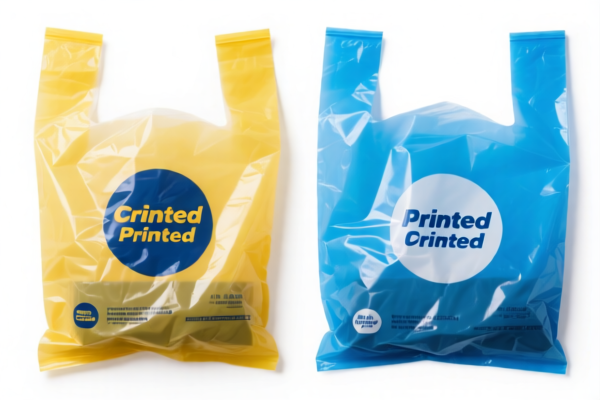
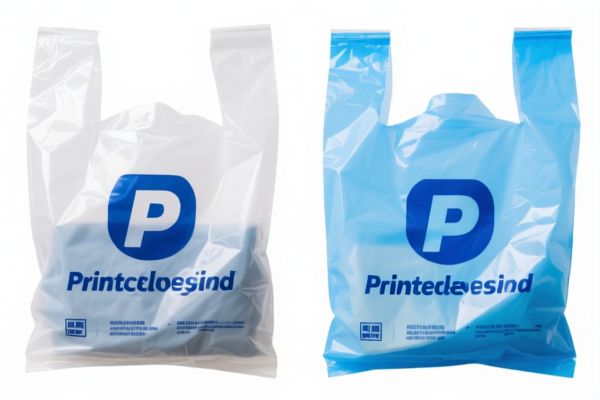
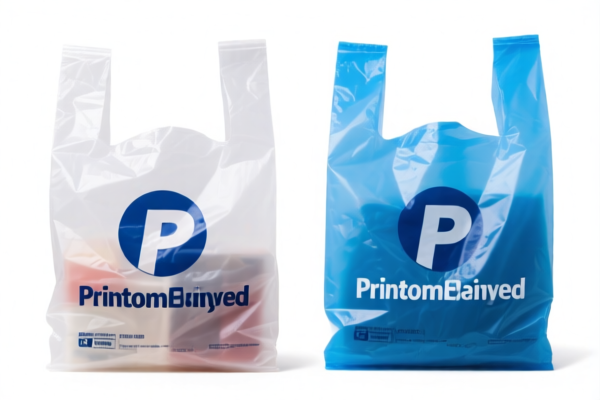
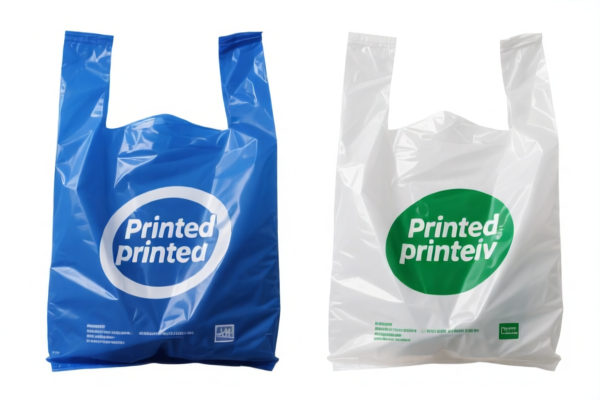
AI Analysis
🛍️ Printed Polyethylene Bags (Plastic Packaging Solutions)
🌐 HS Code Reference & Customs Clearance Guide | 2026 Latest Tariff Analysis | Professional Strategy for Plastic Packaging
📌 I. Product Definition & Classification: What Exactly Are "Printed Polyethylene Bags"?
Printed Polyethylene Bags are flexible plastic containers made from Polyethylene (PE), a common polymer derived from ethylene. In international trade, classification depends strictly on the material composition (specifically whether it is high-density or low-density) and the physical form (bag, pouch, envelope).
Key Distinctions: * Material: Must be Polyethylene (Ethylene Polymer). If it contains other plastics mixed significantly, it may fall under different subheadings (e.g., 3923.29). * Form: * Standard Bags: Open or closed sacks/pouches (e.g., grocery bags, industrial sacks). * Envelope Bags: Bags with a self-adhesive strip or folding flap, often used for documents, clothing, or retail packaging. * Printing: The presence of printing does not change the HS code classification itself, but it confirms the product as a finished packaging item rather than raw plastic film (which would be Chapter 3904/3920).
⚠️ Critical Classification Point:
- If the bag is made of Low-Density Polyethylene (LDPE) → Typically falls under 3923.21.
- If the bag is made of Other Plastics (not specifically LDPE) or mixed materials not fitting 3923.21 → Falls under 3923.29.
- Do not misclassify as "Textile Bags" or "Paper Bags"; the polymer nature dictates Chapter 39.
📦 II. HS Code Classification Matrix (2026 Latest Tariff Reference)
Based on the provided dataset, here are the authorized HS Codes for Printed Polyethylene Bags, categorized by specific type and usage.
| HS Code | Product Description | Application Scenario | Material/State |
|---|---|---|---|
3923.21.00.11 |
Polyethylene Bag (General) | Standard retail bags, basic packaging, general-purpose sacks. | Polyethylene (Ethylene Polymer), Bag Form |
3923.21.00.80 |
Polyethylene Bag (Specific Use) | Industrial or commercial polyethylene bags fully meeting specific category requirements. | Polyethylene, Bag Form |
3923.21.00.95 |
Polyethylene Envelope Bag | Retail clothing bags, document envelopes with adhesive/flap, "poly envelopes." | Polyethylene, Envelope/Pouch Form |
3923.29.00.00 |
Other Plastic Envelope/Pouch | Polyethylene envelopes where specific LDPE subheadings (3923.21) do not strictly apply due to material composition nuances. | Other Plastics, Envelope Form |
3923.21.00.30 |
Industrial Grade PE Bag | Heavy-duty sacks for cargo, industrial chemical packaging, bulk transport. | Polyethylene, Industrial Bag Form |
🔍 Note on "Printing":
None of the listed HS codes exclude printed items. As long as the base material is Polyethylene and the form is a bag/envelope, the printing is considered a secondary finishing process. The code is determined by the base polymer and shape.
💰 III. 2026 Tariff Rate Breakdown (USA / China Origin)
✅ Applicable Country: United States (US)
✅ Origin: China (CN)
✅ Effective Date: 2025/2026 (Post-trade war adjustments)
🎯 1. Standard Polyethylene Bags (3923.21.00.11, .80, .95, .30)
| Item | Content |
|---|---|
| Base Tariff | 3.0% (Ad Valorem) |
| Section 301 Additional Tariff | +25.0% (USITC Footnote related to Chinese origin goods) |
| 122 Clause Tariff | +10.0% (Specific punitive tariff on certain Chinese plastic packaging/materials) |
| Total Effective Tax Rate | 38.0% |
| Calculation | CIF Value × 38% |
| De Minimis Eligibility | ❌ No (High tariff rates typically exclude de minimis exemptions for commercial shipments) |
| Legal Pathway | USITC:3923.21 → Section301:25% → 122Clause:10% → Base:3% |
📌 Explanation:
- Base 3%: Standard Most Favored Nation (MFN) rate for plastic sacks. - +25% Section 301: Imposed due to trade tensions; applies to broad categories of plastic products from China. - +10% Clause 122: A specific additional duty targeting certain Chinese manufacturing outputs, often applied to plastic packaging to protect domestic producers. - Total 38%: This is a significant cost driver. Importers must budget accordingly.
🎯 2. Other Plastic Envelopes (3923.29.00.00)
| Item | Content |
|---|---|
| Base Tariff | 3.0% |
| Section 301 Additional Tariff | +25.0% |
| 122 Clause Tariff | +10.0% |
| Total Effective Tax Rate | 38.0% |
| Calculation | CIF Value × 38% |
| De Minimis Eligibility | ❌ No |
📌 Note:
Even if classified under "Other Plastics" (3923.29), the additional tariffs remain the same because the origin is China and the product is subject to the same trade remedies.
🛠️ IV. Customs Clearance Practical Advice (Risk Mitigation Strategy)
✅ 1. Required Documentation Checklist
| Document | Mandatory? | Purpose |
|---|---|---|
| ✅ Commercial Invoice | ✔️ | Must clearly state "Printed Polyethylene Bag" or "Plastic Envelope." Avoid vague terms like "Plastic Goods." |
| ✅ Packing List | ✔️ | Detail weight, quantity, and dimensions. Critical for verifying CIF value. |
| ✅ Product Specifications | ✔️ | Confirm material: "100% Polyethylene (PE)." If mixed, declare percentages. |
| ✅ Material Declaration | ✔️ | Explicitly state: "Contains no PVC, no hazardous additives." |
| ✅ Certificate of Origin (CO) | ✔️ | Prove Chinese origin (triggers tariffs) or non-China origin (may reduce tariffs). |
| ✅ Photos of Labels | ✔️ | Show any recycled content marks or safety warnings. |
✅ 2. Critical Classification Tips
🔥 "Material First, Form Second, Tariff Third!"
| Scenario | Correct HS Code | Incorrect Code | Consequence |
|---|---|---|---|
| LDPE Grocery Bag | 3923.21.00.11 |
3923.29.00.00 |
Minor risk, but .11 is more precise. |
| Self-Seal Envelope | 3923.21.00.95 |
4823.69 (Paper) |
Major Error! Plastic envelopes are NOT paper. Risk of seizure or fine. |
| Industrial Sack | 3923.21.00.30 |
4202.92 (Textile) |
Polyethylene bags are not textile sacks. |
| Mixed Material Bag | 3923.29.00.00 |
3923.21.00.11 |
If not 100% LDPE, use .29. Misclassification leads to duty underpayment penalties. |
✅ 3. Cost Optimization Strategies
- Supply Chain Diversification:
- Consider sourcing from Vietnam, Thailand, or Mexico. Products from these origins may be exempt from Section 301 (25%) and Clause 122 (10%), potentially reducing the tariff to just the base rate (3%) or 0% if FTAs apply (e.g., USMCA for Mexico).
- Pre-Ruling (Advance Ruling):
- Apply to US Customs and Border Protection (CBP) for a binding interpretation of your specific bag's material composition. This prevents retroactive duty assessments if CBP disagrees with your initial classification.
- Value Management:
- Since tax is ad valorem (based on value), ensure your CIF value includes only necessary costs. Freight and insurance must be accurately declared to avoid penalties.
🌍 V. Global Market Comparison (2026 Outlook)
| Country | Recommended HS Code | Base Tariff | Additional Duties (CN Origin) | Total Est. Tariff | Notes |
|---|---|---|---|---|---|
| 🇺🇸 USA | 3923.21.00.11 / .29 |
3.0% | +35% (25% + 10%) | 38.0% | High barrier. Check for exclusions. |
| 🇨🇳 China | 3923.21.00.11 |
~10-13% | None (Domestic) | ~12% | High VAT (13%) applies. |
| 🇪🇺 EU | 3923.29.00.00 (General) |
3.0% - 6.0% | None | ~4-6% | No Section 301 equivalent. EPR (Extended Producer Responsibility) fees apply. |
| 🇬🇧 UK | 3923.21.00.95 |
2.5% - 5.0% | None | ~3-5% | Post-Brexit rules. No US-style punitive tariffs. |
| 🇦🇺 Australia | 3923.21.00.30 |
5.0% | None | 5.0% | GST 10% applies on top. |
📌 Conclusion:
- The USA is the most expensive market for Chinese polyethylene bags due to layered tariffs.
- EU/UK/AU offer significantly lower tariff barriers but have strict environmental regulations (single-use plastic bans, EPR fees).
- China Domestic market has higher base tariffs but no trade war surcharges.
📌 VI. Common Pitfalls & How to Avoid Them (Lessons Learned)
❌ Pitfall 1: Misdeclaring "Plastic Envelopes" as "Paper Mailers"
👉 Consequence: HS Code 4823 vs 3923. If caught, penalty for tariff evasion + 10% duty difference.
✅ Fix: Always declare material as "Polyethylene" regardless of appearance.
❌ Pitfall 2: Ignoring the "122 Clause"
👉 Consequence: Underpaying duty by 10%. CBP audits recover this with interest.
✅ Fix: Always add the 10% Clause 122 duty for plastic packaging from China to the USA.
❌ Pitfall 3: Not specifying "Low Density" vs "High Density"
👉 Consequence: CBP may default to the higher scrutiny category or deny entry for lack of detail.
✅ Fix: Specify "LDPE" or "HDPE" in the description. LDPE (3923.21) is the most common for flexible bags.
🎯 VII. Final Verdict: Smart Importing
🎯 Key Takeaway:
🔹 "Polyethylene Bags from China to USA = 38% Total Duty."
🔹 Classification Precision: Use3923.21for standard LDPE bags; use3923.29only if necessary.
🔹 Strategic Move: Explore non-China sourcing to eliminate the 35% surcharge.
📌 Pro Tip:
If you are importing small quantities for sample purposes, verify if the De Minimis threshold ($800) still applies. However, recent CBP trends suggest stricter scrutiny on plastic goods from China. Always consult a licensed customs broker before shipping.
📣 Immediate Action Plan:
1. Verify Material: Confirm 100% PE composition.
2. Check Origin: If Chinese, budget 38% duty.
3. Apply Ruling: File for an Advance Ruling with CBP if unsure about 3923.21 vs 3923.29.
4. Evaluate Alternatives: Compare landed cost from Vietnam/Mexico vs. China.
✨ Accurate Classification Saves Money!
💼 Don't let a 38% tariff eat your margins. Plan ahead!
Customer Reviews
About HS Code Classification
The Harmonized System (HS) is an internationally standardized nomenclature developed by the World Customs Organization (WCO) to classify traded products. Over 200 countries use the HS system as the basis for customs tariffs, trade statistics, and import/export regulations.
Each HS code follows a hierarchical structure:
- Chapter (2 digits) — Broad category of goods (e.g., Chapter 84: Machinery and Mechanical Appliances)
- Heading (4 digits) — More specific grouping within the chapter
- Subheading (6 digits) — Internationally standardized breakdown, used by all WCO member countries
- National subdivisions (8-10 digits) — Country-specific extensions for further classification, such as US HTSUS 10-digit codes
Correct HS code classification is essential for smooth customs clearance, accurate duty payment, and compliance with trade regulations. Misclassification can lead to customs delays, overpayment of duties, or penalties.
When importing from CN to US, the applicable tariff rates may include:
- Most-Favored-Nation (MFN) rate — The standard duty rate applied to WTO members
- General rate — Applied to countries without trade agreements
- Trade remedy duties — Additional tariffs such as Section 301 (anti-dumping), Section 232 (national security), or countervailing duties
The information provided on this page is for reference purposes only. For official classification, please consult with your local customs authority or a licensed customs broker.