Printed Scarf
CN → US| HS Code | Tariff Rate | Origin | Destination | Doc |
|---|---|---|---|---|
| 6117102030 | 21.3% | CN | US | Official Doc |
| 6214300000 | 15.3% | CN | US | Official Doc |
| 6214900010 | 28.8% | CN | US | Official Doc |
| 6117106020 | 27.0% | CN | US | Official Doc |
Product Images
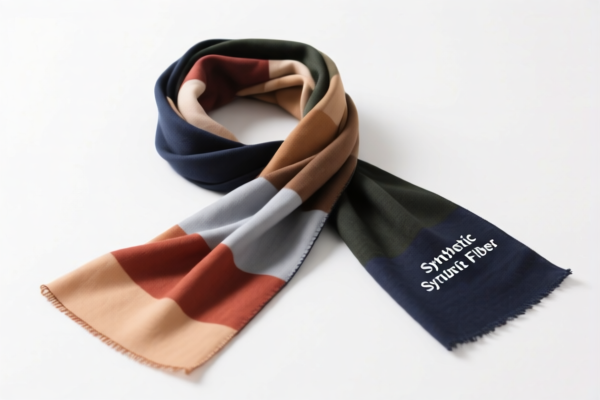
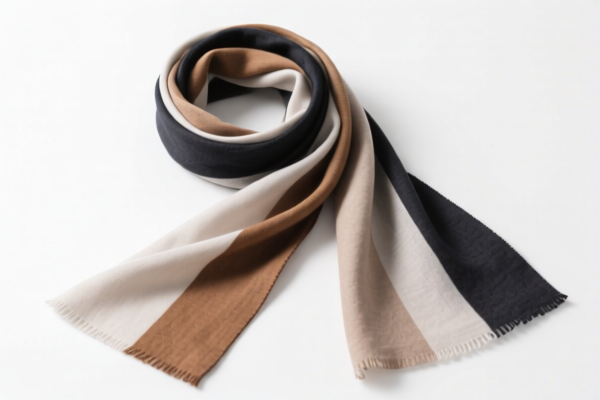
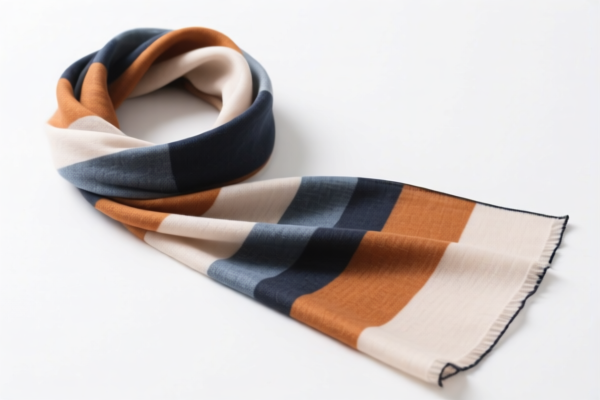
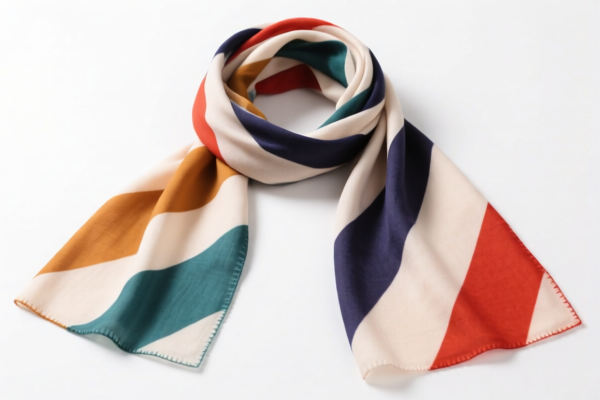
AI Analysis
🧣 Printed Scarf (印花围巾)
🌐 HS Code Reference & Customs Clearance Guide | 2026 Latest Tariff Analysis | Strategic Clearance Strategies
📌 I. Product Definition & Classification: Do You Really Know "Printed Scarf"?
A printed scarf is a versatile fashion accessory and textile product. In international trade, it is primarily classified under Chapter 62 (Articles of apparel and clothing accessories, not knitted or crocheted) or Chapter 61 (Articles of apparel and clothing accessories, knitted or crocheted). The specific HS Code depends entirely on the material composition and manufacturing method (knitted vs. woven).
⚠️ Key Distinction:
- Woven/Unknitted (Non-knit): Falls under Chapter 62 (e.g., cotton, synthetic fibers).
- Knitted/Crocheted: Falls under Chapter 61 (e.g., synthetic knit, cotton knit).
- Material Matters: "Synthetic" (polyester, nylon) often has different base rates than "Cotton" or "Other Textile Materials."
📦 II. HS Code Classification Details (Based on Provided Data)
| HS Code | Product Description | Material/Type Inference | Manufacturing Type |
|---|---|---|---|
6214.30.00.00 |
Printed Scarf | Synthetic Fiber or Generic Material | Woven / Non-knit |
6214.90.00.10 |
Printed Scarf | Cotton or Other Textile Material | Woven / Non-knit |
6117.10.60.20 |
Printed Scarf | Knitted or Crocheted Material | Knitted / Crochet |
6117.10.20.30 |
Printed Scarf | Other Artificial Fiber (Knitted) | Knitted / Crochet |
🔍 Important Note:
- The summary implies that the material is inferred based on common attributes when not explicitly stated.
- Chapter 62 codes generally apply to woven scarves.
- Chapter 61 codes apply to knitted or crocheted scarves.
- Misclassification between knit/woven or synthetic/cotton can lead to significant tax differences.
💰 III. 2026 Latest Tariff Rate Breakdown (Including Additional Duties)
✅ Applicable Country: United States (US)
✅ Origin: China (CN)
✅ Effective Time: Current rates including Section 301 and Section 122 duties.
🎯 1. 6214.30.00.00 —— Printed Scarf (Synthetic/Generic Material, Woven)
| Item | Content |
|---|---|
| Base Duty Rate | 5.3% |
| Additional Duty (Sec 301) | 0.0% |
| Section 122 Duty | 10.0% |
| Total Effective Rate | 15.3% |
| Calculation Basis | CIF Value × 15.3% |
| De Minimis Exemption | ❌ Not Applicable (Section 122 duties often restrict de minimis benefits for certain textiles) |
| Legal Basis Path | HTSUS 6214.30.00.00 → Section 122 Tariff (10%) |
📌 Explanation:
- This code applies to woven scarves made of synthetic fibers or generic materials.
- The 10% Section 122 duty is added on top of the base rate.
- Total 15.3% is the lowest among the options provided, making this the most cost-effective classification if the product is indeed synthetic and woven.
🎯 2. 6214.90.00.10 —— Printed Scarf (Cotton/Other Textile, Woven)
| Item | Content |
|---|---|
| Base Duty Rate | 11.3% |
| Additional Duty (Sec 301) | 7.5% |
| Section 122 Duty | 10.0% |
| Total Effective Rate | 28.8% |
| Calculation Basis | CIF Value × 28.8% |
| De Minimis Exemption | ❌ Not Applicable |
| Legal Basis Path | HTSUS 6214.90.00.10 → Sec 301 (7.5%) + Sec 122 (10%) |
📌 Explanation:
- Applies to woven scarves made of cotton or other unspecified textile materials.
- Higher base duty (11.3%) plus Section 301 (7.5%) and Section 122 (10%) result in a much higher total rate.
- Common for cotton scarves, which are heavily scrutinized in US-China trade.
🎯 3. 6117.10.60.20 —— Printed Scarf (Knitted/Crocheted)
| Item | Content |
|---|---|
| Base Duty Rate | 9.5% |
| Additional Duty (Sec 301) | 7.5% |
| Section 122 Duty | 10.0% |
| Total Effective Rate | 27.0% |
| Calculation Basis | CIF Value × 27.0% |
| De Minimis Exemption | ❌ Not Applicable |
| Legal Basis Path | HTSUS 6117.10.60.20 → Sec 301 (7.5%) + Sec 122 (10%) |
📌 Explanation:
- Applies to knitted or crocheted scarves.
- Even though the base rate (9.5%) is lower than cotton (11.3%), the addition of Section 301 (7.5%) pushes the total high.
- Must provide evidence of knitting method if challenged.
🎯 4. 6117.10.20.30 —— Printed Scarf (Other Artificial Fiber, Knitted)
| Item | Content |
|---|---|
| Base Duty Rate | 11.3% |
| Additional Duty (Sec 301) | 0.0% |
| Section 122 Duty | 10.0% |
| Total Effective Rate | 21.3% |
| Calculation Basis | CIF Value × 21.3% |
| De Minimis Exemption | ❌ Not Applicable |
| Legal Basis Path | HTSUS 6117.10.20.30 → Section 122 Tariff (10%) |
📌 Explanation:
- Applies to knitted scarves made of other artificial fibers (not standard synthetic fibers classified under 6214).
- No Section 301 duty (0%), but still subject to Section 122 (10%).
- Base rate is higher (11.3%) than 6214.30, but no Sec 301 makes it cheaper than cotton/knitted options.
🛠️ IV. Customs Clearance Practical Advice (Avoiding Pitfalls)
✅ 1. Required Documentation Checklist
| Document | Must Provide | Explanation |
|---|---|---|
| ✅ Product Composition Label | ✔️ | Must clearly state material % (e.g., 100% Polyester, 100% Cotton). This determines Chapter 61 vs. 62. |
| ✅ Knit vs. Woven Declaration | ✔️ | Crucial for distinguishing between Chapter 61 and 62. Provide fabric swatch or photo if needed. |
| ✅ Commercial Invoice | ✔️ | Must match HS Code description: "Printed Scarf, [Material], Knitted/Woven." |
| ✅ Packing List | ✔️ | Include dimensions, weight, and quantity. |
| ✅ Certificate of Origin | ✔️ | Required to confirm origin as China (CN) for duty assessment. |
✅ 2. Declaration Tips (Key Mnemonics)
🔥 "Material First, Knit or Weave, Section 122 Always Stays!"
| Scenario | Correct Declaration | Error to Avoid |
|---|---|---|
| Polyester Woven Scarf | 6214.30.00.00 |
Misdeclare as Cotton → 28.8% |
| Cotton Woven Scarf | 6214.90.00.10 |
Misdeclare as Synthetic → Save 13.5% (but risk penalty) |
| Acrylic Knitted Scarf | 6117.10.20.30 |
Misdeclare as Woven → 21.3% vs 15.3% (depends on exact fiber) |
| Cotton Knitted Scarf | 6117.10.60.20 |
Misdeclare as Woven → 27.0% vs 28.8% |
⚠️ Critical Warning:
- Section 122 Duty (10%) applies to all textile imports from China under these codes. It is non-negotiable.
- Section 301 Duty varies: 0% for 6214.30 and 6117.10.20.30; 7.5% for 6214.90 and 6117.10.60.20.
- Do not guess the material. Customs may inspect fabric samples. Incorrect material declaration leads to fines, back taxes, and delays.
🌍 V. Global Market Clearance Comparison (2026)
| Country/Region | Recommended HS Code | Total Duty Rate | Certification Required | Notes |
|---|---|---|---|---|
| 🇺🇸 USA | 6214.30.00.00 (Synthetic Woven) |
15.3% | None specific | Lowest rate if synthetic & woven |
| 🇺🇸 USA | 6214.90.00.10 (Cotton Woven) |
28.8% | None specific | Highest rate due to Sec 301 + Sec 122 |
| 🇨🇳 China | 6214.30.00.00 |
~5-10% | N/A | Export duty may apply |
| 🇪🇺 EU | 6214.30.00.00 |
~0-12% | REACH, OEKO-TEX | No Section 122/301 equivalent |
| 🇬🇧 UK | 6214.30.00.00 |
~0-12% | UKCA, REACH | Post-Brexit tariffs may vary |
📌 Conclusion:
- The USA imposes significant additional tariffs (Section 122 and Section 301) on Chinese textile goods.
- Synthetic Woven (6214.30.00.00) offers the lowest total duty at 15.3%.
- Cotton Woven (6214.90.00.10) is the most expensive at 28.8% due to combined additional duties.
📌 VI. Common Mistakes & Pitfalls Guide (Lessons Learned)
❌ Mistake 1: Assuming "Scarf" is always one HS Code.
👉 Result: Wrong classification → 13.5% tax difference → Penalties & Back Taxes.
❌ Mistake 2: Ignoring Section 122 Duty.
👉 Result: Underestimating cost → Profit Margin Erosion. (10% is significant on high-volume items).
❌ Mistake 3: Mislabeling Knitted as Woven.
👉 Result: Customs inspection required → Delay in Clearance (1-4 weeks).
❌ Mistake 4: Vague Description "Textile Product."
👉 Result: CBP issues Information Request → Holds Shipments.
✅ Correct Approach:
"Printed Polyester Woven Scarf, 100% Polyester, Size 70x180cm, Made in China"
🎯 VII. Conclusion: Precise Classification Saves Money!
🎯 Remember:
🔹 "Woven vs. Knit, Synthetic vs. Cotton – Check Twice!"
🔹 "Section 122 is Always 10%, Section 301 Depends on Code!"
🔹 "Lowest Duty: 6214.30 (15.3%) | Highest Duty: 6214.90 (28.8%)"
📌 Pro Tip:
If your scarf is 100% Polyester and Woven, use 6214.30.00.00 for the lowest duty (15.3%).
If you must use Cotton, expect 28.8%.
Always provide fabric composition proof to avoid customs audits.
📣 Immediate Action:
📞 Confirm fabric composition with supplier.
📝 Declare accurately as "Printed Scarf, [Material], [Knit/Woven]."
🚀 Smooth Clearance, Maximized Profit!
✨ Professional Clearance Starts with Accurate Classification!
💼 Every Percentage Point Matters!
Customer Reviews
About HS Code Classification
The Harmonized System (HS) is an internationally standardized nomenclature developed by the World Customs Organization (WCO) to classify traded products. Over 200 countries use the HS system as the basis for customs tariffs, trade statistics, and import/export regulations.
Each HS code follows a hierarchical structure:
- Chapter (2 digits) — Broad category of goods (e.g., Chapter 84: Machinery and Mechanical Appliances)
- Heading (4 digits) — More specific grouping within the chapter
- Subheading (6 digits) — Internationally standardized breakdown, used by all WCO member countries
- National subdivisions (8-10 digits) — Country-specific extensions for further classification, such as US HTSUS 10-digit codes
Correct HS code classification is essential for smooth customs clearance, accurate duty payment, and compliance with trade regulations. Misclassification can lead to customs delays, overpayment of duties, or penalties.
When importing from CN to US, the applicable tariff rates may include:
- Most-Favored-Nation (MFN) rate — The standard duty rate applied to WTO members
- General rate — Applied to countries without trade agreements
- Trade remedy duties — Additional tariffs such as Section 301 (anti-dumping), Section 232 (national security), or countervailing duties
The information provided on this page is for reference purposes only. For official classification, please consult with your local customs authority or a licensed customs broker.