Printed matter (HS 4911912020)
CN → US| HS Code | Tariff Rate | Origin | Destination | Doc |
|---|---|---|---|---|
| 4911912020 | 10.0% | CN | US | Official Doc |
| 4911914020 | 17.5% | CN | US | Official Doc |
Product Images
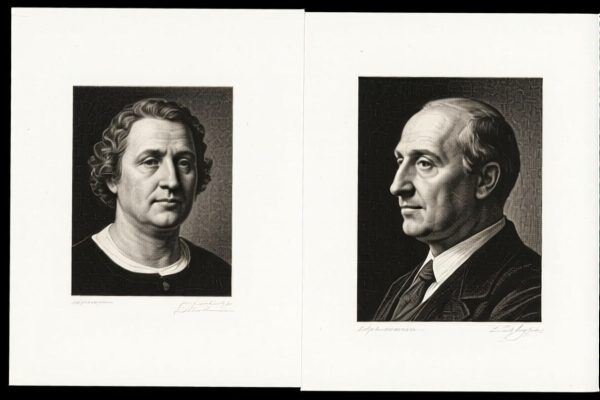
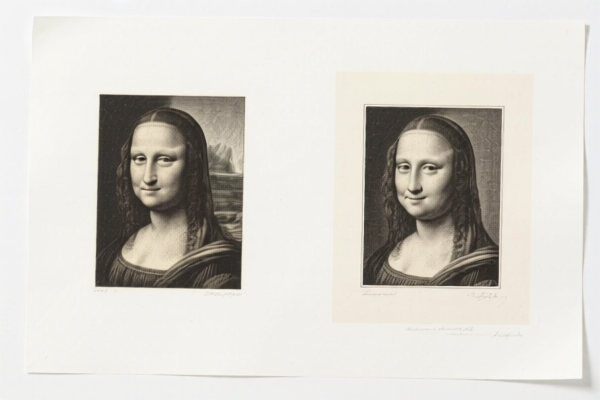
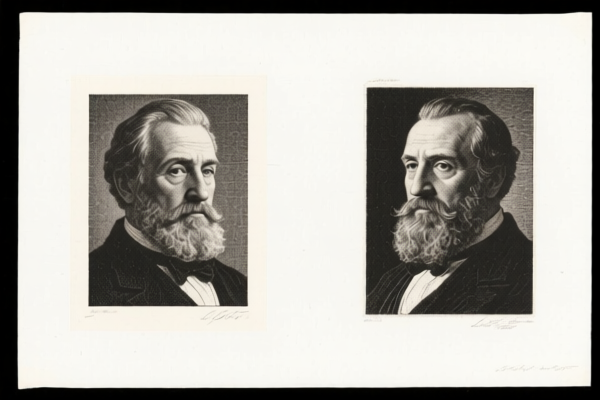
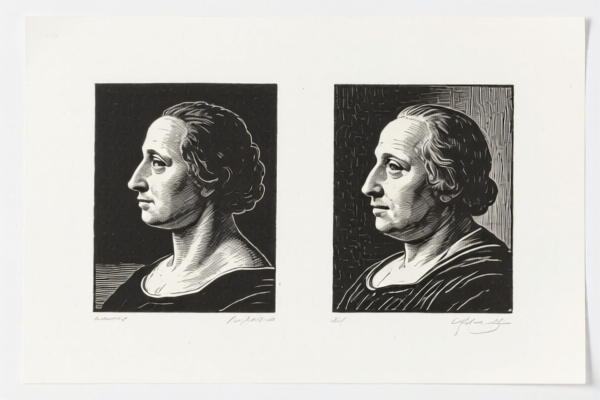
AI Analysis
🖼️ Printed Posters & Lithographs (HS Code: 4911.91.20.20 / 4911.91.40.20)
🌐 HS Code Reference & Customs Clearance Guide | 2026 Latest Tariff Analysis | Professional Compliance Strategy
📌 I. Product Definition: What Exactly Are We Importing?
In international trade, "Printed Matter" under Chapter 49 is a broad category. However, for this specific inquiry, we are focusing on Posters and Lithographs that meet strict physical and temporal criteria.
These items are typically used for: * Commercial Advertising: Shop windows, billboards, point-of-sale displays. * Cultural/Educational: Art prints, educational posters, museum reproductions. * Personal Decor: Wall art, interior design elements.
⚠️ Critical Distinction:
The classification depends heavily on material thickness and printing method. - Lithographs on Paper/Paperboard: Must be ≤ 0.51 mm thick to qualify for the specific 0% duty code. - Age of Production: Must be printed not over 20 years prior to importation.
📦 II. HS Code Classification Details (2026 Tariff Book Authority)
Based on the provided data, there are two distinct sub-classifications for "Other Posters." The key differentiator is thickness and specific description.
| HS Code | Product Description | Key Characteristics | Thickness Requirement |
|---|---|---|---|
| 4911.91.20.20 | Lithographs on paper or paperboard | Specifically categorized as "Lithographs." | ≤ 0.51 mm |
| 4911.91.40.20 | Other Posters | Broad category for posters that do not fit the specific lithograph definition or thickness criteria. | No specific ≤ 0.51 mm constraint mentioned (implicitly thicker or different material) |
🔍 Important Note:
- Both codes fall under "Pictures, designs and photographs: Printed not over 20 years at time of importation." - If your item is a lithograph (planographic printing) on paper/paperboard AND is thinner than or equal to 0.51 mm, it falls under 4911.91.20.20. - If it is a poster but not a lithograph (e.g., screen print, digital print not meeting lithograph definition) OR if it is thicker than 0.51 mm, it likely falls under 4911.91.40.20 ("Other Posters").
💰 III. 2026 Latest Tariff Rate Breakdown (China Origin → US)
✅ Applicable Country: United States (US)
✅ Origin: China (CN)
✅ Effective Time: Current as of latest trade data
🎯 1. 4911.91.20.20 — Lithographs on Paper/Paperboard (≤ 0.51 mm)
| Item | Content |
|---|---|
| Base Duty Rate | 0.0% (Free) |
| Section 301 / Additional Duty | 0.0% |
| Total Tax Rate | 0.0% |
| Tax Calculation | CIF Value × 0% = $0 |
| De Minimis Eligibility | ✅ Eligible (If value ≤ $800, no duty even if rate >0) |
| Legal Basis | HTSUS 4911.91.20.20 |
📌 Explanation:
This is a duty-free classification.
- Why 0%? The US imposes low base duties on printed materials under this specific subheading.
- No Section 301 Tariff: Unlike electronics or steel, printed matter under this specific 10-digit code is exempt from the additional 7.5% (or 25%) tariffs often applied to Chinese goods.
- Result: Zero cost impact on customs duties.
🎯 2. 4911.91.40.20 — Other Posters
| Item | Content |
|---|---|
| Base Duty Rate | 0.0% |
| Section 301 / Additional Duty | +7.5% |
| Total Tax Rate | 7.5% |
| Tax Calculation | CIF Value × 7.5% |
| De Minimis Eligibility | ✅ Eligible (If value ≤ $800, no duty even if rate >0) |
| Legal Basis | HTSUS 4911.91.40.20 |
📌 Explanation:
This classification attracts a 7.5% additional tariff.
- Why 7.5%? This falls under the "Other Printed Matter" category which is subject to Section 301 retaliatory tariffs against China.
- Comparison: This is significantly higher than the 0% rate for lithographs ≤ 0.51 mm.
- Result: 7.5% duty burden on the CIF value.
🛠️ IV. Customs Clearance Practical Advice (Pitfall Avoidance)
✅ 1. Documentation Checklist (Non-Negotiable)
| Document | Required? | Purpose |
|---|---|---|
| Commercial Invoice | ✔️ | Must clearly state: "Poster, Lithograph, Paper, ≤ 0.51 mm thick" |
| Product Description | ✔️ | Avoid vague terms like "Art Print." Use "Lithograph on Paper" or "Poster, Other." |
| Thickness Declaration | ✔️ | Crucial! Explicitly state thickness if claiming 0% duty. "0.50 mm" or "0.45 mm" |
| Printing Method | ✔️ | Confirm "Lithographic" process. If it's digital inkjet, it may NOT be a "lithograph." |
| Age Certificate | ✔️ | Declare: "Printed in 2025, imported in 2026" (Within 20 years). |
| Photos | ✔️ | Show the item, including edge for thickness verification. |
✅ 2. Classification Strategy (Key Mnemonic)
🔥 “Thin Litho = Zero; Thick or Other = 7.5%!”
| Scenario | Correct HS Code | Duty Rate | Action |
|---|---|---|---|
| Lithograph on Paper, ≤ 0.51 mm | 4911.91.20.20 |
0% | ✅ Use this code for duty-free entry |
| Lithograph on Paper, > 0.51 mm | Likely 4911.91.40.20 |
7.5% | ❌ Avoid if possible; high duty |
| Digital Print Poster (Not Litho) | 4911.91.40.20 |
7.5% | ❌ Cannot claim 0% unless it fits lithograph definition |
| Poster on Cardboard (> 0.51 mm) | 4911.91.40.20 |
7.5% | ❌ Higher duty |
| Photographs (Actual Photos) | Different HS (4909/4911) | Varies | ❌ Do not misclassify as "Poster" |
⚠️ Critical Risk:
Misclassifying a 7.5% dutiable item as a 0% dutiable item can lead to: - Underpayment of Duties - Penalties (30%-60% of duty owed) - Audits & Seizures
✅ 3. Special Considerations
| Situation | Recommendation |
|---|---|
| Mixed Shipment | If you have both thin lithographs (0%) and thick posters (7.5%), separate the entries or classify correctly per line item. Do not blanket-declare all as 0%. |
| "Lithograph" Definition | Ensure the item is produced by a planographic process (stone or plate printing). Digital prints are generally not considered lithographs in customs terminology unless specifically processed as such. |
| Value Threshold | For shipments under $800 (De Minimis), neither code will incur duty due to Section 321, but correct classification is still required for data integrity. |
| Thickness Verification | Customs may request a physical sample or manufacturing specification to verify the 0.51 mm limit. Keep this ready. |
🌍 V. Global Market Comparison (2026)
| Market | Recommended HS Code | Duty Rate (China Origin) | Notes |
|---|---|---|---|
| 🇺🇸 United States | 4911.91.20.20 |
0.0% | Best option for thin lithographs |
| 🇺🇸 United States | 4911.91.40.20 |
7.5% | For other posters |
| 🇪🇺 European Union | 4911.91 |
0.0% | Generally low duties; check local VAT |
| 🇨🇳 China | 4911.91 |
0.0% | Import duty usually 0% |
| 🇬🇧 United Kingdom | 4911.91 |
0.0% | Post-Brexit, often 0% for printed matter |
📌 Conclusion:
The US market is highly sensitive to the distinction between "Lithograph ≤ 0.51 mm" (0%) and "Other Posters" (7.5%).
Precision in description and physical measurement is the key to cost savings.
📌 VI. Common Errors & Pitfalls (Lessons Learned)
❌ Error 1: Calling a Digital Print a "Lithograph"
👉 Consequence: Customs may reclassify to 4911.91.40.20 → 7.5% penalty + back duties.
❌ Error 2: Ignoring Thickness
👉 Consequence: A 0.6 mm poster declared as 0.5 mm → Audit flag, fines, and possible seizure.
❌ Error 3: Using Generic Descriptions like "Art Print"
👉 Consequence: Customs officer makes a best guess, likely choosing the higher duty rate (4911.91.40.20).
✅ Correct Practice:
"Lithograph on Paper, Thickness: 0.45 mm, Printing Method: Offset Lithography, Origin: China, HS: 4911.91.20.20"
🎯 VII. Conclusion: Precision Saves Money!
🎯 Remember the Rule:
🔹 “If it’s thin (≤ 0.51 mm) AND litho → 0%”
🔹 “If it’s thick or not litho → 7.5%”
🔹 “Always declare thickness explicitly!”
📌 Pro Tip:
If you are importing high-volume posters, work with your manufacturer to ensure the product is strictly ≤ 0.51 mm and uses lithographic printing to secure the 0% duty rate. This can save 7.5% of the product value, which is significant for large shipments.
📣 Immediate Action:
📞 Confirm Printing Method & Thickness with supplier
📄 Update Commercial Invoice with precise HS Code4911.91.20.20
🚀 Enjoy Duty-Free Entry!
✨ Accurate Classification = Lower Costs = Higher Profits!
💼 Don’t let a 0.01 mm difference cost you 7.5%!
Customer Reviews
About HS Code Classification
The Harmonized System (HS) is an internationally standardized nomenclature developed by the World Customs Organization (WCO) to classify traded products. Over 200 countries use the HS system as the basis for customs tariffs, trade statistics, and import/export regulations.
Each HS code follows a hierarchical structure:
- Chapter (2 digits) — Broad category of goods (e.g., Chapter 84: Machinery and Mechanical Appliances)
- Heading (4 digits) — More specific grouping within the chapter
- Subheading (6 digits) — Internationally standardized breakdown, used by all WCO member countries
- National subdivisions (8-10 digits) — Country-specific extensions for further classification, such as US HTSUS 10-digit codes
Correct HS code classification is essential for smooth customs clearance, accurate duty payment, and compliance with trade regulations. Misclassification can lead to customs delays, overpayment of duties, or penalties.
When importing from CN to US, the applicable tariff rates may include:
- Most-Favored-Nation (MFN) rate — The standard duty rate applied to WTO members
- General rate — Applied to countries without trade agreements
- Trade remedy duties — Additional tariffs such as Section 301 (anti-dumping), Section 232 (national security), or countervailing duties
The information provided on this page is for reference purposes only. For official classification, please consult with your local customs authority or a licensed customs broker.