Processor
CN → US| HS Code | Tariff Rate | Origin | Destination | Doc |
|---|---|---|---|---|
| 8542310050 | 60.0% | CN | US | Official Doc |
| 8471500150 | 35.0% | CN | US | Official Doc |
| 8542310045 | 60.0% | CN | US | Official Doc |
| 8471804000 | 35.0% | CN | US | Official Doc |
Product Images
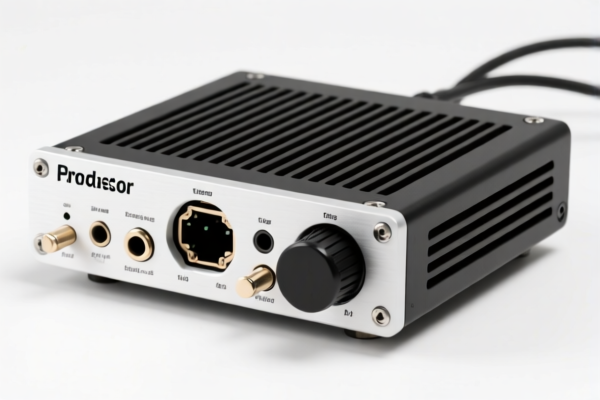
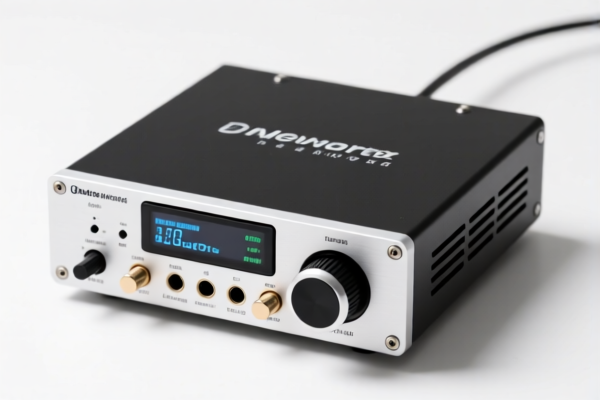
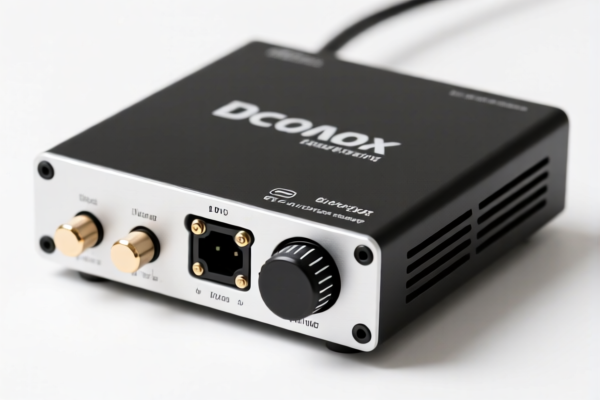
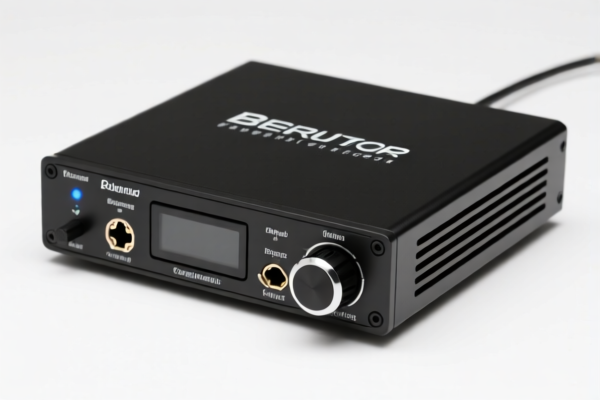
AI Analysis
🧠 Processor (CPUs & Data Processing Units)
🌐 HS Code Reference & Customs Clearance Guide | 2026 Latest Tariff Analysis | Professional Level Strategy
📌 1. Product Definition & Classification: What is a "Processor"?
In international trade, "Processors" are broadly categorized based on their functional integration and physical form. Misclassification leads to significant tariff disparities.
- Standalone Processors (CPUs/ICs): Semiconductor chips designed primarily as Central Processing Units or controllers. These fall under Heading 8542 (Electronic Integrated Circuits).
- Integrated Units (ADP Components): Processors embedded as core components of Automatic Data Processing (ADP) machines (e.g., server boards, specific control units). These often fall under Heading 8471 (Parts of Automatic Data Processing Machines).
⚠️ Critical Distinction Point:
- If the item is a standalone semiconductor chip or IC designed for calculation/control → 8542.31.00.xx
- If the item is a specific module/unit explicitly defined as a core part of an ADP machine’s processing system → 8471.xx.xx.xx
📦 2. HS Code Classification Details (2026 Latest Tariff Authority Comparison)
| HS Code | Product Description | Application Scenario | Key Classification Logic |
|---|---|---|---|
8542.31.00.45 |
Processors as Central Processing Units (CPUs) | Standalone CPU chips, high-performance computing cores | Function: Matches "CPUs" exactly. No material/form conflict. |
8471.80.40.00 |
Parts of ADP Machines: Other Units | Processors functioning as core data processing units, physically embedded | Function: Matches "Data Processing Unit" attributes. |
8542.31.00.50 |
Processors & Controllers ("Other") | Functional processors/controllers falling under "Other" subcategories | Function: Matches core purpose (processor/controller) in "Other" category. |
8471.50.01.50 |
Parts of ADP Machines: Processing Units | Core processing units for automatic data processing equipment | Function: Matches "Processing Unit" description. No material/form conflict. |
🔍 Key Reminder:
- 8542 Codes generally apply to integrated circuits/chips where the primary identity is the semiconductor itself. - 8471 Codes apply when the processor is classified as a part of a machine (ADP unit), often implying a broader functional role within a data processing system. - The tariff difference is drastic (60% vs. 35%), making precise classification critical.
💰 3. 2026 Latest Tariff Rate Breakdown (Including Surtaxes & Policy Surcharges)
✅ Applicable Country: United States (US)
✅ Origin: China (CN)
✅ Effective Date: Post-2025 regulations (Current active rates)
🎯 1. High-Tariff Classification: 8542.31.00.45 & 8542.31.00.50
| Item | Detail |
|---|---|
| Base Duty Rate | 0.0% (ad valorem) |
| Section 301 Surtax (Add-on) | 50.0% |
| Section 122 Surtax | 10.0% |
| Total Tax Rate | 60.0% |
| Tax Calculation | CIF Value × 60.0% |
| De Minimis Exemption? | ❌ No (Not eligible for de minimis waiver) |
| Legal Basis Path | Base Duty (0%) → Section 301 (50%) → Section 122 (10%) |
📌 Explanation:
- The 50% Section 301 tariff is the primary burden on Chinese-origin semiconductor components classified under specific CPU/Controller subheadings. - The 10% Section 122 tariff is an additional national security-related surcharge. - Combined Total: 60%. This is a very high tariff, requiring precise cost forecasting.
🎯 2. Lower-Tariff Classification: 8471.80.40.00 & 8471.50.01.50
| Item | Detail |
|---|---|
| Base Duty Rate | 0.0% (ad valorem) |
| Section 301 Surtax (Add-on) | 25.0% |
| Section 122 Surtax | 10.0% |
| Total Tax Rate | 35.0% |
| Tax Calculation | CIF Value × 35.0% |
| De Minimis Exemption? | ❌ No (Not eligible for de minimis waiver) |
| Legal Basis Path | Base Duty (0%) → Section 301 (25%) → Section 122 (10%) |
📌 Explanation:
- Classifying the processor as a part of an Automatic Data Processing Machine (ADP) reduces the Section 301 surtax from 50% to 25%. - Combined Total: 35%. This represents a 25% tariff saving compared to the 8542 classification. - Strategy: If the product can be legally defined as a "core component/unit" of an ADP system rather than a standalone IC, the 8471 classification offers significant cost advantages.
🛠️ 4. Customs Clearance Practical Advice (Avoid Pitfalls)
✅ 1. Required Documentation Checklist
| Document | Must Provide? | Description |
|---|---|---|
| ✅ Technical Data Sheet | ✔️ | Must specify if it is a "Standalone IC" or "ADP Component." |
| ✅ Function Description | ✔️ | Clearly state: "Used as Central Processing Unit" OR "Core Data Processing Unit for ADP." |
| ✅ Product Photos | ✔️ | Show pinouts, markings, and packaging. Distinguish between bare die/package and module. |
| ✅ Bill of Lading / Invoice | ✔️ | Ensure description matches the chosen HS Code logic exactly. |
| ✅ Country of Origin | ✔️ | Certify as China (CN) to confirm surtax applicability. |
✅ 2. Classification Strategy (Key Tips)
🔥 "Define Function, Define Form, Avoid Misclassification!"
| Scenario | Correct HS Code | Wrong Action | Consequence |
|---|---|---|---|
| Standalone CPU Chip | 8542.31.00.45 or .50 |
Classify as 8471 ADP Part |
Audit Risk: Customs may reject if it’s clearly a chip, not a machine part. |
| Integrated ADP Module | 8471.80.40.00 or .50 |
Classify as 8542 Chip |
Overpayment: Pay 60% instead of 35%. |
| Processor with Peripheral Boards | Check Integration Level | Split申报 | Delay: May be deemed incomplete shipment or misdeclared. |
📌 Note:
- Do not simply call it "Processor." Be specific:
- If it’s a semiconductor: "Electronic Integrated Circuit, Processor, Model XYZ."
- If it’s a system unit: "Automatic Data Processing Machine, Core Processing Unit, Model XYZ."
✅ 3. Special Cases
| Case | Handling Advice |
|---|---|
| OEM Custom Processors | Provide customer specifications proving it’s designed for a specific ADP system to support 8471 classification. |
| Bare Chips vs. Packaged | Both can be 8542. Ensure physical form doesn’t contradict the description. |
| Server Boards with CPUs | If shipping as a whole board, the board might be 8471, but the CPU itself remains 8542 if shipped separately. |
🌍 5. Global Market Comparison (2026 Update)
| Country/Region | Recommended HS Code | Tariff (China Origin) | Notes |
|---|---|---|---|
| 🇺🇸 USA | 8542.31.00.xx or 8471.xx.xx.xx |
60% or 35% | High surtaxes apply. Choice of HS Code is critical for cost. |
| 🇨🇳 China | 8542.31.00.xx or 8471.xx.xx.xx |
0% ~ 5% | Lower import duties. No Section 301/122 surtaxes. |
| 🇪🇺 EU | 8542.31.00.xx |
0% (Most cases) | No significant surtaxes. Focus on VAT and compliance. |
| 🇬🇧 UK | 8542.31.00.xx |
0% | Post-Brexit rates generally favorable for semiconductors. |
📌 Conclusion:
- The US market is the most sensitive to HS Code selection due to Section 301 and Section 122 tariffs. - A 25% tariff difference exists between8542and8471classifications for the same product type. - China and EU markets offer much lower tariff burdens, making them more cost-effective for high-volume shipments.
📌 6. Common Errors & Pitfalls (Lessons Learned)
❌ Error 1: Using "Processor" generically without specifying function.
👉 Result: Customs ambiguity → Potential reclassification to highest applicable tariff (60%).
❌ Error 2: Classifying standalone CPUs as 8471 ADP parts without evidence of integration.
👉 Result: Customs audit → Penalties for misclassification.
❌ Error 3: Ignoring Section 122 Surtax.
👉 Result: Underpaying 10% → Back taxes + interest upon entry.
❌ Error 4: Assuming De Minimis (Section 321) applies.
👉 Result: Rejected. Processors are explicitly excluded from de minimis waivers for Chinese origin.
✅ Correct Approach:
"High-Performance Central Processing Unit (CPU) for Data Processing Machines"
vs.
"Core Data Processing Unit Component for Automatic Data Processing Equipment"
(Choose based on physical and functional reality to align with8542or8471respectively.)
🎯 7. Conclusion: Professional Declaration Saves Money!
🎯 Key Takeaway:
🔹 Standalone IC = 60% Tax (
8542)
🔹 ADP Core Unit = 35% Tax (8471)
🔹 Choose wisely: A 25% difference changes profit margins!🔹 HS Code defines destiny. Tax rate defines cost. Declaration defines risk.
📌 Pro Tip:
If you are exporting to the US, consider applying for an Advance Ruling from CBP to confirm whether your specific processor model qualifies for the lower 8471 tariff. This provides legal certainty and prevents future disputes.
📣 Immediate Action:
📞 Consult a licensed customs broker with your Technical Data Sheet.
🚀 Optimize your HS Code classification to save up to 25% in tariffs!
✨ Professional Customs Clearance Begins with Precise Classification!
💼 Every cent in tariff savings is pure profit!
Customer Reviews
About HS Code Classification
The Harmonized System (HS) is an internationally standardized nomenclature developed by the World Customs Organization (WCO) to classify traded products. Over 200 countries use the HS system as the basis for customs tariffs, trade statistics, and import/export regulations.
Each HS code follows a hierarchical structure:
- Chapter (2 digits) — Broad category of goods (e.g., Chapter 84: Machinery and Mechanical Appliances)
- Heading (4 digits) — More specific grouping within the chapter
- Subheading (6 digits) — Internationally standardized breakdown, used by all WCO member countries
- National subdivisions (8-10 digits) — Country-specific extensions for further classification, such as US HTSUS 10-digit codes
Correct HS code classification is essential for smooth customs clearance, accurate duty payment, and compliance with trade regulations. Misclassification can lead to customs delays, overpayment of duties, or penalties.
When importing from CN to US, the applicable tariff rates may include:
- Most-Favored-Nation (MFN) rate — The standard duty rate applied to WTO members
- General rate — Applied to countries without trade agreements
- Trade remedy duties — Additional tariffs such as Section 301 (anti-dumping), Section 232 (national security), or countervailing duties
The information provided on this page is for reference purposes only. For official classification, please consult with your local customs authority or a licensed customs broker.