Product QR Code Label
CN → US| HS Code | Tariff Rate | Origin | Destination | Doc |
|---|---|---|---|---|
| 4911996000 | 17.5% | CN | US | Official Doc |
| 4821102000 | 35.0% | CN | US | Official Doc |
| 3919101010 | 41.5% | CN | US | Official Doc |
| 4821902000 | 35.0% | CN | US | Official Doc |
| 4911998000 | 17.5% | CN | US | Official Doc |
Product Images
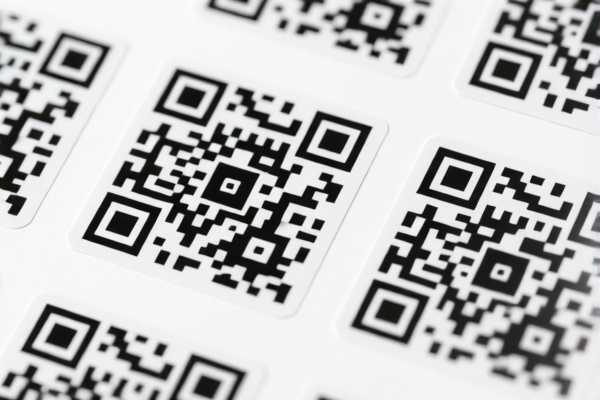
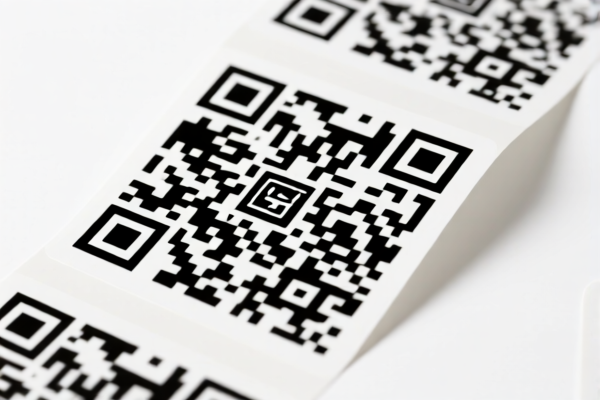
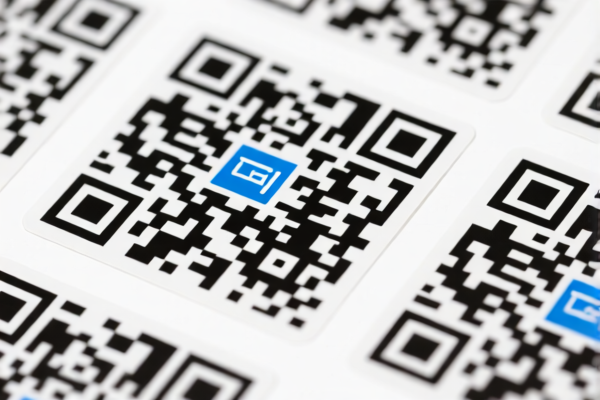
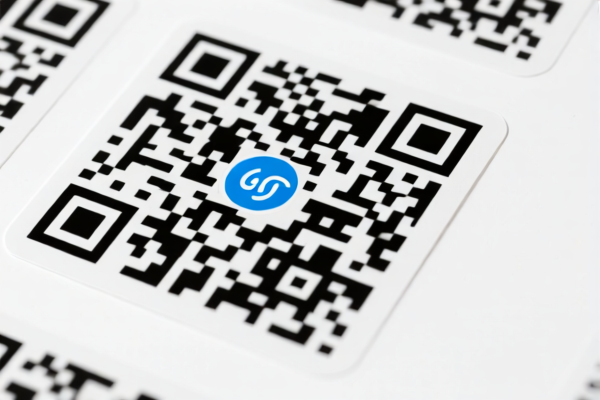
AI Analysis
🏷️ Product QR Code Label (Printed Paper Labels)
🌐 HS Code Reference & Customs Clearance Guide | 2026 Latest Tariff Analysis | Professional Clearance Strategy
📌 I. Product Definition & Classification: Do You Really Understand "QR Code Labels"?
Product QR Code Labels are essential tools in modern supply chain management, logistics, and retail. They consist of printed information (the QR code) on a backing material, typically paper or synthetic film, often with adhesive properties for easy attachment. In international trade, they fall into two broad categories based on their physical structure and manufacturing process:
Printed Paper Goods (4911 Series): Products where the primary characteristic is the printing on paper, regardless of the adhesive backing. The focus is on the informational content printed on a paper substrate.
Label & Tag Articles (4821 Series): Products specifically defined as "labels and tags," often emphasizing their self-adhesive nature or specific industrial usage as identification markers.
Self-Adhesive Plastic/Synthetic Labels (3919 Series): Note: Only applicable if the backing is primarily plastic/synthetic, not paper. However, for standard paper-based QR labels, this is less common but worth noting if materials differ.
⚠️ Key Distinction:
- If the item is primarily recognized as a printed item on paper with information, it leans towards Chapter 49.
- If the item is specifically manufactured as a self-adhesive label for industrial/logistical identification, it may lean towards Chapter 48 (Paper Labels) or Chapter 39 (Plastic Self-Adhesive).
- Critical Factor: The material of the backing (Paper vs. Plastic) and the primary function (Printed Content vs. Adhesive Labeling Device).
📦 II. HS Code Classification Details (2026 Latest Tariff Authority Comparison)
| HS Code | Product Description | Applicable Scenario | Material/Feature |
|---|---|---|---|
4911.99.60.00 |
Printed matter, other; QR Code Label Paper | Standard printed QR labels on paper backing | ✅ Paper Base, Printed Content |
4821.10.20.00 |
Labels of all kinds, of paper or paperboard, self-adhesive | Self-adhesive paper labels, often industrial | ✅ Paper Base, Self-Adhesive |
3919.10.10.10 |
Self-adhesive plates, sheets, film, foil, strip, and other flat shapes, of plastics | Rare for Paper QR Labels; Only if plastic backing | ❌ Plastic Base (Not Paper) |
4821.90.20.00 |
Labels of all kinds, of paper or paperboard, self-adhesive (other) | Generic self-adhesive paper labels | ✅ Paper Base, Self-Adhesive |
4911.99.80.00 |
Printed matter, other; Other printed products | Alternative for printed items not elsewhere specified | ✅ Paper Base, Printed Content |
🔍 Key Reminder:
- Paper-based QR code labels are primarily classified under Chapter 48 (Paper Labels) or Chapter 49 (Printed Matter).
- Plastic-based self-adhesive labels fall under Chapter 39.
- Most standard commercial QR code labels on paper backing are classified under 4821 (Self-adhesive labels) or 4911 (Printed matter).
- Misclassification between "Printed Matter" and "Self-Adhesive Labels" can lead to significant tariff differences.
💰 III. 2026 Latest Tariff Rate Details (Including Additional Taxes, Policy Add-ons)
✅ Applicable Country: United States (US)
✅ Origin: China (CN)
✅ Effective Date: From November 10, 2025 (for subsequent imports)
🎯 1. 4911.99.60.00 —— Printed Paper QR Code Labels (Printed Matter)
| Item | Content |
|---|---|
| Basic Tariff | 0% (ad valorem) |
| Section 301 Additional Tariff | +7.5% |
| Section 122 Tariff | +10% |
| Total Tariff Rate | 17.5% |
| Tax Calculation | CIF Value × 17.5% |
| De Minimis Eligibility | ❌ No (deny_de_minimis) |
| Legal Basis Path | USITC:4911.99.60.00 → Section 301:7.5% → Section 122:10% |
📌 Explanation:
- This code classifies the item as "Printed Matter" rather than a "Label."
- The total additional tax is 17.5%.
- This is relatively lower compared to self-adhesive label codes, making it a potentially favorable classification if accepted by CBP.
🎯 2. 4821.10.20.00 —— Self-Adhesive Paper Labels (Industrial/Logistical)
| Item | Content |
|---|---|
| Basic Tariff | 0% |
| Section 301 Additional Tariff | +25% |
| Section 122 Tariff | +10% |
| Total Tariff Rate | 35.0% |
| Tax Calculation | CIF Value × 35.0% |
| De Minimis Eligibility | ❌ No |
| Legal Basis Path | USITC:4821.10.20.00 → Section 301:25% → Section 122:10% |
📌 Note:
- This code emphasizes the self-adhesive nature of the product.
- The higher 25% Section 301 tariff makes this classification significantly more expensive.
- Use this only if the product is strictly defined as an "industrial label" and not just "printed matter."
🎯 3. 3919.10.10.10 —— Self-Adhesive Plastic Labels (Non-Paper)
| Item | Content |
|---|---|
| Basic Tariff | 6.5% |
| Section 301 Additional Tariff | +25% |
| Section 122 Tariff | +10% |
| Total Tariff Rate | 41.5% |
| Tax Calculation | CIF Value × 41.5% |
| De Minimis Eligibility | ❌ No |
| Legal Basis Path | USITC:3919.10.10.10 → Section 301:25% → Section 122:10% |
📌 Warning:
- This code is for plastic/polymer-based self-adhesive labels.
- Do not use for standard paper QR code labels unless the backing is predominantly plastic.
- Highest total tariff (41.5%) among the options.
🎯 4. 4821.90.20.00 —— Other Self-Adhesive Paper Labels
| Item | Content |
|---|---|
| Basic Tariff | 0% |
| Section 301 Additional Tariff | +25% |
| Section 122 Tariff | +10% |
| Total Tariff Rate | 35.0% |
| Tax Calculation | CIF Value × 35.0% |
| De Minimis Eligibility | ❌ No |
| Legal Basis Path | USITC:4821.90.20.00 → Section 301:25% → Section 122:10% |
📌 Note:
- Similar to4821.10.20.00, this code carries the 35.0% total tariff.
- It is a "catch-all" for self-adhesive paper labels not specifically listed elsewhere.
- Still significantly more expensive than the "Printed Matter" classification (4911.99.60.00).
🎯 5. 4911.99.80.00 —— Other Printed Matter
| Item | Content |
|---|---|
| Basic Tariff | 0% |
| Section 301 Additional Tariff | +7.5% |
| Section 122 Tariff | +10% |
| Total Tariff Rate | 17.5% |
| Tax Calculation | CIF Value × 17.5% |
| De Minimis Eligibility | ❌ No |
| Legal Basis Path | USITC:4911.99.80.00 → Section 301:7.5% → Section 122:10% |
📌 Note:
- This is the alternative "Printed Matter" code.
- Also benefits from the lower 17.5% total tariff.
- Use if4911.99.60.00is not deemed specific enough for your product.
🛠️ IV. Customs Clearance Practical Advice (Real-World Pitfall Guide)
✅ 1. Documentation Checklist (All Required)
| Document | Must Provide | Description |
|---|---|---|
| ✅ Product Specification Sheet | ✔️ | Material composition (paper vs. plastic), adhesive type, dimensions, printing method |
| ✅ Product Photos | ✔️ | Clear images showing the label, adhesive backing, and QR code content |
| ✅ Commercial Invoice | ✔️ | Clearly state "QR Code Labels" or "Printed Paper Labels" |
| ✅ Packing List | ✔️ | Detail quantity, weight, and packaging structure |
| ✅ Proof of Origin | ✔️ | CO (Certificate of Origin) if applicable for preferential treatment (rare for US/CN) |
| ✅ Declaration of Material | ✔️ | Confirm if backing is paper or plastic to avoid 3919 misclassification |
✅ 2. Declaration Tips (Key Mantras)
🔥 “Paper Base, Print First; Self-Adhesive, Label Risk!”
| Scenario | Correct Declaration | Wrong Practice |
|---|---|---|
| Standard QR Labels on Paper | 4911.99.60.00 or 4911.99.80.00 |
Misclassifying as 4821 → 35% Tax |
| Self-Adhesive Paper Labels | 4821.10.20.00 or 4821.90.20.00 |
Misclassifying as 3919 → 41.5% Tax |
| Plastic-Based QR Labels | 3919.10.10.10 |
Misclassifying as Paper → Compliance Risk |
| Mixed Paper/Plastic | Analyze Primary Material | Vague Description → Delay/Seizure |
✅ 3. Special Cases Handling
| Scenario | Handling Advice |
|---|---|
| Custom Printed Labels | Provide design proof and printing specs to justify "Printed Matter" classification |
| Rolls of Labels | Still classified by material; rolls don’t change the code |
| Blank Labels vs. Printed | Blank paper labels may still fall under 4821 if intended for labeling; Printed ones lean to 4911 |
| Digital Printing on Paper | Emphasize "Printed Matter" to争取 lower tariffs |
🌍 V. Global Market Comparison (2026 Latest)
| Country/Region | Recommended HS Code | Tariff (CN Origin) | Certification | Notes |
|---|---|---|---|---|
| 🇺🇸 USA | 4911.99.60.00 |
17.5% | None specific | Lowest tariff for paper-based QR labels |
| 🇪🇺 EU | 4911.99.00 |
6.5% | CE (if applicable) | No Section 301/122 equivalents |
| 🇨🇳 China | 4911.99.00 |
6.5% | N/A | Standard import tariff |
| 🇬🇧 UK | 4911.99.00 |
6.5% | N/A | Post-Brexit tariffs align with EU |
📌 Conclusion:
- USA is the only major market with significant additional tariffs (Section 301 & 122).
- Choosing the correct HS Code is critical:4911(Printed Matter) is much cheaper than4821(Self-Adhesive Labels) or3919(Plastic Labels).
- For US imports, prioritize "Printed Matter" classification for paper-based QR codes.
📌 VI. Common Mistakes & Pitfall Guide (Lessons Learned)
❌ Mistake 1: Classifying all QR labels as "Self-Adhesive Labels" (4821)
👉 Consequence: Tax jumps from 17.5% to 35% → Double the cost!
❌ Mistake 2: Using 3919 for paper-backed labels
👉 Consequence: 41.5% Tax + compliance risk for misrepresentation → Seizure/Fine!
❌ Mistake 3: Vague description "Labels"
👉 Consequence: CBP may assign the highest applicable duty → Risk of 35-41.5%
✅ Correct Practice:
“Printed QR Code Labels on Paper Backing, for Product Identification, Model XYZ”
(Emphasize “Printed” and “Paper” to support4911classification)
🎯 VII. Conclusion: Professional Declaration, Save Time, Reduce Cost!
🎯 Remember the Mantra:
🔹 “Paper + Print = 17.5%; Self-Adhesive Paper = 35%; Plastic = 41.5%”
🔹 “Choose4911for Paper QR Labels in the US to save 50%!”
📌 Pro Tip:
- If your QR labels are printed on paper, argue for Chapter 49 (Printed Matter) to benefit from the lower 17.5% tariff.
- If they are pre-made self-adhesive rolls for industrial use, you may be forced into Chapter 48 (Labels) at 35%.
- Request an Advance Ruling (CBP) if unsure. The cost of a ruling is far less than 17.5% vs. 35% difference on large shipments.
📣 Immediate Action:
📞 Contact your customs broker with product photos and material specs
📝 Specify “Printed Paper Labels” in your commercial invoice
🚀 Clearance Smooth, Cost Low, Profit High!
✨ Professional Customs Clearance Starts with Accurate Classification!
💼 Every Percent Saved is Pure Profit!
Customer Reviews
About HS Code Classification
The Harmonized System (HS) is an internationally standardized nomenclature developed by the World Customs Organization (WCO) to classify traded products. Over 200 countries use the HS system as the basis for customs tariffs, trade statistics, and import/export regulations.
Each HS code follows a hierarchical structure:
- Chapter (2 digits) — Broad category of goods (e.g., Chapter 84: Machinery and Mechanical Appliances)
- Heading (4 digits) — More specific grouping within the chapter
- Subheading (6 digits) — Internationally standardized breakdown, used by all WCO member countries
- National subdivisions (8-10 digits) — Country-specific extensions for further classification, such as US HTSUS 10-digit codes
Correct HS code classification is essential for smooth customs clearance, accurate duty payment, and compliance with trade regulations. Misclassification can lead to customs delays, overpayment of duties, or penalties.
When importing from CN to US, the applicable tariff rates may include:
- Most-Favored-Nation (MFN) rate — The standard duty rate applied to WTO members
- General rate — Applied to countries without trade agreements
- Trade remedy duties — Additional tariffs such as Section 301 (anti-dumping), Section 232 (national security), or countervailing duties
The information provided on this page is for reference purposes only. For official classification, please consult with your local customs authority or a licensed customs broker.