Professional Baseball Gloves
CN → US| HS Code | Tariff Rate | Origin | Destination | Doc |
|---|---|---|---|---|
| 4203212000 | 38.0% | CN | US | Official Doc |
| 4203214000 | 35.0% | CN | US | Official Doc |
| 6116100800 | 20.3% | CN | US | Official Doc |
| 6216000800 | 18.3% | CN | US | Official Doc |
| 6116930800 | 20.3% | CN | US | Official Doc |
Product Images
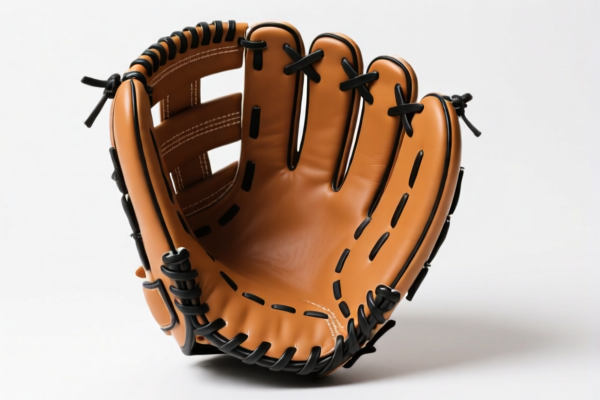
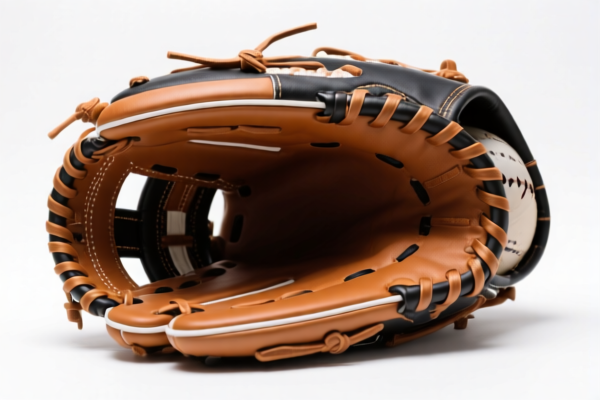
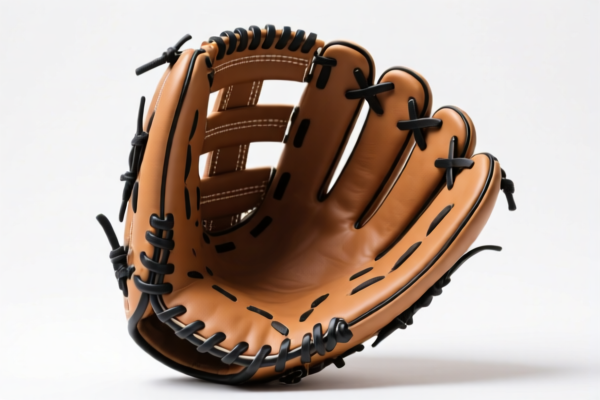
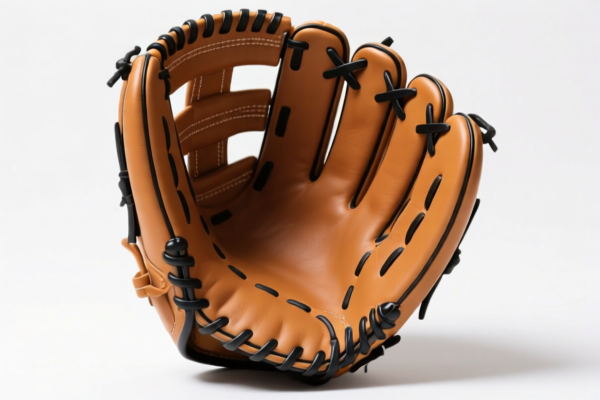
AI Analysis
🧤 Professional Baseball Gloves: HS Code Classification & U.S. Customs Clearance Guide | 2026 Tax Insights
🌐 HS Code Reference & Customs Strategy | Latest Tariff Analysis for U.S. Imports
Baseball gloves are specialized sporting goods designed to protect the hand and catch the ball. In international trade, their classification depends heavily on material composition (leather vs. synthetic/rubber) and specific design features (left-handed vs. right-handed, functional coatings).
⚠️ Critical Note for U.S. Imports:
Due to current trade policies (Section 301 and Section 122), imports from China face significant additional tariffs. The total tax burden can range from 18.3% to 38.0%, depending on the precise HS Code classification. Misclassification can lead to severe penalties or retroactive tax demands.
📦 二、HS Code Classification Matrix (2026 Data)
The following table details the specific HS Codes, their descriptions, and applicable tax rates based on the provided data.
| HS Code | Product Description | Key Characteristics | Total Tax Rate | Tax Breakdown |
|---|---|---|---|---|
| 4203.21.20.00 | Leather Baseball Gloves | Material: Genuine Leather Use: Baseball Gloves |
38.0% | Base: 3.0% Section 301: 25.0% Section 122: 10% |
| 4203.21.40.00 | Leather Baseball Gloves | Material: Leather Use: Baseball & Softball Gloves |
35.0% | Base: 0.0% Section 301: 25.0% Section 122: 10% |
| 6116.10.08.00 | Left-Handed Baseball Gloves | Form: Glove Use: Sports Material: Coated/Functional |
20.3% | Base: 2.8% Section 301: 7.5% Section 122: 10% |
| 6216.00.08.00 | Left-Handed Baseball Gloves | Form: Glove Use: Sports Protective Gear Material: Leather or Plastic/Rubber Coated |
18.3% | Base: 0.8% Section 301: 7.5% Section 122: 10% |
| 6116.93.08.00 | Left-Handed Baseball Gloves | Form: Glove Use: Sports Material: Synthetic Fiber or Leather |
20.3% | Base: 2.8% Section 301: 7.5% Section 122: 10% |
🔍 Key Differentiators:
- Chapter 42 (Leather Goods): Applies to gloves primarily made of leather (4203.21.x). Generally higher base tariffs but subject to the same additional duties. - Chapter 61/62 (Apparel/Accessories): Applies to gloves that may be coated, synthetic, or specifically designated as "Left-Handed" sports gear. These often have lower base tariffs. - Section 122: A specific additional duty (10%) applicable to these items under current trade measures.
💰 三、Tariff Rate Detailed Analysis (U.S. Market)
🎯 1. Leather-Based Gloves (HS 4203.21.xx)
High-value, traditional goods often classified under leather accessories.
A. HS Code 4203.21.20.00
- Description: Leather Baseball Gloves
- Total Tax: 38.0%
- Component Breakdown:
- Base Duty: 3.0%
- Section 301 Duty: 25.0%
- Section 122 Duty: 10.0%
- Strategy: This code is used for standard leather baseball gloves. The 38% rate is the highest in the dataset. Ensure the product is genuinely leather to justify this classification. If it's partially synthetic, consider Chapter 61/62 for lower rates.
B. HS Code 4203.21.40.00
- Description: Leather Baseball Gloves (Baseball & Softball)
- Total Tax: 35.0%
- Component Breakdown:
- Base Duty: 0.0%
- Section 301 Duty: 25.0%
- Section 122 Duty: 10.0%
- Strategy: This code offers a slightly better rate (35% vs 38%) due to a 0% base duty. It specifically covers both baseball and softball gloves. If your product is marketed for both sports, this code may be preferable.
🎯 2. Coated/Synthetic/Left-Handed Gloves (HS 6116/6216)
Often associated with technical sports gear or specific directional use.
C. HS Code 6116.10.08.00
- Description: Left-Handed Baseball Gloves (Coated/Functional Material)
- Total Tax: 20.3%
- Component Breakdown:
- Base Duty: 2.8%
- Section 301 Duty: 7.5%
- Section 122 Duty: 10.0%
- Strategy: This code targets gloves with coated or functional materials. The Section 301 rate is significantly lower (7.5% vs 25%). Crucial: The description specifies "Left-Handed." Ensure your product is explicitly marketed and packaged as a left-handed glove to qualify.
D. HS Code 6216.00.08.00
- Description: Left-Handed Baseball Gloves (Sports Protective Gear)
- Total Tax: 18.3%
- Component Breakdown:
- Base Duty: 0.8%
- Section 301 Duty: 7.5%
- Section 122 Duty: 10.0%
- Strategy: Lowest Tax Rate. Applies to left-handed gloves described as sports protective gear, which may contain leather or plastic/rubber coatings. To use this code, the product must be clearly identified as a left-handed item and fit the "protective gear" description.
E. HS Code 6116.93.08.00
- Description: Left-Handed Baseball Gloves (Synthetic/Leather Blend)
- Total Tax: 20.3%
- Component Breakdown:
- Base Duty: 2.8%
- Section 301 Duty: 7.5%
- Section 122 Duty: 10.0%
- Strategy: Similar to C, but for gloves made of synthetic fiber or a leather mix. Also requires the "Left-Handed" designation.
🛠️ 四、Customs Clearance Practical Advice
✅ 1. Documentation Checklist (Must-Have)
| Document | Required? | Notes |
|---|---|---|
| Commercial Invoice | ✅ Yes | Must clearly state "Baseball Gloves," material composition (e.g., "100% Leather" or "Coated Synthetic"), and hand orientation ("Left-Handed"). |
| Packing List | ✅ Yes | Detail contents per carton. |
| Product Specifications | ✅ Yes | Include material breakdown, lining type, and any coatings. |
| Material Test Report | ✅ Yes | If claiming synthetic/coated materials, a lab report supporting the material claim is crucial to avoid reclassification to higher-duty leather codes. |
| Labeling | ✅ Yes | Labels on the product itself should indicate "Left Hand" or "Right Hand" to support the HS Code choice. |
✅ 2. Classification Strategy & Pitfalls
| Scenario | Recommended HS Code | Risk of Misclassification |
|---|---|---|
| Standard Leather Glove (Right-Handed) | 4203.21.20.00 or 4203.21.40.00 |
High risk if labeled as synthetic. Ensure material proof. |
| Left-Handed Coated Glove | 6116.10.08.00 or 6216.00.08.00 |
Critical: If the glove is not explicitly left-handed, you may be forced into Chapter 42 with higher taxes. |
| Multi-Purpose Glove (Baseball/Softball) | 4203.21.40.00 |
If it's clearly for both, this code is safer than 4203.21.20.00. |
| Glove with Leather Trim & Synthetic Body | 6116.93.08.00 |
Ensure the principal material is not leather. If leather is the main component, Chapter 42 may apply. |
📌 Expert Tip:
The difference between 38.0% and 18.3% is massive. If your product is a left-handed glove with functional coating, 6216.00.08.00 saves nearly 20% in taxes. However, you must provide evidence that it is a left-handed glove and fits the "protective gear" definition.
✅ 3. Special Considerations for U.S. Imports
- Section 122 Duty (10%): This is a specific additional duty. Ensure your customs broker is applying the correct footnote code for Section 122 to avoid underpayment.
- Section 301 Duty:
- For Chapter 42 (Leather): 25% additional duty.
- For Chapter 61/62 (Coated/Synthetic): Only 7.5% additional duty.
- Strategy: If possible, design or label products to fall under Chapter 61/62 (e.g., by emphasizing coated materials or left-handed designation) to reduce the Section 301 burden from 25% to 7.5%.
- De Minimis: ❌ Not Eligible. These goods are subject to full tariff assessment and do not qualify for de minimis exemptions.
🌍 五、Market Comparison & Conclusion
| Market | Typical HS Code for Baseball Gloves | Estimated Total Duty (incl. China Surcharges) | Notes |
|---|---|---|---|
| 🇺🇸 USA | 4203.21.20.00 / 6216.00.08.00 |
18.3% – 38.0% | High due to Section 301 & 122. Classification is key. |
| 🇨🇳 China | 4203.21 / 6116 | ~5% - 10% | No additional Section 301/122 duties. |
| 🇪🇺 EU | 4203.29 / 6116 | ~0% - 4% | Generally lower base duties, no similar surcharges. |
🎯 Final Recommendations
- Audit Your Product Labeling: If you have left-handed gloves, ensure they are clearly marked. This opens the door to lower-tax codes (6216.00.08.00).
- Material Declaration: Be precise. "Leather" vs. "Coated Synthetic" determines the Chapter and the Section 301 rate (25% vs 7.5%).
- Consult a Customs Broker: Before shipping, provide samples and material specs to your broker for a Pre-Ruling. The 19.7% difference between the highest and lowest codes is worth professional advice.
- Invoice Description: Use clear, unambiguous language. Example: "Left-Handed Baseball Glove, Coated Synthetic Material, Sports Protective Gear."
📌 六、Common Mistakes to Avoid
❌ Mistake 1: Calling all baseball gloves "Leather Gloves" even if they are coated synthetic.
👉 Result: Misclassification → Potential back-taxes + penalties.
❌ Mistake 2: Omitting "Left-Handed" on the invoice for left-handed gloves.
👉 Result: Forced into Chapter 42 leather codes → Higher tax (35-38% vs 18-20%).
❌ Mistake 3: Ignoring Section 122.
👉 Result: Underpayment of the mandatory 10% additional duty.
✅ Correct Approach:
"Precise Material + Clear Hand Orientation = Optimized Tariff."
📣 Action Item:
Review your product specifications against the 5 HS Codes above. Identify the best fit based on material and hand orientation. Prepare documentation to support that classification to minimize the 18.3% - 38.0% tax burden.
✨ Smart Classification, Smarter Savings!
💼 Every percentage point counts in international trade.
Customer Reviews
About HS Code Classification
The Harmonized System (HS) is an internationally standardized nomenclature developed by the World Customs Organization (WCO) to classify traded products. Over 200 countries use the HS system as the basis for customs tariffs, trade statistics, and import/export regulations.
Each HS code follows a hierarchical structure:
- Chapter (2 digits) — Broad category of goods (e.g., Chapter 84: Machinery and Mechanical Appliances)
- Heading (4 digits) — More specific grouping within the chapter
- Subheading (6 digits) — Internationally standardized breakdown, used by all WCO member countries
- National subdivisions (8-10 digits) — Country-specific extensions for further classification, such as US HTSUS 10-digit codes
Correct HS code classification is essential for smooth customs clearance, accurate duty payment, and compliance with trade regulations. Misclassification can lead to customs delays, overpayment of duties, or penalties.
When importing from CN to US, the applicable tariff rates may include:
- Most-Favored-Nation (MFN) rate — The standard duty rate applied to WTO members
- General rate — Applied to countries without trade agreements
- Trade remedy duties — Additional tariffs such as Section 301 (anti-dumping), Section 232 (national security), or countervailing duties
The information provided on this page is for reference purposes only. For official classification, please consult with your local customs authority or a licensed customs broker.