Protective Case Set
CN → US| HS Code | Tariff Rate | Origin | Destination | Doc |
|---|---|---|---|---|
| 8517790000 | 67.5% | CN | US | Official Doc |
| 8517130000 | 10.0% | CN | US | Official Doc |
| 4202929400 | 52.6% | CN | US | Official Doc |
| 4202929700 | 52.6% | CN | US | Official Doc |
| 8517790000 | 67.5% | CN | US | Official Doc |
Product Images
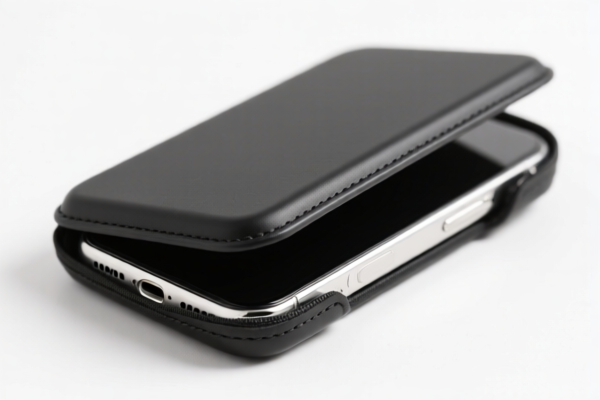
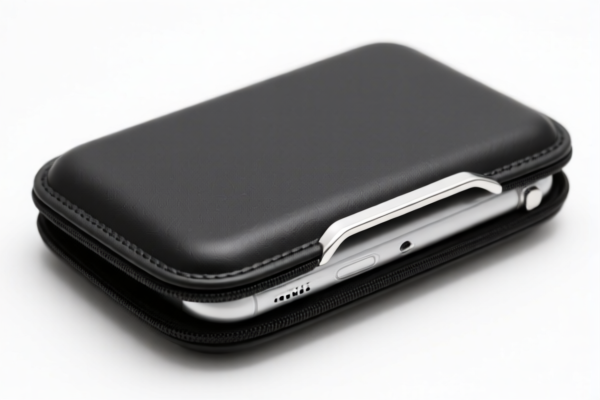


AI Analysis
🛡️ Protective Case Set: The Ultimate HS Code & Tariff Guide (2026 Edition)
🌐 Global Trade Compliance | Customs Clearance Strategy | Tax Optimization
Based on Official Data & Latest 2026 Tariff Schedules
🚀 I. Product Definition: What is a "Protective Case Set"?
A Protective Case Set is a composite consumer good consisting of an outer shell, lining, and often decorative elements designed to shield electronic devices (smartphones, tablets, laptops) or personal items from impact, dust, and moisture.
In international trade, classification depends heavily on Material Composition and Primary Function: 1. Tech-Accessory Type: Specifically designed as a part/component for a communication device (Phone/Tablet). 2. General Container Type: A generic container/box for carrying items, often with decorative patterns (e.g., cartoons).
⚠️ Critical Distinction:
- If it is a part of a phone (fits a specific model, has no independent utility) → HS 8517 (Telecom Parts).
- If it is a container (holds a phone but acts as a case/box) → HS 4202 (Travel Goods/Containers).
📦 II. HS Code Classification Matrix (2026 Analysis)
Based on the provided dataset, here is the breakdown of the four primary classification paths for "Protective Case Set":
| HS Code | Product Description | Key Classification Logic | Material / Feature |
|---|---|---|---|
8517.79.00.00 |
Plastic Protective Case (Tech Part) | Communication Device Parts Matches the "Residual/兜底" clause for telecom accessories. |
Plastic Fits specific devices |
8517.13.00.00 |
Plastic Shell (Component) | Component Logic Classified purely as a "Shell/Part" without specific telecom conflict. |
Plastic Shell form only |
4202.92.94.00 |
Cartoon/Decorative Case | Container/Box Logic Treated as a case/box with decorative (cartoon) attributes. |
Plastic or Textile Decorative Surface |
4202.92.97.00 |
Cartoon Case (Silicone/Plastic) | Flexible Container Logic Shell type, compatible with plastic/silicone outer layers. |
Plastic or Silicone Flexible Material |
🔍 Analysis:
-8517.79.00.00is the most specific for phone parts, attracting the highest penalties due to "Steel/Aluminum/Copper" tariff clauses.
-4202.92.94.00is often used for cartoon designs, where the "container" aspect overrides the "tech part" aspect.
-8517.13.00.00is a "cleaner" classification for generic plastic shells, avoiding specific material surcharges.
💰 III. 2026 Tariff Rate Deep Dive (High & Low Scenarios)
✅ Jurisdiction: Global Trade (US/China Context based on 122 Clauses)
✅ Focus: Detailed breakdown of "Base Duty" + "Section 301" + "122 Clause" Surcharges.
🎯 Scenario A: The "High Penalty" Zone (Tech Parts)
Target HS Codes: 8517.79.00.00
Description: Plastic Protective Case (Communication Equipment Parts)
| Component | Rate | Legal Basis / Logic |
|---|---|---|
| Base Tariff | 0.0% | Standard MFN rate for telecom parts. |
| Section 301 Surcharge | 7.5% | Additional duty imposed on specific Chinese tech imports. |
| 122 Clause Surcharge | 50% | CRITICAL: Applies to products containing Steel, Aluminum, or Copper components (e.g., metal screws, frames). |
| TOTAL EFFECTIVE RATE | 67.5% | 0% + 7.5% + 50% = 67.5% |
🚨 Risk Alert:
If your "Plastic Case" contains any metal fasteners, clips, or frames, the 50% "Steel/Aluminum/Copper" surcharge applies immediately. This makes the total tax 67.5%, nearly doubling the cost.
🎯 Scenario B: The "Low Penalty" Zone (Generic Shell)
Target HS Code: 8517.13.00.00
Description: Plastic Protective Case (Shell Component)
| Component | Rate | Legal Basis / Logic |
|---|---|---|
| Base Tariff | 0.0% | Standard rate. |
| Section 301 Surcharge | 0.0% | No additional Section 301 surcharge applied in this specific classification. |
| 122 Clause Surcharge | 10% | Applies to "Steel/Aluminum/Copper" items under the specific 10% clause. |
| TOTAL EFFECTIVE RATE | 10.0% | 0% + 0% + 10% = 10.0% |
💡 Strategic Win:
By classifying as a generic "Shell" (8517.13.00.00) rather than a specific "Telecom Part" (8517.79.00.00), you avoid the 7.5% Section 301 tax. However, you still face a 10% surcharge if metal components are present.
🎯 Scenario C: The "Decorative/Container" Zone (Cartoon Cases)
Target HS Codes: 4202.92.94.00 & 4202.92.97.00
Description: Cartoon/Decorative Protective Cases
| Component | Rate | Legal Basis / Logic |
|---|---|---|
| Base Tariff | 17.6% | Standard duty for textile/plastic containers (4202 chapter). |
| Section 301 Surcharge | 25.0% | High surcharge applied to Chinese textile/plastic goods. |
| 122 Clause Surcharge | 10% | Applies if metal components exist. |
| TOTAL EFFECTIVE RATE | 52.6% | 17.6% + 25.0% + 10% = 52.6% |
⚠️ Note: While these cases avoid the "Tech Part" stigma, they suffer from High Base Duty (17.6%) and High 301 Surcharge (25%).
🛠️ IV. Customs Clearance Strategy & Expert Advice
✅ 1. Material Declaration (The "Metal" Trap)
- The Issue: The 50% surcharge (
8517.79.00.00) is triggered by the presence of Steel, Aluminum, or Copper. - The Fix:
- Audit Your BOM (Bill of Materials): Ensure the case contains NO metal screws, metal clips, metal logos, or metal frames.
- Material Swap: If metal is required for durability, switch the classification to
8517.13.00.00(10% total) if possible, but verify if the 10% clause still applies to the metal part. - Declaration: Explicitly state "100% Plastic/Silicone, No Metal Components" on the commercial invoice to avoid the 50% penalty.
✅ 2. Classification Optimization: "Part" vs. "Container"
- Strategy: If the case is purely plastic and fits a phone,
8517.13.00.00(10%) is significantly cheaper than8517.79.00.00(67.5%) or4202(52.6%). - Condition: The product must be defensible as a "Shell/Part" without specific "Cartoon" or "Container" attributes that push it into the
4202category. - Visuals: Avoid heavy cartoon graphics that trigger the
4202classification unless the base duty is lower for your specific market (rarely the case for China-origin goods).
✅ 3. Documentation Requirements (Pre-Shipment Checklist)
| Document | Requirement | Why It Matters |
|---|---|---|
| Detailed Material List | Must specify "100% Plastic" or "Silicone" | Crucial to avoid the 50% Steel/Aluminum/Copper surcharge. |
| Product Photos | Show NO metal parts, hinges, or clips | Customs officers verify physical compliance. |
| Function Statement | "Protective Shell for Phone" (Not "Container for Phone") | Prevents misclassification into 4202 (52.6%). |
| Origin Declaration | Country of Origin (CN) | Determines applicability of 301 and 122 clauses. |
🚀 V. Quick Reference: Tariff Comparison
| Scenario | HS Code | Total Tax Rate | Risk Level | Recommendation |
|---|---|---|---|---|
| Tech Part + Metal | 8517.79.00.00 |
67.5% | 🔴 Critical | Avoid! Contains metal triggers 50% surcharge. |
| Generic Plastic Shell | 8517.13.00.00 |
10.0% | 🟢 Low | Best Option if no metal. Low base + low surcharge. |
| Cartoon/Decorative | 4202.92.94/97 |
52.6% | 🟠 Medium-High | High Base Duty (17.6%) + High 301 (25%). |
| Pure Plastic (No Metal) | 8517.13.00.00 |
10.0% | 🟢 Low | Optimal Strategy for cost efficiency. |
📌 VI. Final Verdict: The "Golden Rule" for 2026
🔥 "No Metal, No 50% Tax!"
To minimize costs on Protective Case Sets: 1. Eliminate Metal: Ensure 0% Steel/Aluminum/Copper content. 2. Classify Correctly: Aim for8517.13.00.00(10% Total Tax) instead of8517.79.00.00(67.5%). 3. Avoid "Cartoon" Traps: If possible, avoid decorative patterns that force classification into4202(52.6%). 4. Verify BOM: A simple screw can turn a 10% tax case into a 67.5% tax nightmare.
📣 Action Plan
- Check BOM: Remove all metal fasteners immediately.
- Update Invoice: Describe as "Plastic Protective Shell (No Metal)".
- Select HS Code: Default to
8517.13.00.00for the lowest liability (10%). - Consult Customs: For large shipments, apply for a Binding Tariff Ruling (BTR) to lock in the 10% rate.
✨ Pro Tip: If you must use metal parts, calculate the cost of 10% (Generic Shell) vs 50% (122 Clause). Sometimes, redesigning the case to be 100% plastic saves thousands in duty!
Disclaimer: Tariff rates are subject to change based on 2026 US Trade Policy, Section 301, and Section 122 clauses. Always consult a certified Customs Broker before filing.
Customer Reviews
About HS Code Classification
The Harmonized System (HS) is an internationally standardized nomenclature developed by the World Customs Organization (WCO) to classify traded products. Over 200 countries use the HS system as the basis for customs tariffs, trade statistics, and import/export regulations.
Each HS code follows a hierarchical structure:
- Chapter (2 digits) — Broad category of goods (e.g., Chapter 84: Machinery and Mechanical Appliances)
- Heading (4 digits) — More specific grouping within the chapter
- Subheading (6 digits) — Internationally standardized breakdown, used by all WCO member countries
- National subdivisions (8-10 digits) — Country-specific extensions for further classification, such as US HTSUS 10-digit codes
Correct HS code classification is essential for smooth customs clearance, accurate duty payment, and compliance with trade regulations. Misclassification can lead to customs delays, overpayment of duties, or penalties.
When importing from CN to US, the applicable tariff rates may include:
- Most-Favored-Nation (MFN) rate — The standard duty rate applied to WTO members
- General rate — Applied to countries without trade agreements
- Trade remedy duties — Additional tariffs such as Section 301 (anti-dumping), Section 232 (national security), or countervailing duties
The information provided on this page is for reference purposes only. For official classification, please consult with your local customs authority or a licensed customs broker.