Protective Film Repair
CN → US| HS Code | Tariff Rate | Origin | Destination | Doc |
|---|---|---|---|---|
| 3919905060 | 40.8% | CN | US | Official Doc |
| 3919905040 | 40.8% | CN | US | Official Doc |
| 3920991000 | 41.0% | CN | US | Official Doc |
| 3920992000 | 39.2% | CN | US | Official Doc |
| 3919102055 | 40.8% | CN | US | Official Doc |
Product Images
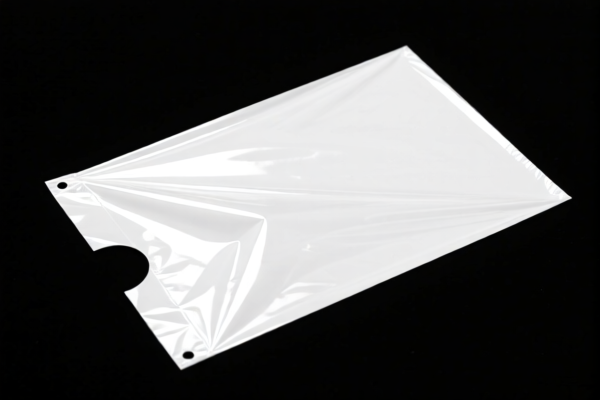
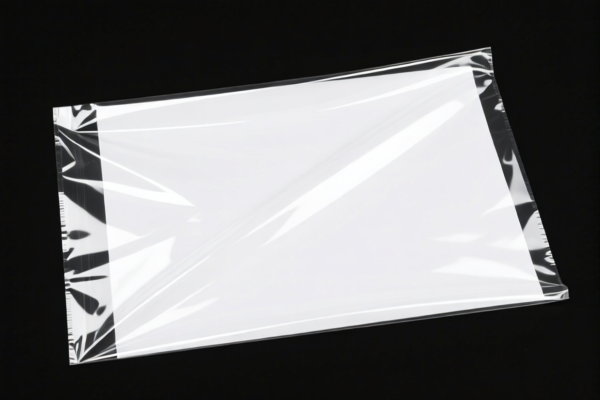
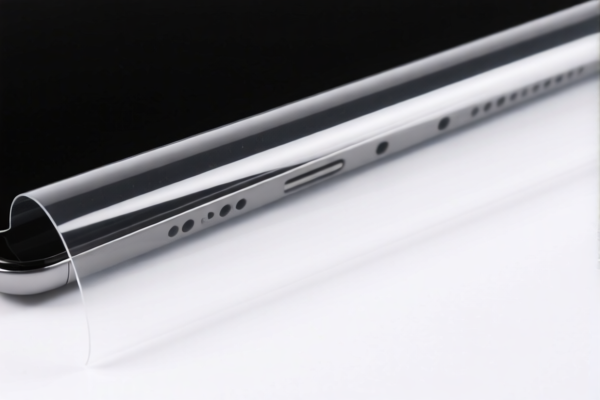
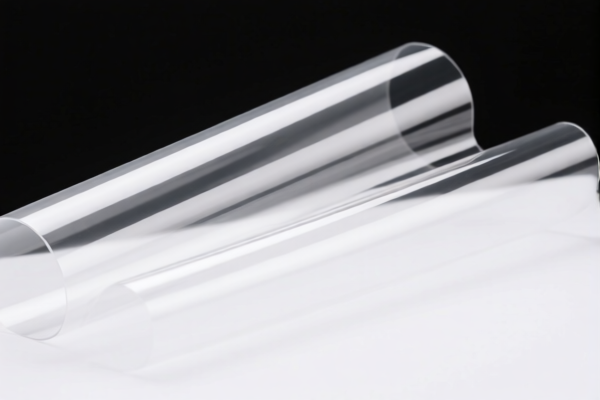
AI Analysis
🛡️ Protective Film / Screen Protector Repair Solutions
🌐 HS Code Reference & Customs Clearance Guide | 2026 Latest Tariff Analysis | Professional Entry Strategy
📌 1. Product Definition & Classification: Do You Really Understand "Protective Film"?
Protective films (often referred to as screen protectors or liquid repair films in this context) are essential accessories for consumer electronics and industrial surfaces. In international trade, they are primarily classified under Chapter 39 (Plastics and Articles Thereof), specifically focusing on self-adhesive films and sheets.
Key Distinction in Classification:
The HS Code depends heavily on two factors:
1. Form & Function: Is it a standard self-adhesive sheet (screen protector) or a specialized coating/liquid repair film?
2. Material & Structure: Is it merely a plastic sheet (PE, PET, TPU) or does it have specific self-adhesive properties that define its chapter heading?
⚠️ Critical Differentiation Point:
- Standard Screen Protectors: Typically fall under 3919 (Self-adhesive plates, sheets, film, etc.) if they are self-adhesive.
- Non-Self-Adhesive Plastic Sheets: If the adhesive layer is added later or not present at import, they may fall under 3920 (Other plates, sheets, film, foil, and strip).
- Liquid Repair Films: Specialized polymer coatings applied as liquids that cure into a film may also be classified under 3919 or 3920 depending on their immediate physical state and intended use as a "film."
📦 2. HS Code Classification Details (2026 Latest Tariff Authority Comparison)
| HS Code | Product Description | Application Scenario | Tax Rate (US from CN) |
|---|---|---|---|
3919.90.50.60 |
Protective Film (Screen Protector), Film Form, Plastic Material, Self-Adhesive Flat Shape | Standard self-adhesive screen protectors, flexible plastic films with adhesive backing | 40.8% |
3919.90.50.40 |
Protective Film, Film Form, Plastic/PET Material, Self-Adhesive | Self-adhesive plastic plates/sheets/films, generic screen protectors | 40.8% |
3920.99.10.00 |
Protective Film, Film Form, Plastic (PET/TPU), Non-Self-Adhesive Base | Plastic sheets/films (e.g., raw PET/TPU sheets) before adhesive application or specific non-adhesive variants | 41.0% |
3920.99.20.00 |
Protective Film, Sheet/Film Form, Plastic Material | Other plastic materials, general purpose plastic sheets | 39.2% |
3919.10.20.55 |
Liquid Repair Film, Thin Film, Polymer-Based | Specialized polymer coatings, liquid-to-film repair solutions, self-healing layers | 40.8% |
🔍 Key Reminder:
- Self-Adhesive Status is King: If the product arrives with adhesive already applied (ready for use), it strongly points to Heading 3919.
- Material Composition: PET (Polyethylene Terephthalate) and TPU (Thermoplastic Polyurethane) are the most common materials. If classified as "Other Plastics" under 3920, rates may vary slightly.
- "Liquid" vs. "Film": Even if applied as a liquid, if the final form is a thin plastic/polymer film, it is still often captured under 3919 or 3920 rather than chemical coatings (Chapter 32), depending on specific formulation and customs interpretation.
💰 3. 2026 Latest Tariff Rate Breakdown (Including Surcharges & Policy Additions)
✅ Applicable Country: United States (US)
✅ Origin: China (CN)
✅ Effective Time: 2025 November 10 onwards (including subsequent imports)
🎯 1. 3919.90.50.60 & 3919.90.50.40 & 3919.10.20.55 —— Self-Adhesive Protective Films & Liquid Repair Films
| Item | Content |
|---|---|
| Base Tariff | 5.8% (Ad Valorem) |
| Section 301 Surcharge (Add-on Tariff) | +25.0% |
| Section 122 Surcharge | +10.0% |
| Total Effective Tax Rate | 40.8% |
| Tax Calculation | CIF Value × 40.8% |
| De Minimis Eligibility | ❌ Not Eligible (High tax rate exceeds de minimis thresholds for practical exemption; strict enforcement applies) |
| Legal Authority Path | USITC:3919.90.50.xx / 3919.10.20.55 → Section 301 Footnote → Section 122 Provision |
📌 Explanation:
- "Base Tariff 5.8%": The standard MFN (Most Favored Nation) duty rate for self-adhesive plastic films.
- "Section 301 Surcharge 25%": Imposed under the US Trade Act of 1974, Section 301, targeting specific Chinese goods, including plastics and articles thereof.
- "Section 122 Surcharge 10%": A provision under Section 122 of the Trade Act of 1962, allowing the President to adjust tariffs for national security or balance of payments reasons, currently applied to certain imports from China.
- Total 40.8%: This is a very high tariff burden. Importers must account for this in their landed cost calculations. Misclassification to avoid this is risky and subject to penalties.
🎯 2. 3920.99.10.00 —— Other Plastic Sheets/Films (Non-Self-Adhesive or Specific Plastic Types)
| Item | Content |
|---|---|
| Base Tariff | 6.0% (Ad Valorem) |
| Section 301 Surcharge (Add-on Tariff) | +25.0% |
| Section 122 Surcharge | +10.0% |
| Total Effective Tax Rate | 41.0% |
| Tax Calculation | CIF Value × 41.0% |
| De Minimis Eligibility | ❌ Not Eligible |
| Legal Authority Path | USITC:3920.99.10.00 → Section 301 Footnote → Section 122 Provision |
📌 Note:
- Slightly higher total rate than 3919 due to a higher base tariff (6.0% vs 5.8%).
- Applies to PET/TPU sheets that do not meet the strict "self-adhesive" definition of 3919 at the time of import, or specific sub-categories of other plastics.
🎯 3. 3920.99.20.00 —— Other Plastic Materials
| Item | Content |
|---|---|
| Base Tariff | 4.2% (Ad Valorem) |
| Section 301 Surcharge (Add-on Tariff) | +25.0% |
| Section 122 Surcharge | +10.0% |
| Total Effective Tax Rate | 39.2% |
| Tax Calculation | CIF Value × 39.2% |
| De Minimis Eligibility | ❌ Not Eligible |
| Legal Authority Path | USITC:3920.99.20.00 → Section 301 Footnote → Section 122 Provision |
📌 Note:
- The lowest rate among the four, but still extremely high.
- Applies to "other plastic" items that don't fit the specific descriptions of 3920.99.10.00. Caution is advised here; if the product is clearly a screen protector, customs may reclassify it to 3919, potentially leading to audits if under-declared.
🛠️ 4. Customs Clearance Practical Advice (Battle-Tested Pitfall Avoidance)
✅ 1. Documentation Checklist (No Omissions Allowed)
| Document | Mandatory? | Description |
|---|---|---|
| ✅ Product Specification Sheet | ✔️ | Must detail material (PET/TPU/PE), thickness, adhesive type, and whether it is self-adhesive. |
| ✅ Product Photos (Front/Back/Side) | ✔️ | Clearly show the product form (roll, sheet, roll with liner). For liquid repair, show packaging and application instructions. |
| ✅ Commercial Invoice | ✔️ | Must accurately describe the product. Avoid vague terms like "Plastic Sheet." Use "Self-Adhesive Screen Protector Film." |
| ✅ Packing List | ✔️ | Detail weight, dimensions, and quantity. Ensure consistency with invoice. |
| ✅ Origin Certificate (CO) | ✔️ | Proof of Chinese origin is critical for applying the correct surcharges. |
| ✅ Test Reports (Optional but Recommended) | ✔️ | FCC, RoHS, or REACH compliance reports to prove the product is not hazardous and meets safety standards. |
✅ 2. Declaration Strategies (Key Mantras)
🔥 “Adhesive Defines Chapter, Material Defines Subheading, Origin Triggers Surcharge!”
| Scenario | Correct Declaration | Common Mistake | Consequence |
|---|---|---|---|
| Screen Protector with Adhesive Backing | 3919.90.50.60 or 3919.90.50.40 |
Declare as 3920.99.20.00 (Non-adhesive) |
High Risk of Rejection/Reclassification. If discovered, back taxes + penalties. |
| PET/TPU Sheet without Adhesive | 3920.99.10.00 |
Declare as 3919 |
Underpayment. Customs will assess additional duties. |
| Liquid Repair Film (Cured/Ready-to-Use) | 3919.10.20.55 |
Declare as Chemical Coating (Chapter 32) | Misclassification. May face different regulatory requirements. |
| Bulk Raw Plastic Film (For Further Processing) | 3920.99.20.00 |
Declare as Finished Screen Protector | Overpayment. You might qualify for a slightly lower base rate if correctly classified as raw material, but ensure it’s truly unfinished. |
✅ 3. Special Handling for "Liquid Repair" Products
- State of Import: If the "Liquid Repair" is imported as a liquid that is applied by the user to form a film, ensure the description clarifies this. However, if it is a pre-applied film (e.g., self-healing hydrogel film), it is a film (3919/3920), not a liquid chemical.
- Composition: Clearly state the polymer type (e.g., "Silicone-based polymer film"). Avoid vague terms like "nanocoating" unless the product is a liquid spray. If it’s a solid film, stick to plastic chapter codes.
🌍 5. Global Market Comparison (2026 Latest)
| Country/Region | Recommended HS Code | Tariff (from China) | Certification Required | Notes |
|---|---|---|---|---|
| 🇺🇸 United States | 3919.90.50.60 |
40.8% | None specific for plastic films | High tariffs due to Section 301 & 122. Costly to import. |
| 🇨🇳 China | 3919.90.50.60 |
5.0% - 6.0% | CCC (if applicable) | Lower base duty. No Section 301 surcharges. |
| 🇪🇺 European Union | 3919.90.90 |
0% - 6.5% | CE, REACH | No US-style surcharges. REACH registration may be needed for chemicals/polymers. |
| 🇬🇧 United Kingdom | 3919.90.90 |
0% - 5.0% | UKCA | Post-Brexit rules apply. Generally lower than US. |
| 🇨🇦 Canada | 3919.90.90 |
0% - 5.0% | Health Canada (if medical) | No Section 301 equivalent. More favorable for Chinese goods. |
📌 Conclusion:
- The US market is exceptionally challenging for Chinese-origin protective films due to the cumulative 40.8% tax burden.
- Diversification Strategy: Consider sourcing from or assembling in Vietnam, Malaysia, or Mexico to potentially avoid Section 301/122 surcharges (subject to rules of origin).
- Pre-Ruling: Highly recommended to file an Advance Ruling with US Customs and Border Protection (CBP) to confirm the correct HS Code and tax liability before shipment.
📌 6. Common Errors & Pitfall Guide (Lessons Learned)
❌ Mistake 1: Calling the product "Plastic Sheet" when it is clearly a "Screen Protector" with adhesive.
👉 Consequence: Customs may reclassify to a different subheading, potentially increasing base duty or triggering inspections for consumer electronics accessories.
❌ Mistake 2: Ignoring the "Self-Adhesive" nature in the description.
👉 Consequence: If customs determines the product is self-adhesive but declared under 3920, you will be billed the difference in base tax + penalties.
❌ Mistake 3: Assuming "Liquid Repair" means Chemical Chapter (32).
👉 Consequence: If the product is a pre-formed film (even if applied via liquid method), it belongs in Chapter 39. Misclassification can lead to delays and requests for additional chemical safety data.
❌ Mistake 4: Underestimating the Impact of Section 122.
👉 Consequence: The extra 10% is often overlooked by importers who only check Section 301. Always calculate the Total Landed Cost including all surcharges.
✅ Correct Practice:
Declaration Example:
"Screen Protector Film, Self-Adhesive, PET Material, 0.3mm Thickness, for Smartphone Use, Model XYZ, HS Code 3919.90.50.60"
🎯 7. Conclusion: Professional Declaration Saves Money!
🎯 Remember the Mantra:
🔹 "Adhesive = 3919, Non-Adhesive = 3920, Origin = 40%+ Tax!"
🔹 "HS Code Determines Cost, Accuracy Prevents Penalties!"
📌 Pro Tip:
If your protective films are assembled or significantly transformed in a third country (e.g., Vietnam, Mexico), you may qualify for exemptions from Section 301 and Section 122 tariffs.
Strongly recommend filing for an Industry Exception or Advance Ruling with CBP to secure the correct classification and mitigate financial risk.
📣 Immediate Action:
📞 Contact a licensed Customs Broker + Provide Product Samples/Specs + Apply for HS Code Pre-Ruling
🚀 Ensure your protective films clear customs smoothly, avoid costly rejections, and protect your profit margins!
✨ Professional Clearance Starts with Precise Classification!
💼 Every dollar of tax paid should be justified and optimized!
Customer Reviews
About HS Code Classification
The Harmonized System (HS) is an internationally standardized nomenclature developed by the World Customs Organization (WCO) to classify traded products. Over 200 countries use the HS system as the basis for customs tariffs, trade statistics, and import/export regulations.
Each HS code follows a hierarchical structure:
- Chapter (2 digits) — Broad category of goods (e.g., Chapter 84: Machinery and Mechanical Appliances)
- Heading (4 digits) — More specific grouping within the chapter
- Subheading (6 digits) — Internationally standardized breakdown, used by all WCO member countries
- National subdivisions (8-10 digits) — Country-specific extensions for further classification, such as US HTSUS 10-digit codes
Correct HS code classification is essential for smooth customs clearance, accurate duty payment, and compliance with trade regulations. Misclassification can lead to customs delays, overpayment of duties, or penalties.
When importing from CN to US, the applicable tariff rates may include:
- Most-Favored-Nation (MFN) rate — The standard duty rate applied to WTO members
- General rate — Applied to countries without trade agreements
- Trade remedy duties — Additional tariffs such as Section 301 (anti-dumping), Section 232 (national security), or countervailing duties
The information provided on this page is for reference purposes only. For official classification, please consult with your local customs authority or a licensed customs broker.