Protective Film Restoration
CN → US| HS Code | Tariff Rate | Origin | Destination | Doc |
|---|---|---|---|---|
| 3919102055 | 40.8% | CN | US | Official Doc |
| 3919905060 | 40.8% | CN | US | Official Doc |
| 3208900000 | 38.2% | CN | US | Official Doc |
| 3208100000 | 38.7% | CN | US | Official Doc |
| 3506911000 | 35.0% | CN | US | Official Doc |
Product Images
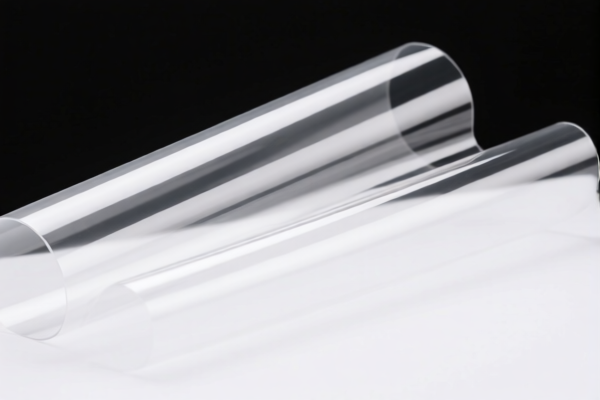
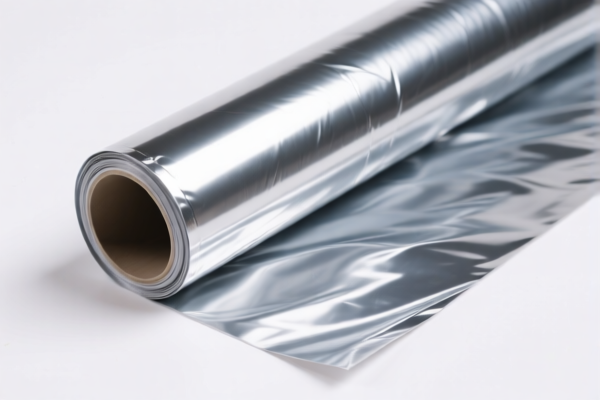


AI Analysis
🛠️ Protective Film Restoration: The Ultimate Guide to Reviving & Protecting Surfaces
🌟 What is "Protective Film Restoration"?
Protective film restoration refers to the process of removing, repairing, or replacing damaged protective films (such as window tint, screen protectors, or adhesive films) while cleaning, polishing, and re-treating the underlying surface to restore its original appearance and functionality.
This is common in: - Automotive windows and bodies - Electronic device screens (smartphones, tablets, laptops) - Architectural glass and building facades - Industrial equipment surfaces
📋 Why Restore a Protective Film?
| Benefit | Description |
|---|---|
| 🔄 Visual Clarity | Removes scratches, haze, yellowing, and bubbling |
| 🔒 Surface Protection | Re-applies UV resistance, anti-glare, or anti-scratch properties |
| 💰 Cost Efficiency | Avoids replacing entire panels or screens |
| ⏱️ Time Saving | Faster than full replacement in many cases |
| 🌿 Eco-Friendly | Reduces waste by reusing existing materials |
🔍 Common Issues in Protective Films
- Scratches & Micro-scratches
- Yellowing / Discoloration (UV exposure)
- Haze or Cloudiness
- Bubbling or Delamination
- Adhesive Residue Buildup
- Edge Lifting or Peeling
🛠️ Step-by-Step Restoration Process
✅ Step 1: Surface Cleaning
- Use isopropyl alcohol (70%+) or ammonia-free glass cleaner
- Remove dust, oil, and debris with a microfiber cloth
- Dry thoroughly to avoid trapping moisture under the film
✅ Step 2: Scratch Removal (if applicable)
- Use a polishing compound (e.g., Cerigloss, Novus #2)
- Apply gently with a soft foam pad or microfiber applicator
- Wipe off residue and inspect for clarity
✅ Step 3: Haze & Yellowing Treatment
- For older films: apply UV stabilizer or clear coat
- For severe cases: consider film replacement if restoration fails
✅ Step 4: Reapplication or Replacement
- If the original film is beyond repair:
- Clean surface again
- Apply new protective film (ensure correct brand/model match)
- Use heat gun to smooth edges and remove air bubbles
✅ Step 5: Final Inspection & Curing
- Check for bubbles, wrinkles, or adhesive lines
- Allow 24–48 hours for full cure (depending on product)
- Avoid touching or cleaning for 12+ hours post-application
📦 Tools & Materials Needed
| Item | Purpose |
|---|---|
| 🔧 Microfiber cloths | Cleaning & drying |
| 🧴 Isopropyl alcohol | Degreasing & sanitizing |
| 🌀 Polishing compound | Scratch removal |
| 🔥 Heat gun | Removing bubbles & shrinking film |
| 📏 Squeegee tool | Smoothing film application |
| 🧰 Razor blade (optional) | Trimming excess film |
| 🧪 UV protectant spray | Long-term protection |
⚠️ Restoration vs. Replacement: When to Choose?
| Scenario | Recommendation |
|---|---|
| Minor scratches | ✅ Restore |
| Deep cracks or tears | ❌ Replace |
| Yellowing due to UV | ✅ Restore (with UV stabilizer) |
| Adhesive failure | ❌ Replace |
| Edge peeling | ⚠️ Repair edges or replace if extensive |
| Industrial-grade film damage | ❌ Replace (safety risk) |
🌐 Global Standards & Compliance
- ISO 9001: Quality management for restoration services
- ASTM D2697: Standard for impact resistance of films
- EPA Regulations: For automotive and architectural film applications
- CE Marking: For EU compliance in electronic device films
💡 Pro Tips for Long-Lasting Protection
- 🔹 Avoid ammonia-based cleaners – they degrade adhesive
- 🔹 Use UV-blocking films in high-exposure areas
- 🔹 Regular maintenance (clean every 1–2 months)
- 🔹 Apply a hydrophobic coating for water resistance
- 🔹 Keep away from sharp objects during handling
📈 Industry Trends (2026)
- 🚀 Self-healing films with nano-coating technology
- 🌱 Bio-based, eco-friendly adhesives
- 📱 Smart films with embedded sensors for damage detection
- 🧪 Nano-sealants for rapid scratch repair
- 🏭 AI-driven restoration diagnostics for industrial use
📌 Final Thoughts: Why Restore?
"Don’t replace what you can restore!"
Protective film restoration is not just a cost-saving measure—it's a sustainability strategy that extends product life, reduces waste, and maintains performance without compromising safety or aesthetics.
Whether you're restoring a car window, a smartphone screen, or an industrial panel, proper technique + quality materials = perfect results.
📣 Need expert help?
Contact certified restoration specialists for:
- Pre-installation surface prep
- Custom film selection
- Post-installation maintenance plans
🚀 Protect your surfaces. Restore your confidence.
✨ Stay Clean. Stay Protected. Stay Ahead.
Customer Reviews
About HS Code Classification
The Harmonized System (HS) is an internationally standardized nomenclature developed by the World Customs Organization (WCO) to classify traded products. Over 200 countries use the HS system as the basis for customs tariffs, trade statistics, and import/export regulations.
Each HS code follows a hierarchical structure:
- Chapter (2 digits) — Broad category of goods (e.g., Chapter 84: Machinery and Mechanical Appliances)
- Heading (4 digits) — More specific grouping within the chapter
- Subheading (6 digits) — Internationally standardized breakdown, used by all WCO member countries
- National subdivisions (8-10 digits) — Country-specific extensions for further classification, such as US HTSUS 10-digit codes
Correct HS code classification is essential for smooth customs clearance, accurate duty payment, and compliance with trade regulations. Misclassification can lead to customs delays, overpayment of duties, or penalties.
When importing from CN to US, the applicable tariff rates may include:
- Most-Favored-Nation (MFN) rate — The standard duty rate applied to WTO members
- General rate — Applied to countries without trade agreements
- Trade remedy duties — Additional tariffs such as Section 301 (anti-dumping), Section 232 (national security), or countervailing duties
The information provided on this page is for reference purposes only. For official classification, please consult with your local customs authority or a licensed customs broker.