Protective Gloves
CN → US| HS Code | Tariff Rate | Origin | Destination | Doc |
|---|---|---|---|---|
| 4015121010 | 110.0% | CN | US | Official Doc |
| 6116109500 | 24.5% | CN | US | Official Doc |
| 6116106500 | 24.5% | CN | US | Official Doc |
| 3926201010 | 10.0% | CN | US | Official Doc |
| 4015129000 | 49.0% | CN | US | Official Doc |
| 6216000800 | 18.3% | CN | US | Official Doc |
Product Images
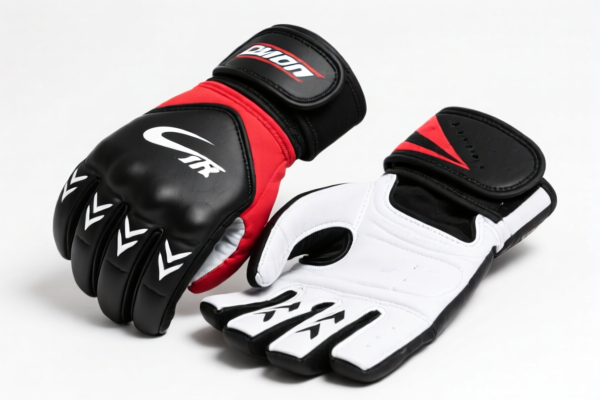
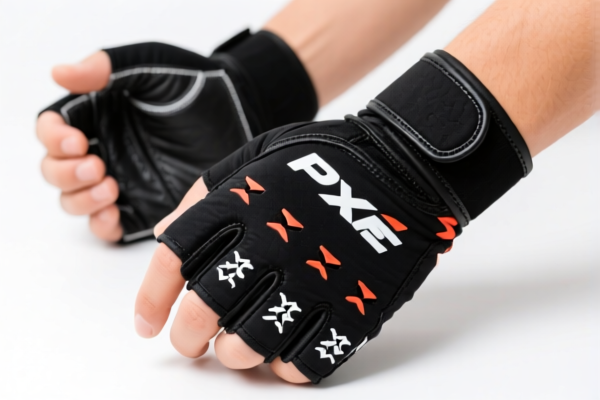
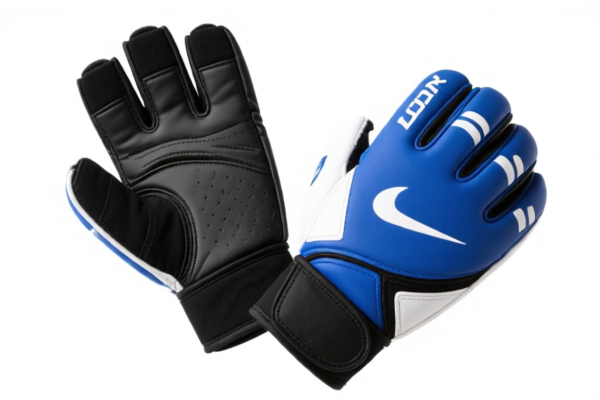
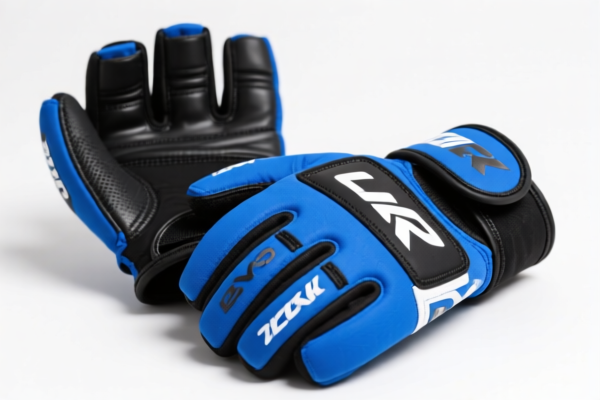
AI Analysis
🧤 Protective Gloves (Medical & Industrial)
🌐 HS Code Reference & Customs Clearance Guide | 2026 Latest Tariff Analysis | Professional Clearance Strategy
📌 I. Product Definition & Classification: What Are "Protective Gloves"?
Protective gloves, particularly in the context of medical and industrial use, are classified based on material composition, manufacturing process (knitted vs. molded), and intended use. In international trade, misclassification is common because gloves can fall under chapters for rubber, plastics, or apparel depending on whether they are "knitted with coating" or "solid rubber/plastic."
Key Distinctions: 1. Medical/Surgical Gloves: Primarily made of natural rubber (latex), nitrile, or vinyl. Often molded. 2. Industrial/Laboratory Gloves: Can be knitted cotton/nylon with plastic/rubber coating (for grip/protection) OR solid rubber/plastic types. 3. Critical Classification Factor: * Knitted/Hooked Base + Coating/Impregnation: Classified under Chapter 61 (Articles of Apparel). * Molded/Solid Rubber/Plastic: Classified under Chapter 40 (Rubber) or Chapter 39 (Plastics).
⚠️ Key Differentiator:
- If the glove is a knitted fabric soaked in or coated with rubber/plastic → Chapter 61
- If the glove is solid rubber (latex/nitrile) or solid plastic → Chapter 40 or Chapter 39
📦 II. HS Code Classification Details (2026 Latest Tariff Authority)
| HS Code | Product Description | Application Scenario | Material/Structure |
|---|---|---|---|
4015.12.10.10 |
Surgical Gloves, Medical Use | Hospital, Surgical, High-risk Medical | Molded Natural Rubber/Latex |
6116.10.95.00 |
Protective Gloves, Knitted, Impregnated | Industrial, Laboratory, General Medical | Knitted/Hooked base with Rubber/Plastic coating |
6116.10.65.00 |
Protective Gloves, Knitted, Coated | Industrial, Chemical Handling | Knitted/Hooked base with Plastic/Rubber coating |
3926.20.10.10 |
Gloves of Plastics, Medical/Surgical | Laboratory, Non-latex Alternatives | Solid Plastic (e.g., Vinyl/PVC) |
4015.12.90.00 |
Other Medical Gloves, Rubber | General Medical Use (Non-Surgical) | Molded Natural Rubber (Non-Surgical) |
🔍 Important Reminder:
- Knitted gloves with coating are considered "apparel" (Ch 61) because the fabric provides the structural integrity.
- Solid molded gloves (latex/vinyl) are considered "rubber/plastic articles" (Ch 40/39).
- Medical Use does not automatically exempt gloves from high tariffs if they fall under specific punitive lists.
💰 III. 2026 Latest Tariff Rate Breakdown (Including Surtaxes & Policy Add-ons)
✅ Applicable Country: United States (US)
✅ Origin: China (CN)
✅ Effective Time: Includes current Section 301 & IEEPA measures (2025-2026)
🎯 1. 4015.12.10.10 —— Surgical Gloves (Molded Rubber)
| Item | Detail |
|---|---|
| Base Tariff | 0.0% |
| Additional Surtax | 100.0% (Section 301 Add-on) |
| Section 122 Tariff | +10.0% (Specific to Medical Supplies from China) |
| Total Effective Rate | 110.0% |
| Calculation | CIF Value × 110% |
| De Minimis Exemption | ❌ NOT Eligible (High scrutiny on medical supplies) |
| Legal Basis | USITC:4015.12.10.10 → Footnote: Section 301 → Section 122 |
📌 Explanation:
- Surgical gloves made of rubber are heavily impacted. The 100% Section 301 tariff is applied on top of the base rate.
- The 122 Clause (10%) applies specifically to certain medical imports from China.
- Total Tax: 110%. This is a prohibitive tariff. Importers must verify if any specific FDA exemptions or strategic stockpile provisions apply.
🎯 2. 6116.10.95.00 & 6116.10.65.00 —— Knitted/Coated Protective Gloves
| Item | Detail |
|---|---|
| Base Tariff | 7.0% |
| Additional Surtax | 7.5% (Section 301 Add-on) |
| Section 122 Tariff | +10.0% |
| Total Effective Rate | 24.5% |
| Calculation | CIF Value × 24.5% |
| De Minimis Exemption | ⚠️ Check Eligibility (Often subject to scrutiny if >$800) |
| Legal Basis | USITC:6116.10.x0 → Footnote: Section 301 → Section 122 |
📌 Explanation:
- These gloves are classified as knitted apparel.
- The base tariff is 7%, plus a 7.5% Section 301 surtax, and 10% Section 122.
- Total Tax: 24.5%. This is significantly lower than molded rubber gloves.
- Strategy: If the glove is a knitted liner with a rubber/plastic dip (common for industrial safety), this code is advantageous.
🎯 3. 3926.20.10.10 —— Medical Gloves of Plastic (e.g., Vinyl)
| Item | Detail |
|---|---|
| Base Tariff | 0.0% |
| Additional Surtax | 0.0% (Exempt from Section 301 in some interpretations, verify) |
| Section 122 Tariff | +10.0% |
| Total Effective Rate | 10.0% |
| Calculation | CIF Value × 10% |
| De Minimis Exemption | ⚠️ Check Eligibility |
| Legal Basis | USITC:3926.20.10.10 → Section 122 |
📌 Explanation:
- Plastic (vinyl/PVC) gloves often enjoy lower or zero Section 301 surtax compared to rubber.
- Only the 10% Section 122 tariff typically applies.
- Total Tax: 10%. This is the most cost-effective option for non-latex medical gloves.
🎯 4. 4015.12.90.00 —— Other Medical Rubber Gloves (Non-Surgical)
| Item | Detail |
|---|---|
| Base Tariff | 14.0% |
| Additional Surtax | 25.0% (Section 301 Add-on) |
| Section 122 Tariff | +10.0% |
| Total Effective Rate | 49.0% |
| Calculation | CIF Value × 49% |
| De Minimis Exemption | ❌ NOT Eligible |
| Legal Basis | USITC:4015.12.90.00 → Footnote: Section 301 → Section 122 |
📌 Explanation:
- These are general-purpose rubber gloves (e.g., examination gloves, not surgical).
- They face the full 25% Section 301 surtax on top of the 14% base.
- Total Tax: 49%. High cost, but cheaper than surgical gloves (110%).
🛠️ IV. Customs Clearance Practical Advice (Battle-Tested Guide)
✅ 1. Required Documentation Checklist (Non-Negotiable)
| Document | Mandatory? | Purpose |
|---|---|---|
| ✅ Product Specification Sheet | ✔️ | Detail material (Latex vs. Nitrile vs. Vinyl), thickness, powder-free status. |
| ✅ Material Safety Data Sheet (MSDS) | ✔️ | Crucial for chemical content (rubber accelerators, plasticizers). |
| ✅ FDA Registration Number | ✔️ | Required for all medical devices/gloves imported into the US. |
| ✅ Certificate of Origin (CO) | ✔️ | To prove origin and apply correct surtax rates. |
| ✅ Commercial Invoice | ✔️ | Must clearly state "Protective Gloves," material, and HS Code. |
| ✅ Packing List | ✔️ | Show quantity, weight, and packaging type. |
✅ 2. Declaration Tips (Key Mantras)
🔥 "Knitted = Apparel (61), Solid = Rubber/Plastic (40/39). Name Matters!"
| Scenario | Correct Declaration | Incorrect Declaration | Consequence |
|---|---|---|---|
| Nitrile Gloves | 4015.12.10.10 (if molded) |
"Latex Gloves" | Misclassification → Penalty |
| Vinyl Gloves | 3926.20.10.10 |
4015.12.10.10 |
Overpayment (10% vs 110%) |
| Cotton Liner with Nitrile Dipping | 6116.10.x0 |
4015.12.90.00 |
Major Savings (24.5% vs 49%) |
| General Purpose Rubber | 4015.12.90.00 |
4015.12.10.10 |
Overpayment (49% vs 110%) |
✅ 3. Special Handling Cases
| Case | Handling Advice |
|---|---|
| OEM Private Label | Ensure the supplier provides the FDA Establishment Registration. Missing this = 99.9% rejection rate. |
| "Medical" vs. "Industrial" | If a glove is knitted with nitrile coating, declare as Industrial/Protective (6116) to get lower tax (24.5%) vs. Medical Rubber (49-110%). |
| Section 122 Impact | Note: All listed codes include a 10% Section 122 tariff. This is a specific levy on certain Chinese medical imports. Ensure your supplier does not double-charge. |
| De Minimis ($800) | For gloves, De Minimis is risky. CBP often scrutinizes bulk shipments of medical goods under $800. Assume full duty for B2B. |
🌍 V. Global Market Comparison (2026)
| Country/Region | Recommended HS Code | Tariff (China Origin) | Certifications Required | Remarks |
|---|---|---|---|---|
| 🇺🇸 USA | 3926.20.10.10 (Vinyl) |
10% (Lowest) | FDA 510(k) / 510(k) Exempt | Highest scrutiny on rubber gloves |
| 🇺🇸 USA | 6116.10.65.00 (Knitted) |
24.5% | FDA / CE | Good balance of cost and utility |
| 🇺🇸 USA | 4015.12.10.10 (Surgical) |
110% | FDA Class II | Prohibitive tariff; use only for high-margin surgical supplies |
| 🇨🇳 China | 4015.12.10.10 |
5% (MFN) | NMPA (China) | No Section 301/122 |
| 🇪🇺 EU | 4015.19.39 |
6.5% | CE / MDR | No Section 301/122 equivalent |
📌 Conclusion:
- USA is the most expensive market for rubber/plastic gloves due to Section 301 and Section 122.
- Plastic (Vinyl) gloves (3926) offer the lowest duty (10%).
- Knitted/Coated gloves (6116) offer a middle ground (24.5%) and are often acceptable for many industrial/medical uses.
- Surgical Rubber Gloves (4015.12.10.10) are prohibitively taxed (110%). Consider sourcing from non-China origins (e.g., Vietnam, Indonesia) for these specific codes.
📌 VI. Common Mistakes & Pitfalls (Lessons Learned)
❌ Mistake 1: Declaring Nitrile Dipped Gloves as "Rubber Gloves" (4015)
👉 Consequence: You pay 49-110% tax instead of 24.5%.
👉 Fix: If it has a knitted backing, it is Chapter 61.
❌ Mistake 2: Ignoring the 10% Section 122 Tariff
👉 Consequence: Under-declaration leads to CBP audits and penalties.
👉 Fix: Add 10% to all calculations for Chinese-origin medical gloves.
❌ Mistake 3: Using "Gloves" without material specification in Invoice
👉 Consequence: Customs may assess highest applicable duty (110%) or detain shipment.
👉 Fix: Specify "Nitrile Coated Knitted Gloves" or "PVC Vinyl Gloves."
❌ Mistake 4: Assuming De Minimis ($800) applies to Medical Goods
👉 Consequence: Seizure if FDA registration is missing.
👉 Fix: Ensure FDA registration is valid for all shipments, regardless of value.
🎯 VII. Conclusion: Smart Classification, Lower Costs!
🎯 Remember the Mantra:
🔹 "Vinyl is 10%, Knitted is 24.5%, Rubber is 49-110%. Check Section 122!"
🔹 "If it's knitted, use Chapter 61. If it's solid, use Chapter 40/39."
📌 Pro Tip:
If you are importing Surgical Rubber Gloves from China, the 110% tariff makes it uncompetitive.
Strategy:
1. Switch to Vinyl (3926) for 10% duty.
2. Switch to Knitted/Nitrile (6116) for 24.5% duty.
3. Source Rubber Surgical Gloves from Vietnam or Indonesia to avoid Section 301/122 surtaxes.
📣 Immediate Action:
📞 Verify your FDA Establishment Registration.
📄 Confirm Material Structure (Knitted vs. Solid) with your supplier.
🧮 Calculate landed cost using 10%, 24.5%, 49%, or 110% accordingly.
✨ Professional Clearance Starts with Precise Classification!
💼 Your Profit Margin Depends on These Percentages!
Customer Reviews
About HS Code Classification
The Harmonized System (HS) is an internationally standardized nomenclature developed by the World Customs Organization (WCO) to classify traded products. Over 200 countries use the HS system as the basis for customs tariffs, trade statistics, and import/export regulations.
Each HS code follows a hierarchical structure:
- Chapter (2 digits) — Broad category of goods (e.g., Chapter 84: Machinery and Mechanical Appliances)
- Heading (4 digits) — More specific grouping within the chapter
- Subheading (6 digits) — Internationally standardized breakdown, used by all WCO member countries
- National subdivisions (8-10 digits) — Country-specific extensions for further classification, such as US HTSUS 10-digit codes
Correct HS code classification is essential for smooth customs clearance, accurate duty payment, and compliance with trade regulations. Misclassification can lead to customs delays, overpayment of duties, or penalties.
When importing from CN to US, the applicable tariff rates may include:
- Most-Favored-Nation (MFN) rate — The standard duty rate applied to WTO members
- General rate — Applied to countries without trade agreements
- Trade remedy duties — Additional tariffs such as Section 301 (anti-dumping), Section 232 (national security), or countervailing duties
The information provided on this page is for reference purposes only. For official classification, please consult with your local customs authority or a licensed customs broker.