Protective Net
CN → US| HS Code | Tariff Rate | Origin | Destination | Doc |
|---|---|---|---|---|
| 9506996040 | 21.5% | CN | US | Official Doc |
| 9506990800 | 12.8% | CN | US | Official Doc |
| 5608192010 | 40.0% | CN | US | Official Doc |
| 5608192090 | 40.0% | CN | US | Official Doc |
| 3926909940 | 22.8% | CN | US | Official Doc |
| 3926909987 | 22.8% | CN | US | Official Doc |
Product Images
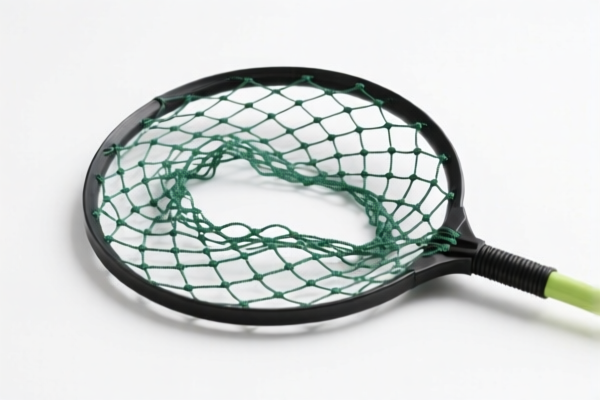
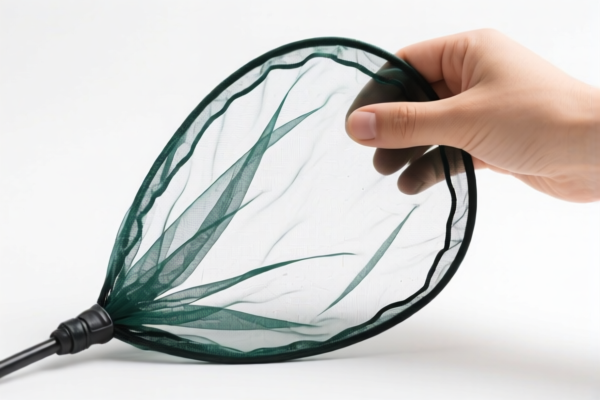
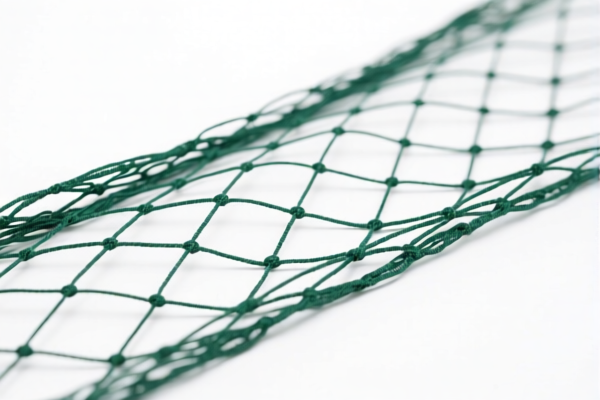
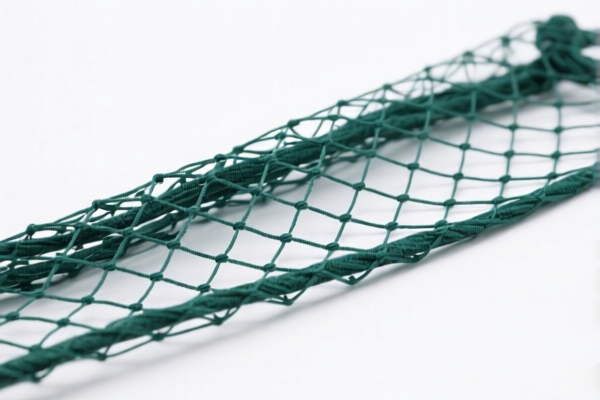
AI Analysis
🕸️ Protective Nets (Sporting & Industrial Nets)
🌐 HS Code Reference & Clearance Guide | 2026 Latest Tariff Analysis | Professional Customs Strategy
📌 I. Product Definition & Classification: Do You Really Understand "Protective Nets"?
In international trade, "Protective Nets" is a broad term that spans multiple chapters depending on the material, structure, and primary use. It is crucial to distinguish between:
- Sporting Nets: Specifically designed for badminton, tennis, or general exercise facilities.
- Industrial/Construction Nets: Knotted netting of textile materials used for fishing, packaging, or safety.
- Plastic Accessories: Rigid or semi-rigid plastic components related to drainage or containment (often misclassified as nets).
⚠️ Key Distinction Point:
- If the net is made of textile materials (ropes/cords) and used for sports → Chapter 95 or Chapter 56.
- If the net is a plastic accessory for drainage/manholes → Chapter 39.
- If it is a general-purpose textile net (e.g., bait bags, fishing nets) → Chapter 56.
📦 II. HS Code Classification Details (2026 Latest Tariff Authority Comparison)
| HS Code | Product Description | Application Scenario | Material/Structure |
|---|---|---|---|
5608.19.20.10 |
Other Bait bags with draw string closures | Sports fishing, bait storage | Textile (Man-made), Knotted |
5608.19.20.90 |
Other (229) | Other knotted textile nets not specified elsewhere | Textile (Man-made), Knotted |
3926.90.99.40 |
Covers, rings, frames for manholes; catch basins; drainage gates | Civil engineering, drainage systems | Plastic/Rigid Material |
3926.90.99.87 |
Rigid tubes or pipes suitable for use as electrical conduit | Electrical infrastructure | Plastic/Rigid Material |
9506.99.60.40 |
Nets not elsewhere specified or included | General sports equipment, protective barriers | Textile, Sporting Use |
9506.99.08.00 |
Nets of cotton (Badminton articles and equipment) | Badminton courts, shuttlecock catchers | Cotton, Sporting Use |
🔍 Important Reminder:
- Sporting Nets made of cotton must be classified under 9506.99.08.00.
- Other Sporting Nets (e.g., tennis, volleyball, or general "not specified") fall under 9506.99.60.40.
- Plastic structures (like frames or rigid covers for manholes) are NOT textiles and belong to 3926.90.99.
- Textile Nets (fishing, bait bags) are classified under 5608.19.
💰 III. 2026 Latest Tariff Rate Details (Including Surcharges & Policy Add-ons)
✅ Applicable Country: United States (US)
✅ Origin: China (CN)
✅ Effective Date: 2025-11-10 onwards (including subsequent imports)
🎯 1. 5608.19.20.10 & 5608.19.20.90 —— Textile Nets (Fishing, Bait Bags, etc.)
| Item | Content |
|---|---|
| Base Duty Rate | 0.0% |
| USITC Surcharge | 0.0% (Exempted from Section 301) |
| IEEPA Surcharge | 0.0% (Exempted from IEEPA) |
| Total Tax Rate | 0.0% |
| Tax Calculation | CIF Value × 0% = $0 |
| De Minimis Eligibility | ✅ Yes (Low duty allows easier small parcel entry) |
| Legal Basis Path | HTSUS:5608.19.20 → Zero Duty Policy |
📌 Explanation:
- These textile nets are currently exempt from all additional tariffs (Section 301 and IEEPA).
- This makes them highly cost-effective for import compared to electronic or plastic goods.
- Ensure the description explicitly mentions "Textile Material" and "Knotted Netting" to avoid misclassification.
🎯 2. 9506.99.60.40 —— Other Sporting Nets
| Item | Content |
|---|---|
| Base Duty Rate | 4.0% |
| USITC Surcharge | +7.5% |
| IEEPA Surcharge | 0.0% (Part of Section 301 calculation in this specific subheading) |
| Total Tax Rate | 11.5% |
| Tax Calculation | CIF Value × 11.5% |
| De Minimis Eligibility | ❌ No (Value exceeds de minimis threshold implications for higher duty categories) |
| Legal Basis Path | HTSUS:9506.99.60.40 → Section 301 Footnote |
📌 Note:
- This category applies to nets used in sports (e.g., tennis, volleyball, soccer) that are not made of cotton.
- The total duty is 11.5%. While lower than electronics, it is significantly higher than textile fishing nets.
- Classification error here (e.g., misclassifying a sports net as a "plastic accessory") can lead to severe penalties.
🎯 3. 9506.99.08.00 —— Badminton Nets (Cotton)
| Item | Content |
|---|---|
| Base Duty Rate | 2.8% |
| USITC Surcharge | 0.0% |
| IEEPA Surcharge | 0.0% |
| Total Tax Rate | 2.8% |
| Tax Calculation | CIF Value × 2.8% |
| De Minimis Eligibility | ⚠️ Check threshold limits |
| Legal Basis Path | HTSUS:9506.99.08.00 |
📌 Explanation:
- Specific to cotton nets used in badminton.
- Lower duty rate (2.8%) due to specific material (cotton) and item classification.
- If the net is made of nylon/polyester but used for badminton, it likely falls under 9506.99.60.40 (11.5%). Material matters!
🎯 4. 3926.90.99.40 & 3926.90.99.87 —— Plastic Accessories (Not Textile Nets)
| HS Code | Product | Base Rate | Surcharge | Total |
|---|---|---|---|---|
3926.90.99.40 |
Manhole/Cover Plastic Parts | 0.0% | 0.0% | 0.0% |
3926.90.99.87 |
Rigid Plastic Tubes/Pipes | 5.3% | 7.5% | 12.8% |
📌 Warning:
- Do NOT classify flexible textile protective nets under these plastic codes.
- These codes are for rigid plastic structures (e.g., manhole covers, conduit pipes).
- Misclassifying a textile net as a plastic accessory can lead to "Material Misdescription" penalties.
🛠️ IV. Customs Clearance Practical Advice (Real-World Pitfall Avoidance)
✅ 1. Essential Documentation Checklist
| Document | Mandatory? | Description |
|---|---|---|
| ✅ Product Specification Sheet | ✔️ | Must specify Material (Cotton, Nylon, Polypropylene, etc.) and Construction (Knotted, Knitted, Rigid). |
| ✅ Product Photos | ✔️ | Clear images showing the net's texture, mesh size, and any branding. |
| ✅ Commercial Invoice | ✔️ | Must clearly state: "Protective Net, [Material], for [Sport/Industrial] Use". Avoid vague terms like "Netting." |
| ✅ Bill of Lading/Air Waybill | ✔️ | Ensure weight and volume match the invoice. |
| ✅ Certificate of Origin | ✔️ | To verify origin (China) for tariff application. |
✅ 2. Declaration Tips (Key Mnemonic)
🔥 “Material First, Use Second, Code Third!”
| Scenario | Correct HS Code | Common Mistake |
|---|---|---|
| Badminton Net (Cotton) | 9506.99.08.00 (2.8%) |
Misclassifying as general textile → 5608.19.20.90 (0%) [Risk of Audit] or Plastic [Penalty] |
| Tennis/Volleyball Net (Synthetic) | 9506.99.60.40 (11.5%) |
Claiming "Fishing Net" to get 0% duty → High Risk of Fraud |
| Fishing/Bait Bag (Synthetic) | 5608.19.20.10 or .90 (0%) |
Misclassifying as "Sports Equipment" → 11.5% [Overpaying] |
| Plastic Manhole Cover | 3926.90.99.40 (0%) |
Calling it "Netting" → Customs rejects or reclassifies |
✅ 3. Special Circumstances Handling
| Situation | Handling Advice |
|---|---|
| Mixed Material Nets | If a net has cotton strings and plastic frames, classify based on essential character. Usually, the textile part dictates Chapter 56 or 95. |
| OEM Custom Nets | Provide design drawings to prove it is for a specific sport (e.g., Badminton) to justify 9506.99.08.00. |
| Industrial Safety Nets | If not for sports or fishing, check if it fits 9506.99.60.40 ("Not elsewhere specified"). Avoid 5608 unless it's "made up netting" of textile. |
| Plastic "Nets" (Mesh Guards) | If it's a rigid plastic grid for machinery, it might be 3926.90.99.87 (12.8%) or a machine part (8431.39). Do not call it a "textile net." |
🌍 V. Global Market Comparison (2026 Latest)
| Country/Region | Recommended HS Code | Tariff (China Origin) | Certification Requirements | Notes |
|---|---|---|---|---|
| 🇺🇸 USA | 9506.99.60.40 |
11.5% | None for nets | High duty on synthetic sports nets |
| 🇺🇸 USA | 9506.99.08.00 |
2.8% | None | Low duty for Cotton Badminton Nets |
| 🇺🇸 USA | 5608.19.20.90 |
0.0% | None | Exempt for Fishing/Bait Nets |
| 🇪🇺 EU | 9506.99 |
0% - 4.5% | CE Marking (if applicable) | Generally lower duties than US |
| 🇨🇳 China | 9506.99 |
2.8% - 5.0% | CCC (if deemed electrical/sports gear) | Import duty for domestic sale |
📌 Conclusion:
- USA has a complex tariff structure for nets: 0% for fishing/textile basics, 2.8% for cotton sports, and 11.5% for synthetic sports.
- EU is generally more favorable for sports equipment.
- Material Declaration is the single most important factor in determining the correct HS Code and duty rate.
📌 VI. Common Errors & Pitfall Guide (Blood-Tearing Lessons)
❌ Mistake 1: Calling a Synthetic Tennis Net a "Fishing Net" to get 0% duty.
👉 Consequence: Customs audit, penalty for fraud, and potential back-taxes of 11.5%.
❌ Mistake 2: Classifying a Badminton Net under 5608.19.20.90 (0%) because it's a "textile net."
👉 Consequence: While the rate is 0%, the description "Fishing/Bait Net" will not match the product. Customs may reclassify to 9506.99.60.40 (11.5%) + penalty for incorrect description.
❌ Mistake 3: Using vague terms like "Net" or "Barrier" in the commercial invoice.
👉 Consequence: Customs broker cannot determine the HS Code → Hold for Examination → Storage fees and delays.
✅ Correct Declaration Example:
"Sports Protective Net, Made of High-Tensile Nylon, For Use in Tennis Courts, Model: TENNIS-PRO-2026"
→ HS Code:9506.99.60.40(11.5%)
🎯 VII. Conclusion: Precise Classification Saves Money!
🎯 Remember the Mnemonic:
🔹 "Cotton Badminton = 2.8%; Synthetic Sports = 11.5%; Fishing/Textile Basics = 0%.
🔹 "Plastic Rigid Parts ≠ Textile Nets. Don't mix them!"
📌 Pro Tip:
If you are importing synthetic sports nets (11.5%), consider sourcing from countries with FTAs (e.g., Vietnam, Thailand) if available, to reduce duty.
Always provide photos and material composition to your customs broker to avoid misclassification.
📣 Immediate Action:
📞 Contact your freight forwarder with clear product photos and material specs.
🚀 Apply for Advance Ruling if you are importing large volumes to lock in the correct HS Code and duty rate.
✨ Professional Clearance Starts with Accurate Classification!
💼 Every Percentage Point of Duty Counts!
Customer Reviews
About HS Code Classification
The Harmonized System (HS) is an internationally standardized nomenclature developed by the World Customs Organization (WCO) to classify traded products. Over 200 countries use the HS system as the basis for customs tariffs, trade statistics, and import/export regulations.
Each HS code follows a hierarchical structure:
- Chapter (2 digits) — Broad category of goods (e.g., Chapter 84: Machinery and Mechanical Appliances)
- Heading (4 digits) — More specific grouping within the chapter
- Subheading (6 digits) — Internationally standardized breakdown, used by all WCO member countries
- National subdivisions (8-10 digits) — Country-specific extensions for further classification, such as US HTSUS 10-digit codes
Correct HS code classification is essential for smooth customs clearance, accurate duty payment, and compliance with trade regulations. Misclassification can lead to customs delays, overpayment of duties, or penalties.
When importing from CN to US, the applicable tariff rates may include:
- Most-Favored-Nation (MFN) rate — The standard duty rate applied to WTO members
- General rate — Applied to countries without trade agreements
- Trade remedy duties — Additional tariffs such as Section 301 (anti-dumping), Section 232 (national security), or countervailing duties
The information provided on this page is for reference purposes only. For official classification, please consult with your local customs authority or a licensed customs broker.