Public Health Aromatic Insecticide
CN → USProduct Images
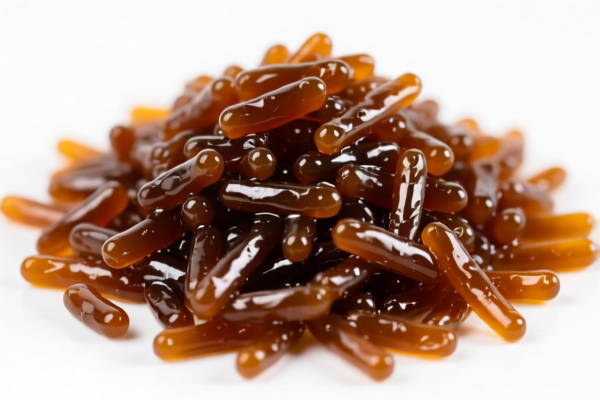
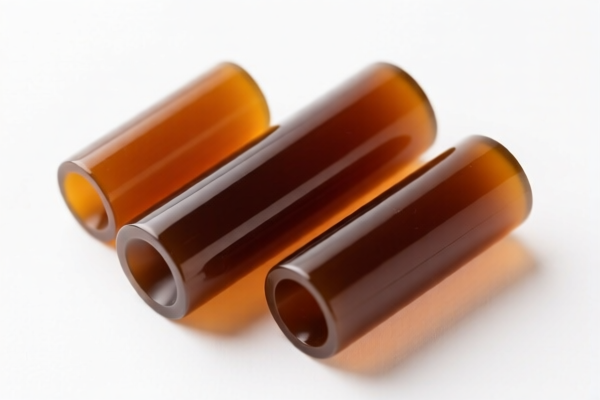
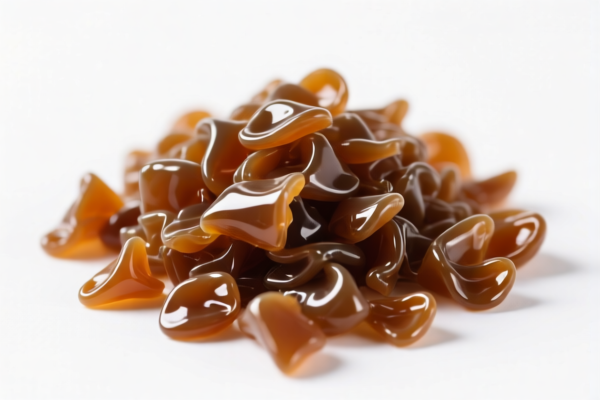
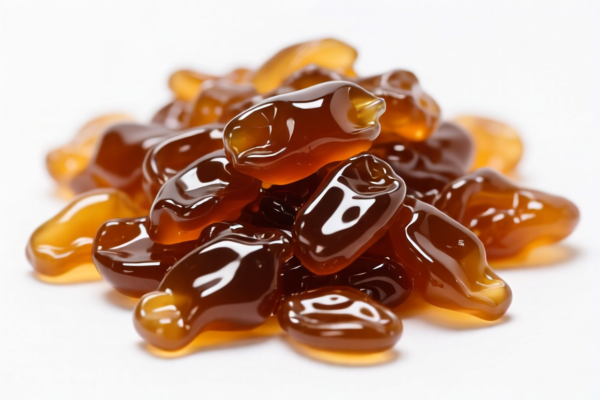
AI Analysis
🦟 Public Health Aromatic Insecticide
🌐 HS Code Reference & Clearance Guide | 2026 Latest Tariff Analysis | Professional Customs Strategy
📌 I. Product Definition & Classification: Do You Truly Understand "Aromatic Insecticide"?
Public Health Aromatic Insecticides are chemical or botanical preparations designed to repel or kill insects (mosquitoes, flies, moths, etc.) in domestic, commercial, or public health environments. They often rely on volatile essential oils or synthetic aromatic compounds. In international trade, they are primarily classified based on their active ingredients, formulation type, and intended use.
Common Types:
- Solid Aromatic Insecticides: Incense sticks, coils, mats, and blocks (often containing pyrethroids + aromatic binders).
- Liquid/Aerosol Sprays: Ready-to-use insect repellants or space sprays.
- Natural Botanical Insecticides: Products primarily derived from essential oils (e.g., citronella, eucalyptus, neem) without synthetic active ingredients.
⚠️ Key Classification Distinction:
- If the product contains synthetic chemical pesticides (e.g., allethrin, transfluthrin, pyrethroids) as the active ingredient → Classified under Chapter 38 (Miscellaneous Chemical Products).
- If the product is purely essential oil-based with no registered pesticide active ingredient → May be classified under Chapter 33 (Essential Oils) or Chapter 13/15 (depending on base).
- Critical Point: Regulatory bodies (like EPA in the US) define "pesticide" broadly. Even "natural" products claiming insect control may fall under Chapter 38 if they are registered as such.
📦 II. HS Code Classification Details (2026 Latest Tariff Authority Comparison)
| HS Code | Product Description | Applicable Scenario | Contains Synthetic Active Ingredient? |
|---|---|---|---|
3808.94.00.00 |
Insecticides, rodenticides, fungicides, herbicides, anti-sprouting agents... | Synthetic aromatic insecticides (coils, sprays, mats) with pyrethroids/chemical actives | ✅ Yes |
3808.93.90.00 |
Fungicides, herbicides, and similar products (excluding insecticides) | Not applicable for insecticides | ❌ N/A |
3307.90.90.00 |
Other perfuming or deodorizing preparations, whether or not they have disinfectant properties | Non-pesticidal aromatic sprays, potpourri, essential oil diffusers (not claiming insect control) | ❌ No |
3301.29.00.00 |
Essential oils (terpenic or not), including concretes and absolutes, excluding citrus oils | Raw essential oils (citronella, lemongrass) sold for blending, not as finished insecticide | ❌ No |
3808.91.90.00 |
Insecticides... of a kind used for retail sale | Retail-packaged insecticide tablets, sticks, or sprays | ✅ Yes |
3004.90.00.00 |
Medicaments (excluding goods of heading 3002, 3005, 3006) | Rarely applicable unless claimed as medicinal repellent (e.g., DEET-based skin repellents may fall here or 3808) | ⚠️ Depends on Claim |
🔍 Key Reminder:
- Most "Aromatic Insecticides" sold as coils, mats, or sprays for public health use fall under3808.94.00.00or3808.91.90.00if they contain registered synthetic actives.
- If marketed as "chemical-free" but contains botanicals with pesticidal claims, customs may still require EPA registration and classify under 3808.
- Pure essential oil diffusers without pesticidal claims go to 3307.90.90.00.
💰 III. 2026 Latest Tariff Rate Details (Including Surcharges & Policy Add-ons)
✅ Applicable Country: United States (US)
✅ Country of Origin: China (CN)
✅ Effective Date: From November 10, 2025 (for subsequent imports)
🎯 1. 3808.94.00.00 —— Insecticides, Synthetic Chemical
| Item | Content |
|---|---|
| Base Tariff Rate | 3.4% (ad valorem) |
| USITC Additional Tariff | +7.5% (Under USITC Footnote 9903.88.01, Section 301 Tariff) |
| IEEPA Additional Tariff | +10% (Targeting China/HK products, effective Nov 10, 2025) |
| Total Tariff Rate | 20.9% |
| Tax Calculation | CIF Value × 20.9% |
| De Minimis Eligibility | ❌ Not Eligible (deny_de_minimis) |
| Legal Basis Path | IEEPA:9903.01.25 → IEEPA:9903.01.24 → USITC:3808.94.00.00 → FOOTNOTE:9903.88.01 |
📌 Explanation:
- "USITC 7.5%": Additional tariff under Section 301 for specific chemical preparations.
- "IEEPA 10%": Emergency economic power law surcharge on Chinese goods.
- Total 20.9%: High effective rate. Must be factored into pricing models.
🎯 2. 3808.91.90.00 —— Insecticides for Retail Sale
| Item | Content |
|---|---|
| Base Tariff Rate | 3.4% |
| USITC Additional Tariff | +7.5% |
| IEEPA Additional Tariff | +10% |
| Total Tariff Rate | 20.9% |
| Tax Calculation | CIF × 20.9% |
| De Minimis Eligibility | ❌ Not Eligible |
| Legal Basis Path | IEEPA:9901.25 → IEEPA:9903.01.24 → USITC:3808.91.90.00 → FOOTNOTE:9903.88.01 |
📌 Note:
- Retail-packaged insecticides face the same high tariff burden.
- Even if labeled "aromatic" or "natural," if the active ingredient is regulated as a pesticide (e.g., pyrethrin derived from chrysanthemums is still a pesticide under US law), it falls here.
🎯 3. 3307.90.90.00 —— Non-Pesticidal Aromatic Preparations
| Item | Content |
|---|---|
| Base Tariff Rate | 0% |
| USITC Additional Tariff | 0% |
| IEEPA Additional Tariff | 0% |
| Total Tariff Rate | 0% |
| Tax Calculation | CIF × 0% |
| De Minimis Eligibility | ✅ Eligible (if value < $800) |
| Legal Basis Path | No Section 301 or IEEPA surcharge applies to general perfuming/deodorizing goods. |
📌 Caution:
- Only applies if no pesticidal claim is made on packaging or marketing.
- If you claim "repels mosquitoes" but classify as3307, customs will reclassify and apply 20.9% + penalties.
🛠️ IV. Customs Clearance Practical Advice (Combat Pitfall Guide)
✅ 1. Required Documentation List (None are optional)
| Document | Mandatory? | Notes |
|---|---|---|
| ✅ Product Specification Sheet | ✔️ | Must list active ingredients, concentration, mode of action |
| ✅ EPA Registration Number (US Import) | ✔️ | CRITICAL: All pesticides sold in the US must have an EPA registration. No EPA number = seizure |
| ✅ Certificate of Analysis (COA) | ✔️ | Confirms active ingredient content and purity |
| ✅ Material Safety Data Sheet (MSDS/SDS) | ✔️ | For hazardous chemical transport compliance |
| ✅ Commercial Invoice | ✔️ | Must clearly state "Insecticide" or "Pesticidal Preparation," not generic "Home Fragrance" |
| ✅ Country of Origin Certificate | ✔️ | Required for tariff calculation |
| ✅ Packaging Photos | ✔️ | Show all labeling, warnings, and EPA ID number |
✅ 2. Declaration Tips (Key Mantras)
🔥 "No EPA, No Entry! Label Matches HS! Don't Lie About 'Aromatic'!"
| Scenario | Correct Declaration | Incorrect Practice |
|---|---|---|
| Pyrethroid Coil/Spray | 3808.94.00.00 + EPA Reg # |
Declare as "Incense" → 3307 → Seizure + Fine |
| Citronella Candle (No Pest Claim) | 3307.90.90.00 |
Claim "Mosquito Repellent" → Reclassification to 3808 |
| Natural Mosquito Repellent Spray (With EPA Reg) | 3808.94.00.00 |
Declare as "Cosmetic" → Denied Entry |
| Essential Oil Blend (For Diffuser Only) | 3301.29.00.00 or 3307 |
Add pest control claims → 20.9% Tariff + Penalty |
✅ 3. Special Case Handling
| Scenario | Handling Advice |
|---|---|
| OEM Private Label | Ensure EPA registration lists the US importer/brand owner. OEM factory cannot register for another country’s market. |
| "Natural" Products | If using pyrethrins (natural extract), still classified as pesticide (3808). If using essential oils only, ensure no pesticidal claims. |
| Samples for Testing | Must still declare properly. Even samples require EPA compliance if they are pesticide samples for registration. |
| Multi-Function Products | e.g., "Aromatherapy Diffuser + Mosquito Repellent" → Classified as pesticide (3808) due to primary function. |
🌍 V. Global Major Market Clearance Comparison (2026 Latest)
| Country/Region | Recommended HS Code | Tariff | Certification Requirements | Notes |
|---|---|---|---|---|
| 🇺🇸 USA | 3808.94.00.00 |
20.9% (CN Origin) | EPA Registration + FD&C Act Compliance | Strictest pesticide laws |
| 🇨🇳 China | 3808.94.00.00 |
5% | Min. Agri. Dept. Pesticide Registration | No additional surcharges |
| 🇪🇺 EU | 3808.94.00.00 |
6.5% | EU Biocidal Products Regulation (BPR) | BPR approval required, not just registration |
| 🇦🇺 Australia | 3808.94.00.00 |
5% | APVMA Registration | Similar to EPA/BPR framework |
| 🇯🇵 Japan | 3808.94.00.00 |
5.9% | Ministry of Agriculture, Forestry and Fisheries (MAFF) | Pesticide Control Law compliance |
📌 Conclusion:
- USA, EU, and Australia all require strict pre-market approval for insecticides.
- Tariff burden is highest in the US due to Section 301 + IEEPA surcharges.
- Misclassification as "Aromatherapy" is the #1 cause of customs delays in this category.
📌 VI. Common Errors & Pitfall Guide (Lessons from Blood & Tears)
❌ Error 1: Declaring insecticide coils as "Home Fragrance Incense"
👉 Consequence: Customs detects pesticidal label → Seizure, destruction, and potential legal action.
❌ Error 2: Missing EPA Registration Number on the label
👉 Consequence: CBP will not clear the shipment. Product held until registration is verified or returned.
❌ Error 3: Using "Natural" or "Organic" to avoid pesticide classification
👉 Consequence: If it claims to kill/repel pests, it’s a pesticide regardless of ingredient source.
❌ Error 4: Splitting shipment into "Diffuser" (HS 9405) + "Oil" (HS 3301) to avoid 20.9%
👉 Consequence: Customs combines them if sold for integrated pest control → Back taxes + penalties.
✅ Correct Practice:
"Pyrethroid-based Insecticide Coils for Mosquito Control, EPA Reg. No. 12345-67, Net Weight 100g, HS Code 3808.94.00.00"
🎯 VII. Conclusion: Professional Declaration, Save Time, Reduce Costs!
🎯 Remember the Mantra:
🔹 "Pesticide Claim = Pesticide HS Code!"
🔹 "No EPA Number = No US Entry!"
🔹 "Aromatic ≠ Exempt from Pesticide Laws!"
🔹 "20.9% Tariff is Real, Plan Your Margin!"
📌 Pro Tip:
If your product is exclusively essential oils with NO pesticidal claims, classify under 3307 for 0% duty and de minimis eligibility.
If it controls pests, accept the 20.9% US tariff and ensure EPA compliance.
Consult a regulatory specialist before labeling to avoid costly rejections.
📣 Immediate Action:
📞 Verify EPA Registration Status + Check Labeling Compliance + Declare Accurately
🚀 Ensure Smooth Customs Clearance, Avoid Seizures, Protect Your Brand!
✨ Professional Customs Clearance Starts with Accurate Classification!
💼 Every Percent of Tariff Matters, Every Label Detail Counts!
Customer Reviews
About HS Code Classification
The Harmonized System (HS) is an internationally standardized nomenclature developed by the World Customs Organization (WCO) to classify traded products. Over 200 countries use the HS system as the basis for customs tariffs, trade statistics, and import/export regulations.
Each HS code follows a hierarchical structure:
- Chapter (2 digits) — Broad category of goods (e.g., Chapter 84: Machinery and Mechanical Appliances)
- Heading (4 digits) — More specific grouping within the chapter
- Subheading (6 digits) — Internationally standardized breakdown, used by all WCO member countries
- National subdivisions (8-10 digits) — Country-specific extensions for further classification, such as US HTSUS 10-digit codes
Correct HS code classification is essential for smooth customs clearance, accurate duty payment, and compliance with trade regulations. Misclassification can lead to customs delays, overpayment of duties, or penalties.
When importing from CN to US, the applicable tariff rates may include:
- Most-Favored-Nation (MFN) rate — The standard duty rate applied to WTO members
- General rate — Applied to countries without trade agreements
- Trade remedy duties — Additional tariffs such as Section 301 (anti-dumping), Section 232 (national security), or countervailing duties
The information provided on this page is for reference purposes only. For official classification, please consult with your local customs authority or a licensed customs broker.