Pull Up Bar Handle
CN → US| HS Code | Tariff Rate | Origin | Destination | Doc |
|---|---|---|---|---|
| 3926909989 | 22.8% | CN | US | Official Doc |
| 3926909930 | 22.8% | CN | US | Official Doc |
| 3926906090 | 39.2% | CN | US | Official Doc |
| 9506996080 | 21.5% | CN | US | Official Doc |
| 9506910030 | 22.1% | CN | US | Official Doc |
Product Images
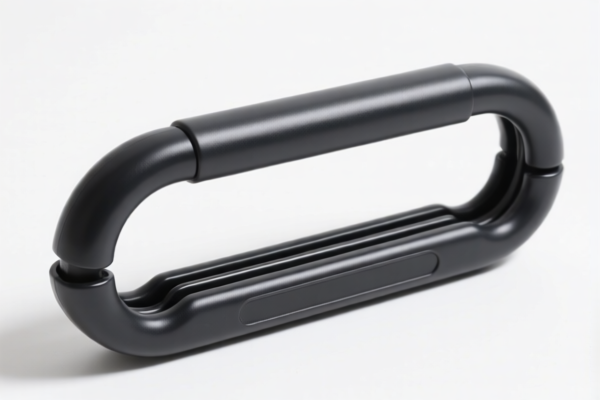
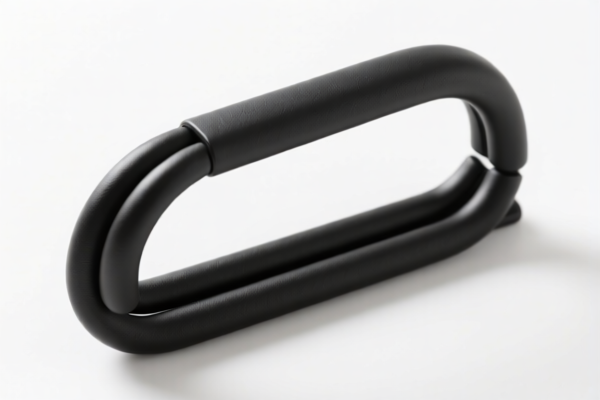
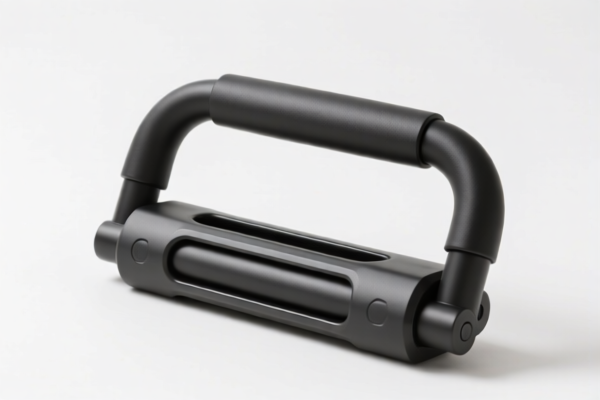
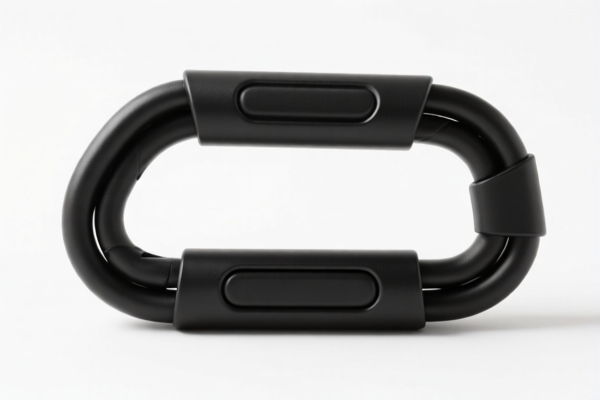
AI Analysis
🏋️♂️ Pull-Up Bar Handle (Gym Accessory)
🌐 HS Code Reference & Customs Clearance Guide | 2026 Latest Tariff Analysis | Professional Strategy for Fitness Equipment Parts
📌 Part I: Product Definition & Classification Strategy
The Pull-Up Bar Handle is a critical accessory for home and commercial fitness installations. In international trade, its classification hinges primarily on Material Composition and Functional Designation (whether it is treated as a general accessory or a specific sports equipment part).
There are two primary classification paths: 1. General Plastic/Composite Parts: If the handle is made primarily of plastic or non-metallic composite materials, it is often classified under Chapter 39. 2. Sports Equipment Parts: If classified specifically as a part of sporting goods (Chapter 95), it may attract lower base duties but is still subject to aggressive trade remedies (Section 301/122).
⚠️ Critical Distinction Point:
- If the handle is Plastic/Composite and viewed as a general article → HS 3926.90.xx.xx
- If the handle is considered a Part of Sports Equipment (Metal or Plastic) → HS 9506.99.xx.xx or 9506.91.xx.xx
- ⚠️ Warning: Misclassification can lead to massive duty discrepancies (e.g., 39.2% vs. 21.5%).
📦 Part II: HS Code Classification Matrix (2026 Authorized Codes)
Based on the provided data, here are the 5 potential HS Codes with their specific tax implications.
| HS Code | Summary Description | Material/Function Logic | Total Tax Rate |
|---|---|---|---|
| 3926.90.99.89 | Fitness pull-up bar handle as an accessory; classified based on plastic or composite material properties. | Plastic/Composite Accessory | 22.8% |
| 3926.90.99.30 | Fitness pull-up bar handle as an accessory; material inferred as plastic or other materials, fitting "other plastic articles." | Plastic/Other Material Accessory | 22.8% |
| 3926.90.60.90 | Fitness pull-up bar handle categorized as equipment accessory; default tendency to match "other articles" category. | Generic Accessory (Plastic focus) | 39.2% |
| 9506.99.60.80 | Pull-up bar handle belongs to parts/accessories of sporting exercise appliances; material inferred as metal or plastic. | Part of Sports Appliance | 21.5% |
| 9506.91.00.30 | Fitness pull-up bar handle belongs to parts/accessories of general fitness training equipment. | Part of General Fitness Gear | 22.1% |
🔍 Key Insight:
- Cheapest Option: 9506.99.60.80 (21.5%) is the most cost-effective if the customs authority accepts it as a "Part of Sporting Exercise Appliance."
- Riskiest Option: 3926.90.60.90 (39.2%) carries a heavy 25% Section 301 surcharge. Avoid this unless the product is definitively a generic plastic part unrelated to sports function.
- Steel/Aluminum/Copper Penalty: Note that for HS codes under Chapter 95, Steel, Aluminum, and Copper products are subject to an additional 50% tariff. If your handles are metallic (not plastic), these rates may skyrocket.
💰 Part III: Detailed Tariff Breakdown (2026 Trade Policies)
✅ Applicable Market: United States (US)
✅ Origin: China (CN)
✅ Policy Context: Includes Base Tariff + Section 301 (7.5% or 25%) + Section 122 (10%)
🎯 1. 3926.90.99.89 & 3926.90.99.30 (Plastic/Composite Route)
Commonly used for PU-coated, nylon, or pure plastic handles.
| Item | Details |
|---|---|
| Base Tariff | 5.3% |
| Section 301 Surcharge | +7.5% |
| Section 122 Surcharge | +10% |
| Total Effective Rate | 22.8% |
| Calculation | CIF Value × 22.8% |
| De Minimis Exemption | ❌ Not Applicable (Subject to full duties) |
📌 Explanation:
- The 7.5% is the standard Section 301 duty for most plastic articles.
- The 10% is the specific Section 122 duty on certain consumer goods.
- Verdict: Stable, predictable, but moderate cost.
🎯 2. 3926.90.60.90 (Generic Accessory Route)
Often used if the specific "plastic" code is disputed or if the product is seen as a generic hardware item.
| Item | Details |
|---|---|
| Base Tariff | 4.2% |
| Section 301 Surcharge | +25.0% (High Tier) |
| Section 122 Surcharge | +10% |
| Total Effective Rate | 39.2% |
| Calculation | CIF Value × 39.2% |
| De Minimis Exemption | ❌ Not Applicable |
📌 Warning:
- This code attracts the highest total tax (39.2%).
- The 25% Section 301 rate is punitive. Only use this if no other classification applies.
🎯 3. 9506.99.60.80 (Sports Equipment Part - Recommended)
Best for handles clearly designed for gym use, whether plastic or metal.
| Item | Details |
|---|---|
| Base Tariff | 4.0% |
| Section 301 Surcharge | +7.5% |
| Section 122 Surcharge | +10% |
| Total Effective Rate | 21.5% |
| Special Clause | Steel/Aluminum/Copper: +50% |
| Calculation | CIF × 21.5% (Plastic) or CIF × (Base + 50% + Others) (Metal) |
📌 Strategy:
- If made of Plastic/PU: This is the lowest tax option (21.5%).
- If made of Metal: You must add 50% to the base/duties. Do not use this for metal handles without calculating the 50% penalty.
🎯 4. 9506.91.00.30 (General Fitness Gear Part)
| Item | Details |
|---|---|
| Base Tariff | 4.6% |
| Section 301 Surcharge | +7.5% |
| Section 122 Surcharge | +10% |
| Total Effective Rate | 22.1% |
| Special Clause | Steel/Aluminum/Copper: +50% |
📌 Strategy:
- Similar to 9506.99.60.80 but slightly higher base duty.
- Use this if the product is deemed a "part of general fitness training equipment" rather than a specific "exercise appliance."
🛠️ Part IV: Customs Clearance Practical Advice
✅ 1. Material Declaration is Key
Customs will scrutinize the material to determine if the 50% metal penalty applies under Chapter 95. * Plastic/PU/Wood Handles: Safe from the 50% metal surcharge. Aim for 9506.99.60.80 (21.5%). * Metal Handles (Steel/Aluminum): High risk. The 50% surcharge may make these codes expensive. Consider 3926.90.99.89 (22.8%) if the handle is primarily plastic-coated, but declare the core material accurately.
✅ 2. Packaging & Description Strategy
🔥 Golden Rule: "Describe Function, Specify Material, Avoid Generic Terms"
| Scenario | Recommended Declaration | Risk Level |
|---|---|---|
| Plastic Handle | "Pull-up Bar Handle, Plastic, for Fitness Equipment" | Low (Aim for 9506.99.60.80) |
| Metal Handle | "Steel Pull-up Handle, Part of Gym Equipment" | High (Check 50% surcharge) |
| Composite Handle | "Rubber-coated Foam Handle, Accessory for Pull-up Bar" | Medium (May be disputed as 3926) |
| Generic | "Gym Accessory" | High (Likely 3926.90.60.90 @ 39.2%) |
✅ 3. Documentation Checklist
- Product Photos: Must show the handle clearly attached to a bar or in a gym setting to prove "Sports Equipment" intent (supporting HS 9506).
- Material Breakdown: If coated, specify % of plastic vs. metal core.
- Intended Use Statement: Explicitly state "For use with residential/commercial pull-up bars."
✅ 4. Special Case: Metal vs. Plastic
- If your handle is Stainless Steel or Aluminum Alloy, be aware of the "Steel/Aluminum/Copper Products Additional Tariff: 50%" noted in HS 9506 codes.
- Strategy: If the handle is >50% plastic (e.g., thick PU grip over a thin steel wire), argue for Plastic Classification (HS 3926) to avoid the 50% metal penalty, even if the base duty is slightly higher.
🌍 Part V: Global Market Comparison (2026)
| Destination | Recommended HS Code | Est. Total Tax | Notes |
|---|---|---|---|
| 🇺🇸 USA | 9506.99.60.80 | 21.5% (Plastic) | Best for Plastic. Avoid for Metal. |
| 🇺🇸 USA | 3926.90.99.89 | 22.8% (Plastic) | Safe alternative if 9506 is rejected. |
| 🇨🇳 China | Varies | Low (5-10%) | No Section 301/122. |
| 🇪🇺 EU | 9506.99.99 | 0-4% | No Section 301/122. CE Mark required. |
| 🇬🇧 UK | 9506.99.99 | 0-4% | Post-Brexit tariffs apply. |
📌 Part VI: Common Pitfalls & Avoidance Guide
❌ Pitfall 1: Declaring Metal Handles as Plastic
👉 Result: Customs inspection reveals steel core → 50% surcharge applied retroactively + fines.
❌ Pitfall 2: Using Generic "Accessory" Codes (3926.90.60.90)
👉 Result: 39.2% Tax. You overpaid by 15-18% compared to Sports Equipment codes.
❌ Pitfall 3: Ignoring Section 122
👉 Result: All listed codes include a 10% Section 122 duty. Failure to budget for this will eat into margins.
✅ Pro Tip:
For Plastic/PU Handles: Use 9506.99.60.80 (21.5%).
For Heavy Metal Handles: Calculate if 3926.90.99.89 (22.8%) is cheaper than 9506 + 50% metal penalty. Often, plastic-coated metal handles are better classified as plastic accessories to avoid the 50% hit.
🎯 Conclusion: Optimize Your Duty Load
🎯 Action Plan: 1. Identify Core Material: Is it >50% Plastic? → Go 9506.99.60.80 or 3926.90.99.89. 2. Avoid 3926.90.60.90: Unless necessary, the 39.2% rate is too high. 3. Metal Penalty Alert: If using HS 9506, check if the handle is Steel/Aluminum. If yes, the 50% surcharge makes it expensive. Consider if a plastic classification is more viable. 4. Pre-Ruling: For large shipments, request a Binding Tariff Information (BTI) or US Customs Ruling to lock in the 21.5% rate.
📣 Final Advice:
"Classify as Sports Part (9506) for plastics, Watch for Metal Penalties, Avoid Generic Codes!"
Your profit margin depends on this 1-2% difference in HS Code selection.
✨ Precise Classification, Maximum Savings.
💼 Every Dollar Saved in Duty is Pure Profit.
Customer Reviews
About HS Code Classification
The Harmonized System (HS) is an internationally standardized nomenclature developed by the World Customs Organization (WCO) to classify traded products. Over 200 countries use the HS system as the basis for customs tariffs, trade statistics, and import/export regulations.
Each HS code follows a hierarchical structure:
- Chapter (2 digits) — Broad category of goods (e.g., Chapter 84: Machinery and Mechanical Appliances)
- Heading (4 digits) — More specific grouping within the chapter
- Subheading (6 digits) — Internationally standardized breakdown, used by all WCO member countries
- National subdivisions (8-10 digits) — Country-specific extensions for further classification, such as US HTSUS 10-digit codes
Correct HS code classification is essential for smooth customs clearance, accurate duty payment, and compliance with trade regulations. Misclassification can lead to customs delays, overpayment of duties, or penalties.
When importing from CN to US, the applicable tariff rates may include:
- Most-Favored-Nation (MFN) rate — The standard duty rate applied to WTO members
- General rate — Applied to countries without trade agreements
- Trade remedy duties — Additional tariffs such as Section 301 (anti-dumping), Section 232 (national security), or countervailing duties
The information provided on this page is for reference purposes only. For official classification, please consult with your local customs authority or a licensed customs broker.