Pulp Eco friendly Products
CN → US| HS Code | Tariff Rate | Origin | Destination | Doc |
|---|---|---|---|---|
| 4823901000 | 35.0% | CN | US | Official Doc |
| 4706200000 | 35.0% | CN | US | Official Doc |
| 4706910000 | 35.0% | CN | US | Official Doc |
| 4703110000 | 35.0% | CN | US | Official Doc |
| 4701000000 | 35.0% | CN | US | Official Doc |
Product Images
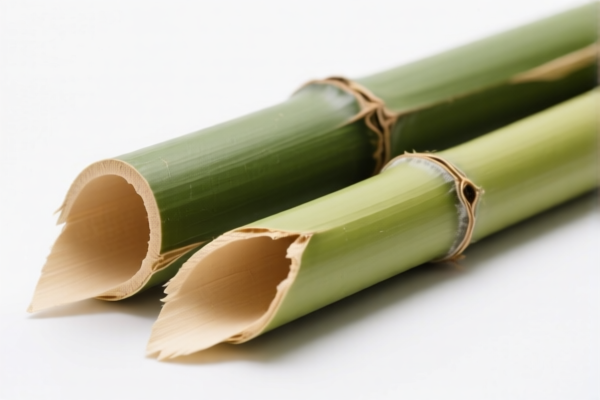
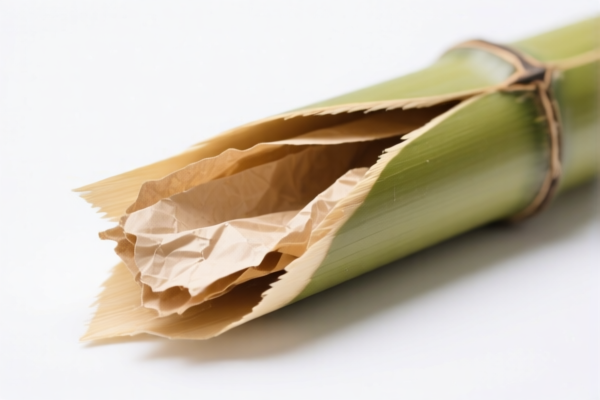
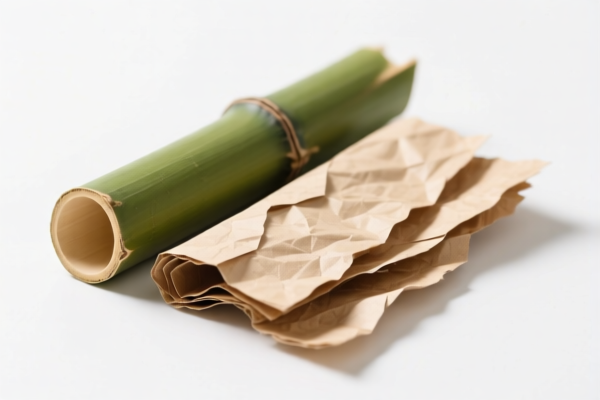
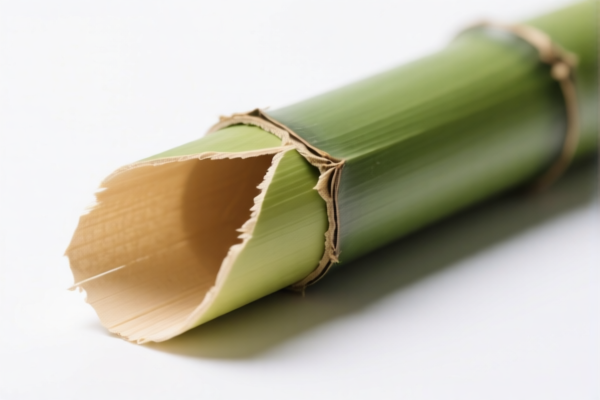
AI Analysis
🌿 Pulp Eco-Friendly Products (Biodegradable Paper & Pulp Materials)
🌐 HS Code Reference & Customs Clearance Guide | 2026 Latest Tariff Structure | Professional Clearance Strategy
📌 I. Product Definition & Classification: Understanding "Eco-Friendly Pulp"
In international trade, "Pulp Eco-Friendly Products" generally refer to raw materials derived from wood, chemical processes, or mechanical pulping, intended for manufacturing biodegradable packaging, tableware, or paper goods. Unlike finished consumer goods, these are classified as primary raw materials under Chapter 47 (Wood pulp and other fibrous cellulose pulp; waste and scrap of paper or paperboard).
Accurate classification depends on the production method (chemical vs. mechanical) and the form (primary state vs. semi-finished).
⚠️ Key Distinction:
- Chemical Wood Pulp: Produced via cooking wood chips with chemicals to isolate cellulose fibers → HS 4703
- Mechanical Wood Pulp: Produced via grinding or refining wood chips without removing lignin → HS 4701
- Other/Recycled Pulp: Made from waste paper, semi-chemical, or other fibrous materials → HS 4706
- Paper Board from Pulp: Final semi-finished paper products → HS 4823
📦 II. HS Code Classification Matrix (2026 Latest Tariff Authority)
| HS Code | Product Description | Primary Material State | Tax Rate (US/CN Origin) |
|---|---|---|---|
4703.11.00.00 |
Chemical Wood Pulp, dissolving grades | Primary chemical state, high purity | 35.0% |
4701.00.00.00 |
Wood Pulp, Mechanical (e.g., Groundwood) | Primary mechanical state | 35.0% |
4706.20.00.00 |
Pulp from Chemicals of Other Fibrous Cellulosic Materials | Semi-processed other fibers (e.g., straw, bamboo) | 35.0% |
4706.91.00.00 |
Pulp from Mechanical or Chemical of Other Fibrous Cellulosic Materials | Primary semi-chemical/mechanical other fibers | 35.0% |
4823.90.10.00 |
Paper/Paperboard, Other | Formed into sheets/board (semi-finished) | 35.0% |
🔍 Critical Note:
- All codes listed above attract a Total Tax of 35.0% for goods originating in China and imported into the US. - This rate is not the standard MFN (Most Favored Nation) rate. It includes Section 301 Additional Duties (25%) and Section 122 IEEPA Duties (10%). - Do not classify these as "Finished Eco-Products" (like molded cups) under Chapter 39 or 4803, as the prompt specifies Pulp Materials.
💰 III. 2026 Latest Tariff Rate Breakdown (Detailed Policy Analysis)
✅ Applicable Countries: United States (US)
✅ Country of Origin: China (CN)
✅ Effective Date: Current enforcement of Section 301 & IEEPA 122
🎯 1. Chemical Wood Pulp (4703.11.00.00)
| Item | Detail |
|---|---|
| Base Duty (MFN) | 0.0% |
| Section 301 Additional Duty | +25.0% (USITC Footnote 9903.88.01) |
| Section 122 (IEEPA) Duty | +10.0% (针对中国产品) |
| Total Effective Rate | 35.0% |
| De Minimis Exemption? | ❌ NO (deny_de_minimis) |
| Legal Path | Section 301: 4703.11.00 → IEEPA: 122 → Total 35% |
📌 Explanation:
- 0% Base: Wood pulp is often duty-free under normal MFN to protect manufacturing.
- 25% Section 301: Imposed due to trade tensions on Chinese goods.
- 10% IEEPA 122: Specific additional tariff on Chinese pulp/paper products under the International Emergency Economic Powers Act.
- Total 35%: This is a high barrier. Importers must budget for this significantly.
🎯 2. Mechanical Wood Pulp (4701.00.00.00)
| Item | Detail |
|---|---|
| Base Duty (MFN) | 0.0% |
| Section 301 Additional Duty | +25.0% |
| Section 122 (IEEPA) Duty | +10.0% |
| Total Effective Rate | 35.0% |
| De Minimis Exemption? | ❌ NO |
| Legal Path | Section 301: 4701.00.00 → IEEPA: 122 → Total 35% |
📌 Note:
- Mechanical pulp is commonly used for newspaper, cardboard, and eco-packaging.
- Despite being "eco-friendly," it is subject to the same punitive tariffs as chemical pulp.
🎯 3. Other Pulp Materials (4706.20.00.00 & 4706.91.00.00)
| Item | Detail |
|---|---|
| Base Duty (MFN) | 0.0% |
| Section 301 Additional Duty | +25.0% |
| Section 122 (IEEPA) Duty | +10.0% |
| Total Effective Rate | 35.0% |
| De Minimis Exemption? | ❌ NO |
📌 Note:
- Includes pulp from bamboo, bagasse, straw, or recycled waste paper that hasn't been formed into final paper sheets.
- These are often marketed as "Ultra-Eco." However, customs duty logic treats them identically to wood pulp.
🎯 4. Paper Products from Pulp (4823.90.10.00)
| Item | Detail |
|---|---|
| Base Duty (MFN) | 0.0% |
| Section 301 Additional Duty | +25.0% |
| Section 122 (IEEPA) Duty | +10.0% |
| Total Effective Rate | 35.0% |
| De Minimis Exemption? | ❌ NO |
📌 Note:
- If the "eco-product" is already formed into paper sheets, board, or molded forms (semi-finished), it falls here.
- Do not confuse with finished molded tableware (e.g., bowls/plates), which might fall under different chapters (e.g., 39 or 4803) with potentially different rates. Stick to the Pulp definition in the data.
🛠️ IV. Customs Clearance Practical Advice (Actionable Strategy)
✅ 1. Documentation Checklist (Mandatory)
| Document | Requirement | Reason |
|---|---|---|
| Commercial Invoice | Must clearly state "Wood Pulp," "Chemical/Mechanical," and Country of Origin: China. | Determining Section 301 and IEEPA applicability. |
| Certificate of Origin (CO) | Must be issued by Chinese authorities or recognized bodies. | Proof of CN origin to apply 35% tariff (vs. possible lower rates for non-CN). |
| Product Specification Sheet | Detail the pulping process (Chemical/Mechanical) and fiber source (Wood/Other). | Distinguishing between HS 4703, 4701, and 4706. |
| Bill of Lading | Consignee and Shipper details must match invoice. | Standard customs requirement. |
✅ 2. Classification Strategy (Key Tips)
🔥 "Know the Process, Know the Code!"
| Scenario | Correct HS Code | Reason |
|---|---|---|
| White, high-purity pulp from wood, made via cooking | 4703.11.00.00 |
Chemical Wood Pulp, Dissolving Grade |
| Brown pulp from ground wood, used for cardboard | 4701.00.00.00 |
Mechanical Wood Pulp |
| Pulp from Bamboo/Straw (Chemical process) | 4706.20.00.00 |
Other Fibrous Cellulosic Materials |
| Pulp from Recycled Waste | 4706.91.00.00 |
Pulp from waste paper (mechanical/chemical) |
| Molded Paper Sheets (not finished goods) | 4823.90.10.00 |
Paper/Paperboard, Other |
✅ 3. Cost Optimization Tips
- Verify Origin: If the pulp is processed in a third country (e.g., Vietnam, Malaysia) where substantial transformation occurs, you may avoid the China-specific 35% duty. However, simple blending does not qualify.
- Avoid De Minimis Abuse: Do not split large shipments into small packages to bypass duties under $800. The data explicitly states
deny_de_minimisfor these codes. Customs will scrutinize and penalize this. - Pre-Ruling: For large volumes, apply for a Binding Ruling from CBP to confirm the HS code and tariff liability before shipment. This prevents surprise assessments at the port.
🌍 V. Global Market Comparison (2026 Overview)
| Region | HS Code Focus | Estimated Duty (CN Origin) | Note |
|---|---|---|---|
| 🇺🇸 USA | 4703, 4701, 4706, 4823 | 35.0% | High tariffs due to Section 301 + IEEPA 122. |
| 🇪🇺 EU | 4703, 4701 | ~5-10% | No Section 301/IEEPA equivalents. Lower tariffs. |
| 🇨🇳 China | 4703, 4701 | 0% | Import duty often 0%, but VAT applies. |
| 🇬🇧 UK | 4703, 4701 | ~5-10% | Post-Brexit schedules vary, but generally lower than US. |
📌 Strategy:
If targeting the US market, factor the 35% tariff into your pricing model. Consider sourcing pulp from non-Chinese origins (e.g., Brazil, Canada, Sweden) if possible to mitigate this cost.
📌 VI. Common Mistakes & Pitfalls
❌ Mistake 1: Classifying finished molded plates as "Pulp" to avoid higher duties on finished goods.
👉 Risk: If the product is already formed, it may be classified under Chapter 48 (Paper Products) or 39 (Plastics), potentially with different but still high tariffs. Ensure you are importing raw pulp material as per the data.
❌ Mistake 2: Assuming "Eco-Friendly" grants tariff exemptions.
👉 Reality: "Eco-friendly" is a marketing term, not a customs classification term. It does not exempt you from Section 301 or IEEPA duties.
❌ Mistake 3: Under-declaring value to reduce duty.
👉 Risk: With a 35% effective duty, the incentive to under-declare is high, but the penalty for fraud is severe. Always declare CIF Value accurately.
🎯 VII. Conclusion: Professional Clearance for Pulp Products
🎯 Key Takeaway:
"Pulp is Pulp: 0% Base + 25% Section 301 + 10% IEEPA = 35% Total."
Whether it's wood, bamboo, or recycled, Chinese-origin pulp faces a uniform 35% tariff into the US.
✅ Action Plan: 1. Confirm the exact pulping process (Chemical/Mechanical/Other). 2. Verify Country of Origin (CN triggers the 35%). 3. Prepare detailed specs to justify the HS Code. 4. Budget for the 35% duty in your cost structure.
📣 Immediate Action:
📞 Consult a Customs Broker: Verify if your specific "eco-pulp" variant qualifies for any exemptions.
📄 Get a Pre-Ruling: Protect your business from unexpected 35% duty assessments.
🚀 Optimize Supply Chain: Consider non-CN sources if the 35% tariff impacts competitiveness.
✨ Accurate Classification Saves Money!
💼 Every percentage point in duty affects your bottom line!
Customer Reviews
About HS Code Classification
The Harmonized System (HS) is an internationally standardized nomenclature developed by the World Customs Organization (WCO) to classify traded products. Over 200 countries use the HS system as the basis for customs tariffs, trade statistics, and import/export regulations.
Each HS code follows a hierarchical structure:
- Chapter (2 digits) — Broad category of goods (e.g., Chapter 84: Machinery and Mechanical Appliances)
- Heading (4 digits) — More specific grouping within the chapter
- Subheading (6 digits) — Internationally standardized breakdown, used by all WCO member countries
- National subdivisions (8-10 digits) — Country-specific extensions for further classification, such as US HTSUS 10-digit codes
Correct HS code classification is essential for smooth customs clearance, accurate duty payment, and compliance with trade regulations. Misclassification can lead to customs delays, overpayment of duties, or penalties.
When importing from CN to US, the applicable tariff rates may include:
- Most-Favored-Nation (MFN) rate — The standard duty rate applied to WTO members
- General rate — Applied to countries without trade agreements
- Trade remedy duties — Additional tariffs such as Section 301 (anti-dumping), Section 232 (national security), or countervailing duties
The information provided on this page is for reference purposes only. For official classification, please consult with your local customs authority or a licensed customs broker.