Pulp Modern Art
CN → US| HS Code | Tariff Rate | Origin | Destination | Doc |
|---|---|---|---|---|
| 4823902000 | 35.0% | CN | US | Official Doc |
| 4823700040 | 35.0% | CN | US | Official Doc |
| 3926400090 | 15.3% | CN | US | Official Doc |
| 4421919880 | 38.3% | CN | US | Official Doc |
| 4421999880 | 38.3% | CN | US | Official Doc |
Product Images
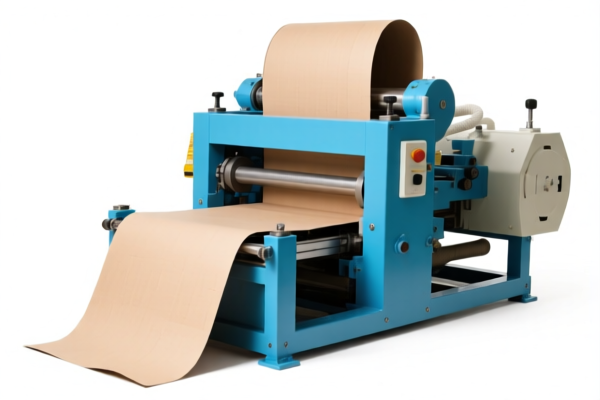
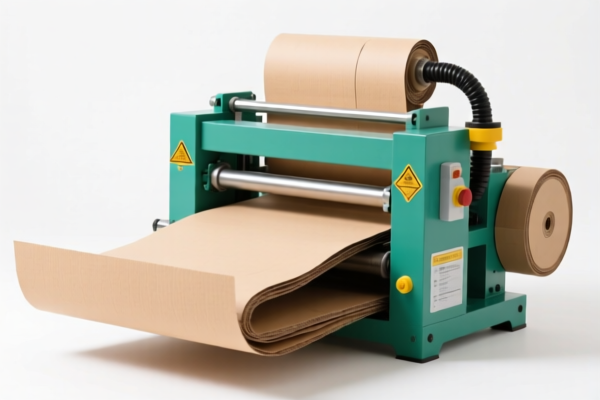
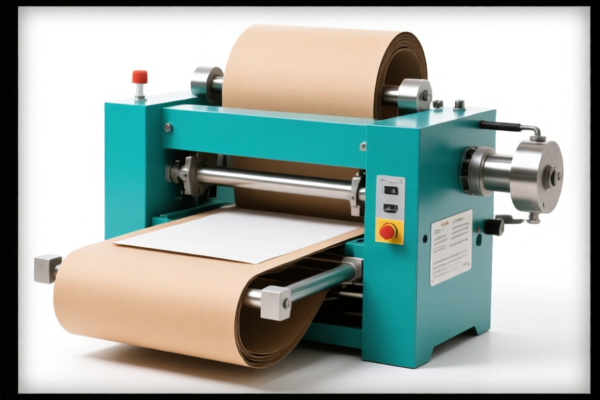
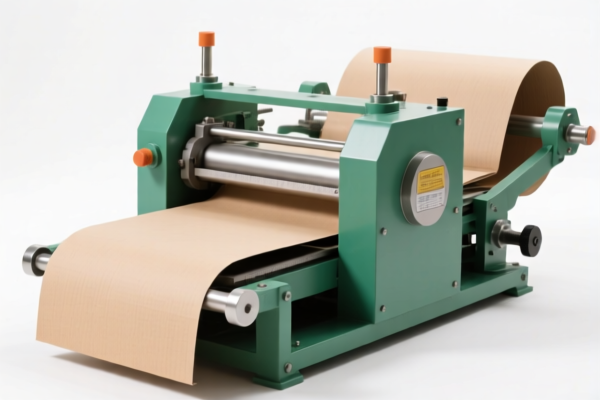
AI Analysis
🎨 Pulp Modern Art (Pulp Molded / Paper Pulp Products)
🌐 HS Code Reference & Clearance Guide | 2026 Latest Tariff Analysis | Professional Customs Strategy
📌 I. Product Definition & Classification: What Exactly Is "Pulp Modern Art"?
"Pulp Modern Art" typically refers to decorative items, sculptures, or molded shapes made from paper pulp or fibrous materials. In international trade, these products are often categorized based on their material composition and final form. They can range from simple molded trays to artistic sculptures made from recycled paper or wood-based fibers.
Key Distinction:
- Paper Pulp Products: Made primarily from processed paper fibers → Often classified under Chapter 48.
- Wood-Based Fiber Products: Made from wood pulp or lignocellulosic materials → Often classified under Chapter 44.
- Decorative Articles: If the primary function is decoration and not structural, it may fall under Chapter 39 or 49, depending on material.
⚠️ Critical Point:
- If the product is molded paper pulp (e.g., egg cartons, molded packaging, artistic shapes) → Chapter 48.
- If it is wood-based (e.g., fiberboard, pressed wood pulp items) → Chapter 44.
- If it is considered a decoration with uncertain material → Chapter 39 (synthetic/resin-bound) or Chapter 44 (wood).
📦 II. HS Code Classification Matrix (2026 Latest Tariff Reference)
Based on the provided data, here are the four possible HS Codes for "Pulp Modern Art" items:
| HS Code | Product Description | Material | Form | Key Characteristics |
|---|---|---|---|---|
4823.90.20.00 |
Paper Pulp Shapes | Paper Pulp | Molded Shapes | Made from paper pulp, formed into specific artistic or structural shapes. |
4823.70.00.40 |
Molded or Pressed Pulp Articles | Paper Pulp | Molded/Pressed | Includes molded or pressed products made from pulp (e.g., trays, containers, art pieces). |
3926.40.00.90 |
Other Decorations | Fibrous/Paper Material | Decorative Items | Non-specified decorations made from fibrous or paper-like materials. |
4421.91.98.80 |
Other Wood Products | Paper Pulp (Lignocellulosic) | Non-Specific | Wood-based pulp products not elsewhere specified. |
4421.99.98.80 |
Other Wood Products | Paper Pulp (Fibrous/Wood) | Non-Specific | Similar to above, but for other wood pulp items. |
🔍 Key Insight:
- Chapter 48 (4823.90.20.00,4823.70.00.40) applies to paper pulp items.
- Chapter 44 (4421.91.98.80,4421.99.98.80) applies to wood-based pulp items.
- Chapter 39 (3926.40.00.90) applies to decorative items of uncertain or synthetic/fibrous material.
💰 III. 2026 Tariff Rate Breakdown (Including Surtaxes & Policy Surcharges)
✅ Applicable Country: United States (US)
✅ Country of Origin: China (CN)
✅ Effective Date: From November 10, 2025 (and subsequent imports)
🎯 1. 4823.90.20.00 – Paper Pulp Shapes
| Item | Detail |
|---|---|
| Base Tariff | 0.0% |
| Section 301 Surtax | +25.0% |
| IEEPA Surtax (122 Clause) | +10.0% |
| Total Tariff Rate | 35.0% |
| Tax Calculation | CIF Value × 35% |
| De Minimis Exemption Eligible? | ❌ No (Not eligible for de minimis) |
| Legal Basis Path | IEEPA:9903.01.25 → IEEPA:9903.01.24 → USITC:4823.90.20.00 → FOOTNOTE:9903.88.01 |
📌 Explanation:
- 25% Section 301 Surtax: Applied to many Chinese-origin goods under US Trade Act Section 301.
- 10% IEEPA Surtax: Imposed on Chinese goods under the International Emergency Economic Powers Act.
- Total 35%: High tariff burden requires careful cost planning.
🎯 2. 4823.70.00.40 – Molded or Pressed Pulp Articles
| Item | Detail |
|---|---|
| Base Tariff | 0.0% |
| Section 301 Surtax | +25.0% |
| IEEPA Surtax (122 Clause) | +10.0% |
| Total Tariff Rate | 35.0% |
| Tax Calculation | CIF Value × 35% |
| De Minimis Exemption Eligible? | ❌ No |
| Legal Basis Path | IEEPA:9903.01.25 → IEEPA:9903.01.24 → USITC:4823.70.00.40 → FOOTNOTE:9903.88.01 |
📌 Note:
- Same tariff structure as4823.90.20.00.
- Applies to molded or pressed paper pulp items, including art pieces, trays, or packaging.
🎯 3. 3926.40.00.90 – Other Decorations
| Item | Detail |
|---|---|
| Base Tariff | 5.3% |
| Section 301 Surtax | 0.0% |
| IEEPA Surtax (122 Clause) | +10.0% |
| Total Tariff Rate | 15.3% |
| Tax Calculation | CIF Value × 15.3% |
| De Minimis Exemption Eligible? | ❌ No |
| Legal Basis Path | IEEPA:9903.01.25 → USITC:3926.40.00.90 → FOOTNOTE:9903.88.01 |
📌 Note:
- Lower base tariff (5.3%) but still subject to 10% IEEPA surtax.
- Applies if the item is classified as a decoration with unclear or synthetic/fibrous material.
🎯 4. 4421.91.98.80 & 4421.99.98.80 – Other Wood Products
| Item | Detail |
|---|---|
| Base Tariff | 3.3% |
| Section 301 Surtax | +25.0% |
| IEEPA Surtax (122 Clause) | +10.0% |
| Total Tariff Rate | 38.3% |
| Tax Calculation | CIF Value × 38.3% |
| De Minimis Exemption Eligible? | ❌ No |
| Legal Basis Path | IEEPA:9903.01.25 → IEEPA:9903.01.24 → USITC:4421.91.98.80 / 4421.99.98.80 → FOOTNOTE:9903.88.01 |
📌 Note:
- Highest total tariff (38.3%) among all options.
- Applies if the product is classified as wood-based pulp (lignocellulosic fibers).
- Misclassification here can lead to significant cost increases.
🛠️ IV. Customs Clearance Practical Advice (Avoid Pitfalls)
✅ 1. Document Checklist (Mandatory)
| Document | Required | Description |
|---|---|---|
| ✅ Product Specification Sheet | ✔️ | Includes material composition, dimensions, weight, and intended use. |
| ✅ Material Composition Statement | ✔️ | Clearly states if the product is paper pulp, wood pulp, or fibrous. |
| ✅ Product Photos | ✔️ | Clear images showing shape, texture, and any branding. |
| ✅ Commercial Invoice | ✔️ | Must specify "Pulp Molded Art" or similar, with accurate HS Code. |
| ✅ Packing List | ✔️ | Details packaging, weight, and dimensions. |
| ✅ Certificate of Origin (CO) | ✔️ | Required for tariff determination and potential exemptions. |
| ✅ Third-Party Test Report | ✔️ | If applicable, for material safety (e.g., flammability, toxicity). |
✅ 2. Declaration Tips (Key Strategies)
🔥 "Know Your Material, Declare Accurately, Avoid Over-Taxing!"
| Scenario | Correct Declaration | Incorrect Declaration |
|---|---|---|
| Paper Pulp Art Piece | 4823.90.20.00 or 4823.70.00.40 |
Misclassified as 4421.91.98.80 → 38.3% instead of 35% |
| Wood-Based Pulp Item | 4421.91.98.80 or 4421.99.98.80 |
Misclassified as 3926.40.00.90 → 15.3% (but audit risk!) |
| Decorative Fiber Item | 3926.40.00.90 |
Misclassified as 4823.90.20.00 → 35% instead of 15.3% |
| Mixed Material Art | Provide material breakdown | Vague description → Delays or penalties |
✅ 3. Special Cases & Handling
| Case | Recommendation |
|---|---|
| Recycled Paper Pulp Art | Provide proof of recycled content; may qualify for environmental incentives in some markets. |
| Wood-Based Pulp | Ensure classification under Chapter 44, not Chapter 48. |
| Decorative vs. Functional | If primarily decorative, consider 3926.40.00.90 (15.3%). If functional, use 4823 or 4421. |
| OEM/Custom Art Pieces | Provide design specs and material details to avoid misclassification. |
🌍 V. Global Market Comparison (2026 Latest)
| Country/Region | Recommended HS Code | Tariff | Certification | Notes |
|---|---|---|---|---|
| 🇺🇸 USA | 4823.90.20.00 / 4823.70.00.40 |
35% | None | High tariff due to Section 301 + IEEPA. |
| 🇺🇸 USA | 3926.40.00.90 |
15.3% | None | Lower if classified as decoration. |
| 🇺🇸 USA | 4421.91.98.80 |
38.3% | None | Highest tariff; avoid if possible. |
| 🇨🇳 China | 4823.90.20.00 |
5–10% | None | Lower import duties. |
| 🇪🇺 EU | 4823.90.20.00 |
0–6.5% | CE, REACH | No surtaxes; standard EU duties apply. |
| 🇬🇧 UK | 4823.90.20.00 |
0–6.5% | UKCA | Post-Brexit duties similar to EU. |
📌 Conclusion:
- USA imposes the highest tariffs on Chinese-origin pulp art.
- EU/UK have lower or no additional surtaxes.
- Material classification is critical to minimize duties.
📌 VI. Common Mistakes & Pitfalls (Lessons Learned)
❌ Mistake 1: Classifying paper pulp as wood products
👉 Consequence: Tariff jumps from 35% to 38.3% + audit risk.
❌ Mistake 2: Classifying wood pulp as paper pulp
👉 Consequence: Tariff drops from 38.3% to 35%, but customs may penalize for misclassification.
❌ Mistake 3: Using vague terms like "Art Piece" without material details
👉 Consequence: Customs delays, reclassification, or penalties.
❌ Mistake 4: Ignoring IEEPA 10% surtax
👉 Consequence: Unexpected costs at customs clearance.
✅ Correct Approach:
"Paper Pulp Molded Sculpture, Recycled Paper Material, 30x30x10cm, Artistic Decor, HS 4823.90.20.00"
🎯 VII. Conclusion: Precision in Classification Saves Costs!
🎯 Key Takeaways:
🔹 "Material Matters: Paper vs. Wood vs. Decoration"
🔹 "Chapter 48: Paper Pulp (35%) vs. Chapter 44: Wood Pulp (38.3%)"
🔹 "Chapter 39: Decoration (15.3%) if applicable"
🔹 "Always declare material composition clearly to avoid penalties!"
📌 Pro Tip:
If your product is not made in China, you may be eligible for IEEPA exemptions or lower tariffs.
Consider applying for an Advance Ruling from US Customs to confirm the correct HS Code.
📣 Take Action Now:
📞 Consult a licensed customs broker
📸 Provide product photos and material specs
📄 Apply for HS Code Advance Ruling
🚀 Ensure smooth clearance and optimize costs!
✨ Precise Classification, Smoother Clearance!
💼 Every percent saved counts in global trade!
Customer Reviews
About HS Code Classification
The Harmonized System (HS) is an internationally standardized nomenclature developed by the World Customs Organization (WCO) to classify traded products. Over 200 countries use the HS system as the basis for customs tariffs, trade statistics, and import/export regulations.
Each HS code follows a hierarchical structure:
- Chapter (2 digits) — Broad category of goods (e.g., Chapter 84: Machinery and Mechanical Appliances)
- Heading (4 digits) — More specific grouping within the chapter
- Subheading (6 digits) — Internationally standardized breakdown, used by all WCO member countries
- National subdivisions (8-10 digits) — Country-specific extensions for further classification, such as US HTSUS 10-digit codes
Correct HS code classification is essential for smooth customs clearance, accurate duty payment, and compliance with trade regulations. Misclassification can lead to customs delays, overpayment of duties, or penalties.
When importing from CN to US, the applicable tariff rates may include:
- Most-Favored-Nation (MFN) rate — The standard duty rate applied to WTO members
- General rate — Applied to countries without trade agreements
- Trade remedy duties — Additional tariffs such as Section 301 (anti-dumping), Section 232 (national security), or countervailing duties
The information provided on this page is for reference purposes only. For official classification, please consult with your local customs authority or a licensed customs broker.