Pulp Wedding Decorations
CN → US| HS Code | Tariff Rate | Origin | Destination | Doc |
|---|---|---|---|---|
| 9505906000 | 10.0% | CN | US | Official Doc |
| 4823901000 | 35.0% | CN | US | Official Doc |
| 9505105020 | 10.0% | CN | US | Official Doc |
| 4602198000 | 37.3% | CN | US | Official Doc |
| 4602900000 | 38.5% | CN | US | Official Doc |
Product Images

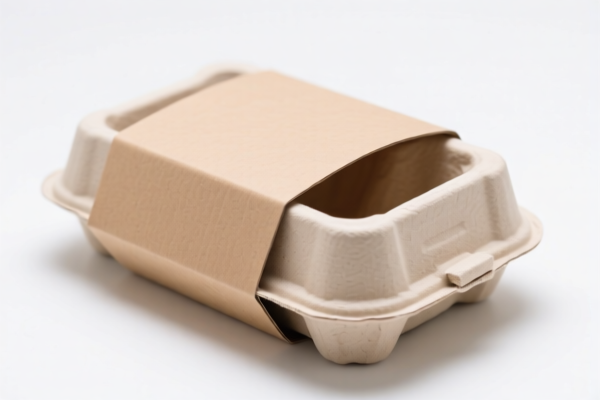
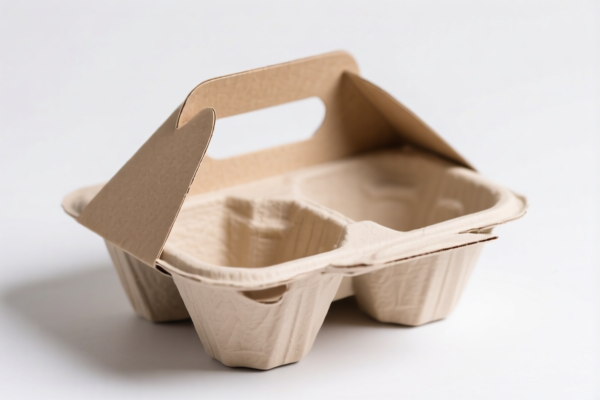
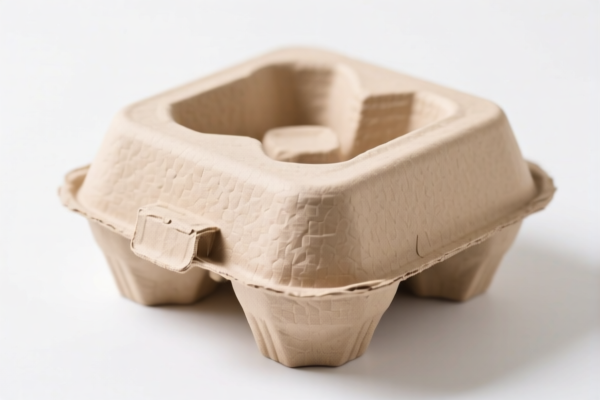
AI Analysis
🎀 Pulp Wedding Decorations (纸浆婚礼装饰)
🌐 HS Code Reference & Clearance Guide | 2026 Latest Tariff Analysis | Professional Entry Strategies
📌 I. Product Definition & Classification: Do You Really Understand "Pulp Decorations"?
Pulp wedding decorations are lightweight, eco-friendly ornamental items made from molded paper pulp. In international trade, their classification depends heavily on whether they are considered "specific festive articles" or "general paper/woven products." This distinction drastically affects the tax burden, especially under current US trade policies.
⚠️ Key Distinction Point:
- If the item is explicitly designed for festivals/holidays (e.g., Christmas, Halloween, or general "Festive" branding) → Eligible for Chapter 95 (Toys, Games, Sporting Goods), often resulting in lower base tariffs.
- If the item is considered a general paper product or woven fiber article → Falls under Chapter 46/48, triggering higher additional tariffs (Section 301 + IEEPA).
- Crucial Note: "Wedding" itself is not a "Festival" under HS Chapter 95 notes. Customs may challenge "Wedding Decorations" as falling under Chapter 95 unless broadly categorized as "Festive Articles."
📦 II. HS Code Classification Details (2026 Latest Tariff Authority Comparison)
| HS Code | Product Description | Application Scenario | Tax Logic |
|---|---|---|---|
9505.90.60.00 |
Pulp festive decorations, used for festive decoration, material is pulp, falls within the scope of festive articles | General "Festive" pulp decorations (e.g., themed centerpieces, ornaments) | ✅ Best Case: Lowest Base + Section 301 exemption for this subheading |
4823.90.10.00 |
Pulp festive decorations, material is pulp, belongs to other paper制品, no material conflict | Generic paper/pulp decorative items not strictly "festive" | ⚠️ High Additional Tariffs apply |
9505.10.50.20 |
Pulp festive decorations, used for festival decoration, material is pulp, fits Christmas/holiday articles | Christmas-specific pulp decorations | ✅ Best Case: Similar to 9505.90.60, low base tariff |
4602.19.80.00 |
Pulp wedding decorations, material is plant fiber, fits woven/similar articles definition | Pulp items interpreted as "woven plant fibers" | ❌ Highest Tax Burden |
4602.90.00.00 |
Pulp wedding decorations, material is woven/fiber raw material, fits woven articles category | General woven fiber pulp items | ❌ Highest Tax Burden |
🔍 Key Reminder:
- Chapter 95 (9505) is the "Golden Path" if you can prove the items are Festive Articles.
- Chapter 46/48 traps occur if customs views "Pulp" as "Woven Fiber" or "Paper Product."
- Wedding is NOT a public holiday/festival in HS definitions. You MUST frame them as "Festive Decorations" or "Christmas/Holiday Ornaments" to qualify for Chapter 95.
💰 III. 2026 Latest Tariff Rate Breakdown (Including Additional Taxes, Policy Add-ons)
✅ Applicable Country: United States (US)
✅ Origin: China (CN)
✅ Effective Time: From November 10, 2025 (and subsequent imports)
🎯 1. 9505.90.60.00 —— Festive Decorations, Pulp (General)
| Item | Details |
|---|---|
| Base Tariff | 0% (ad valorem) |
| Section 301 (USITC) Additional Tariff | 0% (Exempted for this specific subheading under current trade measures) |
| IEEPA Additional Tariff | +10% (For Chinese/HK products, effective Nov 10, 2025) |
| Total Tariff Rate | 10% |
| Tax Calculation | CIF Value × 10% |
| De Minimis Eligibility | ❌ No (deny_de_minimis) |
| Legal Basis Path | IEEPA:9903.01.25 → USITC:9505.90.60.00 (Note: Section 301 footnote 9903.88.01 may not apply or has 0% for this code) |
📌 Explanation:
- This is the most cost-effective classification.
- The 0% Section 301 rate is critical. Many other decorative items face 25% additional tariffs.
- The 10% IEEPA is the only charge.
🎯 2. 4823.90.10.00 —— Other Paper Articles, Pulp
| Item | Details |
|---|---|
| Base Tariff | 0% |
| Section 301 (USITC) Additional Tariff | +25% (Under USITC Footnote 9903.88.01) |
| IEEPA Additional Tariff | +10% |
| Total Tariff Rate | 35% |
| Tax Calculation | CIF × 35% |
| De Minimis Eligibility | ❌ No |
| Legal Basis Path | IEEPA:9903.01.25 → IEEPA:9903.01.24 → USITC:4823.90.10.00 → FOOTNOTE:9903.88.01 |
📌 Warning:
- If classified here, you pay 35% instead of 10%.
- This happens if customs rejects "Festive" claim and views it as general paper.
🎯 3. 9505.10.50.20 —— Christmas/Festive Decorations, Pulp
| Item | Details |
|---|---|
| Base Tariff | 0% |
| Section 301 (USITC) Additional Tariff | 0% |
| IEEPA Additional Tariff | +10% |
| Total Tariff Rate | 10% |
| Tax Calculation | CIF × 10% |
| De Minimis Eligibility | ❌ No |
| Legal Basis Path | IEEPA:9903.01.25 → USITC:9505.10.50.20 |
📌 Note:
- Only applicable if decorations are Christmas-specific.
- Same optimal 10% rate.
🎯 4. 4602.19.80.00 —— Woven Plant Fiber Articles (Pulp)
| Item | Details |
|---|---|
| Base Tariff | 2.3% |
| Section 301 (USITC) Additional Tariff | +25% |
| IEEPA Additional Tariff | +10% |
| Total Tariff Rate | 37.3% |
| Tax Calculation | CIF × 37.3% |
| De Minimis Eligibility | ❌ No |
| Legal Basis Path | IEEPA:9903.01.25 → USITC:4602.19.80.00 → FOOTNOTE:9903.88.01 |
📌 Warning:
- Pulp is often misclassified as "woven plant fibers" (Chapter 46).
- High base tariff (2.3%) + 25% Section 301 + 10% IEEPA.
🎯 5. 4602.90.00.00 —— Other Woven Articles
| Item | Details |
|---|---|
| Base Tariff | 3.5% |
| Section 301 (USITC) Additional Tariff | +25% |
| IEEPA Additional Tariff | +10% |
| Total Tariff Rate | 38.5% |
| Tax Calculation | CIF × 38.5% |
| De Minimis Eligibility | ❌ No |
| Legal Basis Path | IEEPA:9903.01.25 → USITC:4602.90.00.00 → FOOTNOTE:9903.88.01 |
📌 Warning:
- The highest tax burden option.
- Avoid this classification at all costs for pulp decorations.
🛠️ IV. Clearance Practical Advice (Real-World Pitfall Guide)
✅ 1. Preparation Checklist (Non-Negotiable)
| Document | Mandatory? | Explanation |
|---|---|---|
| ✅ Product Specs | ✔️ | Must describe "Molded Paper Pulp," "Festive Use," not just "Wedding Decor" |
| ✅ Photos | ✔️ | Show festive themes (e.g., stars, trees, generic party shapes) rather than just "bride/groom" if claiming Chapter 95 |
| ✅ Commercial Invoice | ✔️ | Use term "Festive Decoration" or "Party Ornament" instead of only "Wedding Decoration" |
| ✅ Material Declaration | ✔️ | Confirm 100% Paper Pulp (not plastic-coated if claiming pure pulp) |
| ✅ HS Code Pre-Ruling | ✔️ | Critical! Apply for Advance Ruling to confirm Chapter 95 eligibility |
✅ 2. Declaration Tips (Key Mantra)
🔥 "Name it Festive, Claim Chapter 95, Avoid Chapter 46/48, Save 25%!"
| Scenario | Correct Declaration | Wrong Approach |
|---|---|---|
| Generic Pulp Ornaments | 9505.90.60.00 (Festive Decorations) |
"Wedding Decoration" → Risk of Chapter 46/48 |
| Christmas Trees/Ornaments | 9505.10.50.20 |
"Paper Craft" → Risk of Chapter 48 |
| Pulp "Woven" Look Items | 9505.90.60.00 (If molded, not woven) |
4602.xxxx → 37-38% Tax |
| Mixed Materials (Pulp + Plastic) | Check material % | Pure plastic parts may shift to Chapter 39 |
✅ 3. Special Circumstances
| Situation | Handling Advice |
|---|---|
| "Wedding" vs "Festive" | Customs may reject "Wedding" as "Festive." Use "Festive Party Decorations" in invoice. |
| Pulp vs Paper | "Pulp" is molded. "Paper" is flat. Chapter 48 (Paper) has 35% tax. Chapter 95 (Pulp Molds) has 10%. Ensure it's molded! |
| Plastic Coating | If heavily plastic-coated, customs may classify as plastic (Chapter 39) or refuse Chapter 95. |
| Small Samples | ❌ No De Minimis. Even small quantities face 10%-38% tariffs. |
🌍 V. Global Market Clearance Comparison (2026 Latest)
| Country/Region | Recommended HS Code | Tariff (China Origin) | Certification | Notes |
|---|---|---|---|---|
| 🇺🇸 USA | 9505.90.60.00 |
10% (10% IEEPA only) | None specific | Best Option. Avoid 35-38% rates. |
| 🇺🇸 USA | 4823.90.10.00 |
35% | None | Risk if misclassified. |
| 🇨🇳 China | 9505.90.60.00 |
5-10% | N/A | Import duty applies, but no Section 301/IEEPA. |
| 🇪🇺 EU | 9505.00.90 |
0-6.5% | CE (if applicable) | No IEEPA/Section 301. |
| 🇬🇧 UK | 9505.10.00 |
0-12% | UKCA | Post-Brexit rules apply. |
📌 Conclusion:
- USA is the most critical market for tariff optimization.
- Chapter 95 (10%) vs Chapter 46/48 (35-38.5%) is a 25-28% difference.
- Proactive classification is essential.
📌 VI. Common Mistakes & Pitfall Guide (Lessons Learned)
❌ Mistake 1: Using "Wedding Decoration" as the sole description
👉 Consequence: Customs may doubt Chapter 95 eligibility and default to Chapter 46/48 → 35%+ Tax.
👉 Fix: Use "Festive Party Decoration" or "Holiday Ornament" in English declaration.
❌ Mistake 2: Classifying molded pulp as "Woven Fiber"
👉 Consequence: Falls under 4602.xxxx → 37.3-38.5% Tax.
👉 Fix: Emphasize "Molded Paper Pulp" in specs, not "Woven."
❌ Mistake 3: Ignoring IEEPA 10% in Chapter 95
👉 Consequence: Underestimating cost. Even Chapter 95 has 10% IEEPA.
👉 Fix: Budget for 10% minimum for US imports.
✅ Correct Declaration Example:
"MOLD PAPER PULP FESTIVE DECORATIONS, FOR PARTY USE, MODEL XYZ, 100% PULP"
🎯 VII. Conclusion: Smart Classification Saves Money!
🎯 Remember the Mantra:
🔹 "Chapter 95 = 10%, Chapter 46/48 = 35%+."
🔹 "Wedding is not Festive, but Party/Festival is."
🔹 "Molded Pulp, Not Woven Fiber."
📌 Pro Tip:
- If your pulp decorations are Christmas-themed, use
9505.10.50.20.- If generic, use
9505.90.60.00.- Avoid
4823.90.10.00and4602.xxxxunless you have no choice.- Apply for an Advance Ruling from US CBP to lock in the 10% rate.
📣 Immediate Action:
📞 Contact Customs Broker + Provide Product Photos + Request Chapter 95 Classification
🚀 Optimize your supply chain, reduce tax burden, and boost margins!
✨ Professional clearance starts with accurate classification!
💼 Every dollar of tax saved is profit earned!
Customer Reviews
About HS Code Classification
The Harmonized System (HS) is an internationally standardized nomenclature developed by the World Customs Organization (WCO) to classify traded products. Over 200 countries use the HS system as the basis for customs tariffs, trade statistics, and import/export regulations.
Each HS code follows a hierarchical structure:
- Chapter (2 digits) — Broad category of goods (e.g., Chapter 84: Machinery and Mechanical Appliances)
- Heading (4 digits) — More specific grouping within the chapter
- Subheading (6 digits) — Internationally standardized breakdown, used by all WCO member countries
- National subdivisions (8-10 digits) — Country-specific extensions for further classification, such as US HTSUS 10-digit codes
Correct HS code classification is essential for smooth customs clearance, accurate duty payment, and compliance with trade regulations. Misclassification can lead to customs delays, overpayment of duties, or penalties.
When importing from CN to US, the applicable tariff rates may include:
- Most-Favored-Nation (MFN) rate — The standard duty rate applied to WTO members
- General rate — Applied to countries without trade agreements
- Trade remedy duties — Additional tariffs such as Section 301 (anti-dumping), Section 232 (national security), or countervailing duties
The information provided on this page is for reference purposes only. For official classification, please consult with your local customs authority or a licensed customs broker.