Pulse Machine
CN → US| HS Code | Tariff Rate | Origin | Destination | Doc |
|---|---|---|---|---|
| 9018195500 | 35.0% | CN | US | Official Doc |
| 9018199530 | 35.0% | CN | US | Official Doc |
| 8543708500 | 35.0% | CN | US | Official Doc |
| 8543709810 | 37.6% | CN | US | Official Doc |
Product Images
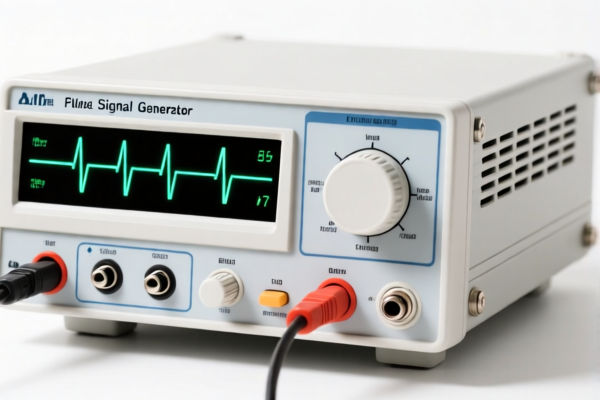
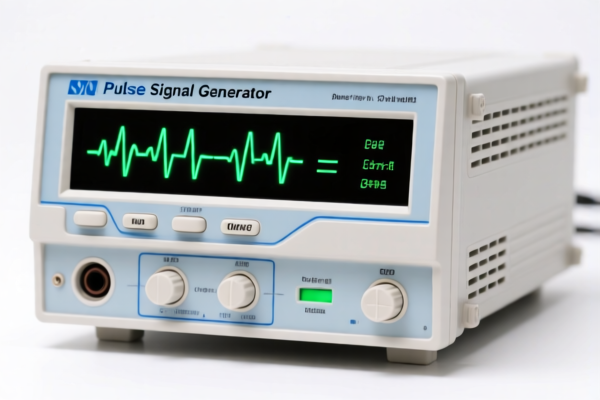
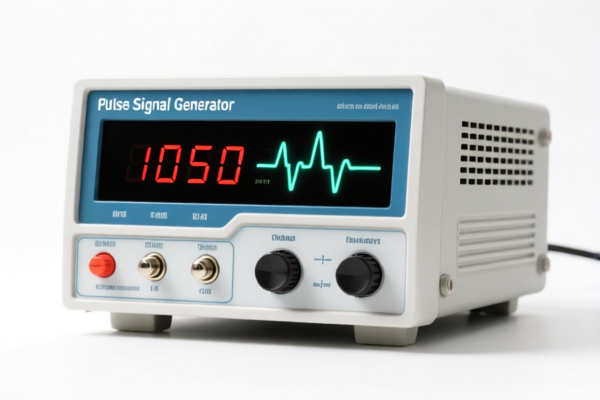
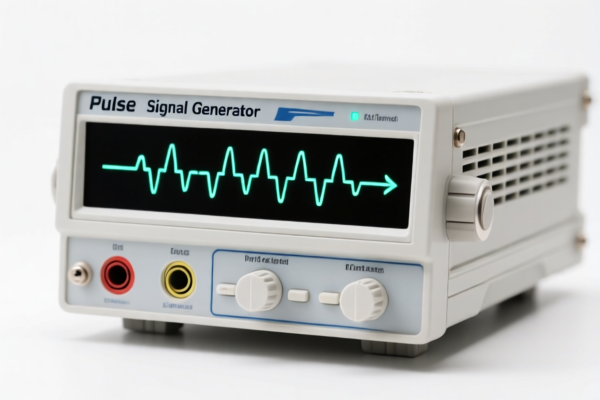
AI Analysis
⚡ Pulse Machines & Electrical Apparatus (Medical & Industrial)
🌐 HS Code Reference & Customs Clearance Guide | 2024/2026 Tariff Analysis | Professional Compliance Strategy
📌 I. Product Definition & Classification: What is a "Pulse Machine"?
In international trade, the term "Pulse Machine" is ambiguous and can refer to two distinct categories of goods: 1. Medical/Therapeutic Devices: Devices used for electro-nervous stimulation (e.g., TENS units, nerve stimulators) or physiological monitoring. These fall under Chapter 90 (Medical Instruments). 2. General Electrical Apparatus: Devices with specific functions not elsewhere specified, such as signal amplifiers or industrial pulse generators. These fall under Chapter 85 (Electrical Machinery).
⚠️ Critical Distinction:
- If the device is designed for medical diagnosis, treatment, or patient monitoring (e.g., stimulating nerves, monitoring vitals) → It belongs to HS 9018.
- If the device is a general-purpose electrical apparatus (e.g., an amplifier or generic pulse generator without specific medical claims) → It belongs to HS 8543.
- Misclassification Risk: Declaring a medical nerve stimulator as a general electrical machine can lead to penalties, as medical devices often require FDA/CE certification and specific duty treatments.
📦 II. HS Code Classification Details (Based on Provided Data)
The following HS Codes are derived strictly from the provided dataset. They cover both Electrical Apparatus (Ch. 85) and Medical Instruments (Ch. 90).
| HS Code | Product Description | Category | Tax Structure (Total) |
|---|---|---|---|
| 8543.70.85.00 | Electrical machines and apparatus... For electrical nerve stimulation | General Electrical / Nerve Stim | 25.0% |
| 8543.70.98.10 | Electrical machines... Other Amplifiers | General Electrical / Amplifier | 27.6% |
| 9018.19.55.00 | Electro-diagnostic apparatus... Patient monitoring systems | Medical / Monitoring | 25.0% |
| 9018.19.95.30 | Electro-diagnostic apparatus... Basal metabolism and blood pressure apparatus | Medical / Diagnostic | 25.0% |
🔍 Key Insight:
- HS 8543.70.85.00 is the most direct classification for "Nerve Stimulation" devices that are not classified as full electro-diagnostic apparatus.
- HS 9018.19.55.00 applies if the device is part of a patient monitoring system (often integrated into nerve stimulators or rehab equipment).
- HS 9018.19.95.30 is specific to metabolic/blood pressure diagnostics, less common for general "pulse" machines unless specifically for these vitals.
- HS 8543.70.98.10 is for Amplifiers (e.g., signal boosters for pulse devices), not the machine itself.
💰 III. Tariff Rate Breakdown (Detailed Tax Analysis)
Based on the provided data, all listed items are subject to additional tariffs (likely Section 301 or similar trade measures, indicated by the "25.0%" surcharge).
🎯 1. 8543.70.85.00 – Electrical Apparatus for Nerve Stimulation
- Description: Electrical machines having individual functions, specifically for electrical nerve stimulation.
- Tax Breakdown:
- Base Duty: 0.0%
- Additional Duty: 25.0%
- Total Duty: 25.0%
- Applicability: Suitable for TENS units, EMS (Electrical Muscle Stimulation) devices, and other nerve stimulators that do not qualify as complex electro-diagnostic apparatus under Chapter 90.
🎯 2. 8543.70.98.10 – Other Amplifiers
- Description: Other electrical machines and apparatus, specifically other amplifiers.
- Tax Breakdown:
- Base Duty: 2.6%
- Additional Duty: 25.0%
- Total Duty: 27.6%
- Applicability: Use this only if the "pulse machine" is essentially a signal amplifier or if you are importing amplifier components. Do not use for standalone nerve stimulators.
🎯 3. 9018.19.55.00 – Patient Monitoring Systems
- Description: Electro-diagnostic apparatus, specifically patient monitoring systems.
- Tax Breakdown:
- Base Duty: 0.0%
- Additional Duty: 25.0%
- Total Duty: 25.0%
- Applicability: If the pulse machine is integrated with sensors to monitor vital signs (e.g., heart rate, nerve response) during stimulation, it may fall here.
🎯 4. 9018.19.95.30 – Basal Metabolism & Blood Pressure Apparatus
- Description: Electro-diagnostic apparatus, specifically for basal metabolism and blood pressure.
- Tax Breakdown:
- Base Duty: 0.0%
- Additional Duty: 25.0%
- Total Duty: 25.0%
- Applicability: Only applicable if the device is specifically designed to measure metabolism or blood pressure, not general pulse stimulation.
🛠️ IV. Customs Clearance Recommendations
✅ 1. Documentation Requirements
To ensure smooth clearance for "Pulse Machines," prepare the following: * Product Specification Sheet: Clearly state if the device is for medical use (nerve stimulation, monitoring) or industrial/general use (amplification). * Intended Use Statement: Explicitly declare the function. Example: "This device is for transcutaneous electrical nerve stimulation (TENS) and does not include diagnostic features." * Certifications: * For HS 8543: FCC (USA), CE (EU), RoHS compliance. * For HS 9018: FDA 510(k) clearance (if medical), CE MDR certification. * Commercial Invoice: Accurately describe the product using the HS Code description. Avoid vague terms like "Pulse Machine." Use "Electrical Nerve Stimulation Device" or "Patient Monitoring System."
✅ 2. Classification Strategy (Avoiding Errors)
| Scenario | Recommended HS Code | Why? |
|---|---|---|
| TENS Unit / EMS Stimulator | 8543.70.85.00 |
It is an electrical machine for nerve stimulation, not a full diagnostic apparatus. |
| Stimulator + Vital Sign Monitor | 9018.19.55.00 |
If it actively monitors patient parameters during use. |
| Signal Amplifier for Pulse Devices | 8543.70.98.10 |
Only for the amplifier component, not the stimulator itself. |
| Blood Pressure/Pulse Oximeter | 9018.19.95.30 |
Specific for metabolism/blood pressure diagnostic functions. |
🚫 Common Mistake:
Importing a medical nerve stimulator under8543.70.85.00when it actually has diagnostic features (like ECG monitoring) might lead to reclassification under9018. Conversely, declaring a non-medical industrial pulse generator as medical (9018) may trigger unnecessary FDA scrutiny.
✅ 3. Cost Optimization Tips
- Base Duty Advantage: HS Codes under
9018.19and8543.70.85have 0% base duty, only the 25% additional tariff applies. - Amplifier Cost: If your product involves amplification components, note that
8543.70.98.10has a 2.6% base duty, making the total 27.6%. Ensure you are not over-taxed by misclassifying amplifiers as nerve stimulators (if base duty is higher for that code in your specific jurisdiction, though data shows 0% for stimulators). - Pre-Submission Ruling: For high-value shipments, consider requesting a Binding Tariff Information (BTI) or Advance Ruling from customs to confirm whether your specific device is a "nerve stimulator" (
8543) or "electro-diagnostic apparatus" (9018).
🌍 V. Global Market Context (2024/2026)
| Region | Typical HS Code for Nerve Stim | Base Duty | Additional Duty | Total Duty | Notes |
|---|---|---|---|---|---|
| USA | 8543.70.85.00 or 9018.19.55.00 |
0% | 25% | 25% | Subject to Section 301 tariffs for Chinese origin. |
| EU | 8543.70 or 9018.19 |
Varies (0-4%) | 0% | ~0-4% | No additional surcharges; CE marking required. |
| China | 8543.70 or 9018.19 |
Varies | 0% | ~5-15% | Import duties vary by exact subheading. |
📌 Conclusion:
For US imports, the 25% additional tariff is the dominant cost driver. Ensure the product description is precise to avoid audits. The 0% base duty is a significant advantage for nerve stimulation devices compared to other electrical goods.
📌 VI. Summary & Action Plan
- Identify Function: Is it purely for stimulation (
8543) or does it monitor/diagnose (9018)? - Select HS Code:
- Nerve Stimulation:
8543.70.85.00(25% Total) - Patient Monitoring:
9018.19.55.00(25% Total) - Amplifier:
8543.70.98.10(27.6% Total) - BP/Metabolism:
9018.19.95.30(25% Total)
- Nerve Stimulation:
- Prepare Docs: Medical certifications (if
9018), FCC/CE (if8543). - Declare Clearly: Use the exact product function in the commercial invoice.
🔥 Pro Tip:
"Medical vs. General: Choose Wisely.8543for Stimulation,9018for Diagnosis. Both carry 25% surcharge in the US, but documentation differs drastically!"
✨ Ensure Compliance, Avoid Delays, Maximize Profit!
💼 Accurate Classification is the Key to Smooth Customs Clearance.
Customer Reviews
About HS Code Classification
The Harmonized System (HS) is an internationally standardized nomenclature developed by the World Customs Organization (WCO) to classify traded products. Over 200 countries use the HS system as the basis for customs tariffs, trade statistics, and import/export regulations.
Each HS code follows a hierarchical structure:
- Chapter (2 digits) — Broad category of goods (e.g., Chapter 84: Machinery and Mechanical Appliances)
- Heading (4 digits) — More specific grouping within the chapter
- Subheading (6 digits) — Internationally standardized breakdown, used by all WCO member countries
- National subdivisions (8-10 digits) — Country-specific extensions for further classification, such as US HTSUS 10-digit codes
Correct HS code classification is essential for smooth customs clearance, accurate duty payment, and compliance with trade regulations. Misclassification can lead to customs delays, overpayment of duties, or penalties.
When importing from CN to US, the applicable tariff rates may include:
- Most-Favored-Nation (MFN) rate — The standard duty rate applied to WTO members
- General rate — Applied to countries without trade agreements
- Trade remedy duties — Additional tariffs such as Section 301 (anti-dumping), Section 232 (national security), or countervailing duties
The information provided on this page is for reference purposes only. For official classification, please consult with your local customs authority or a licensed customs broker.