Pyramid Crystal
CN → US| HS Code | Tariff Rate | Origin | Destination | Doc |
|---|---|---|---|---|
| 7117907500 | 10.0% | CN | US | Official Doc |
| 7117199000 | 28.5% | CN | US | Official Doc |
| 7102310000 | 17.5% | CN | US | Official Doc |
| 7102390010 | 17.5% | CN | US | Official Doc |
| 7018105000 | 35.0% | CN | US | Official Doc |
| 7018102000 | 10.0% | CN | US | Official Doc |
Product Images
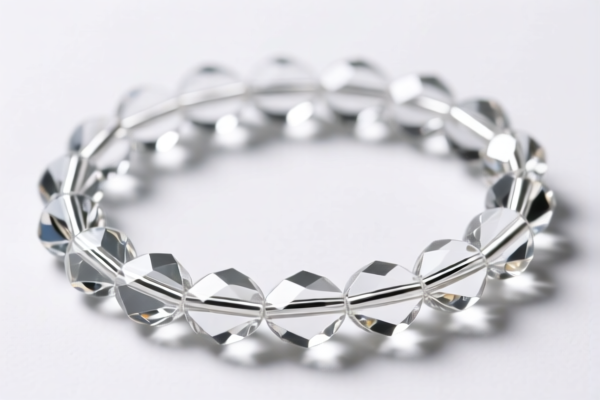
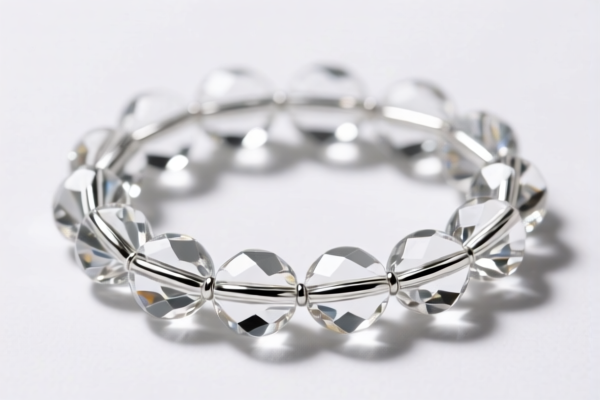
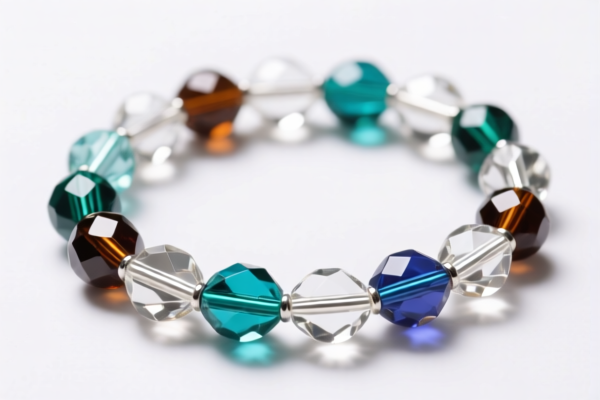

AI Analysis
💎 Pyramid Crystal: The Ultimate Guide to HS Code Classification & US Customs Clearance
🌐 HS Code Reference & Customs Clearance Guide | 2026 Latest Tariff Analysis | Professional Entry Strategy
📌 1. Product Definition: What Exactly is a "Pyramid Crystal"?
In international trade, the term "Pyramid Crystal" is ambiguous and refers to two distinct categories of goods depending on its material composition and intended use. Misclassification is the most common cause of customs delays and penalties for this item.
Category A: Decorative/Artistic Glass Objects * Description: Objects shaped like pyramids, often used for home decor, meditation, or lamp work. * Material: Primarily Glass. * Key Feature: If it is purely decorative (not worn as jewelry) and made of glass, it falls under Chapter 70.
Category B: Artificial Jewelry / Accessories * Description: Pyramid-shaped items worn as pendants, earrings, or part of necklaces. * Material: Plastics, Base Metals (zinc alloy, iron, etc.), or Imitation Gems. * Key Feature: If it is wearable or marketed as "jewelry," it falls under Chapter 71.
⚠️ Critical Distinction:
- Is it worn as an accessory? → Jewelry (Chapter 71)
- Is it a decorative object or component (not worn)? → Glass Articles (Chapter 70) or Other Jewelry (Chapter 71)
📦 2. HS Code Classification Matrix (Based on Provided Data)
Based on the provided <DATA>, here are the specific HS Codes applicable to "Pyramid Crystals" depending on their nature.
| HS Code | Product Description | Applicable Scenario | Material |
|---|---|---|---|
7018.10.50.00 |
Glass beads, imitation pearls, imitation precious/semiprecious stones and similar glass smallwares: Other | Decorative glass pyramids, loose glass crystal pieces, lamp-worked ornaments not classified as jewelry. | Glass |
7018.10.20.00 |
Glass beads, imitation pearls...: Imitation precious or semiprecious stones (except imitation beads) | Pyramid-shaped glass items explicitly marketed as "Imitation Stones" or "Fake Diamonds" for collection/decor. | Glass |
7117.19.90.00 |
Imitation jewelry: Of base metal, whether or not plated with precious metal: Other: Other: Other | Pyramid-shaped pendants, earrings, or jewelry components made of metal (zinc, copper, etc.). | Base Metal |
7117.90.75.00 |
Imitation jewelry: Other: Other: Valued over 20 cents per dozen pieces...: Other: Of plastics | Pyramid-shaped jewelry/accessories made of Plastic (Acrylic, Resin) valued > $0.20/doz. | Plastic |
7102.31.00.00 |
Diamonds, whether or not worked, but not mounted or set: Nonindustrial: Unworked or simply sawn, cleaved or bruted | Rare Case: If the "Pyramid Crystal" is a natural, unworked diamond shaped into a rough pyramid. | Natural Diamond |
7102.39.00.10 |
Diamonds, whether or not worked, but not mounted or set: Nonindustrial: Other Weighing not over 0.5 carat each | Small natural diamond pyramids (≤ 0.5 ct). | Natural Diamond |
🔍 Priority Note:
Most "Pyramid Crystals" sold in general commerce are glass or plastic imitation jewelry or glass decorations. They are NOT real diamonds. Therefore, codes7102.31.00.00and7102.39.00.10are likely incorrect unless you are trading raw, natural diamond roughs.
💰 3. 2026 Latest Tariff Rate Breakdown (US Market)
✅ Applicable Country: United States (US)
✅ Origin: Typically China (CN) or other major manufacturers
✅ Effective Date: Current as of 2026
🎯 1. Glass Decorative Pyramids (7018.10.50.00 & 7018.10.20.00)
| Item | Content |
|---|---|
| Base Tariff | 0.0% |
| Section 301 / Additional Tariff | +25.0% |
| Total Tax Rate | 25.0% |
| De Minimis Exemption? | ❌ No (Value > $800 threshold applies, but Section 301 tariffs generally apply regardless of de minimis if specifically listed, though Section 301 often has complex rules. However, for general glass smallwares, the 25% is standard.) |
| Legal Basis | USITC Footnotes for Chapter 70 |
📌 Explanation:
- Glass articles used for decoration or as "imitation stones" are subject to the 25% additional tariff under Section 301. - There is no base tariff (0%), but the 25% penalty tariff significantly increases the landed cost.
🎯 2. Plastic Imitation Jewelry (7117.90.75.00)
| Item | Content |
|---|---|
| Base Tariff | 0.0% |
| Additional Tariff | 0.0% |
| Total Tax Rate | 0.0% |
| De Minimis Exemption? | ✅ Yes (If shipped via USPS/UPS/FedEx as a de minimis shipment < $800, no duty is collected. For bulk container loads, 0% applies.) |
| Legal Basis | Standard USHTS for Imitation Jewelry (Plastic) |
📌 Explanation:
- Plastic imitation jewelry often enjoys 0% duty if correctly classified. - Critical: Must be clearly described as "Plastic Imitation Jewelry" and NOT as "Glass" or "Diamonds."
🎯 3. Metal Imitation Jewelry (7117.19.90.00)
| Item | Content |
|---|---|
| Base Tariff | 0.0% |
| Additional Tariff | 0.0% |
| Total Tax Rate | 0.0% |
| De Minimis Exemption? | ✅ Yes (Under de minimis rules) |
| Legal Basis | Standard USHTS for Imitation Jewelry (Base Metal) |
📌 Explanation:
- Base metal imitation jewelry is also 0% duty. - This is the most tax-efficient classification for pyramid-shaped accessories if made of metal.
🎯 4. Natural Diamonds (7102.31.00.00 & 7102.39.00.10)
| Item | Content |
|---|---|
| Base Tariff | 0.0% |
| Additional Tariff | +7.5% |
| Total Tax Rate | 7.5% |
| De Minimis Exemption? | ❌ No (High-value items often scrutinized) |
| Legal Basis | USHTS for Non-industrial Diamonds |
📌 Explanation:
- Only applicable if you are importing raw, natural diamonds. - Warning: Misdeclaring glass/plastic as "Diamonds" is customs fraud and carries severe penalties.
🛠️ 4. Customs Clearance Practical Advice (Avoid Pitfalls)
✅ 1. Documentation Checklist
| Document | Requirement | Explanation |
|---|---|---|
| Commercial Invoice | Must specify Material | Clearly state: "Plastic Imitation Jewelry," "Glass Decorative Ornament," or "Base Metal Pendant." DO NOT use vague terms like "Crystal." |
| Product Photos | High-resolution | Show material texture. Glass has refraction; plastic has mold marks; metal has weight/sheen. |
| Material Declaration | Explicit Statement | "This product is made of 100% Plastic/Resin, not Glass or Metal." OR "This product is Glass, not Plastic." |
| Value Declaration | Accurate FOB/CIF | If plastic jewelry > $0.20/doz, ensure valuation is correct for HS 7117.90.75.00. |
✅ 2. Classification Strategy (How to Choose)
| Your Product | Recommended HS Code | Why? |
|---|---|---|
| Acrylic/Plastic Pyramid Pendant | 7117.90.75.00 |
0% Duty. Clear as "Plastic Imitation Jewelry." |
| Zinc Alloy/Metal Pyramid Charm | 7117.19.90.00 |
0% Duty. Clear as "Base Metal Imitation Jewelry." |
| Glass Pyramid Home Decor | 7018.10.50.00 |
25% Duty. Must be clearly "Glass," not jewelry. |
| Glass Pyramid "Fake Diamond" | 7018.10.20.00 |
25% Duty. Classified as imitation stone. |
| Raw Natural Diamond Rough | 7102.31.00.00 or 7102.39.00.10 |
7.5% Duty. Only for real diamonds. |
✅ 3. Common Mistakes & Risks
❌ Mistake 1: Using "Crystal" as the product name.
👉 Risk: "Crystal" is ambiguous. Customs may default to Glass (7018) or Jewelry (7117).
✅ Fix: Use precise terms: "Acrylic Pyramid," "Glass Ornament," "Metal Pendant."
❌ Mistake 2: Declaring Glass Pyramids as "Imitation Jewelry" to avoid 25% tariff.
👉 Risk: If the item is not designed for wear, it will be reclassified as Glass or Other, and you will face penalties + back taxes.
✅ Fix: Be honest. If it's decor, declare as Glass (7018) and budget for 25%.
❌ Mistake 3: Misdeclaring Plastic as Metal or vice versa.
👉 Risk: Both are 0% in this dataset, but anti-dumping duties or other regulations may apply to specific metals/plastics.
✅ Fix: Ensure material composition matches the HS code description.
🌍 5. Global Market Comparison (2026)
| Region | Recommended HS Code | Est. Duty Rate | Notes |
|---|---|---|---|
| 🇺🇸 USA | 7117.90.75.00 (Plastic) or 7117.19.90.00 (Metal) |
0% | Best for Jewelry items. Avoid Glass if possible due to 25%. |
| 🇺🇸 USA | 7018.10.50.00 (Glass) |
25% | High tariff. Only if product is strictly non-jewelry glass. |
| 🇪🇺 EU | Varies by National Code | 0% - 4% | EU often has lower duties on imitation jewelry. Check local NTR. |
| 🇨🇳 China | Varies | 0% - 10% | Import duties for decoration/jewelry vary. |
📌 Conclusion:
- For US Importers: Prioritize Plastic (7117.90.75.00) or Metal (7117.19.90.00) classifications to achieve 0% Duty.
- For Glass Pyramids: Expect a 25% Additional Tariff. Ensure they are clearly described as Decorative to avoid fraud allegations.
- NEVER declare imitation crystals as "Natural Diamonds" (7102) unless you have a GIA/IGI certificate and are trading raw gems.
📌 6. Final Recommendation for Shippers
- Identify Material: Is it Plastic, Metal, or Glass?
- Identify Use: Is it Jewelry (worn) or Decor (display)?
- Select Code:
- Jewelry (Plastic/Metal) → 0% Duty (
7117.xx.xx) ✅ - Decor (Glass) → 25% Duty (
7018.xx.xx) ⚠️ - Real Diamond → 7.5% Duty (
7102.xx.xx) 💎
- Jewelry (Plastic/Metal) → 0% Duty (
- Document Clearly: Avoid the word "Crystal" alone. Use "Acrylic," "Glass Ornament," or "Base Metal Pendant."
🎯 Pro Tip:
If you are shipping small batches (< $800) via courier, ensure the de minimis value is respected. Even with 0% duty, incorrect classification can lead to customs holds and storage fees. Always provide material evidence (photos, specs) to support your HS Code choice.
📣 Need Help?
Contact a licensed customs broker for a Pre-Ruling if your shipment value exceeds $50,000 or if the product is ambiguous (e.g., "Glass Jewelry").
✨ Accurate Classification = Faster Clearance = Lower Costs!
💼 Don't let "Pyramid Crystal" ambiguity cost you your profit margin!
Customer Reviews
About HS Code Classification
The Harmonized System (HS) is an internationally standardized nomenclature developed by the World Customs Organization (WCO) to classify traded products. Over 200 countries use the HS system as the basis for customs tariffs, trade statistics, and import/export regulations.
Each HS code follows a hierarchical structure:
- Chapter (2 digits) — Broad category of goods (e.g., Chapter 84: Machinery and Mechanical Appliances)
- Heading (4 digits) — More specific grouping within the chapter
- Subheading (6 digits) — Internationally standardized breakdown, used by all WCO member countries
- National subdivisions (8-10 digits) — Country-specific extensions for further classification, such as US HTSUS 10-digit codes
Correct HS code classification is essential for smooth customs clearance, accurate duty payment, and compliance with trade regulations. Misclassification can lead to customs delays, overpayment of duties, or penalties.
When importing from CN to US, the applicable tariff rates may include:
- Most-Favored-Nation (MFN) rate — The standard duty rate applied to WTO members
- General rate — Applied to countries without trade agreements
- Trade remedy duties — Additional tariffs such as Section 301 (anti-dumping), Section 232 (national security), or countervailing duties
The information provided on this page is for reference purposes only. For official classification, please consult with your local customs authority or a licensed customs broker.