Quartz Sand for Casting
CN → US| HS Code | Tariff Rate | Origin | Destination | Doc |
|---|---|---|---|---|
| 3824100000 | 41.0% | CN | US | Official Doc |
| 2530908015 | 10.0% | CN | US | Official Doc |
| 2530908050 | 10.0% | CN | US | Official Doc |
Product Images
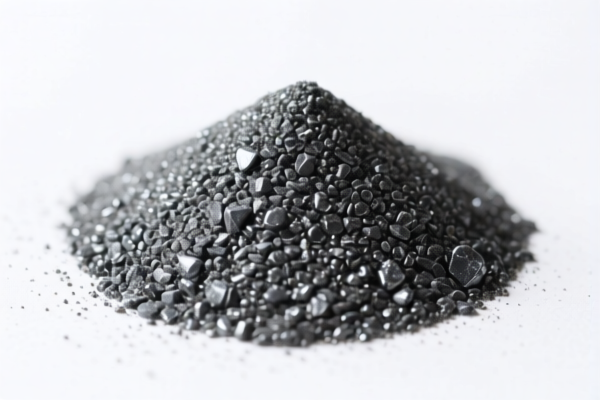
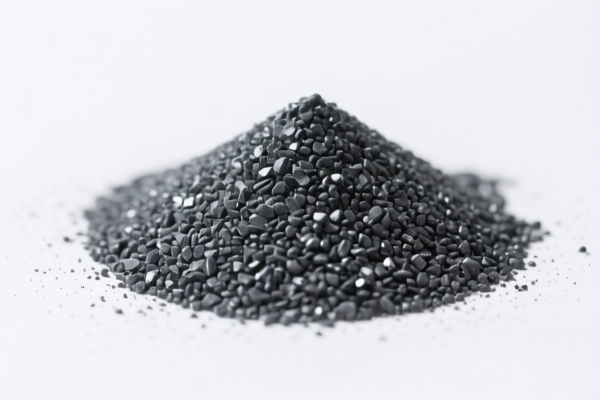
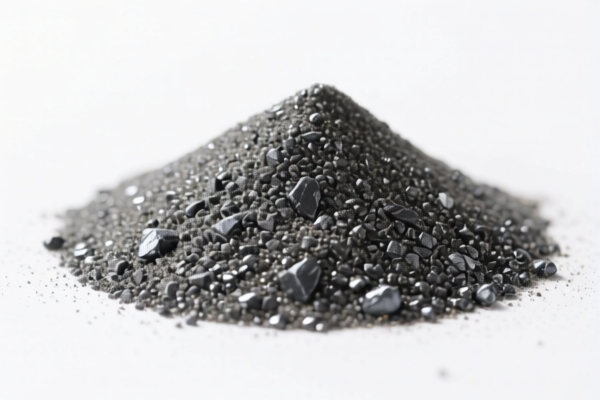
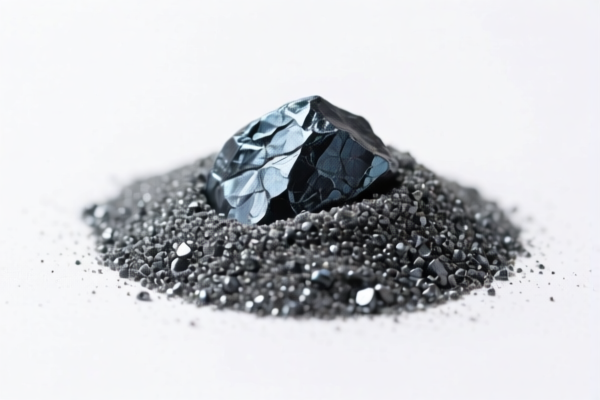
AI Analysis
🏭 Quartz Sand for Casting (Industrial Mineral Material)
🌐 HS Code Reference & Customs Clearance Guide | 2026 Latest Tariff Analysis | Professional Clearance Strategy
📌 I. Product Definition & Classification: What is "Quartz Sand for Casting"?
Quartz Sand for Casting refers to high-purity silicon dioxide (SiO₂) sand specifically processed for use in metal foundries. It serves as the primary material for creating mold cavities or cores into which molten metal is poured.
In international trade, the classification depends heavily on chemical composition, binding agents, and specific application:
- Modded Bonding Agents (Pre-mixed): If the sand is mixed with organic binders/resins to form a "cast mold or core," it falls under chemical preparations (Chapter 38).
- Raw/Active Mineral Sand: If it is raw or minimally processed silica sand without specific chemical binding agents, it is classified as a mineral product (Chapter 25).
⚠️ Key Distinction Point: - If the product contains modding agents/bindings for molds/cores → Classify under 3824.10.00.00. - If it is raw/mineral sand (even if labeled "active") → Classify under 2530.90.80 series.
📦 II. HS Code Classification Details (2026 Latest Tariff Authoritative Comparison)
Based on the provided data, there are three potential HS Codes depending on the specific nature of the "Quartz Sand."
| HS Code | Product Description | Application Scenario | Key Classification Logic |
|---|---|---|---|
3824.10.00.00 |
Prepared Binders for Foundry Molds or Cores | Pre-mixed casting sand with binders; ready-to-use casting materials | ✅ Match: "Casting" implies mold/core use. Without specified chemicals, inferred as modding binder. |
2530.90.80.15 |
Other Mineral Substances (Active Sand) | Raw "Active Sand" used in casting; fits "other mineral substances" | ✅ Match: Active sand is mineral-based. No conflict with inorganic mineral categories. |
2530.90.80.50 |
Other Mineral Products (Unlisted) | General quartz sand not specifically listed elsewhere (e.g., not ochre/ultramarine) | ✅ Match: Mineral product. Falls under "other unlisted minerals" as a catch-all. |
🔍 Critical Reminder: - Pre-mixed vs. Raw: If your product is a mixture of sand and resin/bindings, it MUST be declared as 3824.10.00.00. Declaring it as raw mineral sand (2530) when it contains binders is a classification error leading to penalties. - Pure Sand: If it is 100% natural quartz sand with no added chemicals, it falls under 2530.90.80. The specific sub-code (15 vs 50) depends on local customs' detailed definition of "Active Sand" vs. "Other Minerals."
💰 III. 2026 Latest Tariff Rate Breakdown (Including Surtaxes & Policy Add-ons)
✅ Applicable Country: United States (US)
✅ Origin: China (CN)
✅ Effective Time: November 10, 2025 (and subsequent imports)
🎯 1. 3824.10.00.00 —— Prepared Binders for Foundry Molds or Cores
| Item | Content |
|---|---|
| Base Tariff | 6.0% (ad valorem) |
| Section 301 Surtax | +25.0% (from USITC Footnote related to Chinese goods) |
| 122 Clause Tariff | +10.0% (Specific regulatory addition) |
| Total Tariff Rate | 41.0% |
| Tax Calculation | CIF Value × 41.0% |
| De Minimis Exemption | ❌ Not Eligible (High tariff threshold) |
| Legal Basis Path | Base: 3824.10.00.00 → Section 301: 25% → 122 Clause: 10% |
📌 Explanation: - The 6% base duty applies to prepared chemical binders. - The 25% Section 301 tariff is the primary trade war surcharge on Chinese industrial chemicals. - The 10% "122 Clause" is an additional regulatory tariff often applied to specific industrial inputs. - Total: 41%. This is a high-cost category. Importers must factor this into pricing strategies.
🎯 2. 2530.90.80.15 —— Other Mineral Substances (Active Sand)
| Item | Content |
|---|---|
| Base Tariff | 0.0% (ad valorem) |
| Section 301 Surtax | 0.0% |
| 122 Clause Tariff | +10.0% |
| Total Tariff Rate | 10.0% |
| Tax Calculation | CIF Value × 10.0% |
| De Minimis Exemption | ❌ Not Eligible (Depending on value threshold, but generally subject to 122) |
| Legal Basis Path | Base: 2530.90.80.15 → 122 Clause: 10% |
📌 Note: - The 0% base duty makes this a favorable category compared to binders. - However, the 10% 122 Clause still applies to Chinese mineral products. - Total: 10%. This is a moderate tariff, significantly cheaper than the binder category.
🎯 3. 2530.90.80.50 —— Other Mineral Products (Unlisted)
| Item | Content |
|---|---|
| Base Tariff | 0.0% (ad valorem) |
| Section 301 Surtax | 0.0% |
| 122 Clause Tariff | +10.0% |
| Total Tariff Rate | 10.0% |
| Tax Calculation | CIF Value × 10.0% |
| De Minimis Exemption | ❌ Not Eligible |
| Legal Basis Path | Base: 2530.90.80.50 → 122 Clause: 10% |
📌 Note: - Identical tax treatment to
2530.90.80.15. - Used if the sand is not specifically defined as "Active Sand" under the 15 sub-code but still qualifies as an unlisted mineral. - Total: 10%.
🛠️ IV. Customs Clearance Practical Advice (Pitfall Avoidance Guide)
✅ 1. Documentation Checklist (Essential Items)
| Document | Must Provide | Description |
|---|---|---|
| ✅ Product Specification Sheet | ✔️ | Clearly state SiO₂ content, grain size, and presence/absence of binders. |
| ✅ Formula/Composition List | ✔️ | Critical: Must list all ingredients. If binders are present, it triggers HS 3824. If pure, it triggers HS 2530. |
| ✅ Product Photos | ✔️ | Show packaging, labels, and physical state (powder/granules). |
| ✅ Commercial Invoice | ✔️ | Description must match the HS Code logic (e.g., "Modded Casting Sand" vs. "Raw Quartz Sand"). |
| ✅ Origin Certificate (CO) | ✔️ | Proof of Chinese origin triggers the 25% Section 301 if misclassified. |
| ✅ Packing List | ✔️ | Weight and volume details for duty calculation. |
✅ 2. Declaration Strategy (Key Mantras)
🔥 “Binders Mean 3824, Raw Means 2530. Declare Accurately to Save 30%!”
| Scenario | Correct Declaration | Incorrect Practice |
|---|---|---|
| Sand + Resin/Binders | 3824.10.00.00 |
Misdeclaring as "Raw Sand" (HS 2530) → Audit Risk + Back Taxes |
| Pure Quartz Sand | 2530.90.80.15 or .50 |
Misdeclaring as "Chemical Binder" (HS 3824) → Overpaying 31% |
| Mixed Shipment | Separate HS Codes per item | Mixed declaration → Customs Seizure/Delay |
| "Active Sand" Label | Verify if it contains chemicals | Using "Active" to claim 0% base duty when binders are present |
✅ 3. Special Situation Handling
| Situation | Handling Advice |
|---|---|
| OEM Custom Mixture | Provide the exact chemical formula to customs. If binders are present, must use 3824. |
| "Active" Sand Claims | "Active" usually refers to surface treatment. If no organic binder is added, it may still be 2530. Provide test reports. |
| High-Volume Imports | Consider Advance Ruling (Preaudit) from US Customs (CBP) to lock in the HS Code and tariff rate. |
| Supply Chain Diversification | If tariffs are too high, consider sourcing from countries with FTAs or lower duty rates (if applicable). |
🌍 V. Global Market Comparison (2026 Latest)
| Country/Region | Recommended HS Code | Tariff Rate (China Origin) | Certification Requirements | Notes |
|---|---|---|---|---|
| 🇺🇸 USA | 3824.10.00.00 / 2530.90.80 |
41% (Binder) / 10% (Raw) | MSDS, Composition Details | High tariff on binders; 122 Clause applies to minerals. |
| 🇨🇳 China | 3824.10.00.00 / 2530.90.80 |
~5-10% (Import) | GB Standards | No Section 301 or 122 clauses. |
| 🇪🇺 EU | 3824.10.00 / 2530.90.80 |
~0-6% (WTO Rate) | REACH, SDS | No US-style surtaxes. |
| 🇦🇺 Australia | 3824.10.00 / 2530.90.80 |
~5% | Australian Consumer Law | Moderate tariffs. |
| 🇯🇵 Japan | 3824.10.00 / 2530.90.80 |
~0-3% | JIS Standards | Low tariffs, high quality standards. |
📌 Conclusion: - The USA is the only major market with the 41% effective tariff for bound casting sand and 10% for raw mineral sand due to Section 301 and 122 Clause. - China-origin raw sand is significantly cheaper to import into the US than bound sand. - EU, Australia, and Japan offer much lower tariff burdens.
📌 VI. Common Errors & Pitfall Guide (Lessons Learned)
❌ Error 1: Declaring "Modded Casting Sand" as "Raw Quartz Sand" (HS 2530)
👉 Consequence: Customs detects binders via lab test → Classifies as 3824 → Back taxes + Penalties for fraud.
❌ Error 2: Declaring "Raw Sand" as "Binder" (HS 3824)
👉 Consequence: Overpaying 31% in tariffs unnecessarily.
❌ Error 3: Not disclosing "122 Clause" applicability
👉 Consequence: Underpayment of the 10% surtax on mineral products → Seizure of goods.
❌ Error 4: Vague Description "Sand for Casting"
👉 Consequence: Customs ambiguity → Inspection Delay → Demurrage Fees.
✅ Correct Approach:
"Quartz Sand, High Purity, Unbound, for Casting Use" (for HS 2530)
OR
"Prepared Foundry Binders, Modding Agents for Molds, Containing [Chemical Name]" (for HS 3824)
🎯 VII. Conclusion: Professional Declaration, Save Costs!
🎯 Remember the Mantra:
🔹 "Binders = 3824 (41% Tax). Raw = 2530 (10% Tax). Declare Composition!"
🔹 "HS Code Determines Cost. A 30% Difference Changes Everything!"
📌 Tips: - If you are importing bound casting sand, the 41% tariff is substantial. Consider negotiating price discounts with suppliers to absorb the duty. - For raw sand, ensure the SiO₂ content is high to justify the mineral classification and avoid misclassification as glass or silicon products. - Always request a Certificate of Composition from your supplier to support your HS Code declaration.
📣 Immediate Action:
📞 Contact a licensed customs broker + Provide Chemical Composition + Apply for Advance Ruling if unsure.
🚀 Ensure your Quartz Sand clears customs smoothly, minimizing costs and maximizing efficiency!
✨ Professional Clearance Starts with Precise Classification!
💼 Every Cent of Duty is Worth Calculating Accurately!
Customer Reviews
About HS Code Classification
The Harmonized System (HS) is an internationally standardized nomenclature developed by the World Customs Organization (WCO) to classify traded products. Over 200 countries use the HS system as the basis for customs tariffs, trade statistics, and import/export regulations.
Each HS code follows a hierarchical structure:
- Chapter (2 digits) — Broad category of goods (e.g., Chapter 84: Machinery and Mechanical Appliances)
- Heading (4 digits) — More specific grouping within the chapter
- Subheading (6 digits) — Internationally standardized breakdown, used by all WCO member countries
- National subdivisions (8-10 digits) — Country-specific extensions for further classification, such as US HTSUS 10-digit codes
Correct HS code classification is essential for smooth customs clearance, accurate duty payment, and compliance with trade regulations. Misclassification can lead to customs delays, overpayment of duties, or penalties.
When importing from CN to US, the applicable tariff rates may include:
- Most-Favored-Nation (MFN) rate — The standard duty rate applied to WTO members
- General rate — Applied to countries without trade agreements
- Trade remedy duties — Additional tariffs such as Section 301 (anti-dumping), Section 232 (national security), or countervailing duties
The information provided on this page is for reference purposes only. For official classification, please consult with your local customs authority or a licensed customs broker.