Quilted Textile Products
CN → US| HS Code | Tariff Rate | Origin | Destination | Doc |
|---|---|---|---|---|
| 5811003000 | 43.0% | CN | US | Official Doc |
| 5903902500 | 42.5% | CN | US | Official Doc |
| 5903102500 | 42.5% | CN | US | Official Doc |
Product Images
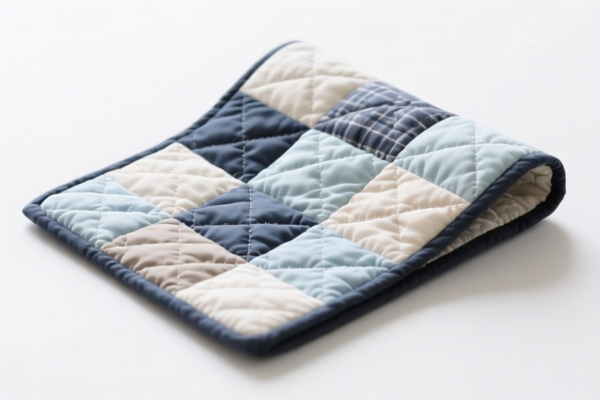
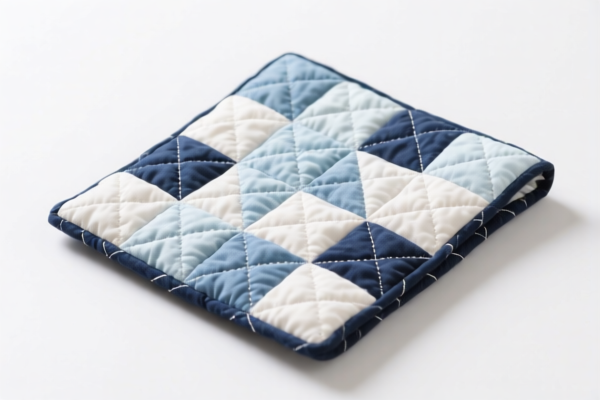
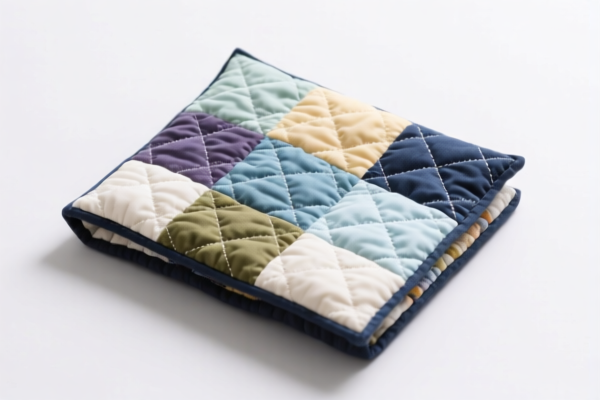
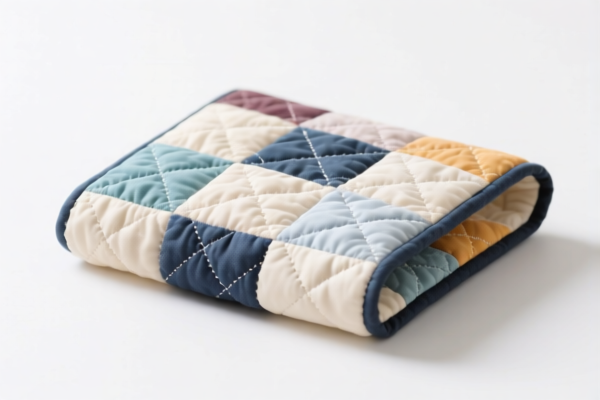
AI Analysis
🧵 Quilted Textile Products (绗缝面料/制品)
🌐 HS Code Reference & Customs Clearance Guide | 2026 Latest Tariff Analysis | Strategic Import Strategy 📌 I. Product Definition & Classification: Do You Really Understand "Quilted Textiles"?
Quilted textile products, typically composed of multiple layers of fabric (often synthetic fibers like polyester or natural fibers like cotton) stitched together, are versatile goods used in bedding, apparel, and industrial applications. In international trade, their classification hinges on two key factors: material composition and structural integrity (coating/layering).
Key Distinction Points: 1. Pure Quilted Fabric (No Coating): If the product is simply stitched layers of fabric without plastic coating, it often falls under Chapter 58 (Special Woven Fabrics) or general cotton/synthetic headings. 2. Coated/Composite Fabric: If the fabric is coated with plastic (e.g., PVC, PU) or involves complex lamination that changes its textile nature, it may fall under Chapter 59 (Impregnated, Coated, Covered, or Lastrated Textile Fabrics).
⚠️ Critical Classification Logic: - If it is a simple stitched textile product (no plastic coating) → Look at HS 5811 (Quilted Textile Products). - If it involves plastic coating or specific composite structures → Look at HS 5903 (Textile Fabrics with Plastic Coating). - Note: The classification below is based on the provided data for US import scenarios, focusing on high-tariff risk areas.
📦 II. HS Code Classification Details (2026 Latest Tariff Authority Comparison)
| HS Code | Product Description | Application Scenario | Key Material/Structure |
|---|---|---|---|
5811.00.30.00 |
Quilted Textile Products, made of man-made fibers | Bedding, jackets, bags made of synthetic quilting | ✅ Man-made fibers (e.g., Polyester), no plastic coating logic conflict |
5903.90.25.00 |
Other textile fabrics impregnated, coated, covered or lastrated, with plastic, n.e.s. | Complex composite fabrics where quilting involves coating | ✅ Textile form, possible plastic layer/lamination, "Other" category |
5903.10.25.00 |
Textile fabrics impregnated, coated, covered or lastrated with PVC, n.e.s. | Fabric with PVC coating, potentially quilted or layered | ✅ Plastic (PVC) coating presence, textile base |
🔍 Key Reminder: - HS 5811.00.30.00 is the standard "bottom-line" match for synthetic fiber quilted fabrics that do not involve plastic coating. - HS 5903.90.25.00 & 5903.10.25.00 apply when the fabric is coated or laminated, adding a functional layer (like waterproofing) that changes its classification logic from pure textile to composite/coated textile. - Do not misclassify coated fabrics as simple textiles (5811) to avoid lower tariffs, as this triggers significant penalties.
💰 III. 2026 Latest Tariff Rate Breakdown (Including Additional Duties & Policy Add-ons)
✅ Applicable Country: United States (US)
✅ Origin: China (CN)
✅ Effective Date: From November 10, 2025 (and subsequent imports)
🎯 1. 5811.00.30.00 —— Quilted Textile Products (Synthetic Fibers)
| Item | Content |
|---|---|
| Base Tariff | 8.0% (Ad Valorem) |
| USITC Additional Tariff (Section 301) | +25.0% |
| IEEPA Additional Tariff (Section 122) | +10.0% |
| Total Tariff Rate | 43.0% |
| Tax Calculation | CIF Value × 43.0% |
| De Minimis Exemption Eligibility | ❌ Not Eligible (deny_de_minimis) |
| Legal Basis Path | Section 301: 8.0% → IEEPA: 10.0% → USITC: 25.0% |
📌 Explanation: - The 25% USITC tariff is applied under U.S. Trade Law Section 301 against Chinese goods. - The 10% IEEPA tariff is an additional surcharge specifically targeting products from China/Hong Kong under the International Emergency Economic Powers Act. - Total 43% is a very high tariff, significantly impacting cost structures. Must be factored into pricing strategies.
🎯 2. 5903.90.25.00 —— Other Coated/Laminated Textile Fabrics (Plastic, n.e.s.)
| Item | Content |
|---|---|
| Base Tariff | 7.5% (Ad Valorem) |
| USITC Additional Tariff (Section 301) | +25.0% |
| IEEPA Additional Tariff (Section 122) | +10.0% |
| Total Tariff Rate | 42.5% |
| Tax Calculation | CIF Value × 42.5% |
| De Minimis Exemption Eligibility | ❌ Not Eligible (deny_de_minimis) |
| Legal Basis Path | Section 301: 7.5% → IEEPA: 10.0% → USITC: 25.0% |
📌 Note: - Slightly lower base tariff (7.5% vs 8.0%) due to its classification under "Other" coated fabrics. - Applies to fabrics where the quilting process involves complex lamination or coating that fits the "Other" category. - Same high additional tariffs apply.
🎯 3. 5903.10.25.00 —— Textile Fabrics with PVC Coating (n.e.s.)
| Item | Content |
|---|---|
| Base Tariff | 7.5% (Ad Valorem) |
| USITC Additional Tariff (Section 301) | +25.0% |
| IEEPA Additional Tariff (Section 122) | +10.0% |
| Total Tariff Rate | 42.5% |
| Tax Calculation | CIF Value × 42.5% |
| De Minimis Exemption Eligibility | ❌ Not Eligible (deny_de_minimis) |
| Legal Basis Path | Section 301: 7.5% → IEEPA: 10.0% → USITC: 25.0% |
📌 Note: - Specifically for PVC-coated textiles. - If your quilted fabric uses PVC coating for waterproofing or durability, this code applies. - Same high additional tariffs apply.
🛠️ IV. Customs Clearance Practical Advice (Battle-Tested Pitfall Guide)
✅ 1. Required Documentation Checklist (No Shortages Allowed)
| Document | Mandatory? | Description |
|---|---|---|
| ✅ Product Specification Sheet | ✔️ | Must detail material composition (e.g., "100% Polyester Shell, Polyfill Fill"), dimensions, and manufacturing process. |
| ✅ Fabric Composition Test Report | ✔️ | Third-party lab report proving fiber content (Crucial for distinguishing 5811 vs 5903). |
| ✅ Product Photos (Including Labels) | ✔️ | Clear images showing the quilted pattern, edges, and any brand labels. |
| ✅ Commercial Invoice | ✔️ | Must explicitly state "Quilted Textile Fabric" or "Coated Quilted Fabric" and HS Code. |
| ✅ Packing List | ✔️ | Detailed weight and dimensions per carton. |
| ✅ Certificate of Origin (CO) | ✔️ | Required to verify origin for Section 301 and IEEPA tariff applicability. |
✅ 2. Declaration Tips (Key Mantras)
🔥 “Material First, Coating Check, HS Code Precision, Tariff Minimization!”
| Scenario | Correct Declaration | Wrong Practice |
|---|---|---|
| Simple Synthetic Quilted Fabric (No coating) | 5811.00.30.00 |
Misdeclare as coated fabric → Higher scrutiny |
| PVC-Coated Quilted Fabric | 5903.10.25.00 |
Misdeclare as simple quilted → 43% vs 42.5% + risk of penalty |
| Other Coated Quilted Fabric (Non-PVC) | 5903.90.25.00 |
Ambiguous description → Delayed clearance |
| Cotton Quilted Products | Check Cotton Headings (Not in current data) | Use 5811.00.30.00 for cotton → Incorrect classification |
✅ 3. Special Handling Cases
| Scenario | Handling Advice |
|---|---|
| OEM Custom Quilting | Provide customer order + design specs to prove custom nature. Avoid generic terms. |
| Mixed Material Products | If blend of cotton/polyester, ensure the declaration reflects the principal material or follows specific blend rules. Data provided assumes synthetic focus. |
| High-Value Quilted Goods | Given the 42.5%-43% total tariff, consider Advance Ruling from US CBP to confirm HS Code before shipment. |
| De Minimis (Section 321) Misuse | ❌ DO NOT attempt to split shipments under $800 to avoid tariffs. These codes are explicitly non-eligible for de minimis exemption. |
🌍 V. Global Market Clearance Comparison (2026 Latest)
| Country/Region | Recommended HS Code | Tariff Rate | Certification Requirements | Notes |
|---|---|---|---|---|
| 🇺🇸 USA | 5811.00.30.00 / 5903.x0.25.00 |
43.0% / 42.5% | No specific CBP certs, but high tariff applies | Highest cost among major markets. |
| 🇨🇳 China | Same HS Codes | Varies (Low/Zero) | N/A for import into China | Tariffs differ significantly. |
| 🇪🇺 EU | Same HS Codes | Varies (Often 0-6.5%) | CE (if applicable), REACH | No Section 301/IEEPA equivalents. |
| 🇬🇧 UK | Same HS Codes | Varies | UKCA (if applicable) | Post-Brexit rules apply. |
| 🇨🇦 Canada | Same HS Codes | Varies | N/A | No Section 301 equivalent. |
📌 Conclusion: - The US market imposes the highest barrier for Chinese-origin quilted textiles due to Section 301 (25%) and IEEPA (10%) tariffs. - Total effective duty rate is over 42%, making cost control and precise classification critical. - Consider supply chain diversification (e.g., Vietnam, India) if US origin is not mandatory for final consumer.
📌 VI. Common Errors & Pitfall Guide (Lessons Learned)
❌ Error 1: Declaring coated fabrics as "simple quilts" to claim lower base rates
👉 Consequence: Customs may reclassify, apply penalties, and charge the correct (often higher or similar) tariff with interest.
❌ Error 2: Assuming "De Minimis" ($800) applies to quilted fabrics
👉 Consequence: Shipments are seized or returned. These HS codes are explicitly excluded from de minimis treatment for Chinese goods.
❌ Error 3: Using vague descriptions like "Textile Product"
👉 Consequence: CBP delays shipment for "Additional Info," causing demurrage fees and delays.
❌ Error 4: Confusing PVC-coated with other coated fabrics
👉 Consequence: Misclassification between 5903.10.25.00 and 5903.90.25.00. While tariff rates are similar (42.5%), accuracy prevents audits.
✅ Correct Practice:
"Quilted Polyester Fabric, 100% Man-Made Fiber, Uncoated, for Apparel Use" →
5811.00.30.00
"PVC-Coated Quilted Textile Fabric, for Outdoor Use" →5903.10.25.00
🎯 VII. Conclusion: Professional Declaration, Cost Savings, Efficiency!
🎯 Remember the Mantra:
🔹 "High Tariffs on Quilting: 43% for Simple, 42.5% for Coated. No De Minimis! Always Declare Accurately!"
🔹 "HS Code Choice Determines Tax: 0.5% Difference + Compliance Risk = Big Trouble!"
📌 Pro Tip:
If your quilted products are originally from Vietnam, India, or Bangladesh, you MAY qualify for zero or lower Section 301 tariffs (depending on current trade agreements).
Recommendation: Apply for a Pre-Ruling (Advance Ruling) from US CBP to confirm your HS Code and tariff eligibility before shipping.
📣 Take Action Now:
📞 Contact a Professional Customs Broker + Provide Product Specs + Apply for HS Code Pre-Ruling
🚀 Ensure your quilted products clear customs smoothly, minimize costs, and maximize profits!
✨ Professional Clearance Starts with Precise Classification!
💼 Every Cent of Your Cost Deserves Precise Calculation!
Customer Reviews
About HS Code Classification
The Harmonized System (HS) is an internationally standardized nomenclature developed by the World Customs Organization (WCO) to classify traded products. Over 200 countries use the HS system as the basis for customs tariffs, trade statistics, and import/export regulations.
Each HS code follows a hierarchical structure:
- Chapter (2 digits) — Broad category of goods (e.g., Chapter 84: Machinery and Mechanical Appliances)
- Heading (4 digits) — More specific grouping within the chapter
- Subheading (6 digits) — Internationally standardized breakdown, used by all WCO member countries
- National subdivisions (8-10 digits) — Country-specific extensions for further classification, such as US HTSUS 10-digit codes
Correct HS code classification is essential for smooth customs clearance, accurate duty payment, and compliance with trade regulations. Misclassification can lead to customs delays, overpayment of duties, or penalties.
When importing from CN to US, the applicable tariff rates may include:
- Most-Favored-Nation (MFN) rate — The standard duty rate applied to WTO members
- General rate — Applied to countries without trade agreements
- Trade remedy duties — Additional tariffs such as Section 301 (anti-dumping), Section 232 (national security), or countervailing duties
The information provided on this page is for reference purposes only. For official classification, please consult with your local customs authority or a licensed customs broker.