RFID Card Holder
CN → US| HS Code | Tariff Rate | Origin | Destination | Doc |
|---|---|---|---|---|
| 3926909989 | 22.8% | CN | US | Official Doc |
| 4202399000 | 55.0% | CN | US | Official Doc |
| 3926908700 | 40.3% | CN | US | Official Doc |
| 4823908680 | 35.0% | CN | US | Official Doc |
Product Images
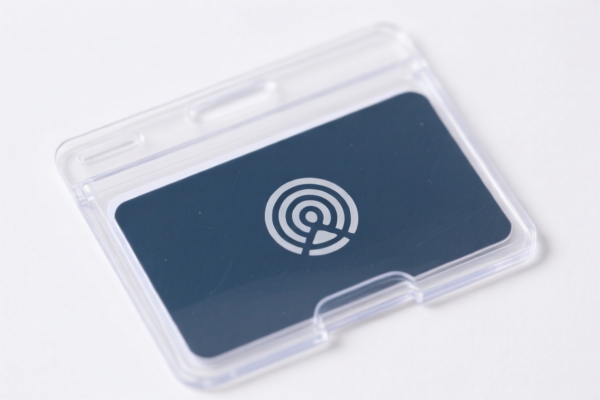
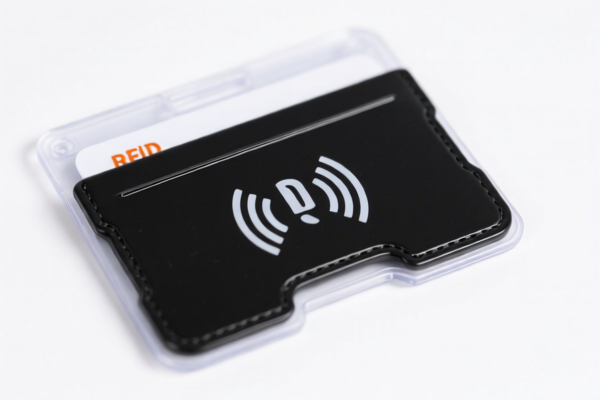


AI Analysis
📇 RFID Card Holder (Wallet & Organizer)
🌐 HS Code Reference & Customs Clearance Guide | 2024-2025 Tax & Trade Regulations | Strategic Classification Strategy
📌 I. Product Definition & Classification: Are You Classifying Your Card Holder Correctly?
The RFID Card Holder is a modern accessory designed to store identification cards, credit cards, and transit passes, featuring anti-theft protection via RFID (Radio Frequency Identification) shielding technology.
In international trade, these items are not classified as "electronics" or "security devices," but rather as containers or articles of plastic/paper. The classification hinges entirely on the primary material and the function:
1. Plastic/Composite Material Holders: * Description: Slim wallets or cases made primarily of synthetic plastics, rubber, or composite materials with RFID blocking layers. * Likely HS Code: 3926.90.99.89 or 3926.90.87.00. * Key Characteristic: "Other articles of plastics."
2. Leather/Fabric/Textile Holders: * Description: Cases made of synthetic leather, genuine leather, or woven fabrics (often with a metallic lining for RFID blocking). * Likely HS Code: 4202.39.90.00. * Key Characteristic: "Travel, toilet, or similar bags; cases for tools, musical instruments, cameras... or other carrying articles."
3. Paper/Cardboard Holders: * Description: Thin, disposable, or rigid paper-based card organizers. * Likely HS Code: 4823.90.86.80. * Key Characteristic: "Other articles of paper."
⚠️ Critical Distinction: * If the product is a hard plastic case, it belongs to Chapter 39. * If it is a leather/fabric wallet-style holder, it belongs to Chapter 42. * RFID Technology: The shielding feature does not change the classification to a "security device" (e.g., Chapter 85); the material determines the code.
📦 II. HS Code Classification Details (Tax & Material Specifics)
Based on current trade data, here are the three most relevant HS Codes for RFID Card Holders, along with their specific tax implications.
| HS Code | Product Description | Material Basis | Function/Use |
|---|---|---|---|
| 3926.90.99.89 | Other articles of plastics, not elsewhere specified | Plastic / Synthetic Resin | Slim card cases, plastic sleeves, rigid plastic holders. |
| 4202.39.90.00 | Other containers of leather/plastic/textile | Leather, Fabric, or Mixed | Wallet-style holders, card cases with fabric lining, "fobs" for keys/cards. |
| 3926.90.87.00 | Plastic articles for office/school use | Plastic | Rigid plastic card organizers, file-like plastic binders. |
| 4823.90.86.80 | Other articles of paper | Paper / Cardboard | Paper-based card holders, cardboard organizers. |
🔍 Classification Priority: * Plastic is the most common material. Look for 3926.90.99.89 (General Plastic) vs. 3926.90.87.00 (Specific Office/Storage Plastic). * Leather/Fabric triggers the higher tax bracket under 4202.39.90.00. * Paper is rare for premium RFID holders but possible for bulk promotional items (4823.90.86.80).
💰 III. 2024-2025 Customs Duty & Tax Rate Breakdown (Including Add-on Tariffs)
✅ Target Market: United States (US)
✅ Origin: China (CN)
✅ Applicable Laws: Base Tariff + Section 301 (Section 232) + Section 232 (122 Clauses)
🎯 1. Code 3926.90.99.89 (Plastic Card Holder - General)
- Summary: Plastic articles, other.
- Total Tax Rate: 22.8%
- Breakdown:
- Base Tariff: 5.3% (Standard Most Favored Nation rate)
- Section 301 (Added Tariff): 7.5% (China-specific trade war tariff)
- Section 232 (122 Clause Tariff): 10.0% (Additional safeguard duty)
- Calculation:
CIF Value × 22.8% - Legal Path:
3926.90.99.89→Base: 5.3%+301: 7.5%+232: 10%
🎯 2. Code 4202.39.90.00 (Leather/Fabric Card Holder)
- Summary: Travel cases, wallets, card holders (Leather/Fabric/Textile).
- Total Tax Rate: 55.0% ⚠️ High Risk
- Breakdown:
- Base Tariff: 20.0% (Higher base rate for leather/textiles)
- Section 301 (Added Tariff): 25.0% (Highest section 301 tier)
- Section 232 (122 Clause Tariff): 10.0% (Additional safeguard duty)
- Calculation:
CIF Value × 55.0% - Legal Path:
4202.39.90.00→Base: 20.0%+301: 25.0%+232: 10%
🎯 3. Code 3926.90.87.00 (Plastic Office/Card Holder)
- Summary: Specific plastic articles for office/storage.
- Total Tax Rate: 40.3%
- Breakdown:
- Base Tariff: 5.3%
- Section 301 (Added Tariff): 25.0% (Applies to specific plastic sub-categories)
- Section 232 (122 Clause Tariff): 10.0%
- Calculation:
CIF Value × 40.3% - Legal Path:
3926.90.87.00→Base: 5.3%+301: 25.0%+232: 10%
🎯 4. Code 4823.90.86.80 (Paper Card Holder)
- Summary: Paper/Cardboard containers.
- Total Tax Rate: 35.0%
- Breakdown:
- Base Tariff: 0.0% (Paper items often have 0% base duty)
- Section 301 (Added Tariff): 25.0% (Section 301 applies heavily even if base is 0)
- Section 232 (122 Clause Tariff): 10.0%
- Calculation:
CIF Value × 35.0% - Legal Path:
4823.90.86.80→Base: 0.0%+301: 25.0%+232: 10%
📌 Tax Insight: * Leather/Fabric (
4202.39.90.00) is the most expensive route at 55% due to the high base rate (20%) combined with the highest Section 301 tier (25%). * Plastic (3926.90.99.89) is the most cost-effective at 22.8%, provided the material is strictly plastic without significant leather fabric components. * Section 232 (10%) is the "hidden killer" – it applies to ALL these codes, regardless of the base rate.
🛠️ IV. Customs Clearance Practical Advice (Strategic Recommendations)
✅ 1. Material Declaration Strategy
- Rule of Thumb: The海关 (Customs) will inspect the material composition.
- Strategy: If your product is 80% plastic with a 20% fabric lining, classify under 3926 (Plastic) if the plastic is the dominant structural element. If the outer layer is leather/fabric, you must use 4202, even if the RFID layer is plastic.
- Risk: Misclassifying a leather wallet as plastic (
3926) to avoid the 55% rate is considered smuggling.
✅ 2. Documentation Checklist
| Document | Requirement | Why it Matters |
|---|---|---|
| Commercial Invoice | Must specify "RFID Blocking Card Holder" + Material (e.g., "100% TPU Plastic") | Prevents "Reasonable Doubt" inspections. |
| Bill of Materials (BOM) | List exact % of Plastic, Leather, Paper, Metallic foil. | Proves the HS Code basis. |
| Material Safety Data Sheet (MSDS) | For the RFID foil/metallic layer. | Required for shipping and customs verification. |
| Product Photos | Close-up of texture, zipper, and internal lining. | Customs officers visually verify material type. |
✅ 3. Declaration Tips (The "Golden Rules")
🔥 口诀 (Mantra): "Material First, Function Second!"
| Scenario | Correct Action | Wrong Action |
|---|---|---|
| Product is Plastic | Declare as 3926.90.99.89 | Do not call it a "Wallet" (implies 4202). Use "Plastic Card Case". |
| Product is Leather | Declare as 4202.39.90.00 | Do not try to claim it's "plastic" to get lower tax. |
| Product is Paper | Declare as 4823.90.86.80 | Only for promotional giveaways; not for premium retail. |
| Mixed Materials | Check Section XI (Textiles) vs Chapter 39 (Plastics). | If the plastic is just a liner, it's still textile/leather. |
✅ 4. Special Handling for "RFID" Features
- Do not classify under Chapter 85 (Electronics). RFID blocking is a passive shielding effect, not an active electronic function.
- Description: "Passive RFID Blocking Card Holder" is acceptable, but do not list "RFID Reader" or "Chip" unless it is an electronic card (which is a different product).
🌍 V. Market Comparison & Cost Optimization
| HS Code | Material | Base Rate | Section 301 | Section 232 | Total Duty | Verdict |
|---|---|---|---|---|---|---|
| 3926.90.99.89 | Plastic | 5.3% | 7.5% | 10% | 22.8% | ✅ Best Option (If 100% Plastic) |
| 4823.90.86.80 | Paper | 0.0% | 25.0% | 10% | 35.0% | ⚠️ Moderate (Good for bulk gifts) |
| 3926.90.87.00 | Plastic (Office) | 5.3% | 25.0% | 10% | 40.3% | ❌ Avoid (Unless specific office form) |
| 4202.39.90.00 | Leather/Fabric | 20.0% | 25.0% | 10% | 55.0% | 🚫 Expensive (Avoid if possible) |
📌 Conclusion: * Optimize Material: If possible, switch to 100% Plastic or Synthetic Resin to land in the 3926.90.99.89 bucket (22.8%). * Avoid Leather/Fabric: Even small leather accents can trigger the 4202 classification, doubling your tax cost (55%). * Pre-Entry Ruling: Apply for an Advance Ruling (CBP Binding Ruling) before shipping large batches to confirm your material mix.
📌 VI. Common Pitfalls & How to Avoid Them
❌ Pitfall 1: "It looks like a wallet, so it's 4202." * Reality: Many "wallets" are made of plastic. If the structure is plastic, use 3926. Do not assume based on shape. * Fix: Check the BOM and provide a photo of the raw material.
❌ Pitfall 2: Ignoring the "Section 232" (10%) Tariff. * Reality: Many traders calculate Base + 301, forgetting the additional 10% for China-origin goods. * Fix: Always add 10% to your total calculation for all codes listed above.
❌ Pitfall 3: Mislabeling as "Electronics". * Reality: Putting "RFID Reader" or "Smart Card" in the description leads to wrong codes and delays. * Fix: Use "Passive RFID Shielding Card Holder".
🎯 VII. Final Strategy: Cost Reduction & Compliance
🎯 Key Takeaway:
🔹 Material is King: Plastic = 22.8% | Leather/Fabric = 55.0%. 🔹 RFID is Invisible: It doesn't change the code; only the material does. 🔹 10% Always Applies: Remember the Section 232 clause on top of everything.
✅ Action Plan: 1. Audit your BOM: Ensure your product is >90% plastic if you want the 22.8% rate. 2. Rename on Invoice: Use "Plastic Card Holder" instead of "Leather Wallet" if applicable. 3. Apply for Ruling: Submit a pre-clearance request to CBP with photos and material samples.
✨ Professional Customs Clearance Starts with Precise Classification!
💼 Every percentage point of duty matters – save your margin!
Customer Reviews
About HS Code Classification
The Harmonized System (HS) is an internationally standardized nomenclature developed by the World Customs Organization (WCO) to classify traded products. Over 200 countries use the HS system as the basis for customs tariffs, trade statistics, and import/export regulations.
Each HS code follows a hierarchical structure:
- Chapter (2 digits) — Broad category of goods (e.g., Chapter 84: Machinery and Mechanical Appliances)
- Heading (4 digits) — More specific grouping within the chapter
- Subheading (6 digits) — Internationally standardized breakdown, used by all WCO member countries
- National subdivisions (8-10 digits) — Country-specific extensions for further classification, such as US HTSUS 10-digit codes
Correct HS code classification is essential for smooth customs clearance, accurate duty payment, and compliance with trade regulations. Misclassification can lead to customs delays, overpayment of duties, or penalties.
When importing from CN to US, the applicable tariff rates may include:
- Most-Favored-Nation (MFN) rate — The standard duty rate applied to WTO members
- General rate — Applied to countries without trade agreements
- Trade remedy duties — Additional tariffs such as Section 301 (anti-dumping), Section 232 (national security), or countervailing duties
The information provided on this page is for reference purposes only. For official classification, please consult with your local customs authority or a licensed customs broker.