Rabbit Fur with Claws
CN → US| HS Code | Tariff Rate | Origin | Destination | Doc |
|---|---|---|---|---|
| 4301900000 | 10.0% | CN | US | Official Doc |
| 4303100060 | 39.0% | CN | US | Official Doc |
| 4301800202 | 17.5% | CN | US | Official Doc |
| 4302195500 | 37.7% | CN | US | Official Doc |
| 4302203000 | 37.1% | CN | US | Official Doc |
Product Images
AI Analysis
🐇 Rabbit Fur with Claws (Raw Skins)
🌐 HS Code Reference & Customs Clearance Guide | 2026 Latest Tariff Analysis | Professional Compliance Strategy
📌 I. Product Definition & Classification: What Exactly is "Rabbit Fur with Claws"?
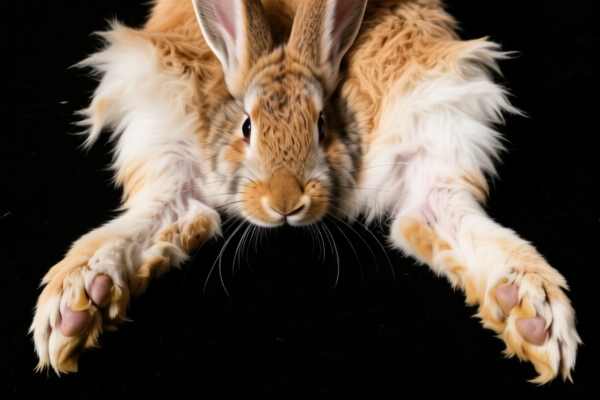
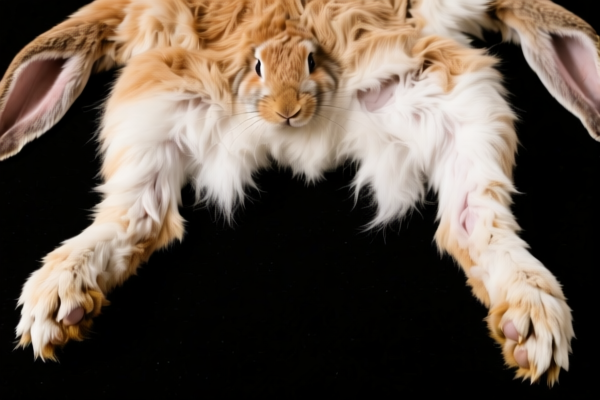
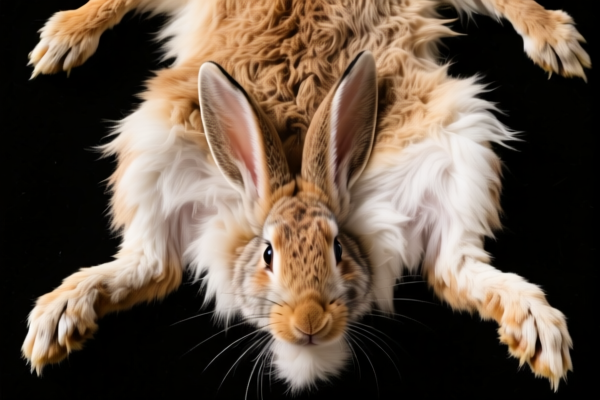
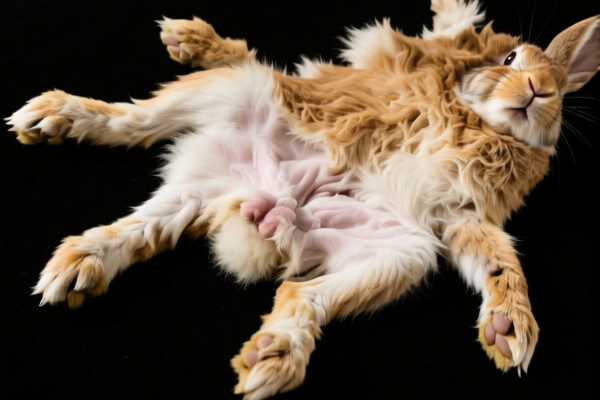
Rabbit fur with claws refers to raw pelts (skins) that have been removed from the rabbit but retain the tail, head, and/or limbs/claws. In international trade, the presence of these extremities often determines whether the item is classified as a "raw skin" (Chapter 43, Heading 4301) or a "prepared/finished fur" (Heading 4302/4303).
Key Distinction in Classification: * Raw Skins (Heading 4301): The pelt is in its natural state, possibly dried or salted, but not yet tanned for fur garments. The inclusion of the tail and claws strongly suggests it is an unfinished raw material. * Prepared Furs (Heading 4302/4303): Tanned, dressed, or made up into articles.
⚠️ Critical Classification Point:
- If the fur is raw, un-tanned, and includes the tail/claws, it generally falls under 4301 (Raw Skins).
- If the fur is tanned or dressed but still retains tail/claws features, it may fall under 4302 (Prepared Skins).
- If it is manufactured (e.g., cut into strips, collars, or specific shapes), it falls under 4303 (Articles of Fur).
📦 II. HS Code Classification Details (2026 Tariff Authority Comparison)
Based on the provided data, here are the applicable HS Codes, their summaries, and tax structures. Note that different interpretations of "tail/claws" presence lead to different duty rates.
| HS Code | Product Description | Applicable Scenario | Tax Rate |
|---|---|---|---|
| 4301.90.00.00 | Raw rabbit skins, with tails, considered as raw materials for fur merchants. | Unprocessed raw skins, tail intact, for further processing. | 10.0% |
| 4303.10.00.60 | Rabbit fur material, classified under other fur materials excluding mink. | Processed or manufactured fur articles, not raw skins. | 39.0% |
| 4301.80.02.02 | Rabbit fur explicitly identified as rabbit material, with tail consistent with raw skin characteristics. | Raw skins where tail confirmation is key for classification. | 17.5% |
| 4302.19.55.00 | Rabbit fur fitting material limits, with tail considered as whole skin feature. | Prepared/finished skins (tanned/dressed), whole skin shape. | 37.7% |
| 4302.20.30.00 | Rabbit fur classified as refined fur, with tail fitting fur fragment characteristics. | Refined/semi-processed fur pieces, possibly cut but retaining tail remnants. | 37.1% |
🔍 Key Observation:
- Raw vs. Prepared: Codes starting with4301are raw skins (lower base tax, but varying additional duties). Codes starting with4302or4303are prepared/manufactured (higher base taxes). - Tax Disparity: The total tax rate ranges from 10% to 39%, depending heavily on whether the product is deemed "raw" or "manufactured."
💰 III. 2026 Latest Tariff Rate Breakdown (Including Surcharge & Policy Add-ons)
✅ Applicable Country: United States (US)
✅ Origin: China (CN)
✅ Effective Date: Post-November 2025 (Current Trade Policy)
🎯 1. 4301.90.00.00 — Raw Rabbit Skins (With Tail)
| Item | Detail |
|---|---|
| Base Tariff | 0.0% (ad valorem) |
| Section 301 Surcharge | 0.0% |
| IEEPA Section 122 Surcharge | +10% |
| Total Tax Rate | 10.0% |
| Calculation | CIF Value × 10% |
| De Minimis Exemption | ❌ Not Eligible (Fur products are generally excluded from de minimis relief under current enforcement) |
| Legal Basis | IEEPA:9903.01.25 (Section 122) → USITC:4301.90.00.00 |
📌 Explanation:
- This is the lowest tax rate among the options.
- It applies strictly to raw, unprocessed skins intended for further manufacturing.
- The 10% comes solely from the Section 122 IEEPA surcharge on Chinese fur imports.
🎯 2. 4301.80.02.02 — Raw Rabbit Skins (Explicit Rabbit Material, Tail Intact)
| Item | Detail |
|---|---|
| Base Tariff | 0.0% |
| Section 301 Surcharge | +7.5% |
| IEEPA Section 122 Surcharge | +10% |
| Total Tax Rate | 17.5% |
| Calculation | CIF Value × 17.5% |
| De Minimis Exemption | ❌ Not Eligible |
| Legal Basis | IEEPA:9903.01.25 → USITC:4301.80.02.02 → FOOTNOTE:301.8 |
📌 Explanation:
- This code is a more specific sub-category of raw rabbit skins.
- The 7.5% Section 301 surcharge applies here, likely due to specific tariff list adjustments for certain raw fur preparations.
- Total duty is 17.5%, which is still significantly lower than prepared furs.
🎯 3. 4303.10.00.60 — Prepared/Manufactured Rabbit Fur Articles
| Item | Detail |
|---|---|
| Base Tariff | 4.0% |
| Section 301 Surcharge | +25.0% |
| IEEPA Section 122 Surcharge | +10% |
| Total Tax Rate | 39.0% |
| Calculation | CIF Value × 39.0% |
| De Minimis Exemption | ❌ Not Eligible |
| Legal Basis | IEEPA:9903.01.25 → USITC:4303.10.00.60 → FOOTNOTE:301.1 |
📌 Explanation:
- This applies if the product is considered manufactured (e.g., cut, assembled, or significantly processed).
- The 25% Section 301 surcharge is the standard high tariff for Chinese manufactured fur goods.
- Highest tax burden.
🎯 4. 4302.19.55.00 — Prepared Rabbit Skins (Whole Skin)
| Item | Detail |
|---|---|
| Base Tariff | 2.7% |
| Section 301 Surcharge | +25.0% |
| IEEPA Section 122 Surcharge | +10% |
| Total Tax Rate | 37.7% |
| Calculation | CIF Value × 37.7% |
| De Minimis Exemption | ❌ Not Eligible |
| Legal Basis | IEEPA:9903.01.25 → USITC:4302.19.55.00 → FOOTNOTE:301.1 |
📌 Explanation:
- Applies to tanned or dressed skins that are not yet made into garments.
- The 25% Section 301 surcharge still applies.
- Slightly lower base tax than 4303, but still very high.
🎯 5. 4302.20.30.00 — Refined Rabbit Fur (Fragments/Shapes)
| Item | Detail |
|---|---|
| Base Tariff | 2.1% |
| Section 301 Surcharge | +25.0% |
| IEEPA Section 122 Surcharge | +10% |
| Total Tax Rate | 37.1% |
| Calculation | CIF Value × 37.1% |
| De Minimis Exemption | ❌ Not Eligible |
| Legal Basis | IEEPA:9903.01.25 → USITC:4302.20.30.00 → FOOTNOTE:301.1 |
📌 Explanation:
- Applies to refined fur pieces (e.g., cut shapes, not full skins).
- Same high surcharge structure as other prepared furs.
🛠️ IV. Customs Clearance Practical Advice (Risk Avoidance Guide)
✅ 1. Documentation Checklist (Mandatory)
| Document | Required | Notes |
|---|---|---|
| ✅ Product Description | ✔️ | Must clearly state "Raw Rabbit Skins with Tail" or "Tanned Rabbit Skins." |
| ✅ Material Composition | ✔️ | 100% Rabbit Fur (Raw/Tanned). |
| ✅ Process Description | ✔️ | Specify: Dried, Salted, Tanned, or Dyed? |
| ✅ Photos | ✔️ | Show tail, claws, and overall skin condition. |
| ✅ Commercial Invoice | ✔️ | Value must reflect CIF. No hidden discounts. |
| ✅ Packing List | ✔️ | Quantity, weight, and packaging details. |
| ✅ Certificate of Origin | ✔️ | If claiming any preferential treatment (rare for China-US). |
⚠️ Warning:
- Do not describe raw skins as "clothing accessories" or "manufactured goods" if they are raw. Misclassification can lead to fraud penalties.
- Do not omit the "tail" or "claws" if present. Customs officers inspect physical samples. If the invoice says "no tail" but the package contains tails, seizure is likely.
✅ 2. Classification Strategy (Key Tips)
🔥 "Raw is Low, Prepared is High. Tail Confirms Raw!"
| Scenario | Recommended HS Code | Tax Rate | Risk Level |
|---|---|---|---|
| Raw, Un-tanned, with Tail/Claws | 4301.90.00.00 |
10.0% | Low (if documentation is clear) |
| Raw, Un-tanned, Tail Specific | 4301.80.02.02 |
17.5% | Low |
| Tanned/Dressed, Whole Skin | 4302.19.55.00 |
37.7% | Medium (need proof of tanning) |
| Cut/Refined Pieces | 4302.20.30.00 |
37.1% | Medium |
| Manufactured Articles | 4303.10.00.60 |
39.0% | High (if misdeclared as raw) |
📌 Advice:
- If your product is raw, insist on 4301 codes. The tax savings (10-17.5% vs. 37-39%) are substantial.
- If your product is tanned, you must provide tanning certificates or process descriptions to justify 4302 codes.
- Never declare raw skins as 4303 unless they are actually manufactured articles.
✅ 3. Special Cases
| Situation | Handling Advice |
|---|---|
| Mixed Skins (Rabbit + Other) | Declare separately. Do not combine. |
| Wet vs. Dry Skins | Specify moisture content. Wet skins may require different handling notes. |
| OEM for Brand | Ensure invoice matches buyer’s requirements. Brand name should not imply "manufactured garment." |
| Samples for Review | Even samples are subject to duty. Declare accurately. |
🌍 V. Global Market Comparison (2026)
| Country/Region | Recommended HS Code | Estimated Duty | Certification | Notes |
|---|---|---|---|---|
| 🇺🇸 USA | 4301.90.00.00 |
10% | No specific cert | High risk of audit for fur. |
| 🇨🇳 China | 4301.90.00.00 |
~5-10% | N/A | Lower duties, less scrutiny. |
| 🇪🇺 EU | 4301.90.00 |
~1.7% | CITES (if endangered) | Strict CITES rules for wild rabbit. |
| 🇬🇧 UK | 4301.90.00 |
~5% | N/A | Post-Brexit rules apply. |
📌 Conclusion:
- The US imposes the highest effective duty (10% + surcharges) but is still the most expensive for prepared furs (39%).
- EU has lower duties but strict CITES regulations. Ensure rabbit species are not endangered (e.g., European Hare vs. Domestic Rabbit).
- China offers the lowest duty environment.
📌 VI. Common Mistakes & Pitfalls (Lessons Learned)
❌ Mistake 1: Declaring "Rabbit Fur Garments" for raw skins.
👉 Result: 39% duty + potential fraud investigation.
❌ Mistake 2: Ignoring the "Tail" in description.
👉 Result: Customs inspection finds tail, reclassifies to 4302/4303 → Back taxes + penalties.
❌ Mistake 3: Using "De Minimis" (Under $800) for fur.
👉 Result: Fur is excluded from de minimis relief under Section 321. All duties apply.
❌ Mistake 4: Misidentifying Species.
👉 Result: If CITES-listed species, import banned without permits.
✅ Correct Approach:
"Raw Rabbit Skins, Dried, with Tail and Claws, 100% Rabbit, for further processing. HS Code: 4301.90.00.00."
🎯 VII. Conclusion: Professional Classification Saves Money!
🎯 Remember:
🔹 "Raw is 10%, Prepared is 39%. Tail confirms Raw."
🔹 "De Minimis does NOT apply to Fur."
🔹 "Accurate Description is Key to Avoiding Penalties."
📌 Tips:
- If your rabbit fur is domestic (non-wild), CITES is not an issue.
- If wild, check CITES Appendix I/II status.
- Consider pre-classification rulings from US CBP for high-volume shipments.
📣 Take Action:
📞 Consult a Customs Broker for Pre-Import Classification.
📄 Ensure all documents match the physical product exactly.
🚀 Clear Customs Smoothly, Minimize Duties, Maximize Profit!
✨ Professional Compliance Starts with Accurate Classification!
💼 Every Percentage Point Matters in International Trade!
Customer Reviews
About HS Code Classification
The Harmonized System (HS) is an internationally standardized nomenclature developed by the World Customs Organization (WCO) to classify traded products. Over 200 countries use the HS system as the basis for customs tariffs, trade statistics, and import/export regulations.
Each HS code follows a hierarchical structure:
- Chapter (2 digits) — Broad category of goods (e.g., Chapter 84: Machinery and Mechanical Appliances)
- Heading (4 digits) — More specific grouping within the chapter
- Subheading (6 digits) — Internationally standardized breakdown, used by all WCO member countries
- National subdivisions (8-10 digits) — Country-specific extensions for further classification, such as US HTSUS 10-digit codes
Correct HS code classification is essential for smooth customs clearance, accurate duty payment, and compliance with trade regulations. Misclassification can lead to customs delays, overpayment of duties, or penalties.
When importing from CN to US, the applicable tariff rates may include:
- Most-Favored-Nation (MFN) rate — The standard duty rate applied to WTO members
- General rate — Applied to countries without trade agreements
- Trade remedy duties — Additional tariffs such as Section 301 (anti-dumping), Section 232 (national security), or countervailing duties
The information provided on this page is for reference purposes only. For official classification, please consult with your local customs authority or a licensed customs broker.