Raccoon raw hide with head and claws
CN → US| HS Code | Tariff Rate | Origin | Destination | Doc |
|---|---|---|---|---|
| 4103901190 | 17.5% | CN | US | Official Doc |
| 4103902000 | 20.8% | CN | US | Official Doc |
| 4301800275 | 17.5% | CN | US | Official Doc |
| 4301900000 | 10.0% | CN | US | Official Doc |
| 4303100060 | 39.0% | CN | US | Official Doc |
Product Images
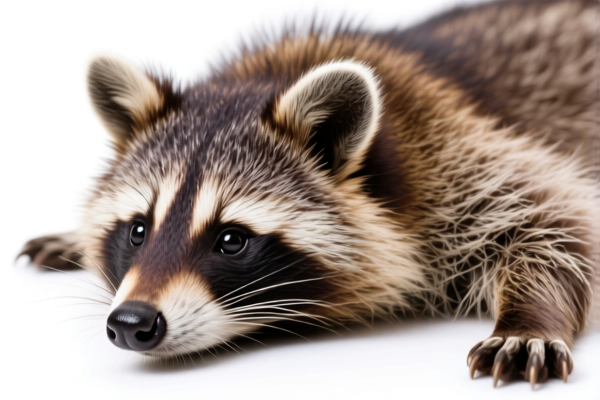
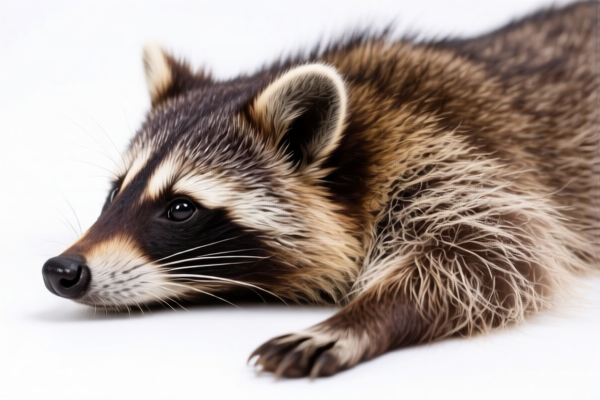
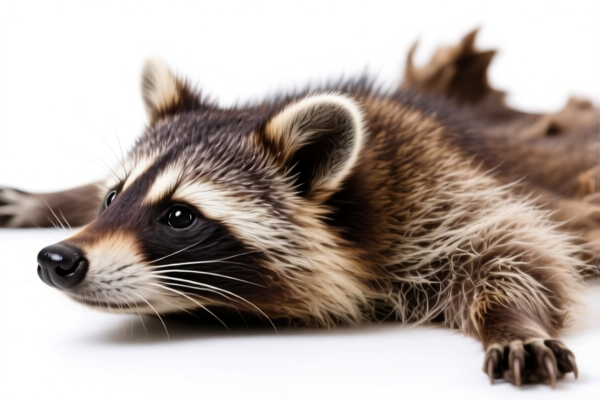
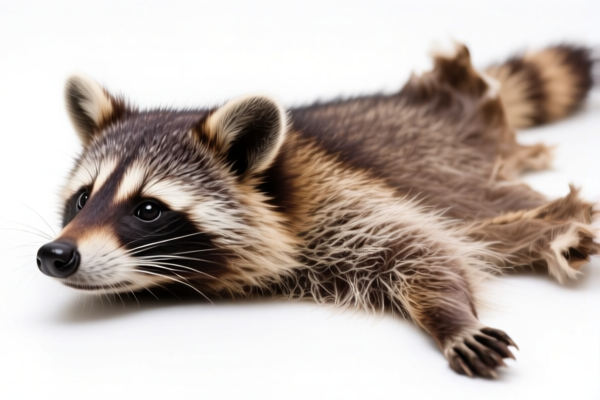
AI Analysis
🦝 Raccoon Raw Hide with Head and Claws: HS Code Classification & Customs Clearance Guide
🌐 HS Code Reference & Customs Clearance Guide | 2026 Latest Tariff Analysis | Professional Strategy
📌 One Product, Four Tariff Paths: Why Does "Raccoon Hide" Have So Many Codes?
The import classification of raccoon pelts depends entirely on the physical state, processing level, and specific characteristics (such as the presence of heads or claws). Misclassification can lead to significant tariff differences (from 0% to 39%) and customs delays.
Below is the detailed breakdown based on the provided data.
📦 II. HS Code Classification Details (Detailed Analysis)
| HS Code | Product Description & Definition | Key Characteristics | Tax Category |
|---|---|---|---|
| 4103.90.11.90 | Raw Raccoon Hide with Tail and Claws | Non-deer, non-sheepskin; untreated raw skin. | Total Tax: 17.5% |
| 4103.90.20.00 | Raw Raccoon Hide with Tail and Claws | Raw skin, untreated pelt form; specific variety under "Other" category. | Total Tax: 20.8% |
| 4301.80.02.75 | Raw Raccoon Pelt with Head | Material: Raccoon skin; Form: Fur with head attached; fits definition of raccoon fur with head. | Total Tax: 17.5% |
| 4301.90.00.00 | Raw Raccoon Pelt with Head | Material: Raw skin; Form: Includes head; Usage: Available for furriers as scraps/slices. | Total Tax: 10.0% |
| 4303.10.00.60 | Raccoon Pelt (Processed/Finished) | Category: Fur products; Not mink; Fits "Other Material" classification. | Total Tax: 39.0% |
🔍 Critical Distinction: - Chapter 41 (Hides/Skins): Applies to raw, untreated skins (Codes starting with
4103). - Chapter 43 (Fur): Applies to skins prepared for furriery, often including heads (Codes starting with4301) or finished fur goods (Code4303). - The "Head" Factor: The presence of a head shifts classification from4103(Raw Skin) to4301(Fur Raw), significantly changing the tax base.
💰 III. 2026 Latest Tariff Rate Breakdown (Detailed Tax Clauses)
✅ Applicable Country: United States (US)
✅ Origin: China (CN)
✅ Effective Date: Current regulations apply.
🎯 1. 4103.90.11.90 – Raw Raccoon Hide (Tail/Claws, Non-Deer/Sheep)
Best for: Raw, unprepared skins without heads, but with tails/claws.
| Item | Detail |
|---|---|
| Base Tariff | 0.0% |
| Section 301 (Retaliatory/Additional) | 7.5% |
| Section 122 Tariff | 10.0% |
| Total Effective Tax Rate | 17.5% |
| Calculation Basis | CIF Value × 17.5% |
| Legal Path | Base Tariff → Section 301 → Section 122 |
📌 Explanation:
This code has a zero base tariff, but attracts two layers of additional tariffs: Section 301 (7.5%) and Section 122 (10%). The total burden is moderate.
🎯 2. 4103.90.20.00 – Raw Raccoon Hide (Specific Other Category)
Best for: Raw hides classified under specific "Other" sub-categories.
| Item | Detail |
|---|---|
| Base Tariff | 3.3% |
| Section 301 (Retaliatory/Additional) | 7.5% |
| Section 122 Tariff | 10.0% |
| Total Effective Tax Rate | 20.8% |
| Calculation Basis | CIF Value × 20.8% |
| Legal Path | Base Tariff → Section 301 → Section 122 |
📌 Explanation:
Unlike the previous code, this one has a positive base tariff (3.3%). Combined with Section 301 and 122, it is slightly more expensive than4103.90.11.90.
🎯 3. 4301.80.02.75 – Raw Raccoon Pelt WITH HEAD
Best for: Pelts where the head is attached, used for fur manufacturing.
| Item | Detail |
|---|---|
| Base Tariff | 0.0% |
| Section 301 (Retaliatory/Additional) | 7.5% |
| Section 122 Tariff | 10.0% |
| Total Effective Tax Rate | 17.5% |
| Calculation Basis | CIF Value × 17.5% |
| Legal Path | Base Tariff → Section 301 → Section 122 |
📌 Explanation:
Even with the head attached, this code benefits from a 0% base tariff. The total tax is the same as4103.90.11.90, but the classification logic is different (Chapter 43 vs. Chapter 41).
🎯 4. 4301.90.00.00 – Raw Raccoon Pelt WITH HEAD (Other/Furrier Use)
Best for: Raw pelts with heads, intended for furriers to cut into scraps/slices.
| Item | Detail |
|---|---|
| Base Tariff | 0.0% |
| Section 301 (Retaliatory/Additional) | 0.0% |
| Section 122 Tariff | 10.0% |
| Total Effective Tax Rate | 10.0% |
| Calculation Basis | CIF Value × 10.0% |
| Legal Path | Base Tariff → Section 122 Only |
📌 Explanation:
⚠️ MOST COST-EFFECTIVE OPTION IF ELIGIBLE.
This code has a 0% base tariff, 0% Section 301, and only 10% Section 122. It is the cheapest tariff route but requires strict compliance with the definition ("furriers available scraps or slices").
🎯 5. 4303.10.00.60 – Raccoon Pelt (Finished/Other Fur Product)
Best for: Processed fur goods, not raw pelts.
| Item | Detail |
|---|---|
| Base Tariff | 4.0% |
| Section 301 (Retaliatory/Additional) | 25.0% |
| Section 122 Tariff | 10.0% |
| Total Effective Tax Rate | 39.0% |
| Calculation Basis | CIF Value × 39.0% |
| Legal Path | Base Tariff → Section 301 → Section 122 |
📌 Explanation:
⚠️ HIGHEST COST OPTION.
This code applies to finished or semi-finished fur products (not raw). It incurs the highest Section 301 tariff (25%), making it very expensive. Do not use this for raw hides.
🛠️ IV. Customs Clearance Practical Advice
✅ 1. Documentation Checklist (Must-Have)
| Document | Required? | Purpose |
|---|---|---|
| Product Specification Sheet | ✔️ | Must clearly state: "Raw," "With Head/Claws/Tail," "Species: Raccoon." |
| Photos of Goods | ✔️ | Must show condition (raw vs. tanned), presence of head/claws, and overall integrity. |
| Commercial Invoice | ✔️ | Accurate description matching HS Code definition. Avoid vague terms like "Fur." |
| Packing List | ✔️ | Detail weight and dimensions. |
| Origin Certificate | ✔️ | Proof of Chinese origin to confirm applicability of Section 301/122 tariffs. |
✅ 2. Classification Strategy (Key Decision Points)
| Scenario | Recommended HS Code | Why? |
|---|---|---|
| Raw hide, NO head, WITH tail/claws | 4103.90.11.90 or 4103.90.20.00 |
Classified as raw skin (Ch 41). Check if "non-deer/sheep" fits 11.90 or other 20.00. |
| Raw hide, WITH head | 4301.90.00.00 |
Lowest Tax (10%). Use if the pelt is intended for furriers to cut/slice. Must verify "furrier use" definition. |
| Raw hide, WITH head (General) | 4301.80.02.75 |
Standard classification for raw raccoon fur with head. Tax 17.5%. |
| Tanned/Finished Fur Product | 4303.10.00.60 |
Avoid unless necessary. Highest tax (39%). Only use if the product is no longer "raw." |
🔥 Pro Tip:
- If your product is raw but you want to minimize tax, investigate if it qualifies for4301.90.00.00(10% total). This requires proving it is for "furrier use" (scraps/slices). - If the product is not for furrier use, stick to4103.90.11.90(17.5%) or4301.80.02.75(17.5%). - NEVER misdeclare raw hides as finished fur (4303) to avoid the 39% tax; customs will reclassify and impose penalties.
✅ 3. Special Considerations
- Section 122 Tariff: Applies to all codes listed above. This is a significant cost driver. Ensure your pricing model accounts for this 10% add-on.
- Section 301 Tariff: Applies to most raw skins (
4103,4301.80), but NOT to4301.90.00.00(which has 0% Section 301). This makes4301.90.00.00the most advantageous if eligible. - Species Verification: Ensure the species is correctly identified as Procyon lotor (Raccoon). Misidentification can lead to legal issues under wildlife trade laws (CITES if applicable, though raccoons are generally not CITES-listed, local laws may apply).
📌 V. Common Errors & Pitfalls
❌ Error 1: Declaring raw hides as "Finished Fur Products" (4303) to avoid raw material restrictions.
👉 Result: 39% tax + penalties for misclassification.
❌ Error 2: Ignoring the presence of the head.
👉 Result: If head is present but declared as "raw skin without head" (4103), customs may reclassify to 4301, causing delays and potential tax adjustments.
❌ Error 3: Assuming all raw hides have the same tax.
👉 Result: Tax ranges from 10% to 39%. Incorrect classification can cost up to 29% more.
✅ Correct Approach:
"Raw Raccoon Skin, With Head, For Furrier Use" → Declare as
4301.90.00.00(if eligible) for lowest tax.
"Raw Raccoon Skin, Without Head" → Declare as4103.90.11.90for accurate classification.
🎯 VI. Conclusion: Smart Classification Saves Money
🎯 Key Takeaway:
- Cheapest Route:
4301.90.00.00(10% total) – If eligible for "furrier use".- Standard Route:
4103.90.11.90or4301.80.02.75(17.5% total).- Most Expensive:
4303.10.00.60(39% total) – Avoid for raw goods.
📌 Recommendation:
1. Verify Product State: Is it truly raw? Does it have a head?
2. Check Eligibility: Can it be classified under 4301.90.00.00?
3. Document Thoroughly: Provide clear photos and specifications to support the chosen HS Code.
4. Consult Customs Broker: For high-volume imports, seek a pre-ruling to confirm the best classification.
📣 Take Action Now:
📞 Contact a Licensed Customs Broker
📄 Prepare Product Photos & Specifications
🚀 Apply for Advance Ruling if uncertain
Minimize Tax, Maximize Compliance!
✨ Professional Customs Clearance Starts with Accurate Classification!
💼 Every Dollar Saved is a Dollar Earned!
Customer Reviews
About HS Code Classification
The Harmonized System (HS) is an internationally standardized nomenclature developed by the World Customs Organization (WCO) to classify traded products. Over 200 countries use the HS system as the basis for customs tariffs, trade statistics, and import/export regulations.
Each HS code follows a hierarchical structure:
- Chapter (2 digits) — Broad category of goods (e.g., Chapter 84: Machinery and Mechanical Appliances)
- Heading (4 digits) — More specific grouping within the chapter
- Subheading (6 digits) — Internationally standardized breakdown, used by all WCO member countries
- National subdivisions (8-10 digits) — Country-specific extensions for further classification, such as US HTSUS 10-digit codes
Correct HS code classification is essential for smooth customs clearance, accurate duty payment, and compliance with trade regulations. Misclassification can lead to customs delays, overpayment of duties, or penalties.
When importing from CN to US, the applicable tariff rates may include:
- Most-Favored-Nation (MFN) rate — The standard duty rate applied to WTO members
- General rate — Applied to countries without trade agreements
- Trade remedy duties — Additional tariffs such as Section 301 (anti-dumping), Section 232 (national security), or countervailing duties
The information provided on this page is for reference purposes only. For official classification, please consult with your local customs authority or a licensed customs broker.