Raccoon skin with tail and claws
CN → US| HS Code | Tariff Rate | Origin | Destination | Doc |
|---|---|---|---|---|
| 4103902000 | 20.8% | CN | US | Official Doc |
| 4103901190 | 17.5% | CN | US | Official Doc |
| 4301800275 | 17.5% | CN | US | Official Doc |
| 4301900000 | 10.0% | CN | US | Official Doc |
| 4303100060 | 39.0% | CN | US | Official Doc |
Product Images
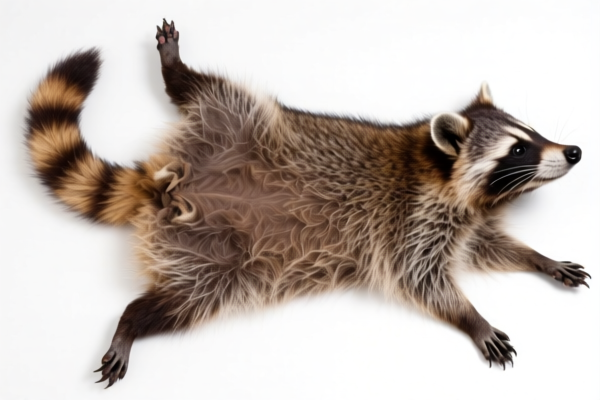
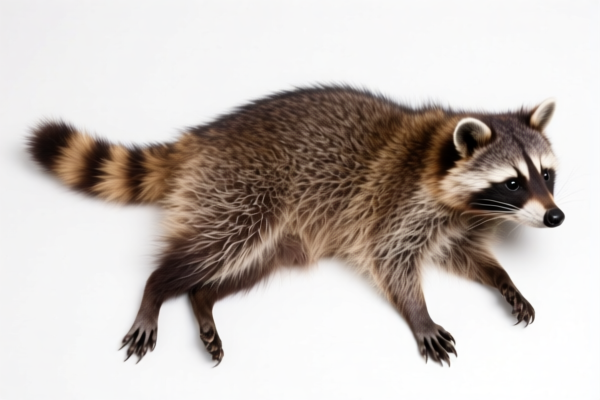
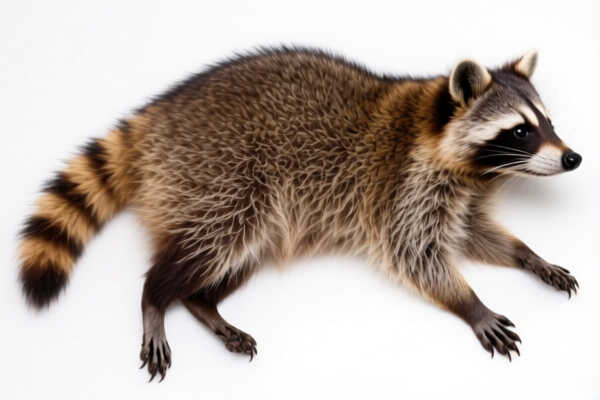
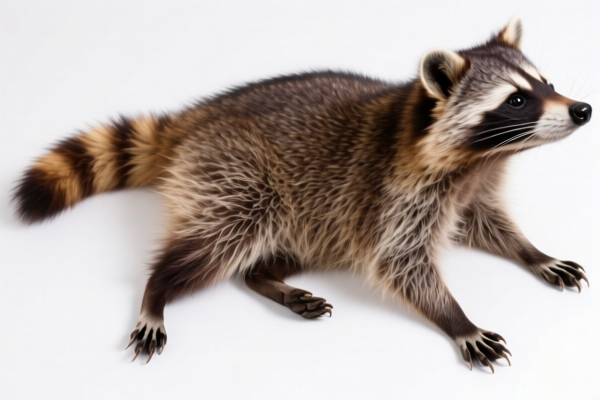
AI Analysis
🦝 Raccoon Skin with Tail and Claws (Raw)
🌐 HS Code Reference & Customs Clearance Guide | 2026 Latest Tariff Analysis | Professional Clearance Strategy
📌 I. Product Definition and Classification: Do You Really Understand "Raccoon Skin"?
Raccoon skin, a prized material in the fur industry, is classified differently depending on its state of preservation (raw vs. tanned) and physical form (whole with head/tail vs. stripped/skinned). In international trade, precise classification is critical because the tax burden can vary significantly.
Raw Skins (Chapter 41 & 43):
Unprocessed hides intended for further tanning or manufacturing. These are often classified under heading 4103 (Other raw hides and skins) or 4301 (Raw fur skins, whether or not with head, paws, or tail).
Tanned/Finished Skins (Chapter 43):
Processed furs ready for garment manufacturing. These fall under 4303 (Articles of apparel, clothing accessories, and other articles of fur skins).
⚠️ Key Distinction Points:
- "With Tail and Claws": Indicates the skin is not stripped clean. This specific physical characteristic can influence classification between 4103.90 (Other raw skins) and 4301 (Raw fur skins). - "With Head": If the head is retained, it strongly points to 4301 (Raw fur skins) rather than general raw hides (4103), though there is overlap depending on specific national interpretations. - "Raw" vs. "Tanned": Raw skins attract different duties than finished fur products.
📦 II. HS Code Classification Details (Based on Provided Data)
| HS Code | Product Description | Key Characteristics | Tax Rate (Total) |
|---|---|---|---|
4103.90.20.00 |
Raccoon raw skin with tail and claws | Raw Hide (Un-tanned); Form: Unprocessed hide; Category: Other specific varieties | 20.8% |
4103.90.11.90 |
Raccoon raw skin with tail and claws | Raw Hide (Un-tanned); Material: Raccoon; Category: Non-deer, non-sheep raw skins | 17.5% |
4301.80.02.75 |
Raccoon raw skin with head | Raw Fur Skin; Material: Raccoon; Form: Fur with head; Meets definition of raccoon fur skin with head | 17.5% |
4301.90.00.00 |
Raccoon raw skin with head | Raw Fur Skin; Material: Raw hide; Form: Includes head; Use: Available to furriers for fragments/slices | 10.0% |
4303.10.00.60 |
Tanned/Finished Raccoon Skin | Finished Fur Product; Material: Raccoon; Category: Other materials (Non-mink) | 39.0% |
🔍 Critical Note:
- Skins without heads but with tails/claws may be classified under 4103 (Raw Hides) if they do not meet the specific definition of "fur skins" in Chapter 43, or under 4301 if deemed specific fur skins. - Skins with heads are more likely to be classified under 4301 (Raw Fur Skins). - 4303 applies only if the skin is tanned or further prepared (finished), not raw.
💰 III. 2026 Latest Tariff Rate Breakdown (Including Additional Duties & Policy Surcharges)
✅ Applicable Country: United States (US)
✅ Origin: China (CN)
✅ Effective Date: Post-2025 import rules apply (based on provided data)
🎯 1. 4103.90.20.00 —— Raw Raccoon Skin (Tail & Claws, Specific Variety)
| Item | Content |
|---|---|
| Base Tariff | 3.3% |
| Section 301 / Additional Tariff | 7.5% |
| Section 301 (Title 122) Tariff | 10% |
| Total Tariff | 20.8% |
| Tax Calculation | CIF Value × 20.8% |
| De Minimis Eligibility | ❌ Not Eligible (High value commodity) |
| Legal Basis | Combined base + additional tariffs under US trade laws |
📌 Explanation:
- This classification captures raccoon skins that are raw but fall under specific "other" categories not covered by the lower-rate 4103.90.11 subheadings. - The total duty is moderate compared to finished fur goods.
🎯 2. 4103.90.11.90 —— Raw Raccoon Skin (Tail & Claws, Non-Sheep/Non-Deer)
| Item | Content |
|---|---|
| Base Tariff | 0.0% |
| Section 301 / Additional Tariff | 7.5% |
| Section 301 (Title 122) Tariff | 10% |
| Total Tariff | 17.5% |
| Tax Calculation | CIF Value × 17.5% |
| De Minimis Eligibility | ❌ Not Eligible |
| Legal Basis | Base rate exempt, but subject to additional trade tariffs |
📌 Note:
- This is a more favorable classification for raw raccoon skins than4103.90.20.00. - Applicable to raccoon skins that are not deer or sheep skins and are not specifically listed elsewhere in 4103.90.11.
🎯 3. 4301.80.02.75 —— Raw Raccoon Skin WITH Head
| Item | Content |
|---|---|
| Base Tariff | 0.0% |
| Section 301 / Additional Tariff | 7.5% |
| Section 301 (Title 122) Tariff | 10% |
| Total Tariff | 17.5% |
| Tax Calculation | CIF Value × 17.5% |
| De Minimis Eligibility | ❌ Not Eligible |
| Legal Basis | Raw fur skins with head classification |
📌 Explanation:
- Keeping the head classifies the item under Chapter 43 (Raw Fur Skins). - Despite having the head, the total tariff (17.5%) is the same as the "tail/claw only" raw skin under4103.90.11.90due to zero base duty.
🎯 4. 4301.90.00.00 —— Raw Raccoon Skin WITH Head (Other)
| Item | Content |
|---|---|
| Base Tariff | 0.0% |
| Section 301 / Additional Tariff | 0.0% |
| Section 301 (Title 122) Tariff | 10% |
| Total Tariff | 10.0% |
| Tax Calculation | CIF Value × 10.0% |
| De Minimis Eligibility | ❌ Not Eligible |
| Legal Basis | Other raw fur skins |
📌 Important:
- This is the lowest tariff option for raw raccoon skins (10%). - It applies to raw fur skins with heads that do not fall into specific subcategories. - Note: The description mentions "available to furriers for fragments or slices," implying it might be for industrial processing rather than full pelts.
🎯 5. 4303.10.00.60 —— Finished/Tanned Raccoon Skin
| Item | Content |
|---|---|
| Base Tariff | 4.0% |
| Section 301 / Additional Tariff | 25.0% |
| Section 301 (Title 122) Tariff | 10% |
| Total Tariff | 39.0% |
| Tax Calculation | CIF Value × 39.0% |
| De Minimis Eligibility | ❌ Not Eligible |
| Legal Basis | Finished fur articles (non-mink) |
📌 Warning:
- This is a high-cost classification. - Applies ONLY if the skin is tanned, dressed, or further prepared. - Do NOT use this code for raw skins. Misclassification can lead to severe penalties.
🛠️ IV. Customs Clearance Practical Advice (Pitfall Avoidance Guide)
✅ 1. Essential Documentation Checklist
| Document | Required | Explanation |
|---|---|---|
| ✅ Commercial Invoice | ✔️ | Must clearly state: "Raccoon Skin," "Raw/Tanned," "With/Without Head," "With/Without Tail." |
| ✅ Packing List | ✔️ | Detail the condition (e.g., "100 pcs, raw, with heads"). |
| ✅ Species Certificate | ✔️ | Proof of species (Procyon lotor) to ensure correct HS Code. |
| ✅ CITES Permit (If Applicable) | ✔️ | Check if Raccoons are listed under CITES in your specific context. |
| ✅ Third-Party Inspection Report | ✔️ | Confirm raw vs. tanned status to prevent misclassification. |
✅ 2. Declaration Tips (Key Rules)
🔥 "Raw is Key, Head Changes Code, Tanned Jumps to 39%!"
| Scenario | Correct Declaration | Wrong Action |
|---|---|---|
| Raw skin, tail/claw only | 4103.90.11.90 or 4103.90.20.00 |
Declaring as finished fur → 39% tax |
| Raw skin, WITH head | 4301.80.02.75 or 4301.90.00.00 |
Declaring as raw hide (4103) → Potential dispute |
| Tanned skin | 4303.10.00.60 |
Declaring as raw → Smuggling/penalty risk |
| Fragmented/Sliced | 4301.90.00.00 |
Declaring as whole pelt → Incorrect value declaration |
✅ 3. Special Considerations
| Situation | Handling Advice |
|---|---|
| Mixed Containers (Raw + Tanned) | Must declare separately. Mixing codes leads to rejection. |
| OEM Custom Pelts | Provide design specs to prove if "finished" or "raw." |
| Value Declaration | Ensure CIF value includes all costs. 10-39% of declared value is at stake. |
| Origin Labeling | Clearly mark "Made in China" to trigger correct additional tariffs (7.5%-25%). |
🌍 V. Global Market Comparison (2026 Latest)
| Country/Region | Recommended HS Code | Tariff (China Origin) | Certification | Notes |
|---|---|---|---|---|
| 🇺🇸 USA | 4301.90.00.00 (Raw w/ Head) |
10.0% (Lowest Raw) | CITES (if needed) | Highest tariff for finished: 39% |
| 🇺🇸 USA | 4303.10.00.60 (Finished) |
39.0% | CITES + FDA (if any chemical residue) | Avoid if possible |
| 🇨🇳 China | 4301 / 4103 |
Varies (Import Duty) | N/A | Check local China customs for export rules |
| 🇪🇺 EU | 4301 (Raw) |
Varies (1-6%) | REACH + CITES | Strict wildlife trade regulations |
| 🇨🇦 Canada | 4301 |
Varies | CITES + CBSA Form | Similar to US structure |
📌 Conclusion:
- USA has a clear tiered system: Raw skins (10-17.5%) vs. Finished skins (39%). - Always declare raw vs. tanned correctly. The difference between 10% and 39% is massive. - "With Head" generally falls under Chapter 43, which may offer lower base duties but still attracts additional tariffs.
📌 VI. Common Errors & Pitfalls (Blood-Learned Lessons)
❌ Error 1: Declaring tanned skins as raw skins
👉 Consequence: Underpayment of 29.2% (39% - 9.8%) → Severe penalty + seizure!
❌ Error 2: Ignoring the "With Head" distinction
👉 Consequence: Misclassification between 4103 and 4301 → Customs delay + re-inspection
❌ Error 3: Not separating Raw and Finished in mixed shipments
👉 Consequence: Entire shipment held → Storage fees + demurrage
❌ Error 4: Using vague terms like "Animal Skin"
👉 Consequence: Customs cannot determine species or condition → Valuation assessment (higher tax)
✅ Correct Practice:
"100 Raccoon Skins, Raw, With Heads and Tails, Species: Procyon lotor, Un-tanned, for Fur Manufacturing, CIF Value $X"
🎯 VII. Conclusion: Professional Declaration Saves Money!
🎯 Remember the Golden Rule:
🔹 "Raw with Head → 4301 (10-17.5%)
🔹 "Raw Tail/Claw → 4103 (17.5-20.8%)
🔹 "Finished/Tanned → 4303 (39%)
🔹 "Misclassification → Disaster!"
📌 Pro Tip:
If you are importing raw skins to tan further in the US, ensure you have CITES documentation if applicable. For finished skins, consider the 39% tariff impact on your final product price.
📣 Immediate Action:
📞 Contact a licensed customs broker
📸 Provide high-res photos of the skin (showing head/tail/condition)
🚀 Apply for Binding Ruling if unsure about classification
✨ Professional Clearance Starts with Accurate Classification!
💼 Your cost savings depend on every digit in the HS Code!
Customer Reviews
About HS Code Classification
The Harmonized System (HS) is an internationally standardized nomenclature developed by the World Customs Organization (WCO) to classify traded products. Over 200 countries use the HS system as the basis for customs tariffs, trade statistics, and import/export regulations.
Each HS code follows a hierarchical structure:
- Chapter (2 digits) — Broad category of goods (e.g., Chapter 84: Machinery and Mechanical Appliances)
- Heading (4 digits) — More specific grouping within the chapter
- Subheading (6 digits) — Internationally standardized breakdown, used by all WCO member countries
- National subdivisions (8-10 digits) — Country-specific extensions for further classification, such as US HTSUS 10-digit codes
Correct HS code classification is essential for smooth customs clearance, accurate duty payment, and compliance with trade regulations. Misclassification can lead to customs delays, overpayment of duties, or penalties.
When importing from CN to US, the applicable tariff rates may include:
- Most-Favored-Nation (MFN) rate — The standard duty rate applied to WTO members
- General rate — Applied to countries without trade agreements
- Trade remedy duties — Additional tariffs such as Section 301 (anti-dumping), Section 232 (national security), or countervailing duties
The information provided on this page is for reference purposes only. For official classification, please consult with your local customs authority or a licensed customs broker.