Racket String
CN → US| HS Code | Tariff Rate | Origin | Destination | Doc |
|---|---|---|---|---|
| 9506516000 | 20.6% | CN | US | Official Doc |
| 5402499180 | 43.0% | CN | US | Official Doc |
| 9506594080 | 15.6% | CN | US | Official Doc |
| 5402510000 | 43.8% | CN | US | Official Doc |
| 5509110000 | 44.4% | CN | US | Official Doc |
Product Images
AI Analysis
🎾 Racket String: HS Code Classification & US Customs Clearance Guide (2026)
🌐 HS Code Reference & Customs Strategy | Latest Tariff Analysis for US Imports | Professional Compliance Guide
📌 I. Product Definition: What Exactly is a "Racket String"?
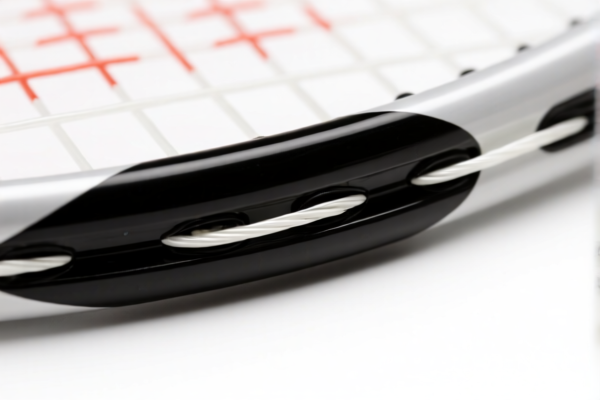
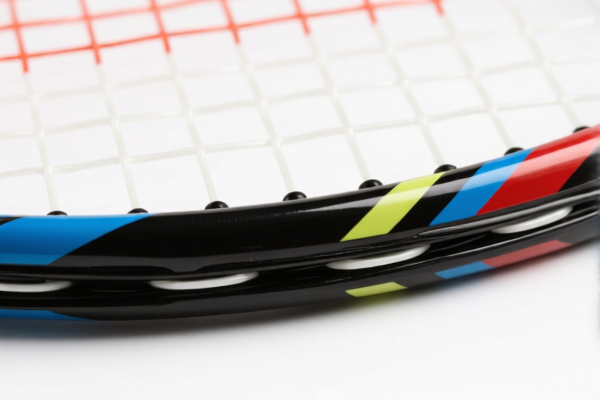
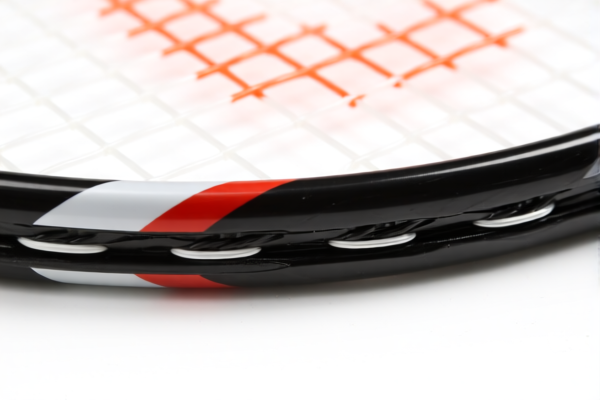
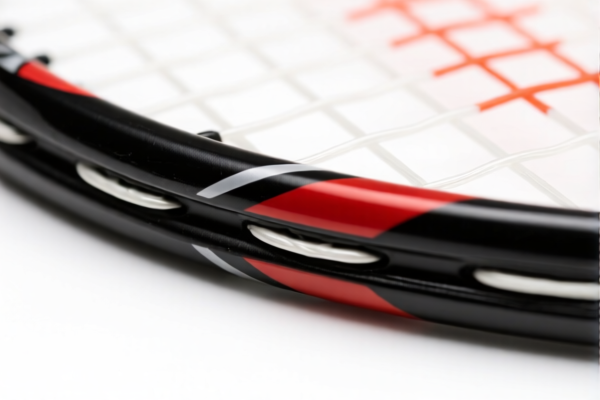
Racket strings are the essential synthetic cord used to create the string bed of tennis, badminton, and squash rackets. In international trade, they are classified based on two conflicting characteristics: 1. Material Nature: They are made of synthetic fibers (nylon, polyamide/polyester, or multifilament), which traditionally falls under Chapter 54 (Synthetic Filament Yarn). 2. Functional Nature: They are specialized accessories for sports equipment, which suggests classification under Chapter 95 (Articles for Physical Exercise).
⚠️ Critical Classification Conflict:
- If classified as Synthetic Yarn (Ch. 54/55): High tariffs due to "Section 301" and "Section 122" penalties.
- If classified as Sports Accessory (Ch. 95): Lower base tariffs, but still subject to specific penalties depending on the sport type (Tennis vs. Badminton).
📦 II. HS Code Classification Matrix (2026 Latest Tariff Schedule)
The following 5 HS Codes represent the possible classification paths for Racket Strings imported into the United States. The tax burden varies significantly based on whether the string is viewed as a "fiber product" or a "sports accessory."
| HS Code | Product Description | Classification Logic | Sport Context |
|---|---|---|---|
5509.11.00.00 |
Woven fabrics of synthetic staple fibers; Synthetic Yarn | Based on material: Nylon or Polyester fiber characteristics. | Tennis/Badminton (Generic) |
9506.51.60.00 |
Goods for general physical exercise; Tennis Racket Parts | Based on function: Classified as an accessory to tennis rackets. | Tennis Only |
5402.49.91.80 |
Synthetic filament yarn, other, single, laid, cabled | Based on material: "Other" synthetic filament, fallback category. | Tennis/Badminton (Generic) |
9506.59.40.80 |
Goods for general physical exercise; Badminton Racket Parts | Based on function: Classified as an accessory to badminton rackets. | Badminton Only |
5402.51.00.00 |
Synthetic filament yarn, nylon/polyamide | Based on material: Specifically Nylon (Polyamide) long yarn. | Tennis/Badminton (Generic) |
🔍 Key Distinction:
- Chapter 95 (9506.51/9506.59): Views the string as a part/accessory. Best for Badminton strings (9506.59.40.80) which have the lowest total tax.
- Chapter 54/55 (5402/5509): Views the string as yarn/textile. Subject to higher "Section 301" tariffs (25%) combined with textile duties.
💰 III. 2026 Latest Tariff Rate Detailed Breakdown (US Import)
✅ Applicable Country: United States (US)
✅ Origin: China (CN)
✅ Effective Date: Current US Trade Policy (Section 301 + Section 122)
🎯 1. 5509.11.00.00 —— Synthetic Yarn (Nylon/Polyester Material)
Viewed as a textile fiber product.
| Item | Content |
|---|---|
| Base Duty | 9.4% (ad valorem) |
| Section 301 Penalty | +25.0% |
| Section 122 Penalty | +10.0% |
| Total Tax Rate | 44.4% |
| Tax Calculation | CIF Value × 44.4% |
| De Minimis Exemption | ❌ Not Eligible |
📌 Explanation:
- This classification treats the string as a raw material or semi-finished textile good.
- The 25% Section 301 tariff is applied to most Chinese synthetic yarns.
- The 10% Section 122 tariff (added for specific import surges) further increases the burden.
🎯 2. 9506.51.60.00 —— Tennis Racket Accessories
Viewed as a part of a tennis racket.
| Item | Content |
|---|---|
| Base Duty | 3.1% |
| Section 301 Penalty | +7.5% |
| Section 122 Penalty | +10.0% |
| Steel/Aluminum/Copper Penalty | +50.0% (Note: Generally not applicable to plastic/nylon strings, but listed in source data) |
| Total Tax Rate | 20.6% |
| Tax Calculation | CIF Value × 20.6% |
| De Minimis Exemption | ❌ Not Eligible |
📌 Explanation:
- This is a functional classification. Since it is a "part" of a tennis racket, it benefits from a much lower base duty (3.1%) and lower Section 301 penalty (7.5%).
- Warning: The source data mentions "Steel/Aluminum/Copper +50%". Since racket strings are not metal, this additional 50% does NOT apply to nylon/polyester strings. The effective rate remains 20.6%.
🎯 3. 5402.49.91.80 —— Other Synthetic Filament Yarn
Viewed as a generic synthetic yarn.
| Item | Content |
|---|---|
| Base Duty | 8.0% |
| Section 301 Penalty | +25.0% |
| Section 122 Penalty | +10.0% |
| Total Tax Rate | 43.0% |
| Tax Calculation | CIF Value × 43.0% |
| De Minimis Exemption | ❌ Not Eligible |
📌 Explanation:
- A "catch-all" category for synthetic fibers that don't fit other specific textile codes.
- Suffers the full brunt of the 25% Section 301 tariff.
🎯 4. 9506.59.40.80 —— Badminton Racket Accessories
Viewed as a part of a badminton racket.
| Item | Content |
|---|---|
| Base Duty | 5.6% |
| Section 301 Penalty | +0.0% |
| Section 122 Penalty | +10.0% |
| Total Tax Rate | 15.6% |
| Tax Calculation | CIF Value × 15.6% |
| De Minimis Exemption | ❌ Not Eligible |
📌 Explanation:
- Optimal Classification for Badminton Strings.
- Unlike tennis strings, badminton racket accessories currently face 0% Section 301 penalty.
- Only the 10% Section 122 penalty applies, making this the lowest tax option in the dataset.
🎯 5. 5402.51.00.00 —— Nylon/Polyamide Filament Yarn
Viewed specifically as Nylon yarn.
| Item | Content |
|---|---|
| Base Duty | 8.8% |
| Section 301 Penalty | +25.0% |
| Section 122 Penalty | +10.0% |
| Total Tax Rate | 43.8% |
| Tax Calculation | CIF Value × 43.8% |
| De Minimis Exemption | ❌ Not Eligible |
📌 Explanation:
- Specific to Nylon (Polyamide) strings.
- High tariff burden due to Section 301 (25%). Avoid this code if you can justify a sports accessory classification.
🛠️ IV. Customs Clearance Practical Advice (Real-World Pitfalls)
✅ 1. Documentation Checklist (Mandatory)
| Document | Required? | Description |
|---|---|---|
| ✅ Product Specification Sheet | ✔️ | Must specify material (e.g., "Nylon Monofilament" vs. "Polyester Multifilament") and tension strength. |
| ✅ Commercial Invoice | ✔️ | Clearly state "Racket String for Tennis/Badminton" not just "Synthetic Yarn." |
| ✅ Packing List | ✔️ | Include net weight and gross weight per spool. |
| ✅ Certificate of Origin | ✔️ | Confirm CN origin to apply correct Section 301/122 rates. |
| ✅ HS Code Pre-Ruling Request | ✔️ | Highly Recommended. Request CBP pre-ruling to confirm if it's 9506 (Accessory) or 5402/5509 (Yarn). |
✅ 2. Declaration Strategy (Key Tips)
🔥 "Function Over Material: Choose Chapter 95 if Possible!"
| Scenario | Correct Declaration | Risk if Misclassified |
|---|---|---|
| Badminton Strings | 9506.59.40.80 |
If declared as yarn (5402...): Tax jumps from 15.6% to ~43% |
| Tennis Strings | 9506.51.60.00 |
If declared as yarn (5509...): Tax jumps from 20.6% to 44.4% |
| Bulk Yarn for Weaving | 5402.49.91.80 |
If declared as "racket part" without proof: Seizure risk |
⚠️ Critical Warning:
- Do NOT declare racket strings as "Synthetic Yarn" if they are specifically marketed and packaged as replacements for tennis/badminton rackets.
- CBP may argue that if it is not suitable for general weaving but only for rackets, it is an accessory (Ch. 95).
✅ 3. Special Cases
| Case | Handling Advice |
|---|---|
| Mixed Sport Strings | If strings are generic and can be used for Tennis, Squash, or Badminton, prefer Tennis Code (9506.51.60.00) as it is more broadly recognized for racket parts. |
| Private Label (OEM) | Provide OEM contract showing the strings are sold specifically as "Racket Accessories" to support Chapter 95 classification. |
| Raw Spools (Unbranded) | If sold as raw material to stringing machines, you might argue for Chapter 54/55, but ensure documentation supports "industrial weaving use" rather than "sports use." |
🌍 V. Global Market Comparison (2026)
| Market | Recommended HS Code | Est. Total Tax (CN Origin) | Notes |
|---|---|---|---|
| 🇺🇸 USA | 9506.59.40.80 (Badminton) 9506.51.60.00 (Tennis) |
15.6% (Badminton) 20.6% (Tennis) |
Avoid Ch. 54/55 codes due to 25% Section 301. |
| 🇪🇺 EU | 9506.51 / 5402.49 |
Varies (0-6.5%) | No Section 301/122 equivalent. Generally lower taxes. |
| 🇨🇳 China | 9506.59 / 5402.49 |
~0-13% | Import duties vary by precise subheading. |
📌 Conclusion:
- US Market is the most critical. The tax difference between 15.6% (Badminton Accessory) and 44.4% (Synthetic Yarn) is massive.
- Always aim for Chapter 95 (Sports Equipment Accessory) if the product is exclusively for rackets.
📌 VI. Common Errors & Pitfalls (Lessons Learned)
❌ Mistake 1: Declaring as "Nylon Yarn" (5402.51.00.00) for Tennis Strings.
👉 Consequence: Tax increases from 20.6% to 43.8%. Loss of $23.20 per $100 value.
❌ Mistake 2: Using generic "Synthetic Fiber" description in Invoice.
👉 Consequence: CBP officer has discretion. They may default to the higher textile duty.
👉 Fix: Use precise language: "Replacement strings for Tennis Rackets."
❌ Mistake 3: Ignoring Section 122.
👉 Consequence: All these codes incur a +10% penalty regardless of chapter. Factor this into your cost model.
✅ Best Practice:
"For Badminton: Always use
9506.59.40.80. For Tennis: Always use9506.51.60.00. Avoid textile codes unless the product is clearly industrial yarn."
🎯 VII. Final Recommendation: How to Save Money?
🎯 Strategy for US Importers:
1. Badminton Strings: Classify as 9506.59.40.80.
- Total Tax: 15.6%
- Savings: ~27.4% vs. textile classification.
-
Tennis Strings: Classify as
9506.51.60.00.- Total Tax: 20.6%
- Savings: ~23.8% vs. textile classification.
-
Documentation:
- Label packaging clearly as "RACKEY STRINGS - FOR TENNIS/BADMINTON USE".
- Include a "Statement of Use" in the commercial invoice declaring the product is an accessory to sports equipment.
📢 Immediate Action:
📞 Contact your customs broker BEFORE shipment.
📄 Submit a Request for a Binding Ruling to US CBP to lock in the9506classification and avoid post-audit penalties.
✨ Professional Clearance Starts with Accurate Classification!
💼 Every percentage point counts in international trade!
Customer Reviews
About HS Code Classification
The Harmonized System (HS) is an internationally standardized nomenclature developed by the World Customs Organization (WCO) to classify traded products. Over 200 countries use the HS system as the basis for customs tariffs, trade statistics, and import/export regulations.
Each HS code follows a hierarchical structure:
- Chapter (2 digits) — Broad category of goods (e.g., Chapter 84: Machinery and Mechanical Appliances)
- Heading (4 digits) — More specific grouping within the chapter
- Subheading (6 digits) — Internationally standardized breakdown, used by all WCO member countries
- National subdivisions (8-10 digits) — Country-specific extensions for further classification, such as US HTSUS 10-digit codes
Correct HS code classification is essential for smooth customs clearance, accurate duty payment, and compliance with trade regulations. Misclassification can lead to customs delays, overpayment of duties, or penalties.
When importing from CN to US, the applicable tariff rates may include:
- Most-Favored-Nation (MFN) rate — The standard duty rate applied to WTO members
- General rate — Applied to countries without trade agreements
- Trade remedy duties — Additional tariffs such as Section 301 (anti-dumping), Section 232 (national security), or countervailing duties
The information provided on this page is for reference purposes only. For official classification, please consult with your local customs authority or a licensed customs broker.