Radial Car Tire
CN → US| HS Code | Tariff Rate | Origin | Destination | Doc |
|---|---|---|---|---|
| 4011201005 | 39.0% | CN | US | Official Doc |
| 4011201015 | 39.0% | CN | US | Official Doc |
| 4012909000 | 37.7% | CN | US | Official Doc |
| 4013100020 | 38.7% | CN | US | Official Doc |
| 4011902050 | 39.0% | CN | US | Official Doc |
Product Images
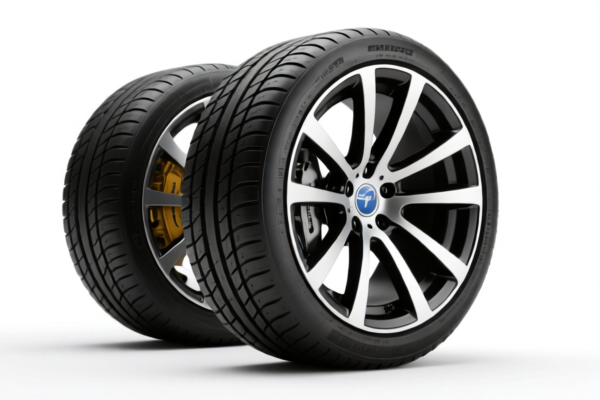
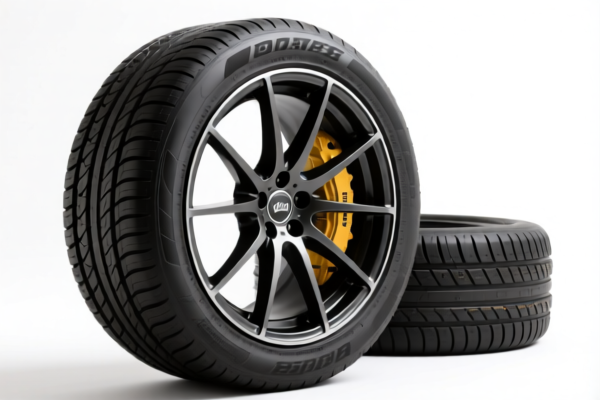
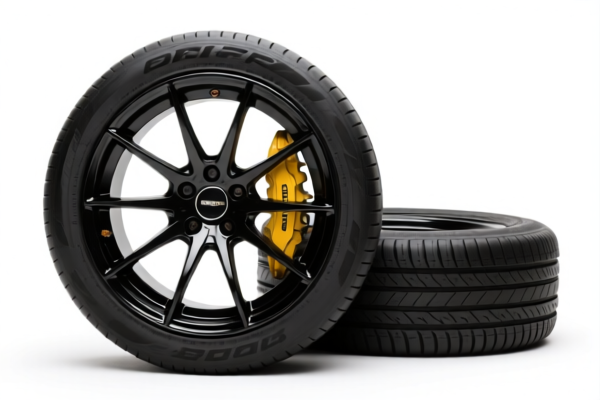
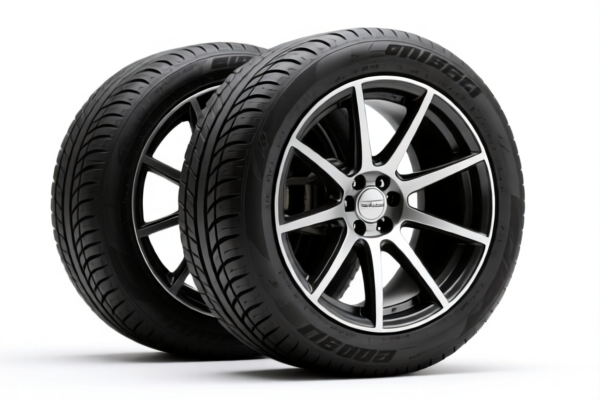
AI Analysis
🚛 Radial Car/Truck Tires (Radial Tyres)
🌐 HS Code Reference & Customs Clearance Guide | 2026 Latest Tariff Analysis | Professional Customs Strategy 📌 I. Product Definition & Classification: Do You Really Understand "Radial Tires"?
Radial Car/Truck Tires are pneumatic rubber tires where the cord layers run radially (at 90°) to the bead. In international trade, they are distinct from bias-ply tires due to their superior durability, fuel efficiency, and heat dissipation.
For customs classification under the Harmonized System (HS), the key distinction lies in: 1. Structure: Radial (sub-category "Radial") vs. Non-Radial. 2. Vehicle Type: Passenger cars, trucks, buses, etc. 3. Inflation Status: Pneumatic (air-filled) vs. Solid/Dense.
⚠️ Key Distinction Points:
- If it is Pneumatic and Radial → It falls under Heading 4011.10 or 4011.20 (depending on vehicle type).
- If it is Solid or Dense (non-pneumatic) → It falls under Heading 4012.90.
- If it includes a separate Inner Tube → It may fall under Heading 4013.10 (though modern radial tires are typically tubeless, specific inner-tube configurations exist).
📦 II. HS Code Classification Details (2026 Latest Tariff Authority Cross-Reference)
Based on the provided data for imports likely destined for markets with specific trade measures (e.g., US-China trade context), here is the breakdown:
| HS Code | Product Description | Applicable Scenario | Key Feature |
|---|---|---|---|
4011.20.10.05 |
Radial Pneumatic Tires, for Trucks | Truck/Bus Radial Tires | Radial Structure, Pneumatic, for Heavy Goods Vehicles |
4011.20.10.15 |
Radial Pneumatic Tires, for Buses/Trucks | Bus/Truck Radial Tires | Radial Structure, Pneumatic, specifically for Bus/Truck category |
4011.90.20.50 |
Other Radial Pneumatic Tires | General Radial Tires | Radial Structure, Pneumatic, if not strictly categorized above |
4012.90.90.00 |
Solid/Dense Tires, Retreaded or Used | Solid Rubber Tires | Non-Pneumatic, Solid or Dense Rubber |
4013.10.00.20 |
Pneumatic Tires with Inner Tubes | Traditional Tube-Type Tires | Includes Inner Tube, Radial or Bias (Context: Truck/Bus) |
🔍 Critical Note:
- HS Code4011.20.xxxxis the most common for modern Tubeless Radial Tires for trucks/buses.
- HS Code4012.90.90.00is for Solid Tires (e.g., for forklifts or industrial vehicles), which are NOT pneumatic. Do not confuse solid tires with radial pneumatic tires.
- HS Code4013.10.00.20is less common for standard automotive tires today but applies if the product is explicitly declared as having an inner tube component.
💰 III. 2026 Latest Tariff Rate Breakdown (Including Additional Duties & Policy Surcharges)
✅ Applicable Country: United States (US)
✅ Origin: China (CN)
✅ Effective Time: 2025/2026 (Post-Trade War Era)
🎯 1. 4011.20.10.05 & 4011.20.10.15 —— Radial Tires for Trucks/Buses
| Item | Content |
|---|---|
| Base Tariff | 4.0% (Ad Valorem) |
| Section 301 / Additional Tariff | +25.0% (USITC Footnote) |
| 122 Clause Tariff | +10.0% (Specific US Trade Regulation) |
| Total Tax Rate | 39.0% |
| Tax Calculation | CIF Value × 39.0% |
| De Minimis Exemption | ❌ Not Applicable (High-value industrial good) |
| Legal Basis Path | HTSUS:4011.20 → USITC:301 → 122 Clause |
📌 Explanation:
- Base Rate (4%): Standard MFN rate for pneumatic rubber tires.
- Additional 25%: Standard Section 301 tariff on Chinese goods in this category.
- 122 Clause 10%: Specific regulatory surcharge often applied to certain industrial imports.
- Total 39%: This is a high-cost item for importers. Profit margins must account for this significant duty burden.
🎯 2. 4011.90.20.50 —— Other Radial Pneumatic Tires
| Item | Content |
|---|---|
| Base Tariff | 4.0% |
| Section 301 / Additional Tariff | +25.0% |
| 122 Clause Tariff | +10.0% |
| Total Tax Rate | 39.0% |
| Tax Calculation | CIF Value × 39.0% |
| De Minimis Exemption | ❌ Not Applicable |
📌 Note:
- Same tariff structure as above. The slight HS code difference (4011.90vs4011.20) may reflect minor sub-classifications (e.g., specific vehicle type nuances), but the tax burden remains identical.
🎯 3. 4012.90.90.00 —— Solid/Dense Tires (Non-Pneumatic)
| Item | Content |
|---|---|
| Base Tariff | 2.7% |
| Section 301 / Additional Tariff | +25.0% |
| 122 Clause Tariff | +10.0% |
| Total Tax Rate | 37.7% |
| Tax Calculation | CIF Value × 37.7% |
| De Minimis Exemption | ❌ Not Applicable |
📌 Note:
- Slightly lower base rate (2.7% vs 4.0%) results in a total of 37.7%.
- Crucial: Ensure the product is actually solid. If it is pneumatic but misdeclared as solid, this is customs fraud.
🎯 4. 4013.10.00.20 —— Pneumatic Tires with Inner Tubes
| Item | Content |
|---|---|
| Base Tariff | 3.7% |
| Section 301 / Additional Tariff | +25.0% |
| 122 Clause Tariff | +10.0% |
| Total Tax Rate | 38.7% |
| Tax Calculation | CIF Value × 38.7% |
| De Minimis Exemption | ❌ Not Applicable |
📌 Note:
- Base rate is 3.7%, leading to 38.7% total.
- Use this code only if the tire explicitly includes an inner tube. Modern tubeless tires must NOT use this code.
🛠️ IV. Customs Clearance Practical Advice (Battle-Tested Pitfall Avoidance)
✅ 1. Document Checklist (Mandatory)
| Document | Must Provide | Explanation |
|---|---|---|
| ✅ Technical Data Sheet | ✔️ | Must specify: Radial Structure, Tire Size (e.g., 11R22.5), Ply Rating, Load Index |
| ✅ Product Photos | ✔️ | Clear shots of sidewall markings (e.g., "RADIAL", "Tubeless") |
| ✅ Commercial Invoice | ✔️ | Must accurately describe as "Radial Pneumatic Tire" or "Solid Tire" |
| ✅ Packing List | ✔️ | Item weight and dimensions for freight calculation |
| ✅ Country of Origin Certificate | ✔️ | Essential for verifying Chinese origin and applying correct surcharges |
| ✅ Import License | (If applicable) | Some industrial rubber products may require additional permits |
✅ 2. Declaration Tips (Key Rules)
🔥 "Structure First, Then Vehicle, Then Tube Status!"
| Scenario | Correct Declaration | Incorrect Practice |
|---|---|---|
| Tubeless Radial Tire | 4011.20.10.05 |
Declare as "Solid Tire" → 37.7% Tax Risk + Penalty |
| Solid Forklift Tire | 4012.90.90.00 |
Declare as "Radial Tire" → 39.0% Tax Risk |
| Tire + Inner Tube | 4013.10.00.20 |
Declare as "Tubeless" → Classification Error |
| Mixed Container | Separate Lines | Mixing Radial and Solid on one line → Customs Audit Trigger |
✅ 3. Special Situation Handling
| Situation | Handling Advice |
|---|---|
| Re-treaded Tires | Must declare as such; different HS code (4012.13) |
| OEM Custom Tires | Provide mold drawings; ensure description matches sample |
| High Value Cargo | Use Marine Cargo Insurance; high duty value increases insurance base |
| Anti-Dumping Duties | Check if specific Chinese manufacturers are subject to separate AD/CVD rates beyond the 301 tariff |
🌍 V. Global Market Customs Comparison (2026 Latest)
| Country/Region | Recommended HS Code | Base Tariff | Additional Notes |
|---|---|---|---|
| 🇺🇸 USA | 4011.20.xxxx |
39.0% | High burden: 25% (301) + 10% (122) + Base 4% |
| 🇨🇳 China | 4011.20.10 |
20%* | Import tariff for foreign tires; Export is encouraged |
| 🇪🇺 EU | 4011.20.10 |
4.5% | No 301-style tariffs; Standard MFN applies |
| 🇲🇽 Mexico | 4011.20.10 |
5.0% | USMCA benefits may apply if originating from NA region |
| 🇻🇳 Vietnam | 4011.20.10 |
0% - 5% | Potential for preferential rates under CPTPP/FTAs |
📌 Conclusion:
- USA is the most expensive market due to layered additional tariffs.
- EU and Asia-Pacific markets are significantly more favorable for Chinese tire exports.
- Strategic Suggestion: For US-bound goods, consider transshipment (with legal caution) or local assembly if feasible to mitigate tariff impact. Always consult a licensed customs broker for pre-classification rulings.
📌 VI. Common Errors & Pitfalls (Blood Lessons)
❌ Error 1: Declaring a Pneumatic Radial Tire as a Solid Tire (4012.90) to save 1.3% tax.
👉 Consequence: Customs inspection finds air valve → Seizure, Fine, and Loss of Import Privileges.
❌ Error 2: Misdeclaring Tubeless Tires as having Inner Tubes (4013.10).
👉 Consequence: Wrong tariff rate application → Back Taxes + Interest.
❌ Error 3: Ignoring the 122 Clause.
👉 Consequence: Underpayment of 10% → Audit Trigger. Always include it in cost calculation.
❌ Error 4: Using generic description "Rubber Tires".
👉 Consequence: Customs cannot determine radial vs. bias or pneumatic vs. solid → Delay and Inspection.
✅ Correct Practice:
"Radial Pneumatic Rubber Tire, Size 11R22.5, Tubeless, for Trucks, Made in China, HS 4011.20.10.05"
🎯 VII. Conclusion: Precise Classification Saves Money!
🎯 Remember the Mantra:
🔹 "Radial is Pneumatic, Solid is Dense, Tube or Tubeless, Check the HS!"
🔹 "US Tariff is 39%, EU is 4.5%, Plan Your Route!"
📌 Pro Tip:
If your tires are destined for the US market, calculate the Landed Cost with the 39% tariff included. For high-volume shipments, consider applying for a Customs Ruling (Pre-Classification) to ensure the HS code is accepted by CBP before shipping.
📣 Immediate Action:
📞 Contact a Customs Broker → 📸 Provide Sidewall Photos → 📝 Verify HS Code
🚀 Ensure your tires Clear Customs Smoothly and Protect Your Margins!
✨ Professional Customs Clearance Starts with Accurate Classification!
💼 Every Percent of Tariff Counts!
Customer Reviews
About HS Code Classification
The Harmonized System (HS) is an internationally standardized nomenclature developed by the World Customs Organization (WCO) to classify traded products. Over 200 countries use the HS system as the basis for customs tariffs, trade statistics, and import/export regulations.
Each HS code follows a hierarchical structure:
- Chapter (2 digits) — Broad category of goods (e.g., Chapter 84: Machinery and Mechanical Appliances)
- Heading (4 digits) — More specific grouping within the chapter
- Subheading (6 digits) — Internationally standardized breakdown, used by all WCO member countries
- National subdivisions (8-10 digits) — Country-specific extensions for further classification, such as US HTSUS 10-digit codes
Correct HS code classification is essential for smooth customs clearance, accurate duty payment, and compliance with trade regulations. Misclassification can lead to customs delays, overpayment of duties, or penalties.
When importing from CN to US, the applicable tariff rates may include:
- Most-Favored-Nation (MFN) rate — The standard duty rate applied to WTO members
- General rate — Applied to countries without trade agreements
- Trade remedy duties — Additional tariffs such as Section 301 (anti-dumping), Section 232 (national security), or countervailing duties
The information provided on this page is for reference purposes only. For official classification, please consult with your local customs authority or a licensed customs broker.