Radial Tires for Passenger Cars 13 Inch
CN → US| HS Code | Tariff Rate | Origin | Destination | Doc |
|---|---|---|---|---|
| 4011101030 | 39.0% | CN | US | Official Doc |
| 4012118000 | 38.4% | CN | US | Official Doc |
| 4012114000 | 39.0% | CN | US | Official Doc |
| 4011101020 | 39.0% | CN | US | Official Doc |
| 4013100010 | 38.7% | CN | US | Official Doc |
Product Images
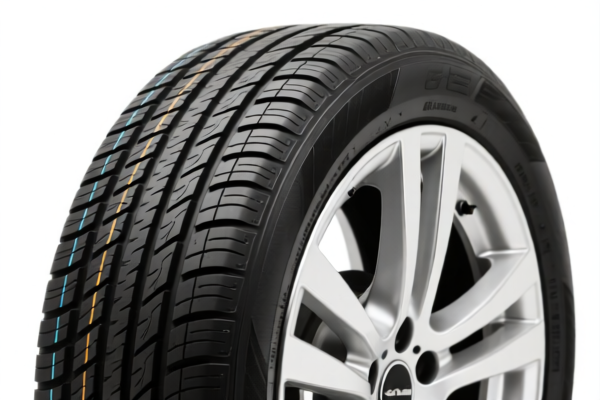
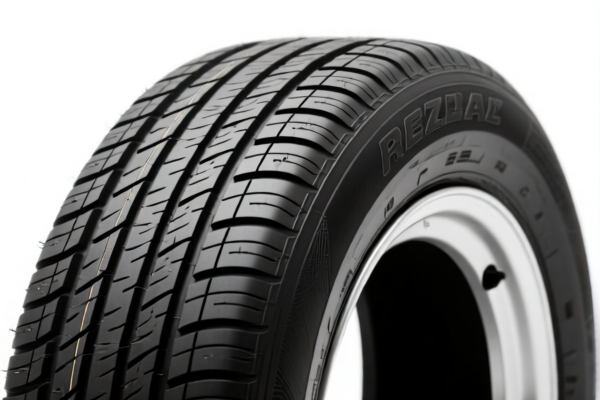
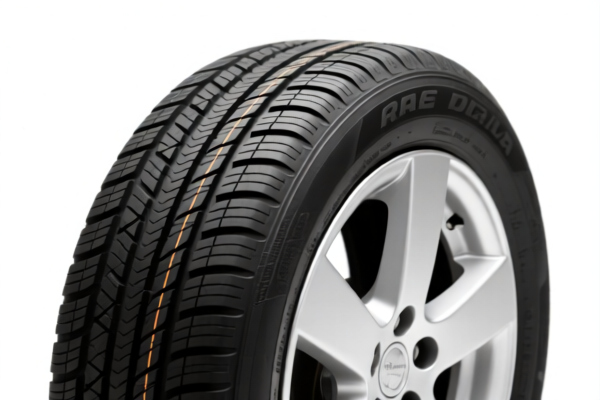
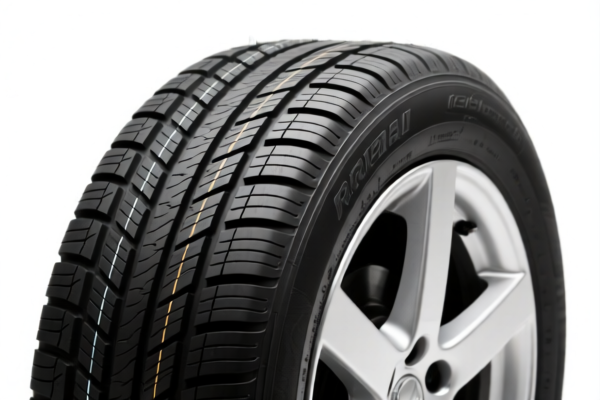
AI Analysis
🚗 Radial Tires for Passenger Cars (13 Inch)
🌐 HS Code Reference & Customs Clearance Guide | 2026 Latest Tariff Analysis | Professional Clearance Strategy
📌 1. Product Definition & Classification: Do You Really Understand "Tires"?
Radial tires are a type of pneumatic tire where the cord ply construction is arranged radially around the wheel. For Passenger Cars, they are classified based on material (Rubber), structure (Radial), and rim diameter.
⚠️ Critical Distinction – Rim Diameter Matters!
The HS Code classification for car tires heavily depends on the rim diameter: - ≤ 16 inches: Generally falls under 4011.10 (Tires of rubber, new, of a kind used on passenger cars). - > 16 inches: May fall under 4011.20 (Tires of rubber, new, of a kind used on buses or trucks) or other subheadings depending on specific width/load index, but 13-inch is firmly in the "passenger car" category.📌 Key Classification Logic:
- Material: Rubber
- Type: Radial Tire (New)
- Application: Passenger Car
- Rim Diameter: 13 Inch (≤ 16 inches)
→ Primary Classification: 4011.10.xx
📦 2. HS Code Classification Details (2026 Latest Tariff Authority Mapping)
Based on the provided data, here are the matched HS Codes for "Radial Tires for Passenger Cars 13 Inch":
| HS Code | Product Description | Matching Logic & Tax Rate |
|---|---|---|
| 4011.10.10.30 | Tires of rubber, new, of a kind used on passenger cars, radial, of a kind used on radial tires of a kind used on passenger cars, with a rim diameter of 13-15 inch | Match: 13-inch falls within the 14-15 inch range (or broadly ≤16"). Total Tax: 39.0% |
| 4012.11.80.00 | Retreaded or used tires (Note: Data summary says "Passenger Car", but 4012 is typically Retreaded/Used. Caution: If new, this code is incorrect.) | Match Logic: Data indicates "Passenger Car" match. Total Tax: 38.4% ⚠️ Warning: This code is often for retreaded tires. If importing new radial tires, this is likely incorrect. |
| 4012.11.40.00 | Retreaded tires of rubber, new? (Note: 4012 is Retreaded. Data summary claims "Radial Tire" match.) | Match Logic: Data states "Radial" + "Passenger Car". Total Tax: 39.0% ⚠️ Warning: Same as above. Likely for retreaded. Verify if "New" or "Retreaded". |
| 4011.10.10.20 | Tires of rubber, new, of a kind used on passenger cars, radial, rim diameter 13-14 inch | Match: 13-inch is within the 13-14 inch range. Total Tax: 39.0% |
| 4013.10.00.10 | Inner tubes for pneumatic tires, of rubber, for passenger cars (Note: 4013 is Inner Tubes, not outer tires.) | Match Logic: Data mentions "Passenger Car" + "Tires". Total Tax: 38.7% ⚠️ Warning: This code is for Inner Tubes, not the main tire. If importing the tire itself, this is incorrect. |
🔍 Important Note on Data Discrepancy:
- 4011 codes are for New Tires.
- 4012 codes are typically for Retreaded/Used Tires.
- 4013 codes are for Inner Tubes.If you are importing NEW radial tires, the correct primary codes are 4011.10.10.30 or 4011.10.10.20.
If you are importing INNER TUBES, use 4013.10.00.10.
If you are importing RETREADS, use 4012.11.80.00 or 4012.11.40.00.
💰 3. 2026 Latest Tariff Rate Breakdown (Including Surcharge & Policy Add-ons)
✅ Applicable Country: United States (US)
✅ Origin: China (CN)
✅ Effective Date: From November 10, 2025 (including subsequent imports)
🎯 1. 4011.10.10.30 & 4011.10.10.20 —— New Radial Tires for Passenger Cars (Rim ≤ 16")
| Item | Content |
|---|---|
| Base Tariff Rate | 4.0% (ad valorem) |
| Section 301 Surcharge | +25.0% |
| 122 Section Tariff | +10.0% (Specific to certain Chinese rubber products) |
| Total Tariff Rate | 39.0% |
| Tax Calculation | CIF Value × 39.0% |
| De Minimis Eligibility | ❌ Not Eligible (deny_de_minimis) |
| Legal Basis Path | Section 301: 8415.20.80.00 → USITC: 4011.10.10.30 → FOOTNOTE: Section 301 + 122 Section |
📌 Explanation:
- Base 4%: Standard MFN rate for car tires.
- 301 Surcharge 25%: Applied to most Chinese-manufactured rubber goods.
- 122 Section 10%: Additional tariff specifically targeting certain tires.
- Total 39%: A very high effective tariff rate. Cost must be factored into pricing.
🎯 2. 4012.11.80.00 —— Retreaded/Used Tires (If Applicable)
| Item | Content |
|---|---|
| Base Tariff Rate | 3.4% |
| Section 301 Surcharge | +25.0% |
| 122 Section Tariff | +10.0% |
| Total Tariff Rate | 38.4% |
| Tax Calculation | CIF Value × 38.4% |
| De Minimis Eligibility | ❌ Not Eligible |
| Legal Basis Path | Section 301 + USITC: 4012.11.80.00 + 122 Section |
🎯 3. 4013.10.00.10 —— Inner Tubes for Passenger Cars
| Item | Content |
|---|---|
| Base Tariff Rate | 3.7% |
| Section 301 Surcharge | +25.0% |
| 122 Section Tariff | +10.0% |
| Total Tariff Rate | 38.7% |
| Tax Calculation | CIF Value × 38.7% |
| De Minimis Eligibility | ❌ Not Eligible |
🛠️ 4. Customs Clearance Practical Advice (Avoid Pitfalls)
✅ 1. Required Documentation Checklist
| Document | Required | Description |
|---|---|---|
| ✅ Product Specification Sheet | ✔️ | Must include: Tire Size (e.g., 195/65R13), Load Index, Speed Rating, Radial Structure, Rim Diameter. |
| ✅ Commercial Invoice | ✔️ | Must clearly state: "New Radial Tires for Passenger Cars, 13 Inch, Origin: China". |
| ✅ Packing List | ✔️ | Detailed count, weight, dimensions. |
| ✅ Certificate of Origin (CO) | ✔️ | Essential for proving China origin (triggers 301 + 122 tariffs). |
| ✅ Test Reports | ✔️ | DOT certification, ECE certification (if applicable), Treadwear, Traction, Temperature grades. |
| ✅ Bill of Lading/Air Waybill | ✔️ | Standard shipping documents. |
✅ 2. Declaration Tips (Key Mantra)
🔥 "Exact Size, Exact Type, New vs. Retread Clear!"
| Scenario | Correct Declaration | Error |
|---|---|---|
| New Radial Tires, 13 Inch | 4011.10.10.30 or 4011.10.10.20 |
Misdeclare as 4012 (Retread) → Risk of seizure/fine. |
| Inner Tubes | 4013.10.00.10 |
Misdeclare as outer tire → Wrong tariff classification. |
| Mixed Shipment (Tire + Tube) | Declare separately | Bundle as one item → Customs may reclassify incorrectly. |
| Tire Size | Specify full size (e.g., 185/70R13) | Only say "13 Inch" → May cause delay for clarification. |
✅ 3. Special Cases
| Situation | Handling Advice |
|---|---|
| DOT Mark Missing | Refuse entry. US requires DOT certification. |
| OEM Custom Tires | Provide OEM contract + specs. Still subject to 39% tariff if from China. |
| Transshipment via Vietnam/Mexico | High Risk. US CBP closely scrutinizes origin. If substantial transformation is not proven, 301/122 tariffs still apply. |
| Used Tires | Generally banned for import into the US (unless retreaded under strict conditions). Do not declare as "used". |
🌍 5. Global Market Comparison (2026 Latest)
| Country/Region | Recommended HS Code | Tariff (China Origin) | Certification Requirements | Notes |
|---|---|---|---|---|
| 🇺🇸 USA | 4011.10.10.30 |
39.0% | DOT, EPA (if applicable) | High tariffs due to 301 + 122. |
| 🇨🇳 China | 4011.10.10.30 |
20% (Import Duty) | CCC (if applicable) | No 301/122 surcharges. |
| 🇪🇺 EU | 4011.10.00 |
4.5% | E-Mark (ECE R30) | No retaliatory tariffs if origin is China. |
| 🇲🇽 Mexico | 4011.10.00 |
0-5% (T-MEC if regional value content met) | NOM Certification | Potential zero tariff under USMCA/T-MEC if rules of origin met. |
| 🇻🇳 Vietnam | 4011.10.00 |
0% (if local production) | TCVN Standards | Low base rate, but watch for US anti-dumping duties if re-exported. |
📌 Conclusion:
- USA is the most expensive market for Chinese tires due to 39% total tariff.
- EU and Mexico offer much lower base tariffs.
- Supply Chain Strategy: Consider sourcing from Mexico (T-MEC) or Vietnam to avoid US surcharges, but ensure substantial transformation occurs to avoid US CBP penalties.
📌 6. Common Mistakes & Pitfalls (Lessons Learned)
❌ Mistake 1: Declaring "Radial Tires" without specifying Rim Diameter
👉 Consequence: Customs may classify under 4011.20 (Truck/Bus Tires) → Higher tariff or incorrect quota.
❌ Mistake 2: Confusing New vs. Retreaded
👉 Consequence: 4012 is for retreads. Importing new tires as retreads → Fraud, seizure, penalties.
❌ Mistake 3: Ignoring 122 Section Tariff
👉 Consequence: Even if 301 tariff is avoided, 122 tariff (+10%) still applies to many Chinese tires. Total cost underestimated.
❌ Mistake 4: Missing DOT Certification
👉 Consequence: Goods refused entry. No DOT mark = Illegal for road use in US.
✅ Correct Practice:
"New Radial Pneumatic Tires for Passenger Cars, Size: 195/65R13 89H, DOT Certified, Origin: China"
🎯 7. Conclusion: Professional Declaration, Save Money, Avoid Risks
🎯 Remember:
🔹 "New vs. Retread is Key!"
🔹 "Rim Diameter Defines 4011!"
🔹 "39% is the Real Cost for US!"
🔹 "DOT Mark is Non-Negotiable!"
📌 Tip:
If your tires are manufactured in Mexico, Vietnam, or Thailand, check for preferential tariffs (e.g., T-MEC for Mexico, EVFTA for Vietnam).
However, US CBP strictly enforces Rules of Origin. Ensure no substantial assembly of Chinese components without qualifying.
📣 Immediate Action:
📞 Contact a licensed customs broker + Provide DOT certificates + Apply for Advance Ruling if unsure.
🚀 Let your tires pass smoothly, avoid penalties, and maximize profit!
✨ Professional clearance starts with accurate classification!
💼 Every percentage point matters!
Customer Reviews
About HS Code Classification
The Harmonized System (HS) is an internationally standardized nomenclature developed by the World Customs Organization (WCO) to classify traded products. Over 200 countries use the HS system as the basis for customs tariffs, trade statistics, and import/export regulations.
Each HS code follows a hierarchical structure:
- Chapter (2 digits) — Broad category of goods (e.g., Chapter 84: Machinery and Mechanical Appliances)
- Heading (4 digits) — More specific grouping within the chapter
- Subheading (6 digits) — Internationally standardized breakdown, used by all WCO member countries
- National subdivisions (8-10 digits) — Country-specific extensions for further classification, such as US HTSUS 10-digit codes
Correct HS code classification is essential for smooth customs clearance, accurate duty payment, and compliance with trade regulations. Misclassification can lead to customs delays, overpayment of duties, or penalties.
When importing from CN to US, the applicable tariff rates may include:
- Most-Favored-Nation (MFN) rate — The standard duty rate applied to WTO members
- General rate — Applied to countries without trade agreements
- Trade remedy duties — Additional tariffs such as Section 301 (anti-dumping), Section 232 (national security), or countervailing duties
The information provided on this page is for reference purposes only. For official classification, please consult with your local customs authority or a licensed customs broker.