Radio Headphone Adapter
CN → US| HS Code | Tariff Rate | Origin | Destination | Doc |
|---|---|---|---|---|
| 8518302000 | 10.0% | CN | US | Official Doc |
| 8544429090 | 87.6% | CN | US | Official Doc |
| 8544422000 | 85.0% | CN | US | Official Doc |
| 8536698000 | 37.7% | CN | US | Official Doc |
| 8518908100 | 35.0% | CN | US | Official Doc |
Product Images
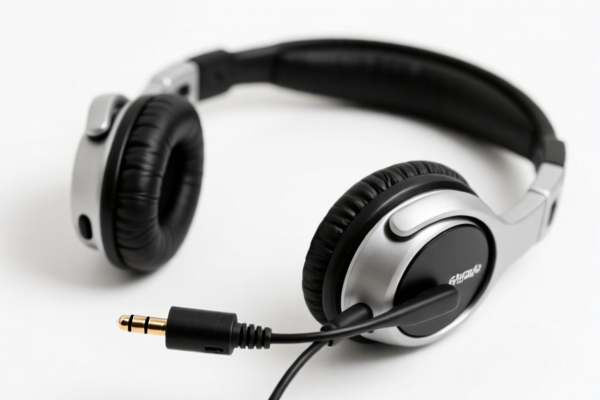
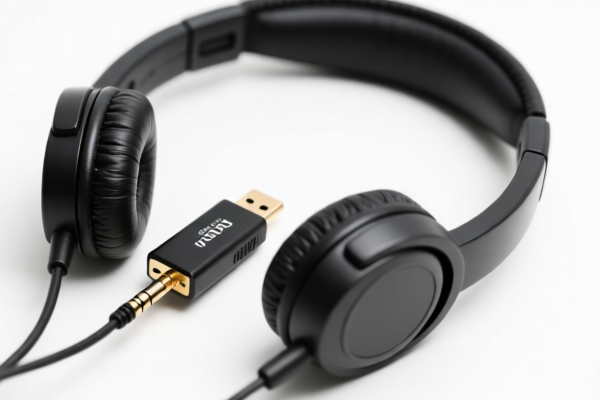
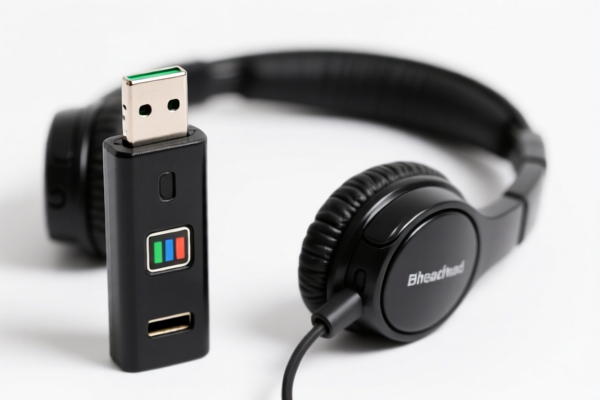
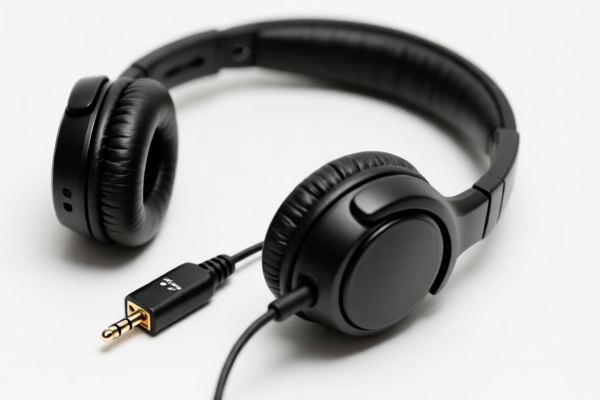
AI Analysis
🎧 Radio Headphone Adapter: HS Code Classification & US Customs Clearance Guide (2026)
🌐 HS Code Reference & Customs Clearance Guide | 2026 Latest Tariff Analysis | Professional Clearance Strategy
📌 I. Product Definition & Classification: What is a "Radio Headphone Adapter"?
The term "Radio Headphone Adapter" is ambiguous in international trade. It typically refers to accessories that bridge the gap between audio sources (radios, transmitters, speakers) and output devices (headphones, earphones). In the eyes of US Customs and Border Protection (CBP), the electrical function and physical construction determine the HS Code, not the marketing name.
We generally categorize these into three scenarios: 1. Audio Equipment Parts: Devices specifically designed as integral components or specific adapters for radios/earphones (e.g., proprietary audio jacks, internal adapter modules). 2. Electrical Connection Devices: Terminals, splice connectors, or junction pieces used to join electrical circuits for audio equipment. 3. Wired Conductors with Connectors: Cables, cords, or wires fitted with connectors (like 3.5mm or USB-C plugs) used for audio/telecom transmission.
⚠️ Critical Distinction:
- If it is a passive wire/cable with plugs → It is a Wired Conductor (8544).
- If it is an active device or specific audio part → It may fall under Audio Parts (8518) or Electrical Connections (8536).
- Misclassification leads to massive tariff differences (from 10% to 87.6%).
📦 II. HS Code Classification Details (2026 Authoritative Mapping)
Based on the provided data, here are the exact HS Codes and their corresponding tax details for products described as "Radio Headphone Adapters."
| HS Code | Product Description (Summary) | Classification Logic |
|---|---|---|
| 8518.90.81.00 | Adapter for Audio Equipment (Radio/Headphone) Part of audio equipment. |
Classified as a specific part/component for radios or headphones. Often applies to proprietary adapters or specific audio interface modules. |
| 8536.90.40.00 | Electrical Connection Device Junctions, terminals, or splice connectors for circuits. |
Classified as a general electrical connector or intermediate connection piece, not specific to audio function but used in audio circuits. |
| 8518.30.20.00 | Extended Use Adapter for Earphones/Audio Other category adapters. |
Classified as an adapter specifically for earphones/headphones with extended utility, but falls under a different sub-heading for "other" audio adapters. |
| 8544.42.90.90 | Wired Conductor with Connectors Insulated conductors <1,000V with connectors. |
Classified as a cable/wire with plugs (e.g., AUX cable, USB audio cable). Applies to steel, aluminum, or copper products. |
| 8544.42.20.00 | Wired Conductor for Telecom/Audio Accessories with connectors for telecom/audio. |
Classified as a specialized conductor for telecom or audio transmission with connectors. |
💰 III. 2026 Latest Tariff Rate Breakdown (Including Surtaxes & Policy Surcharges)
✅ Applicable Country: United States (US)
✅ Origin: China (CN)
✅ Effective Date: From November 10, 2025 (and subsequent imports)
🎯 1. 8518.90.81.00 – Adapter for Audio Equipment (Radio/Headphone)
Best for: Specific audio interface adapters, proprietary radio headsets.
| Item | Content |
|---|---|
| Base Tariff | 0.0% |
| Section 301 Surtax | +25.0% |
| Section 122 Tariff | +10.0% |
| Total Tax Rate | 35.0% |
| Calculation | CIF Value × 35% |
| De Minimis Exemption | ❌ Not Available (deny_de_minimis) |
| Legal Basis | Base 0% + Section 301 (25%) + Section 122 (10%) |
📌 Explanation:
This classification treats the item as a specific part of audio equipment. While the base rate is 0%, the Section 301 (25%) and Section 122 (10%) surcharges apply, resulting in a 35% total duty.
🎯 2. 8536.90.40.00 – Electrical Connection Device
Best for: Splice connectors, junction boxes, or generic electrical terminals used in audio setups.
| Item | Content |
|---|---|
| Base Tariff | 0.0% |
| Section 301 Surtax | +25.0% |
| Section 122 Tariff | +10.0% |
| Total Tax Rate | 35.0% |
| Calculation | CIF Value × 35% |
| De Minimis Exemption | ❌ Not Available |
| Legal Basis | Base 0% + Section 301 (25%) + Section 122 (10%) |
📌 Note:
Same as above. The 122条款 (Section 122) and 301条款 (Section 301) stack, making this a high-cost classification for simple electrical parts.
🎯 3. 8518.30.20.00 – Extended Use Adapter for Earphones
Best for: Specific headphone adapters (e.g., Bluetooth transmitters, specialized audio jacks).
| Item | Content |
|---|---|
| Base Tariff | 0.0% |
| Section 301 Surtax | 0.0% |
| Section 122 Tariff | +10.0% |
| Total Tax Rate | 10.0% |
| Calculation | CIF Value × 10% |
| De Minimis Exemption | ❌ Not Available |
| Legal Basis | Base 0% + Section 122 (10%) |
📌 Key Advantage:
This is the most tax-efficient classification for audio-specific adapters. It avoids the Section 301 25% surcharge, applying only the Section 122 10% surcharge. Ensure the product is clearly defined as an "adapter for earphones/headphones" to qualify.
🎯 4. 8544.42.90.90 – Wired Conductor with Connectors (Steel/Aluminum/Copper)
Best for: Standard audio cables (AUX, USB-C to 3.5mm) made of conductive metals.
| Item | Content |
|---|---|
| Base Tariff | 2.6% |
| Section 301 Surtax | +25.0% |
| Section 122 Tariff | +10.0% |
| Steel/Aluminum/Copper Surtax | +50.0% |
| Total Tax Rate | 87.6% |
| Calculation | CIF Value × 87.6% |
| De Minimis Exemption | ❌ Not Available |
| Legal Basis | Base 2.6% + Section 301 (25%) + Section 122 (10%) + Steel/Al/Cu Surtax (50%) |
📌 Warning:
This is a catastrophic tax rate. It applies to conductors made of steel, aluminum, or copper. The base tariff is already 2.6%, and the additional 50% surcharge for metal products pushes the total to 87.6%. Avoid this HS Code if possible.
🎯 5. 8544.42.20.00 – Wired Conductor for Telecom/Audio
Best for: Specialized telecom/audio cables with connectors.
| Item | Content |
|---|---|
| Base Tariff | 0.0% |
| Section 301 Surtax | +25.0% |
| Section 122 Tariff | +10.0% |
| Steel/Aluminum/Copper Surtax | +50.0% |
| Total Tax Rate | 85.0% |
| Calculation | CIF Value × 85.0% |
| De Minimis Exemption | ❌ Not Available |
| Legal Basis | Base 0% + Section 301 (25%) + Section 122 (10%) + Steel/Al/Cu Surtax (50%) |
📌 Warning:
Similar to above, this includes a 50% surcharge for steel, aluminum, or copper products. Even with a 0% base rate, the total is 85.0%. This makes it significantly more expensive than the8518audio part classifications.
🛠️ IV. Customs Clearance Practical Advice (Real-World Pitfall Guide)
✅ 1. Preparation Checklist (Essential Documents)
| Document | Required? | Purpose |
|---|---|---|
| ✅ Product Specifications | ✔️ | Must clearly state: "Adapter for Headphones," "Audio Interface," or "Cable." |
| ✅ Technical Diagrams | ✔️ | To prove it is a part (8518) rather than a conductor (8544). |
| ✅ Product Photos | ✔️ | Show connectors, lack of active circuitry (if passive), and branding. |
| ✅ Commercial Invoice | ✔️ | Description must match HS Code logic (e.g., "Audio Adapter Part" vs. "Wired Conductor"). |
| ✅ Origin Certificate | ✔️ | To determine eligibility for surcharges (China origin triggers 301/122). |
✅ 2. Declaration Strategy (Key Mantra)
🔥 "Audio Part = 35% or 10%; Conductor = 85%+! Define Function, Not Just Form!"
| Scenario | Correct HS Code | Incorrect HS Code | Consequence |
|---|---|---|---|
| Proprietary Radio Adapter | 8518.90.81.00 (35%) |
8544.42.90.90 (87.6%) |
Overpay by 52.6%! |
| Generic AUX Cable | 8518.30.20.00 (10%)* |
8544.42.20.00 (85%) |
Overpay by 75%! |
| Splice Connector | 8536.90.40.00 (35%) |
8544.42.90.90 (87.6%) |
Overpay by 52.6%! |
*Note: For simple cables,
8518.30.20.00is only applicable if classified as an "adapter for earphones." If it is a simple wire, it may fall to8544. However,8544incurs the 50% metal surcharge. Always consult a specialist to see if the product qualifies as an "adapter" under8518.
✅ 3. Special Cases & Handling
| Case | Advice |
|---|---|
| OEM Custom Adapters | Provide client design docs to prove it is a part of their audio system, supporting 8518. |
| Active vs. Passive | If the adapter has active circuitry (e.g., Bluetooth transmitter), it is more likely to be an "audio part" (8518) than a "conductor" (8544). |
| Material Matters | If the product contains copper/steel/aluminum, the 8544 HS Codes trigger a 50% extra surcharge. Avoid 8544 if 8518 is applicable. |
| Hybrid Products | If it’s a cable + adapter, declare it as the adapter (primary function) under 8518 to avoid the high conductor rates. |
🌍 V. Global Market Comparison (2026)
| Region | Recommended HS Code | Estimated Duty (China Origin) | Key Requirement |
|---|---|---|---|
| 🇺🇸 USA | 8518.30.20.00 |
10% (Lowest) | Must be proven as "Headphone Adapter." |
| 🇺🇸 USA | 8518.90.81.00 |
35% | General audio part. |
| 🇺🇸 USA | 8544.42.90.90 |
87.6% (Highest) | Conductor with metal content. |
| 🇨🇳 China | 8518.90.81.00 |
~10% (Import Duty) | No 301/122 surcharges. |
| 🇪🇺 EU | 8518.90.81.00 |
0-4% (CE Required) | No Section 301/122. |
| 🇯🇵 Japan | 8518.90.81.00 |
3-5% (PSE Required) | No Section 301/122. |
📌 Conclusion:
- The US is the most expensive market due to Section 301 and 122 tariffs.
- Goal: Classify under8518.30.20.00for the 10% rate.
- Avoid:8544series at all costs due to the 50% metal surcharge.
📌 VI. Common Mistakes & Pitfalls (Lessons Learned)
❌ Mistake 1: Calling a cable an "Adapter" but declaring it as 8544.42.90.90.
👉 Result: Pay 87.6% instead of potentially 10% if qualified as an audio adapter.
❌ Mistake 2: Using generic terms like "Electrical Connector" for audio parts.
👉 Result: Classified as 8536.90.40.00 → 35% tariff. Missed the 10% opportunity.
❌ Mistake 3: Ignoring the 50% Metal Surcharge in 8544.
👉 Result: Even with 0% base tax, the total hits 85-87.6%.
✅ Correct Action:
"Audio Adapter, 3.5mm to USB-C, for Headphones, Model XYZ, FCC Certified"
→ Declare under8518.30.20.00(10% Total Tax).
🎯 VII. Conclusion: Smart Classification, Save Big!
🎯 Key Takeaway:
🔹 "Adapter" vs. "Conductor" is the difference between 10% and 87.6%.
🔹 Prove it’s an Audio Part (8518), not just a Wire (8544).
🔹 Always check for the 50% Metal Surcharge in8544codes.
📌 Pro Tip:
If your product is a Bluetooth Adapter or has active circuitry, it is easier to classify under 8518. If it is a simple wired cable, you may be forced into 8544, but ensure you check if any exemption or alternative classification (like 8518.30.20.00) is legally viable based on its specific function as an "adapter" rather than just a "conductor."
📣 Immediate Action:
📞 Consult a Customs Broker for an Advance Ruling.
📄 Prepare Technical Specs highlighting "Audio Adapter" functionality.
🚀 Avoid the 87.6% Trap – Optimize for the 10% or 35% bracket.
✨ Professional Clearance Starts with Precise Classification!
💼 Your Cost Savings Are Worth the Detail!
Customer Reviews
About HS Code Classification
The Harmonized System (HS) is an internationally standardized nomenclature developed by the World Customs Organization (WCO) to classify traded products. Over 200 countries use the HS system as the basis for customs tariffs, trade statistics, and import/export regulations.
Each HS code follows a hierarchical structure:
- Chapter (2 digits) — Broad category of goods (e.g., Chapter 84: Machinery and Mechanical Appliances)
- Heading (4 digits) — More specific grouping within the chapter
- Subheading (6 digits) — Internationally standardized breakdown, used by all WCO member countries
- National subdivisions (8-10 digits) — Country-specific extensions for further classification, such as US HTSUS 10-digit codes
Correct HS code classification is essential for smooth customs clearance, accurate duty payment, and compliance with trade regulations. Misclassification can lead to customs delays, overpayment of duties, or penalties.
When importing from CN to US, the applicable tariff rates may include:
- Most-Favored-Nation (MFN) rate — The standard duty rate applied to WTO members
- General rate — Applied to countries without trade agreements
- Trade remedy duties — Additional tariffs such as Section 301 (anti-dumping), Section 232 (national security), or countervailing duties
The information provided on this page is for reference purposes only. For official classification, please consult with your local customs authority or a licensed customs broker.