Railway or Tramway Rails
CN → US| HS Code | Tariff Rate | Origin | Destination | Doc |
|---|---|---|---|---|
| 7302101010 | 35.0% | CN | US | Official Doc |
| 7302101035 | 35.0% | CN | US | Official Doc |
| 7302101010 | 35.0% | CN | US | Official Doc |
| 7302101035 | 35.0% | CN | US | Official Doc |
| 7302101010 | 35.0% | CN | US | Official Doc |
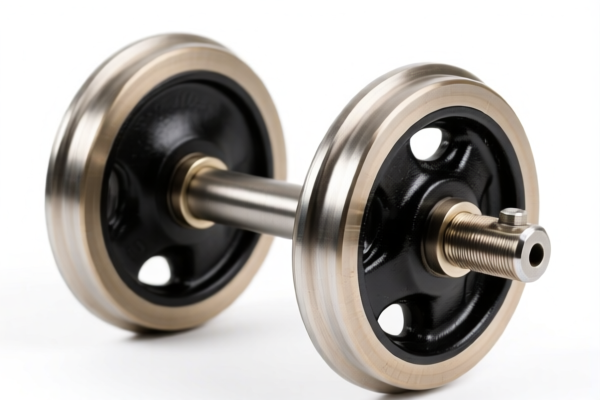
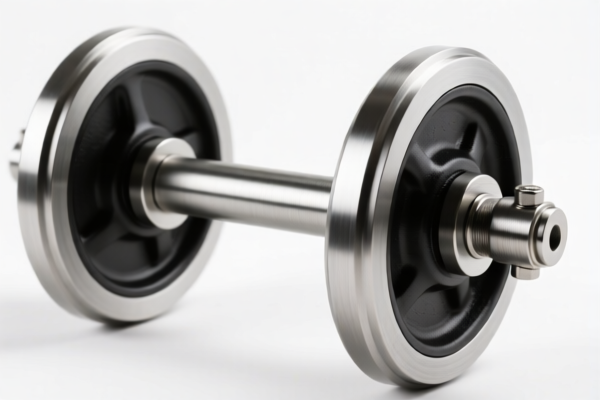
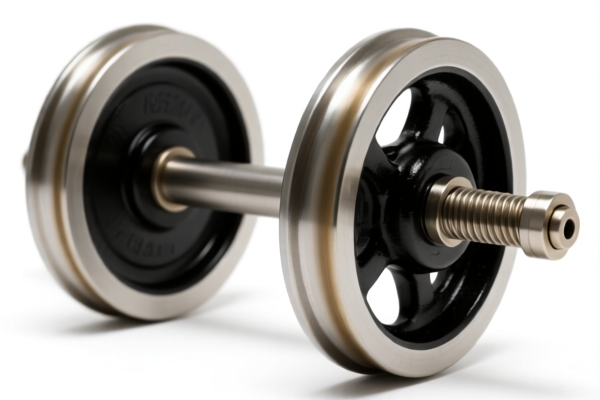
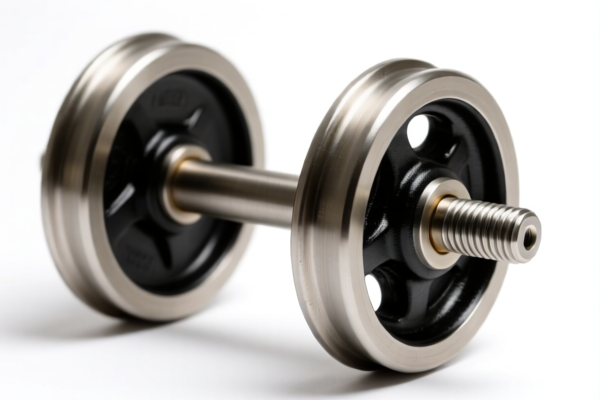
Product Images
AI Analysis
🚆 Railway or Tramway Rails (Iron/Steel)
🌐 HS Code Reference & Customs Clearance Guide | 2026 Latest Tariff Analysis | Professional Transit Strategy
📌 I. Product Definition & Classification: Do You Really Understand "Rails"?
Railway or tramway rails are critical infrastructure components used in rail transportation systems. In international trade, they are strictly classified based on material and application. The provided data focuses exclusively on Iron or Steel rails, which fall under Heading 7302.
⚠️ Key Distinction:
- If the rail is made of Iron or Steel → Classify under 7302.10.10.10 / 7302.10.10.35
- If the rail is made of Non-Ferrous Metals (e.g., aluminum) → Not covered in this data; different heading applies.
- If the rail is not for railway/tramway use → Likely excluded from this specific subheading.
📦 II. HS Code Classification Details (2026 Latest Tariff Authority Comparison)
| HS Code | Product Description | Application | Material |
|---|---|---|---|
7302.10.10.10 |
Rails or rails for railway or tramway track, of iron or steel | Railway tracks, tramway systems | ✅ Iron/Steel |
7302.10.10.35 |
Rails or rails for railway or tramway track, of iron or steel | Railway tracks, tramway systems | ✅ Iron/Steel |
🔍 Important Note:
- Both.10and.35variants fall under the same general category: Iron/Steel rails for railways/trams.
- The difference between.10and.35often lies in specific dimensional standards, weight per meter, or regional sub-classifications.
- Both codes are subject to the same total tax rate of 35.0% according to the provided data.
💰 III. 2026 Latest Tariff Rate Breakdown (Including Additional Taxes & Policy Surcharges)
✅ Applicable Country: United States (US)
✅ Origin: China (CN)
✅ Effective Date: As per 122 Clause and USITC regulations
🎯 1. 7302.10.10.10 & 7302.10.10.35 – Iron/Steel Rails for Railway/Tramway Track
| Item | Content |
|---|---|
| Base Tariff Rate | 0.0% (ad valorem) |
| USITC Additional Duty | +25.0% (Section 301 Tariff) |
| 122 Clause Tariff | +10.0% (Specific trade remedy provision) |
| Total Tariff Rate | 35.0% |
| Tax Calculation | CIF Value × 35% |
| De Minimis Exemption Eligible? | ❌ No (deny_de_minimis) |
| Legal Basis Path | USITC:7302.10.10.10/35 → Section 301: +25% → 122 Clause: +10% |
📌 Explanation:
- "Base Tariff 0%": Standard MFN (Most Favored Nation) rate for steel rails.
- "USITC Additional Duty +25%": Imposed under Section 301 of the Trade Act of 1974, targeting Chinese steel products.
- "122 Clause Tariff +10%": A specific trade remedy tariff applied to certain steel imports under Section 232 or related administrative clauses.
- Total Rate: 35% – This is a high tariff barrier. Importers must account for this in cost modeling.
🛠️ IV. Customs Clearance Practical Advice (Real-World Pitfall Avoidance Guide)
✅ 1. Documentation Checklist (Missing = Delay/Rejection)
| Document | Required | Description |
|---|---|---|
| ✅ Product Specification Sheet | ✔️ | Must include: material grade (e.g., U71Mn, R260), length, weight per meter, cross-section profile |
| ✅ Mill Test Certificate (MTC) | ✔️ | Proves material composition (Iron/Steel) and mechanical properties |
| ✅ Commercial Invoice | ✔️ | Must explicitly state: "Rails for Railway/Tramway Track, of Iron/Steel" |
| ✅ Packing List | ✔️ | Detail number of pieces, total weight, and packaging type |
| ✅ Bill of Lading/Air Waybill | ✔️ | Standard shipping document |
| ✅ Certificate of Origin (CO) | ✔️ | To confirm Chinese origin (triggers additional tariffs) |
| ✅ Import License (if required) | ✔️ | Some steel products may require special import permits |
✅ 2. Declaration Tips (Key Mnemonics)
🔥 "Specify Material, Specify Use, Avoid Misclassification!"
| Scenario | Correct Declaration | Wrong Practice |
|---|---|---|
| Standard steel rails | 7302.10.10.10 or .35 with full specs |
Vague terms like "Metal Rods" → Higher risk of audit |
| Rails for private siding | Still 7302.10.10.10/35 |
Declaring as "Construction Steel" → Wrong heading |
| Aluminum rails | Not covered in this data | Forcing into 7302 → Rejection/Fines |
| Rail fasteners/Clips | Different HS Code (e.g., 7318) | Bundling with rails → Valuation issues |
✅ 3. Special Case Handling
| Scenario | Handling Advice |
|---|---|
| OEM Custom Rails | Provide engineering drawings + MTC to prove material grade |
| Mixed Container (Rails + Accessories) | Separate declarations for rails (7302) and accessories (e.g., clips 7318) to avoid valuation disputes |
| Second-hand Rails | May face additional scrutiny; provide proof of origin and condition report |
| Pre-shipment Inspection | Recommended to verify material composition and dimensions |
🌍 V. Global Market Comparison (2026 Latest)
| Country/Region | Recommended HS Code | Tariff (China Origin) | Certification | Notes |
|---|---|---|---|---|
| 🇺🇸 USA | 7302.10.10.10/35 |
35% (0% + 25% + 10%) | None specific for rails | High tariff due to Section 301 & 122 Clause |
| 🇨🇳 China | 7302.10.10.10/35 |
0-5% (depends on trade agreement) | GB Standard | No additional US tariffs |
| 🇪🇺 EU | 7302.10.10.10/35 |
0-15% (varies) | CE/EN Standards | No US-style additional tariffs |
| 🇯🇵 Japan | 7302.10.10.10/35 |
0-5% | JIS Standards | Competitive market |
| 🇮🇳 India | 7302.10.10.10/35 |
7.5-15% | BIS Standards | Anti-dumping duties may apply |
📌 Conclusion:
- USA imposes the highest effective tariff (35%) on Chinese-made iron/steel rails due to Section 301 (+25%) and 122 Clause (+10%).
- Importers must factor in the 35% cost or consider supply chain diversification (e.g., sourcing from non-China origins if possible).
📌 VI. Common Errors & Pitfall Guide (Lessons Learned)
❌ Error 1: Declaring steel rails as "Construction Steel" (7214/7215)
👉 Consequence: Misclassification → Penalties + Back Taxes + Delays
❌ Error 2: Omitting "Railway/Tramway Use" in description
👉 Consequence: Customs may reject clearance → Request for additional evidence
❌ Error 3: Not providing Mill Test Certificate (MTC)
👉 Consequence: Unable to verify material → Detention for inspection
❌ Error 4: Under-declaring value to reduce tariff
👉 Consequence: Seizure + Fines + Legal Action
✅ Correct Practice:
"Steel Rails, Type UIC60, Length 25m, Weight 60kg/m, for Railway Track Application, Origin: China, MTC Provided"
🎯 VII. Conclusion: Precise Classification Saves Money!
🎯 Remember the Key Points:
🔹 "Iron/Steel Rails = 7302.10.10.10/35"
🔹 "Total Tariff = 35% (0% + 25% + 10%)"
🔹 "De Minimis Exemption = NOT Available"
🔹 "Documentation = MTC + Invoice + Packing List"
📌 Pro Tip:
If your rails are originating from Vietnam, Malaysia, or Thailand, you may avoid the 35% US tariff. However, ensure origin rules are strictly met to avoid transshipment penalties.
Recommendation: Apply for an Advance Ruling from US Customs and Border Protection (CBP) before shipment to confirm HS Code and tariff liability.
📣 Immediate Action:
📞 Consult a licensed customs broker
📄 Provide full product specs + MTC
📝 Apply for CBP Advance Ruling
🚀 Ensure smooth clearance, avoid costly delays, and optimize your supply chain costs!
✨ Professional Clearance Starts with Accurate Classification!
💼 Every Percentage Point of Tariff Counts!
Customer Reviews
About HS Code Classification
The Harmonized System (HS) is an internationally standardized nomenclature developed by the World Customs Organization (WCO) to classify traded products. Over 200 countries use the HS system as the basis for customs tariffs, trade statistics, and import/export regulations.
Each HS code follows a hierarchical structure:
- Chapter (2 digits) — Broad category of goods (e.g., Chapter 84: Machinery and Mechanical Appliances)
- Heading (4 digits) — More specific grouping within the chapter
- Subheading (6 digits) — Internationally standardized breakdown, used by all WCO member countries
- National subdivisions (8-10 digits) — Country-specific extensions for further classification, such as US HTSUS 10-digit codes
Correct HS code classification is essential for smooth customs clearance, accurate duty payment, and compliance with trade regulations. Misclassification can lead to customs delays, overpayment of duties, or penalties.
When importing from CN to US, the applicable tariff rates may include:
- Most-Favored-Nation (MFN) rate — The standard duty rate applied to WTO members
- General rate — Applied to countries without trade agreements
- Trade remedy duties — Additional tariffs such as Section 301 (anti-dumping), Section 232 (national security), or countervailing duties
The information provided on this page is for reference purposes only. For official classification, please consult with your local customs authority or a licensed customs broker.