Railway or tram locomotives and rolling stock
CN → US| HS Code | Tariff Rate | Origin | Destination | Doc |
|---|---|---|---|---|
| 8603100000 | 40.0% | CN | US | Official Doc |
| 8603900000 | 40.0% | CN | US | Official Doc |
Product Images
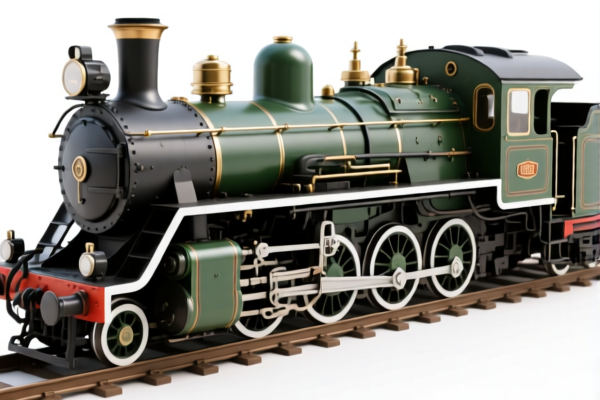
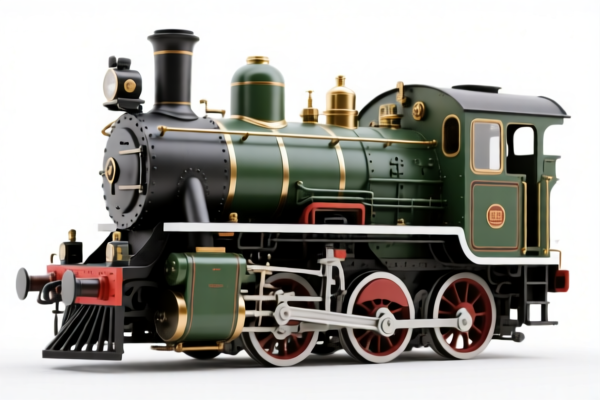
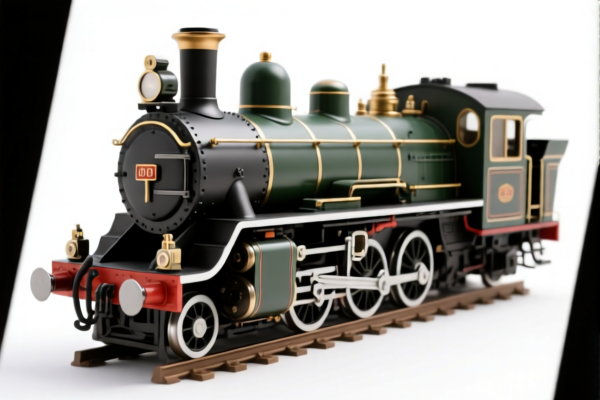
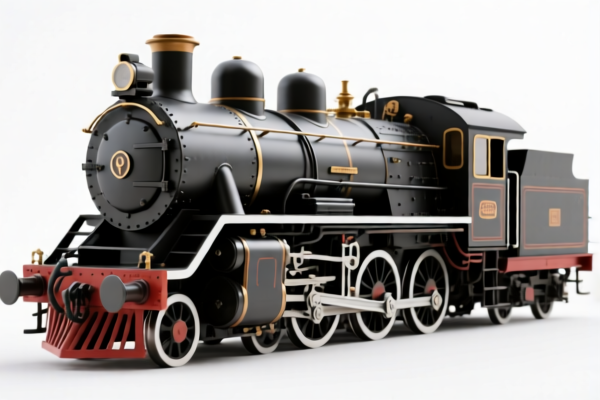
AI Analysis
🚂 Self-Propelled Railway & Tramway Coaches, Vans, and Trucks
(Specifically: Powered from External Source of Electricity / Other Self-Propelled Units)
🌐 HS Code Reference & Customs Clearance Guide | 2026 Latest Tariff Analysis | Professional Clearance Strategy
📌 I. Product Definition & Classification: Do You Truly Understand "Self-Propelled Rolling Stock"?
Self-propelled railway or tramway coaches, vans, and trucks are rail vehicles capable of moving under their own power, excluding those of heading 8604 (which are for transport of fixed track equipment). In international trade, these vehicles are primarily categorized based on their power source:
- Electrically Powered (External Source): Vehicles powered by overhead lines, third rails, or other external electrical infrastructure.
- Other Self-Propelled Units: Includes diesel-electric, diesel-mechanical, or hybrid units that are not strictly powered only from an external electrical grid in the same manner as electric traction units.
⚠️ Key Distinction Point:
- If the vehicle is powered from an external source of electricity (e.g., electric trams, metro trains, electric shunters) → It falls under 8603.10.00.00.
- If it is a self-propelled unit but not powered from an external electrical source (e.g., diesel locomotives, hybrid coaches, manual rail cars with engines) → It falls under 8603.90.00.00.
📦 II. HS Code Classification Details (2026 Latest Tariff Authority Comparison)
| HS Code | Product Description | Application Scenario | Power Source |
|---|---|---|---|
8603.10.00.00 |
Self-propelled railway/tramway coaches, vans, trucks: Powered from an external source of electricity | Electric trams, light rail vehicles, electric shunters, metro cars | ✅ External Electricity |
8603.90.00.00 |
Self-propelled railway/tramway coaches, vans, trucks: Other | Diesel railcars, hybrid units, non-electric self-propelled maintenance vehicles | ❌ Not externally electric (e.g., Diesel, Hybrid) |
🔍 Key Reminder:
- Heading 8604 is for non-self-propelled transport equipment for fixed track systems (e.g., hand-powered trolleys, flatcars without engines). If it moves on its own, it is 8603, not 8604.
- Electric vs. Non-Electric: The critical factor for 8603 is the power source. Electric vehicles drawn from overhead/pantograph systems are8603.10. Diesel/Hybrid is8603.90.
💰 III. 2026 Latest Tariff Rate Details (Including Additional Taxes & Policy Surcharges)
✅ Applicable Country: United States (US)
✅ Country of Origin: China (CN)
✅ Effective Date: 2026 (Current Tariff Schedule)
🎯 1. 8603.10.00.00 —— Self-Propelled Electric Railway/Tramway Vehicles
| Item | Details |
|---|---|
| Basic Tariff Rate | 0.0% (ad valorem) |
| Section 301 Additional Tariff | 0.0% |
| Total Tax Rate | 0.0% |
| Tax Calculation | CIF Value × 0.0% = $0 |
| De Minimis Eligibility | ✅ Yes (if value < $800, though typically rail vehicles exceed this) |
| Legal Basis Path | HTSUS 8603.10.00.00 |
📌 Explanation:
- Unlike electronics or machinery, self-propelled electric railway vehicles currently face no basic tariff and no Section 301 additional tariff from the US on Chinese-origin goods.
- This makes them highly competitive in the US market compared to other industrial goods.
- Zero Duty Advantage: Importers can clear these goods without additional tariff costs, provided proper classification is confirmed.
🎯 2. 8603.90.00.00 —— Other Self-Propelled Railway/Tramway Vehicles
| Item | Details |
|---|---|
| Basic Tariff Rate | 0.0% (ad valorem) |
| Section 301 Additional Tariff | 0.0% |
| Total Tax Rate | 0.0% |
| Tax Calculation | CIF Value × 0.0% = $0 |
| De Minimis Eligibility | ✅ Yes (if value < $800) |
| Legal Basis Path | HTSUS 8603.90.00.00 |
📌 Note:
- Similar to electric units, non-electric self-propelled rail vehicles (e.g., diesel shunters) also enjoy 0% total tariff.
- This applies to diesel-mechanical, diesel-electric, and hybrid self-propelled rail cars.
- No Additional Surcharges: Currently, no IEEPA or other special tariffs apply to these specific rail vehicle categories.
🛠️ IV. Customs Clearance Practical Advice (Real-World Pitfall Avoidance Guide)
✅ 1. Preparation Checklist (Essential Documents)
| Document | Mandatory | Description |
|---|---|---|
| ✅ Technical Specification Sheet | ✔️ | Must clearly state power source (Electric vs. Diesel/Hybrid), voltage, and propulsion method |
| ✅ Electrical Diagrams (if electric) | ✔️ | To prove "external power source" classification for 8603.10 |
| ✅ Engine/Power Unit Details (if non-electric) | ✔️ | To confirm exclusion from 8603.10 and classification under 8603.90 |
| ✅ Product Photos (Exterior & Interior) | ✔️ | Clear view of pantograph, couplers, seats, driver’s cab |
| ✅ Commercial Invoice | ✔️ | Must describe item as "Self-Propelled Railway Coach" or "Electric Tram Car" |
| ✅ Packing List | ✔️ | Detail components, spare parts, and packaging |
| ✅ Import License/Permits | ✔️ | Some rail vehicles may require FMCSA or FRA approvals depending on use |
✅ 2. Declaration Techniques (Key Mnemonics)
🔥 "Power Source Defines Code, Electric is .10, Other is .90!"
| Scenario | Correct Declaration | Incorrect Practice |
|---|---|---|
| Electric Tram/Metro Car | 8603.10.00.00 |
Misclassified as 8604 (non-self-propelled) → Delay |
| Diesel Shunter/Train | 8603.90.00.00 |
Misclassified as 8603.10 → Incorrect classification |
| Hand-Powered Rail Cart | 8604.90.00.00 |
Misclassified as 8603 → Penalty |
| Electric Vehicle (Road) | 8703 or 8711 |
Misclassified as 8603 → Major Error |
✅ 3. Special Situation Handling
| Situation | Handling Advice |
|---|---|
| Hybrid Vehicles | If primarily powered by diesel with electric assist, classify under 8603.90.00.00 unless it only uses external electricity. |
| Test/Prototype Units | Declare as "Sample" or "Prototype," but ensure proper valuation. No tariff difference, but documentation must reflect non-commercial use if applicable. |
| Used Rail Vehicles | Must comply with FRA (Federal Railroad Administration) safety standards. Provide maintenance records and certification. |
| Parts & Accessories | Spare parts (e.g., motors, brakes) are classified separately (e.g., 8607.00). Do not mix parts with complete vehicles in one HS code. |
🌍 V. Global Major Markets Clearance Comparison (2026 Latest)
| Country/Region | Recommended HS Code | Tariff Rate | Certification Requirements | Notes |
|---|---|---|---|---|
| 🇺🇸 USA | 8603.10.00.00 / 8603.90.00.00 |
0.0% | FRA Compliance, FMCSA (if road-rail) | No additional tariffs |
| 🇨🇳 China | 8603.10.00.00 / 8603.90.00.00 |
0% - 5% | CCC (if applicable) | Generally low tariffs |
| 🇪🇺 EU | 8603.10 / 8603.90 |
0% | CE Marking, EU Railway Interoperability Directive | Strict safety standards |
| 🇯🇵 Japan | 8603.10 / 8603.90 |
0% | JIS Standards | High safety scrutiny |
| 🇬🇧 UK | 8603.10 / 8603.90 |
0% | UKCA Marking | Post-Brexit compliance required |
📌 Conclusion:
- USA offers 0% tariff for these rail vehicles, making it a favorable market despite other trade tensions.
- EU and UK have strict safety and interoperability certifications (CRIS, EN standards), which are more challenging than tariff issues.
- China’s domestic market also enjoys low tariffs, but import from non-Chinese sources may vary.
📌 VI. Common Errors & Pitfall Guide (Blood-Tears Lessons)
❌ Error 1: Classifying self-propelled vehicles as 8604 (non-self-propelled)
👉 Consequence: Misclassification → Penalties, delays, or retroactive duty changes.
❌ Error 2: Ignoring the power source distinction
👉 Consequence: Electric (8603.10) vs. Diesel (8603.90) – while both are 0% now, future policy changes or other countries may differentiate. Incorrect classification leads to audit risks.
❌ Error 3: Failing to provide technical specs
👉 Consequence: Customs cannot verify the power source → Held for inspection → Delays.
❌ Error 4: Mixing parts with complete vehicles
👉 Consequence: Parts should be declared separately (e.g., 8607.00). Combining them may lead to incorrect valuation and classification.
✅ Correct Practice:
“Self-Propelled Electric Railway Coach, 120kV, Pantograph-Powered, Model XYZ, FRA Compliant”
OR
“Self-Propelled Diesel Railcar, 100HP, Non-Electric, Model ABC, for Freight Transport”
🎯 VII. Conclusion: Precision Classification for Seamless Clearance
🎯 Remember Mnemonic:
🔹 “Self-Propelled is 8603, Electric is .10, Other is .90!”
🔹 “0% Tariff in US, but Certifications Matter!”
🔹 “Don’t Mix Parts with Vehicles!”
📌 Pro Tip:
If your rail vehicle is used, ensure FRA/FMCSA compliance documentation is ready.
For electric vehicles, provide electrical diagrams to prove external power source.
For diesel/hybrid, provide engine specs to confirm non-electric classification.
📣 Immediate Action:
📞 Contact a professional customs broker + Provide Technical Specs + Verify FRA/CE Compliance
🚀 Ensure your rail vehicles clear smoothly, efficiently, and at 0% tariff!
✨ Professional Customs Clearance Starts with Accurate Classification!
💼 Your Cost, Accurately Calculated!
Customer Reviews
About HS Code Classification
The Harmonized System (HS) is an internationally standardized nomenclature developed by the World Customs Organization (WCO) to classify traded products. Over 200 countries use the HS system as the basis for customs tariffs, trade statistics, and import/export regulations.
Each HS code follows a hierarchical structure:
- Chapter (2 digits) — Broad category of goods (e.g., Chapter 84: Machinery and Mechanical Appliances)
- Heading (4 digits) — More specific grouping within the chapter
- Subheading (6 digits) — Internationally standardized breakdown, used by all WCO member countries
- National subdivisions (8-10 digits) — Country-specific extensions for further classification, such as US HTSUS 10-digit codes
Correct HS code classification is essential for smooth customs clearance, accurate duty payment, and compliance with trade regulations. Misclassification can lead to customs delays, overpayment of duties, or penalties.
When importing from CN to US, the applicable tariff rates may include:
- Most-Favored-Nation (MFN) rate — The standard duty rate applied to WTO members
- General rate — Applied to countries without trade agreements
- Trade remedy duties — Additional tariffs such as Section 301 (anti-dumping), Section 232 (national security), or countervailing duties
The information provided on this page is for reference purposes only. For official classification, please consult with your local customs authority or a licensed customs broker.