Rain Guard
CN → US| HS Code | Tariff Rate | Origin | Destination | Doc |
|---|---|---|---|---|
| 6306192110 | 22.6% | CN | US | Official Doc |
| 7308909560 | 85.0% | CN | US | Official Doc |
| 6306120000 | 18.8% | CN | US | Official Doc |
| 7308909530 | 85.0% | CN | US | Official Doc |
Product Images
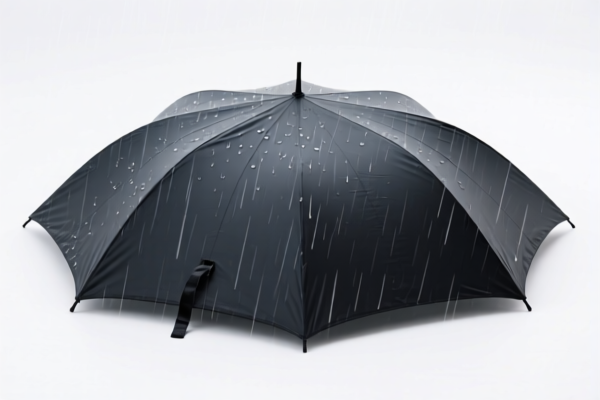
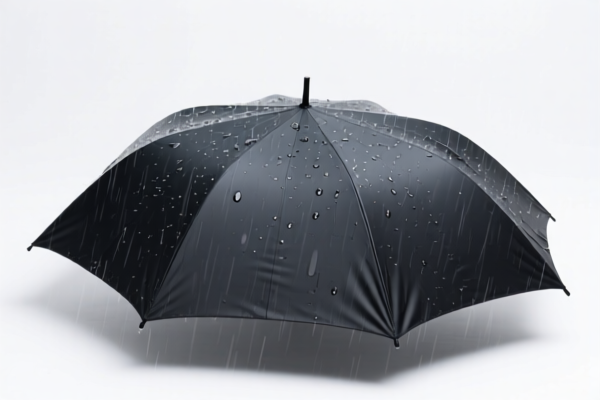
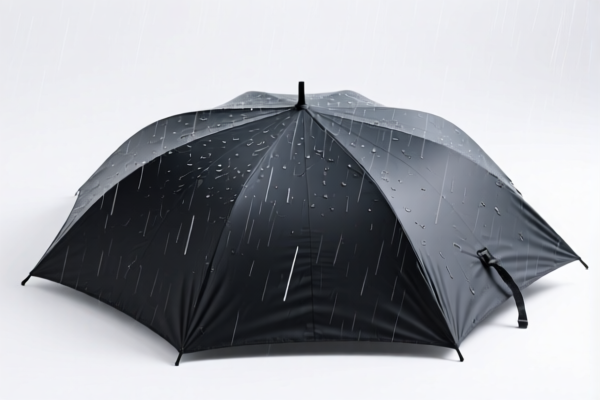
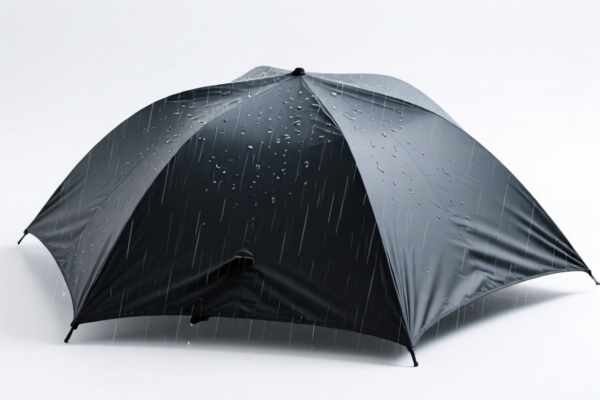
AI Analysis
☔ Rain Guard (Awning / Canopy / Sunshade)
🌐 HS Code Reference & Customs Clearance Guide | 2026 Latest Tariff Analysis | Professional Clearance Strategy 📌 Part I: Product Definition & Classification: Do You Really Understand "Rain Guards"?
"Rain Guard" is a broad commercial term that can refer to several different products. In international trade, correct classification depends entirely on the material and structure of the product. Based on the provided data, we distinguish between three main categories:
1. Fabric/Textile Rain Guards (Canvas, Sunshades, Curtains) - Made from synthetic fibers, artificial fibers, or other textile materials. - Flexible, often collapsible or fixed-frame with fabric cover. - Key Indicator: No rigid metal structural frame integrated as the primary load-bearing component.
2. Metal Structural Rain Guards (Building/Decorative Products) - Made of iron, steel, aluminum, or galvanized steel. - Rigid frames, often fixed to buildings, serving as roofing or drainage/protection equipment. - Key Indicator: Heavy metal components forming the main body (frames, pillars, supports).
⚠️ Critical Distinction Point: - If the product is primarily fabric/canvas stretched over a frame →归入 6306 (Textiles). - If the product is primarily metal structure (even if it has a fabric cover) →归入 7308 (Metal Works). - Misclassification can lead to a tax rate difference of up to 66.2% (e.g., 18.8% vs. 85.0%).
📦 Part II: HS Code Classification Details (2026 Latest Tariff Authority Reference)
| HS Code | Product Description | Material Inference | Application Scenario |
|---|---|---|---|
6306.19.21.10 |
Tarpaulins, Sunshades & Canvas | Artificial Fiber / Other Textile Materials | General outdoor awnings, tent covers, non-synthetic fabric canopies |
7308.90.95.60 |
Building & Decorative Metal Works | Iron or Steel | Metal-framed awnings, steel pergolas, decorative metal roofs |
6306.12.00.00 |
Tarpaulins, Sunshades & Sunblinds | Synthetic Fibers | Polyvinyl chloride (PVC) coated fabrics, nylon sunshades, commercial canvas |
7308.90.95.30 |
Roofing & Drainage/Protection Equipment | Metal Sheets (Aluminum/Galvanized Steel) | Industrial metal roofs, aluminum alloy awnings, corrugated steel covers |
🔍 Key Reminder: - Fabric-First: If the product is sold as a "shade cloth" or "canvas cover," even if it comes with a lightweight frame, it may still be classified under 6306. - Structure-First: If the product is a heavy-duty, permanently installed metal structure (like a patio cover), it falls under 7308, regardless of whether it has a small fabric accent. - Synthetic vs. Artificial: 6306.12 is for synthetic fibers (e.g., polyester, nylon, PVC). 6306.19 is for other textiles (e.g., canvas, cotton blends).
💰 Part III: 2026 Latest Tariff Rate Details (Including Surcharges & Policy Add-ons)
✅ Applicable Country: United States (US)
✅ Country of Origin: China (CN)
✅ Effective Time: 2025-2026 (Current Trade Policy)
🎯 1. 6306.12.00.00 — Tarpaulins, Sunshades (Synthetic Fibers)
| Item | Detail |
|---|---|
| Base Tariff | 8.8% |
| Section 301 Surcharge | 0.0% |
| Section 122 Tariff | 10.0% |
| Total Tariff | 18.8% |
| Tax Calculation | CIF Value × 18.8% |
| De Minimis Exemption? | ❌ No (Subject to duties) |
| Legal Basis | Standard HTSUS 6306.12 + Section 122 Add-on |
📌 Explanation: - This is the most favorable rate among the four options. - "Section 122 Tariff" refers to specific anti-dumping or countervailing duties applicable to certain textile imports. - Advantage: No additional Section 301 tariffs apply here, keeping costs low.
🎯 2. 6306.19.21.10 — Tarpaulins, Sunshades (Other Textiles)
| Item | Detail |
|---|---|
| Base Tariff | 5.1% |
| Section 301 Surcharge | 7.5% |
| Section 122 Tariff | 10.0% |
| Total Tariff | 22.6% |
| Tax Calculation | CIF Value × 22.6% |
| De Minimis Exemption? | ❌ No |
| Legal Basis | HTSUS 6306.19 + Section 301 + Section 122 |
📌 Explanation: - Slightly higher than synthetic fibers due to the 7.5% Section 301 surcharge. - Applies to non-synthetic textiles (e.g., canvas, cotton, blended fabrics). - Recommendation: If your product can be classified as 6306.12 (Synthetic), do so to save 3.8% in total taxes.
🎯 3. 7308.90.95.60 — Metal Building Products (Iron/Steel)
| Item | Detail |
|---|---|
| Base Tariff | 0.0% |
| Section 301 Surcharge | 25.0% |
| Section 122 Tariff | 10.0% |
| Section 122 (Steel/Aluminum/Copper) Surcharge | 50.0% |
| Total Tariff | 85.0% |
| Tax Calculation | CIF Value × 85.0% |
| De Minimis Exemption? | ❌ No |
| Legal Basis | HTSUS 7308.90 + Section 301 + Section 122 (Steel/Aluminum) |
📌 Explanation: - Highest Tariff Rate. - The 50% steel/aluminum surcharge under Section 122 is triggered because the product is made of iron or steel. - Even though the base tariff is 0%, the cumulative effect of 25% (301) + 50% (122 Steel) + 10% (122 Base) results in 85%. - Warning: This rate makes steel rain guards extremely expensive to import into the US.
🎯 4. 7308.90.95.30 — Roofing/Drainage Equipment (Aluminum/Galvanized Steel)
| Item | Detail |
|---|---|
| Base Tariff | 0.0% |
| Section 301 Surcharge | 25.0% |
| Section 122 Tariff | 10.0% |
| Section 122 (Steel/Aluminum/Copper) Surcharge | 50.0% |
| Total Tariff | 85.0% |
| Tax Calculation | CIF Value × 85.0% |
| De Minimis Exemption? | ❌ No |
| Legal Basis | HTSUS 7308.90 + Section 301 + Section 122 (Steel/Aluminum) |
📌 Explanation: - Identical tax treatment to
7308.90.95.60. - Applies to aluminum or galvanized steel roofing and drainage products. - Note: Despite being "aluminum," it still falls under the 50% Section 122 surcharge for steel/aluminum/copper products. - Strategic Advice: Avoid importing rigid metal rain guards from China to the US unless you have specific exemptions or are passing the cost to consumers.
🛠️ Part IV: Customs Clearance Practical Advice (Avoiding Pitfalls)
✅ 1. Essential Documentation Checklist (Missing Items = Delay/Rejection)
| Document | Required? | Purpose |
|---|---|---|
| ✅ Product Specification Sheet | ✔️ | Must state material (e.g., "Polyester Fabric" vs. "Aluminum Frame") |
| ✅ Material Composition Certificate | ✔️ | Critical for distinguishing between 6306 (Textile) and 7308 (Metal) |
| ✅ Product Photos | ✔️ | Show full assembly, close-ups of fabric, and structural details |
| ✅ Commercial Invoice | ✔️ | Describe item precisely: "Fabric Sunshade" vs. "Steel Canopy" |
| ✅ Packing List | ✔️ | List components separately if disassembled |
| ✅ Origin Certificate (CO) | ✔️ | Confirm origin is China to verify surcharge applicability |
✅ 2. Declaration Strategies (Key Tips)
🔥 Motto: "Material Defines Code, Code Defines Cost!"
| Scenario | Correct Declaration | Wrong Practice | Consequence |
|---|---|---|---|
| Fabric Awning with Metal Frame | 6306.12.00.00 (if fabric is primary) |
Declaring as "Steel Structure" | Overpay by 66.2% (85% vs 18.8%) |
| Metal Pergola with Fabric Cover | 7308.90.95.60 (if metal is primary) |
Declaring as "Canvas" | Underpay & Face Penalties |
| PVC Coated Polyester Canvas | 6306.12.00.00 |
Declaring as "Other Textile" | Overpay by 3.8% |
| Aluminum Alloy Sunblind | 7308.90.95.30 |
Declaring as "Plastic" | Misclassification, Audit Risk |
✅ 3. Special Cases & Handling
| Case | Handling Advice |
|---|---|
| Kit Assembled Abroad | If fabric is stitched in Vietnam but frame made in China, origin rules may vary. Consult origin determination experts. |
| Custom Size Metal Roofs | Ensure description specifies "Roofing/Drainage Equipment" to align with 7308.90.95.30. |
| Collapsible Canopy | If it folds and is primarily textile, argue for 6306 classification to save costs. |
| Fixed Installation | If bolted to a building and permanent, customs may view it as 7308. |
🌍 Part V: Global Market Clearance Comparison (2026 Latest)
| Country/Region | Recommended HS Code | Total Tariff | Notes |
|---|---|---|---|
| 🇺🇸 USA | 6306.12.00.00 |
18.8% | Best for textiles. 7308 hits 85%. |
| 🇨🇳 China | 6306.12.00.00 |
~10-15% | Lower tariffs for imports into China. |
| 🇪🇺 EU | 6306.12.00.00 |
~4-12% | Varies by specific subheading. No Section 301/122 equivalents. |
| 🇬🇧 UK | 6306.12.00.00 |
~4-12% | Post-Brexit tariffs apply. |
| 🇨🇦 Canada | 6306.12.00.00 |
~5-15% | CUSMA benefits may apply for regional goods. |
📌 Conclusion: - USA is the most punitive market for this product due to Section 301 and Section 122 tariffs. - Textile-based rain guards (6306) are significantly cheaper to import than Metal-based (7308). - Strategy: If possible, design products with fabric-centric classification or source from non-China countries to avoid surcharges.
📌 Part VI: Common Mistakes & Pitfalls (Lessons Learned)
❌ Mistake 1: Calling a Steel Canopy a "Rain Shield" without specifying material. 👉 Result: Customs reclassifies as 7308 → 85% Tariff applied.
❌ Mistake 2: Declaring a PVC Sunshade as "Other Textile" (6306.19). 👉 Result: Overpaying 3.8% unnecessarily (22.6% vs 18.8%).
❌ Mistake 3: Ignoring the Section 122 Steel/Aluminum Surcharge. 👉 Result: Shock at checkout. The 50% surcharge is automatic for metal products from China.
❌ Mistake 4: Splitting the shipment (Fabric in one box, Metal in another). 👉 Result: Customs may still combine them if shipped together, leading to confusion and delays.
✅ Correct Approach:
"Synthetic Fabric Sunshade, PVC Coated, Model XYZ, No Structural Metal Frame, HS Code 6306.12.00.00"
🎯 Part VII: Conclusion: Precision Saves Money!
🎯 Remember:
🔹 "Fabric is King (18.8%), Metal is Hell (85%)." 🔹 "Check the Material First, Choose the HS Code Second." 🔹 "Section 122 Hits Steel & Aluminum Hard – 50% Surcharge!"
📌 Pro Tip: If your rain guard has a small aluminum frame but is primarily a fabric cover, consult a customs broker to argue for 6306 classification based on the "essential character" rule. This could save you 66.2% in tariffs.
📣 Action Required:
📞 Contact a Customs Broker + Provide Material Specs + Request Advance Ruling if unsure. 🚀 Optimize your HS Code to save thousands in duties!
✨ Professional Customs Clearance Starts with Accurate Classification! 💼 Every Percent Saved is Pure Profit!
Customer Reviews
About HS Code Classification
The Harmonized System (HS) is an internationally standardized nomenclature developed by the World Customs Organization (WCO) to classify traded products. Over 200 countries use the HS system as the basis for customs tariffs, trade statistics, and import/export regulations.
Each HS code follows a hierarchical structure:
- Chapter (2 digits) — Broad category of goods (e.g., Chapter 84: Machinery and Mechanical Appliances)
- Heading (4 digits) — More specific grouping within the chapter
- Subheading (6 digits) — Internationally standardized breakdown, used by all WCO member countries
- National subdivisions (8-10 digits) — Country-specific extensions for further classification, such as US HTSUS 10-digit codes
Correct HS code classification is essential for smooth customs clearance, accurate duty payment, and compliance with trade regulations. Misclassification can lead to customs delays, overpayment of duties, or penalties.
When importing from CN to US, the applicable tariff rates may include:
- Most-Favored-Nation (MFN) rate — The standard duty rate applied to WTO members
- General rate — Applied to countries without trade agreements
- Trade remedy duties — Additional tariffs such as Section 301 (anti-dumping), Section 232 (national security), or countervailing duties
The information provided on this page is for reference purposes only. For official classification, please consult with your local customs authority or a licensed customs broker.