Rake
CN → US| HS Code | Tariff Rate | Origin | Destination | Doc |
|---|---|---|---|---|
| 3926909930 | 22.8% | CN | US | Official Doc |
| 8201300010 | 35.0% | CN | US | Official Doc |
| 8201300080 | 35.0% | CN | US | Official Doc |
| 3926909989 | 22.8% | CN | US | Official Doc |
| 7326908688 | 87.9% | CN | US | Official Doc |
Product Images
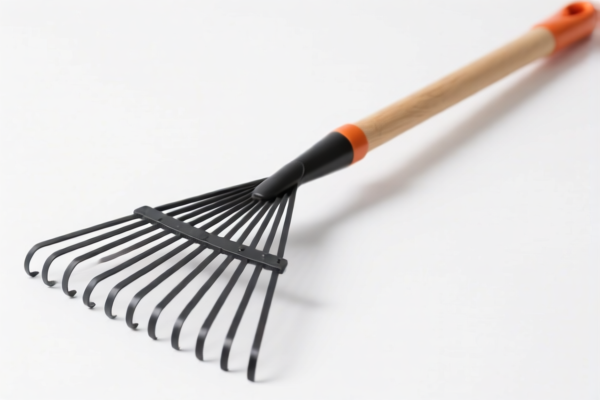

AI Analysis
🌿🛠️ RAKE (Agricultural & Industrial Tools)
🌐 HS Code Reference & Customs Clearance Guide | 2026 Latest Tariff Analysis | Professional Clearance Strategy
📌 I. Product Definition & Classification: Do You Really Understand a "Rake"?
A Rake is a versatile tool used in agriculture, gardening, landscaping, and industrial settings for gathering leaves, leveling soil, smoothing gravel, or clearing debris. In international trade, the HS Code classification depends critically on material composition (metal vs. plastic) and functional specificity (agricultural tool vs. general miscellaneous item).
Key Distinction Criteria:
- Material: Is the head/tines made of metal (steel/iron) or plastic?
- Function: Is it a standard garden tool (Head 82.01) or a general plastic utensil/item (Head 39.26)?
- Specificity: Does it fit a "specific tool" category or is it a "miscellaneous other"?
⚠️ Critical Warning:
- Metal Rakes (Steel/Iron heads) are classified under 82.01 (Hand tools) but face high US tariffs due to Section 301.
- Plastic Rakes are classified under 39.26 (Plastic articles), facing slightly lower but still significant duties.
- Generic Metal制品 (not strictly defined as "rakes") might fall under 73.26, incurring sky-high 87.9% tariffs due to steel/aluminum surcharges.
📦 II. HS Code Classification Details (2026 Official Tariff Schedule)
| HS Code | Product Description | Material Composition | Tax Rate (Total) | Key Classification Logic |
|---|---|---|---|---|
8201.30.00.10 |
Rakes (Specific Tool) | Metal (Directly matches "Rake" in tariff text) | 35.0% | ✅ Specific Tool: Fits "Rake" definition explicitly. |
8201.30.00.80 |
Metal Rakes (General) | Iron or Steel (Explicit tool category) | 35.0% | ✅ Metal Tool: Standard metal garden tools. |
3926.90.99.30 |
Plastic Rakes / Tools | Plastic or Other Materials (Other items, tool category) | 22.8% | ✅ Plastic Tool: Non-metal, falls under "Other instruments". |
3926.90.99.89 |
Plastic & Misc. Artifacts | Plastic (Catch-all "Other" category) | 22.8% | ✅ Miscellaneous: Broad "Other plastic products" bucket. |
7326.90.86.88 |
Iron/Steel Other Products | Iron or Steel (General metal制品, inferred) | 87.9% | ⚠️ High Risk: Not specifically "Rake" but inferred as metal制品; triggers Steel/Aluminum surcharge. |
🔍 Important Note:
- Avoid7326.90.86.88unless the product is not a recognized tool but a generic metal part. If it is a rake, always try to qualify for 82.01 or 39.26 to avoid the 87.9% "Steel Penalty".
- Metal Rakes (82.01) attract a 25% Additional Duty (Section 301) + 10% Section 122 Duty.
- Plastic Rakes (39.26) attract a 7.5% Additional Duty + 10% Section 122 Duty.
💰 III. 2026 Tariff Rate Breakdown (Including Surcharges & Policy Fees)
✅ Target Market: USA (United States)
✅ Origin: China (CN)
✅ Effective Date: 2025+ (Subject to ongoing trade policies)
🎯 1. 8201.30.00.10 & 8201.30.00.80 —— Metal Rakes (The "Tool" Category)
| Component | Rate | Legal Basis |
|---|---|---|
| Base Duty | 0.0% | MFN (Most Favored Nation) |
| Section 301 (Additional) | +25.0% | US Trade Act (Targeting Chinese tools) |
| Section 122 Duty | +10.0% | US Import Safeguard (Specific Chinese goods) |
| Total Tariff | 35.0% | High Risk Category |
| De Minimis Exemption | ❌ No | Denies 800 USD exemption |
| Tax Calculation | CIF Value × 35% |
📌 Analysis:
Even though the base duty is 0%, the 35% total is driven by Section 301 (25%) and Section 122 (10%). This makes metal rakes expensive to import.
🎯 2. 3926.90.99.30 & 3926.90.99.89 —— Plastic Rakes (The "Misc. Plastic" Category)
| Component | Rate | Legal Basis |
|---|---|---|
| Base Duty | 5.3% | Standard Plastic Duty |
| Section 301 (Additional) | +7.5% | Lower surcharge for plastics vs. metals |
| Section 122 Duty | +10.0% | Still applicable to Chinese plastics |
| Total Tariff | 22.8% | Moderate Risk Category |
| De Minimis Exemption | ❌ No | Denies 800 USD exemption |
| Tax Calculation | CIF Value × 22.8% |
📌 Analysis:
Plastic rakes are ~12% cheaper in tariffs than metal rakes. This is a critical cost-saving factor for budget-conscious importers.
🎯 3. 7326.90.86.88 —— Iron/Steel "Other Products" (The "Danger Zone")
| Component | Rate | Legal Basis |
|---|---|---|
| Base Duty | 2.9% | General Metal制品 |
| Section 301 (Additional) | +25.0% | |
| Section 122 Duty | +10.0% | |
| Steel/Al/Cu Surcharge | +50.0% | CRITICAL: Specific penalty for steel/aluminum/copper items |
| Total Tariff | 87.9% | Extremely High Risk |
| De Minimis Exemption | ❌ No |
📌 Analysis:
DO NOT classify a rake under this code unless it is a generic metal plate/pipe not functioning as a rake. The 50% Steel Surcharge makes this category financially suicidal for most importers.
🛠️ IV. Customs Clearance Practical Advice (Real-World Pitfalls)
✅ 1. Documentation Checklist (Non-Negotiable)
| Document | Requirement | Why? |
|---|---|---|
| Product Specification Sheet | ✔️ | Must clearly state Material (Plastic vs. Steel) and Usage (Gardening/Industrial). |
| High-Resolution Photos | ✔️ | Must show the tines/head shape to prove it is a "Rake" and not a generic "Metal Stick" (7326). |
| Bill of Lading | ✔️ | Must match the HS Code description. |
| Commercial Invoice | ✔️ | Critical: Do NOT write "Misc Metal Parts". Write "Rakes, Garden Tools, Metal/Plastic". |
| Declaration of Material | ✔️ | Explicitly state "% Steel", "% Plastic", etc. to avoid the 87.9% surprise. |
✅ 2. Declaration Strategy (The Golden Rules)
🔥 "Material Matters, Function First, Name It Right, Avoid 88%!"
| Scenario | Correct Declaration | Wrong Declaration | Result |
|---|---|---|---|
| Metal Rake | 8201.30.00.10 (Metal Rake) |
7326.90.86.88 (Other Metal) |
35% vs 87.9% (Massive Savings) |
| Plastic Rake | 3926.90.99.30 (Plastic Tool) |
3926.90.99.89 (General Plastic) |
Both ~22.8%, but 99.30 is more precise. |
| Mixed Material | Primary Material Rule: If head is metal, use 82.01. If head is plastic, use 39.26. |
Splitting the parts | Avoids complex classification disputes. |
| Rake + Handle | Declare as one unit. | Separate handle (wood) + rake head | "One unit" classification is safer. |
✅ 3. Special Situations & Risk Mitigation
| Situation | Action Plan |
|---|---|
| Plastic Head, Metal Handle | Classify as 3926 (Plastic) if the functioning part (tines) is plastic. This saves 12% in tariffs. |
| Metal Head, Plastic Handle | Classify as 8201 (Metal). The metal function dictates the code. |
| "Universal" Metal Tool | Never use 7326 for rakes. Insist on 8201 proof. If CBP rejects, appeal with photos. |
| Low Value Shipment (<$800) | Still Taxable! Do not rely on De Minimis. Section 301/122 applies to all Chinese goods regardless of value. |
🌍 V. Global Market Comparison (2026 Outlook)
| Region | Recommended HS Code | Approx. Tariff | Notes |
|---|---|---|---|
| 🇺🇸 USA | 8201.30.00.10 (Metal) |
35.0% | Heavy Section 301 & 122 taxes. |
| 🇺🇸 USA | 3926.90.99.30 (Plastic) |
22.8% | Better option for cost reduction. |
| 🇪🇺 EU | 8201.30.00 |
~1.7% | No Section 301; lower overall cost. |
| 🇨🇦 Canada | 8201.30.00 |
~8.5% | Moderate; no heavy Section 301. |
| 🇦🇺 Australia | 8201.30.00 |
~5.0% | Favorable for Chinese exports. |
📌 Conclusion:
- USA is the most expensive market due to Section 301 and 122 surcharges.
- Plastic rakes are significantly cheaper than metal ones in the US market.
- Avoid7326at all costs in the US.
📌 VI. Common Mistakes & "Blood and Tears" Lessons
❌ Mistake 1: Declaring a metal rake as "Other Steel Articles" (7326.90.86.88).
👉 Result: 87.9% Tariff! Your profit margin disappears instantly.
👉 Fix: Always use 8201.30.00 for rakes.
❌ Mistake 2: Saying "Metal Garden Tool" without specifying "Rake".
👉 Result: CBP may reject 8201 and push you to 7326 or 8205 (other tools).
👉 Fix: Always use the word "Rake" in the description.
❌ Mistake 3: Assuming De Minimis ($800) exemption works for these items.
👉 Result: Denied. Section 301/122 overrides De Minimis for Chinese goods.
👉 Fix: Budget for full taxes even on small samples.
✅ Correct Approach:
"Garden Rakes, Plastic Tines with Wooden Handle" → Use
3926.90.99.30.
"Garden Rakes, Steel Tines with Wooden Handle" → Use8201.30.00.10.
🎯 VII. Final Verdict: Smart Clearance for Maximum Profit
🎯 Remember the Mantra:
🔹 "Plastic Rakes = 22.8% (Save 12%)!"
🔹 "Metal Rakes = 35.0% (Avoid 87.9%)!"
🔹 "Never7326for Rakes!"
🔹 "Section 122 (10%) is unavoidable for China."
📌 Pro Tip:
If you can redesign your product to use plastic tines (while keeping a sturdy handle), you can save 12.1% in duties immediately.
If you are shipping to the US, request a Binding Ruling (Advance Ruling) from CBP to confirm your HS Code (8201 vs 7326) before shipping.
📣 Act Now:
📞 Consult a customs broker with specialized tool experience.
🚀 Ensure your invoice says "RAKE" and not "MISC. PARTS".
🏆 Avoid the 87.9% trap, secure your margins!
✨ Precision Classification = Zero Surprises!
💼 Your rake is just a tool, but your HS Code defines your cost!
Customer Reviews
About HS Code Classification
The Harmonized System (HS) is an internationally standardized nomenclature developed by the World Customs Organization (WCO) to classify traded products. Over 200 countries use the HS system as the basis for customs tariffs, trade statistics, and import/export regulations.
Each HS code follows a hierarchical structure:
- Chapter (2 digits) — Broad category of goods (e.g., Chapter 84: Machinery and Mechanical Appliances)
- Heading (4 digits) — More specific grouping within the chapter
- Subheading (6 digits) — Internationally standardized breakdown, used by all WCO member countries
- National subdivisions (8-10 digits) — Country-specific extensions for further classification, such as US HTSUS 10-digit codes
Correct HS code classification is essential for smooth customs clearance, accurate duty payment, and compliance with trade regulations. Misclassification can lead to customs delays, overpayment of duties, or penalties.
When importing from CN to US, the applicable tariff rates may include:
- Most-Favored-Nation (MFN) rate — The standard duty rate applied to WTO members
- General rate — Applied to countries without trade agreements
- Trade remedy duties — Additional tariffs such as Section 301 (anti-dumping), Section 232 (national security), or countervailing duties
The information provided on this page is for reference purposes only. For official classification, please consult with your local customs authority or a licensed customs broker.