Ramp Board
CN → US| HS Code | Tariff Rate | Origin | Destination | Doc |
|---|---|---|---|---|
| 6810910000 | 35.0% | CN | US | Official Doc |
| 4418999150 | 38.2% | CN | US | Official Doc |
| 6810195000 | 38.9% | CN | US | Official Doc |
| 7308909560 | 85.0% | CN | US | Official Doc |
Product Images
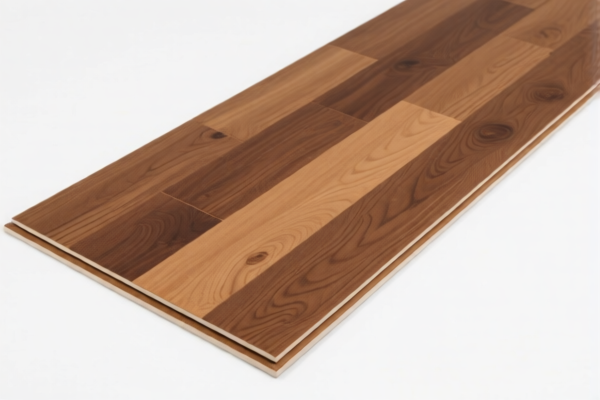
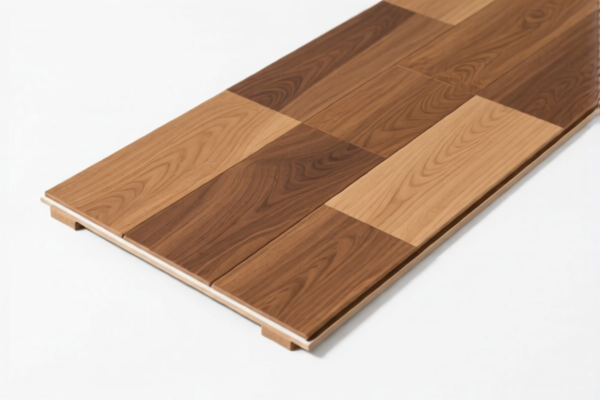
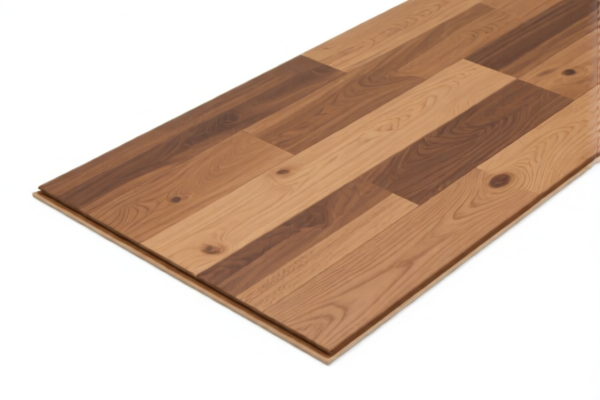
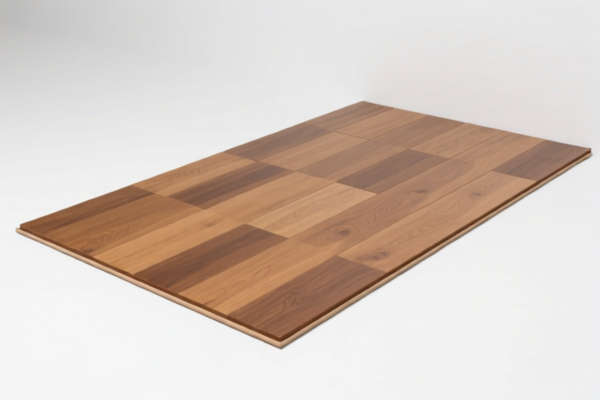
AI Analysis
🛠️ Ramp Boards (Ramps for Access/Construction)
🌐 HS Code Reference & Customs Clearance Guide | 2024 Latest Tariff Analysis | Professional Clearance Strategy
📌 Part 1: Product Definition & Classification: Do You Really Understand "Ramp Boards"?
Ramp boards are inclined planes used in construction, civil engineering, or accessibility applications to bridge height differences. They are critical components in infrastructure, temporary works, or permanent installations. In international trade, their classification depends heavily on the material composition and structural nature.
⚠️ Key Distinction Point:
- If made of Concrete/Artificial Stone → Typically falls under Chapter 68 (Articles of Stone, Plaster, Cement, etc.);
- If made of Wood → Typically falls under Chapter 44 (Wood and Articles of Wood);
- If made of Iron/Steel → Typically falls under Chapter 73 (Articles of Iron or Steel).
📦 Part 2: HS Code Classification Details (2024 Latest Tariff Authority Cross-Reference)
| HS Code | Product Description | Material / Usage Scenario | Total Tax Rate (US from CN) |
|---|---|---|---|
6810.91.00.00 |
Prefabricated structural components of cement, concrete or artificial stone | Concrete ramps, artificial stone walkways | 35.0% |
4418.99.91.50 |
Other builders' carpentry and joinery, incl. window and door frames | Wooden ramps, timber decking ramps | 38.2% |
6810.19.50.00 |
Paving blocks, cubes, curbstones, flagstones, of cement or concrete | Cement/concrete paving ramps, heavy-duty road ramps | 38.9% |
7308.90.95.60 |
Structural works (excl. prefabricated buildings of heading 9406), of iron or steel | Steel structural ramps, iron staircases/ramps | 85.0% |
🔍 Key Reminder:
- The material is the primary driver of classification. A "ramp" is not a single HS code; it is defined by its substance (Concrete vs. Wood vs. Steel). - Steel ramps attract the highest tariffs due to additional metallurgical surcharges. - Prefabricated vs. Paving distinctions matter within the same material category (e.g., Concrete).
💰 Part 3: 2024 Latest Tariff Rate Breakdown (Including Surtaxes & Policy Add-ons)
✅ Applicable Country: United States (US)
✅ Country of Origin: China (CN)
✅ Note: Rates include Base Tariff + Section 301 Surcharge (25%) + Section 122 Surcharge (10%) + Potential Steel/Aluminum Surcharge (50%) where applicable.
🎯 1. 6810.91.00.00 — Prefabricated Structural Components (Concrete/Artificial Stone)
| Item | Details |
|---|---|
| Base Tariff | 0.0% |
| Section 301 Surcharge | +25.0% (25% Additional Duties) |
| Section 122 Surcharge | +10.0% (122 Provision Duties) |
| Total Tariff | 35.0% |
| Tax Calculation | CIF Value × 35% |
| De Minimis Exemption | ❌ Not Applicable (High tariff rates typically exclude de minimis benefits for direct duty calculation) |
| Legal Basis Path | HTSUS:6810.91.00.00 → Section 301: 25% → Section 122: 10% |
📌 Explanation:
- Concrete ramps are classified as "prefabricated structural components." - The 25% Section 301 tariff applies to most Chinese-made construction materials. - The 10% Section 122 tariff is an additional surcharge often applied to specific Chinese goods. - Total Effective Rate: 35%.
🎯 2. 4418.99.91.50 — Other Builders' Carpentry (Wood)
| Item | Details |
|---|---|
| Base Tariff | 3.2% |
| Section 301 Surcharge | +25.0% |
| Section 122 Surcharge | +10.0% |
| Total Tariff | 38.2% |
| Tax Calculation | CIF Value × 38.2% |
| De Minimis Exemption | ❌ Not Applicable |
| Legal Basis Path | HTSUS:4418.99.91.50 → Section 301: 25% → Section 122: 10% |
📌 Explanation:
- Wooden ramps fall under the "catch-all" category for builders' carpentry. - Unlike concrete, there is a 3.2% base duty. - With the 25% and 10% surcharges, the total climbs to 38.2%. - Wooden products do not incur the additional Steel/Aluminum surcharge.
🎯 3. 6810.19.50.00 — Paving Products (Concrete)
| Item | Details |
|---|---|
| Base Tariff | 3.9% |
| Section 301 Surcharge | +25.0% |
| Section 122 Surcharge | +10.0% |
| Total Tariff | 38.9% |
| Tax Calculation | CIF Value × 38.9% |
| De Minimis Exemption | ❌ Not Applicable |
| Legal Basis Path | HTSUS:6810.19.50.00 → Section 301: 25% → Section 122: 10% |
📌 Explanation:
- If the ramp is classified as a "paving block" or "flagstone" rather than a prefabricated structural component, the base rate is 3.9%. - This results in a slightly higher total tariff (38.9%) compared to prefabricated concrete components. - Critical: Ensure the description matches "Paving" vs. "Structural Component" to avoid misclassification.
🎯 4. 7308.90.95.60 — Structural Works of Iron/Steel
| Item | Details |
|---|---|
| Base Tariff | 0.0% |
| Section 301 Surcharge | +25.0% |
| Section 122 Surcharge | +10.0% |
| Steel/Aluminum Surcharge | +50.0% (For Steel/Aluminum Products) |
| Total Tariff | 85.0% |
| Tax Calculation | CIF Value × 85.0% |
| De Minimis Exemption | ❌ Not Applicable |
| Legal Basis Path | HTSUS:7308.90.95.60 → Section 301: 25% → Section 122: 10% → Section 232 (Steel): 50% |
📌 Explanation:
- This is the most expensive category. - Steel ramps are subject to the 25% Section 301 tariff, 10% Section 122 tariff, AND a massive 50% Section 232 Tariff on steel/aluminum products. - Total Effective Rate: 85%. - Importers must be extremely cautious with steel products from China.
🛠️ Part 4: Customs Clearance Practical Advice (Real-World Pitfall Guide)
✅ 1. Documentation Checklist (All Required)
| Document | Mandatory? | Explanation |
|---|---|---|
| ✅ Product Specification Sheet | ✔️ | Must explicitly state Material (Concrete, Wood, or Steel), dimensions, and load capacity. |
| ✅ Material Declaration | ✔️ | Crucial for avoiding misclassification. E.g., "Prefabricated Concrete Ramp," not just "Ramp." |
| ✅ Commercial Invoice | ✔️ | Clearly describe the item according to the HS Code selected. |
| ✅ Packing List | ✔️ | Detail packaging to prevent damage and aid inspection. |
| ✅ Proof of Origin | ✔️ | Certificate of Origin (CO) may be required for anti-dumping checks or specific trade agreements. |
| ✅ Structural Drawings | ✔️ | For steel/concrete ramps, drawings help customs verify if it's a "structural component" or "paving." |
✅ 2. Declaration Tips (Key Mantra)
🔥 "Material First, Structure Second, Name Precise, Avoid the 85% Trap!"
| Scenario | Correct Declaration | Wrong Practice |
|---|---|---|
| Concrete Ramp | 6810.91.00.00 (Prefabricated Structural Component) |
Declaring as "Paving" (6810.19.50.00) → 38.9% vs 35.0% |
| Wooden Ramp | 4418.99.91.50 (Builders' Carpentry) |
Declaring as "Furniture" → Misclassification Penalty |
| Steel Ramp | 7308.90.95.60 (Structural Works) |
Attempting to hide material → Severe penalties + 85% duty |
| Artificial Stone Ramp | 6810.91.00.00 |
Declaring as "Plastic" → Wrong Chapter |
✅ 3. Special Case Handling
| Scenario | Handling Advice |
|---|---|
| Steel Ramps from China | Avoid if possible. 85% tariff is prohibitive. Consider sourcing from non-China countries or using wood/concrete alternatives. |
| Mixed Material Ramps | Classify based on the primary material or the structural component. If steel is the frame, it likely falls under Chapter 73. |
| Prefabricated vs. On-Site | Prefabricated items are easier to classify. On-site assemblies may require different declarations. |
| Accessibility Ramps | If for public accessibility (ADA compliance), ensure documentation highlights this for potential insurance or compliance benefits, but it does not change the HS Code or tariff. |
🌍 Part 5: Global Market Comparison (2024 Latest)
| Country/Region | Recommended HS Code | Approx. Tariff (China Origin) | Certification Requirements | Notes |
|---|---|---|---|---|
| 🇺🇸 USA | Depends on Material | 35% - 85% (See above) | None for general use; Structural certs for building code | Highest tariffs globally due to Section 301/232. |
| 🇨🇳 China | Depends on Material | 0% - 6% | CCC (if electrical, but ramps usually not) | No additional surcharges. |
| 🇪🇺 EU | Depends on Material | 0% - 6% | CE Marking (if applicable to building regulations) | No Section 301 equivalent; lower overall cost. |
| 🇨🇦 Canada | Depends on Material | 0% - 10% | CSA (if structural) | FTA may allow 0% if Canadian origin. |
| 🇬🇧 UK | Depends on Material | 0% - 6% | UKCA Marking | Post-Brexit rules apply. |
📌 Conclusion:
- USA is the most challenging market for Chinese-made ramps due to layered surcharges. - Steel ramps are particularly costly (85%) due to the 50% steel-specific tariff. - Concrete and Wood offer relatively lower, though still significant, tax burdens.
📌 Part 6: Common Errors & Pitfall Guide (Lessons Learned)
❌ Error 1: Declaring a Steel Ramp as "Concrete" to avoid the 50% steel tariff.
👉 Consequence: Customs inspection will reveal the material. Penalties, seizure, and back-taxes apply.
❌ Error 2: Using generic term "Ramp" without specifying material.
👉 Consequence: Customs may assign the highest possible duty rate or delay clearance for clarification.
❌ Error 3: Confusing "Prefabricated Structural Component" (6810.91) with "Paving" (6810.19).
👉 Consequence: Minor rate difference (35% vs 38.9%), but frequent audits lead to additional scrutiny.
❌ Error 4: Ignoring the Section 122 surcharge.
👉 Consequence: Under-calculating total landed cost. Budget overruns.
✅ Correct Practice:
"Prefabricated Concrete Ramp, Non-Structural, 10ft x 3ft, for Residential Use, Model XYZ, Made in China"
🎯 Part 7: Conclusion: Professional Classification Saves Money!
🎯 Remember the Mantra:
🔹 "Steel is 85%, Wood is 38%, Concrete is 35% or 39%. Choose Wisely!"
🔹 "HS Code defines your cost, Tariff Defines your Profit."
📌 Pro Tip:
If you are importing Steel Ramps from China to the US, seriously consider alternative materials (Wood/Concrete) or alternative origins (e.g., Vietnam, Mexico) to avoid the 85% tariff.
For Concrete/Wood, apply for an Advance Ruling from US Customs to confirm the exact HS Code and duty rate before shipment.
📣 Immediate Action:
📞 Consult a licensed customs broker.
📄 Provide detailed product specs (Material, Dimensions, Usage).
🚀 Clear the ramps, clear the profits!
✨ Professional Clearance Starts with Precise Classification!
💼 Every percentage point of duty matters!
Customer Reviews
About HS Code Classification
The Harmonized System (HS) is an internationally standardized nomenclature developed by the World Customs Organization (WCO) to classify traded products. Over 200 countries use the HS system as the basis for customs tariffs, trade statistics, and import/export regulations.
Each HS code follows a hierarchical structure:
- Chapter (2 digits) — Broad category of goods (e.g., Chapter 84: Machinery and Mechanical Appliances)
- Heading (4 digits) — More specific grouping within the chapter
- Subheading (6 digits) — Internationally standardized breakdown, used by all WCO member countries
- National subdivisions (8-10 digits) — Country-specific extensions for further classification, such as US HTSUS 10-digit codes
Correct HS code classification is essential for smooth customs clearance, accurate duty payment, and compliance with trade regulations. Misclassification can lead to customs delays, overpayment of duties, or penalties.
When importing from CN to US, the applicable tariff rates may include:
- Most-Favored-Nation (MFN) rate — The standard duty rate applied to WTO members
- General rate — Applied to countries without trade agreements
- Trade remedy duties — Additional tariffs such as Section 301 (anti-dumping), Section 232 (national security), or countervailing duties
The information provided on this page is for reference purposes only. For official classification, please consult with your local customs authority or a licensed customs broker.