Rat proof mesh
CN → US| HS Code | Tariff Rate | Origin | Destination | Doc |
|---|---|---|---|---|
| 3926909940 | 22.8% | CN | US | Official Doc |
| 3926909989 | 22.8% | CN | US | Official Doc |
| 7314493000 | 60.0% | CN | US | Official Doc |
| 7314496000 | 85.0% | CN | US | Official Doc |
| 5608192090 | 40.0% | CN | US | Official Doc |
Product Images

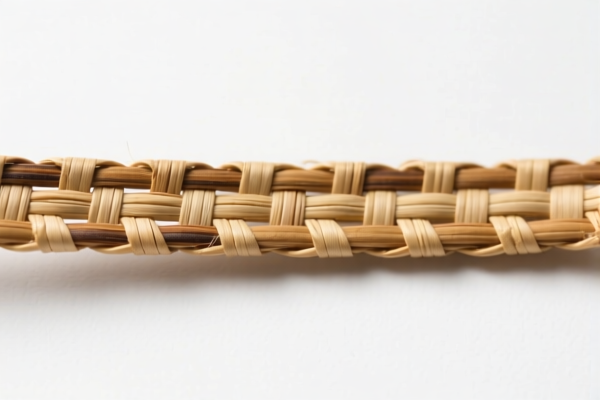


AI Analysis
🐭 Rat-Proof Mesh (Anti-Rodent Mesh) – HS Code & Tariff Guide 2026 | Full Customs Clearance Strategy
🌐 HS Code Classification & Duty Breakdown | U.S. Tariff Rules 2026 | Expert-Level Compliance Advice
📌 I. Product Definition & Classification: What Is “Rat-Proof Mesh”?
Rat-proof mesh is a protective barrier used to prevent rodents (rats, mice) from entering buildings, ventilation systems, or industrial areas. It is made from various materials and must be classified correctly under the Harmonized System (HS) to avoid customs delays, penalties, or excessive tariffs.
⚠️ Key Insight:
The material composition determines the HS code and final duty rate.
- Plastic-based mesh → Lower tariffs
- Metal-based (iron/steel) → Extremely high tariffs due to U.S. trade policies
- Textile-based (synthetic fiber) → Moderate tariff
📦 II. HS Code Classification Breakdown (2026 U.S. Tariff Schedule)
| HS Code | Product Description | Material Type | Key Classification Reason |
|---|---|---|---|
3926.90.99.40 |
Plastic rat-proof mesh, classified as other plastic articles | Plastic | Not a net, not a wire, but a molded or woven plastic barrier |
3926.90.99.89 |
Plastic rat-proof mesh, classified as other plastic products | Plastic | Same as above; used for different sub-entries in tariff schedule |
7314.49.30.00 |
Iron or non-alloy steel rat-proof mesh, classified as other grilles, nets, and fences | Iron/Steel | Metal mesh, not for structural use → falls under "other" category |
7314.49.60.00 |
Iron or steel rat-proof mesh, classified as other fencing or netting | Iron/Steel | Specifically for "other netting" – higher tariff due to steel status |
5608.19.20.90 |
Man-made fiber rat-proof mesh, classified as other nets made from synthetic fibers | Synthetic Textile | Non-metallic, non-plastic, textile-based mesh |
🔍 Critical Note:
- Plastic mesh is treated as plastic product, not "netting" → lower tariff
- Steel mesh is subject to multiple layers of tariffs due to U.S. trade actions
- Textile mesh is taxed under textile rules, not metal or plastic
💰 III. 2026 U.S. Tariff Breakdown (Detailed & Compliant)
✅ Applicable Country: China (CN)
✅ Applicable Market: United States (U.S.)
✅ Effective Date: November 10, 2025 (and ongoing)
🎯 1. 3926.90.99.40 – Plastic Rat-Proof Mesh (Other Plastic Articles)
| Component | Rate | Legal Basis |
|---|---|---|
| Base Tariff | 5.3% | HTSUS 3926.90.99 |
| Section 301 (USITC) Additional Tariff | +7.5% | From U.S. Trade Act 301 (China-specific) |
| Section 122 (IEEPA) Tariff | +10% | International Emergency Economic Powers Act (I.E.E.P.A.) |
| Total Effective Duty | 22.8% | Sum of all three |
📌 Explanation: - Base tariff (5.3%): Standard rate for non-specified plastic products - +7.5% (Section 301): U.S. trade action targeting Chinese imports under “unfair trade practices” - +10% (Section 122): I.E.E.P.A. tariff on goods from China, applied to plastic, metal, and textile products under specific subheadings - Total: 22.8% – Not eligible for de minimis exemption (threshold = $800, but excluded for China-origin goods)
✅ Legal Pathway:
HTSUS:3926.90.99.40→Section 301: 9903.88.01→IEEPA:9903.01.25
🎯 2. 3926.90.99.89 – Plastic Rat-Proof Mesh (Other Plastic Products)
| Component | Rate | Legal Basis |
|---|---|---|
| Base Tariff | 5.3% | HTSUS 3926.90.99 |
| Section 301 (USITC) Additional Tariff | +7.5% | U.S. Trade Act 301 |
| Section 122 (IEEPA) Tariff | +10% | I.E.E.P.A. |
| Total Effective Duty | 22.8% | Same as above |
📌 Explanation: - Same material (plastic), same end-use (rat protection), same tariff treatment - The difference is only in subheading, not in duty - No exemption, no reduction, no de minimis for China-origin goods
✅ Legal Pathway:
HTSUS:3926.90.99.89→Section 301: 9903.88.01→IEEPA:9903.01.25
🎯 3. 7314.49.30.00 – Iron/Non-Alloy Steel Rat-Proof Mesh (Other Grilles, Nets, Fences)
| Component | Rate | Legal Basis |
|---|---|---|
| Base Tariff | 0.0% | HTSUS 7314.49.30 |
| Section 301 (USITC) Additional Tariff | +0.0% | Not applicable (steel is exempt from 301) |
| Section 122 (IEEPA) Tariff | +10% | I.E.E.P.A. applies to steel, aluminum, copper products |
| Steel, Aluminum, Copper (SAC) Additional Tariff | +50% | From U.S. Trade Act 301 – Applies to steel-based products |
| Total Effective Duty | 60.0% | 10% + 50% = 60% |
📌 Explanation: - No base tariff, but I.E.E.P.A. 10% applies to all steel, aluminum, copper products from China - +50% SAC (Steel/Aluminum/Copper) tariff is mandatory for all steel-based goods - Total: 60% – Extremely high for a simple mesh product
✅ Legal Pathway:
HTSUS:7314.49.30.00→IEEPA:9903.01.25→SAC:9903.88.01
🎯 4. 7314.49.60.00 – Iron/Steel Rat-Proof Mesh (Other Fencing or Netting)
| Component | Rate | Legal Basis |
|---|---|---|
| Base Tariff | 0.0% | HTSUS 7314.49.60 |
| Section 301 (USITC) Additional Tariff | +25.0% | Yes – applies to steel products under this subheading |
| Section 122 (IEEPA) Tariff | +10% | I.E.E.P.A. applies |
| Steel, Aluminum, Copper (SAC) Additional Tariff | +50% | Applies to steel |
| Total Effective Duty | 85.0% | 25% + 10% + 50% = 85% |
📌 Explanation: - Higher tariff than 7314.49.30.00 due to +25% Section 301 tariff - Why? This subheading is specifically targeted under U.S. Trade Act 301 for steel netting - Total: 85% – One of the highest tariffs in the U.S. tariff schedule
✅ Legal Pathway:
HTSUS:7314.49.60.00→Section 301: 9903.88.01→IEEPA:9903.01.25→SAC:9903.88.01
🎯 5. 5608.19.20.90 – Man-Made Fiber Rat-Proof Mesh (Other Synthetic Fiber Nets)
| Component | Rate | Legal Basis |
|---|---|---|
| Base Tariff | 5.0% | HTSUS 5608.19.20 |
| Section 301 (USITC) Additional Tariff | +25.0% | Applies to synthetic fiber products from China |
| Section 122 (IEEPA) Tariff | +10% | I.E.E.P.A. applies |
| Total Effective Duty | 40.0% | 5% + 25% + 10% = 40% |
📌 Explanation: - Textile-based mesh is not subject to SAC (steel) tariff - But still subject to Section 301 (25%) and IEEPA (10%) - Total: 40% – High, but significantly lower than steel mesh
✅ Legal Pathway:
HTSUS:5608.19.20.90→Section 301: 9903.88.01→IEEPA:9903.01.25
🛠️ IV. Customs Clearance Best Practices (Pro Tips)
✅ 1. Critical Documentation Checklist
| Document | Required? | Why It Matters |
|---|---|---|
| ✅ Product Specification Sheet | ✔️ | Proves material type (plastic/steel/textile) |
| ✅ Material Test Report (e.g., ASTM, ISO) | ✔️ | Confirms composition (plastic vs. metal) |
| ✅ High-Res Product Photos (with label) | ✔️ | Helps customs verify physical structure |
| ✅ Commercial Invoice | ✔️ | Must state correct HS code and material |
| ✅ Certificate of Origin (CO) | ✔️ | If from Vietnam, Mexico, Thailand → may qualify for lower tariffs |
| ✅ Packing List | ✔️ | Shows net weight, quantity, packaging |
| ✅ Third-Party Test Report (RoHS, REACH, etc.) | ✔️ | Helps avoid compliance issues |
✅ 2. 申报技巧 (Key Rules)
🔥 “Material First, Use Second – Don’t Lie on the Label!”
| Scenario | Correct HS Code | Wrong Code | Risk |
|---|---|---|---|
| Plastic mesh (no metal) | 3926.90.99.40 or 3926.90.99.89 |
7314.49.30.00 |
22.8% → 60% → +37.2% tax |
| Steel mesh (iron/steel) | 7314.49.60.00 |
3926.90.99.40 |
85% → 22.8% → Underpayment → penalties |
| Synthetic fiber mesh | 5608.19.20.90 |
3926.90.99.40 |
40% → 22.8% → Underpaid, risk of audit |
📌 Golden Rule:
Do not declare plastic mesh as "netting" or "fencing" – it’s not.
Do not declare steel mesh as "plastic" – it’s illegal.
✅ 3. Special Cases & Workarounds
| Situation | Solution |
|---|---|
| Plastic mesh from Vietnam/Mexico | Apply for CO → may qualify for 0% tariff under USMCA or trade agreements |
| Steel mesh with plastic coating | Still steel-based → 85% tariff applies |
| Custom-designed mesh (OEM) | Provide engineering drawings → prove it’s not standard fencing |
| Used or recycled mesh | Still subject to same tariffs – no exemption |
🌍 V. Global Tariff Comparison (2026)
| Country | Recommended HS Code | Duty Rate | Certification Required | Notes |
|---|---|---|---|---|
| 🇺🇸 USA | Depends on material | 22.8%–85% | None (but document proof) | China-origin: no de minimis |
| 🇨🇳 China | 3926.90.99.40 |
5% | CCC, RoHS | No extra tariffs |
| 🇪🇺 EU | 3926.90.99.40 |
0% (if CE) | CE, RoHS | No 301/IEEPA |
| 🇦🇺 Australia | 3926.90.99.40 |
5% | RCM | No extra tariffs |
| 🇯🇵 Japan | 3926.90.99.40 |
0% | PSE | No additional duties |
📌 Insight:
- Only the U.S. applies 301/IEEPA tariffs on rat-proof mesh
- China-origin goods in U.S. face highest risk
- Vietnam/Mexico origin goods may avoid tariffs if proper CO is provided
📌 VI. Common Mistakes & Penalties (Avoid These!)
❌ Mistake 1: Declaring steel mesh as plastic → Underpaid duty → 100% penalty + interest
❌ Mistake 2: Not providing material test report → Customs holds shipment → 2–4 weeks delay
❌ Mistake 3: Using “mesh” in description without material → Incorrect HS code assigned
❌ Mistake 4: Not checking tariff updates → 2025 rules no longer apply in 2026
❌ Mistake 5: Assuming “de minimis” applies → China-origin goods: $0 exemption denied
✅ Correct Declaration Example:
"Plastic Rat-Proof Mesh, 1mm × 1mm, 100% Polypropylene, Not Reinforced, For Ventilation Use, HS: 3926.90.99.40, Origin: China"
🎯 VII. Final Summary: Your 2026 Clearance Strategy
🔹 Plastic Mesh (China) →
3926.90.99.40→ 22.8% duty
🔹 Steel Mesh (China) →7314.49.60.00→ 85% duty – Avoid if possible
🔹 Textile Mesh (China) →5608.19.20.90→ 40% duty
🔹 Non-China Origin (Vietnam/Mexico) → Check trade agreement → May be 0%📌 Pro Tip:
If you’re shipping steel mesh, consider replacing steel with plastic in design → cut tariff from 85% to 22.8%
Or relocate manufacturing to Vietnam, Mexico, or Thailand → avoid U.S. tariffs entirely
📣 Call to Action: Act Now!
📞 Contact a U.S. Customs Broker + Request HS Code Pre-Ruling
🚀 Get your product classified before shipment
💼 Save thousands in tariffs, avoid delays, and ship with confidence
✨ Professional Compliance Starts with Accurate Classification!
💼 Your duty rate is not a guess — it’s a legal obligation.
📦 One wrong code = 85% tariff. One right code = 22.8%. Choose wisely.
Customer Reviews
About HS Code Classification
The Harmonized System (HS) is an internationally standardized nomenclature developed by the World Customs Organization (WCO) to classify traded products. Over 200 countries use the HS system as the basis for customs tariffs, trade statistics, and import/export regulations.
Each HS code follows a hierarchical structure:
- Chapter (2 digits) — Broad category of goods (e.g., Chapter 84: Machinery and Mechanical Appliances)
- Heading (4 digits) — More specific grouping within the chapter
- Subheading (6 digits) — Internationally standardized breakdown, used by all WCO member countries
- National subdivisions (8-10 digits) — Country-specific extensions for further classification, such as US HTSUS 10-digit codes
Correct HS code classification is essential for smooth customs clearance, accurate duty payment, and compliance with trade regulations. Misclassification can lead to customs delays, overpayment of duties, or penalties.
When importing from CN to US, the applicable tariff rates may include:
- Most-Favored-Nation (MFN) rate — The standard duty rate applied to WTO members
- General rate — Applied to countries without trade agreements
- Trade remedy duties — Additional tariffs such as Section 301 (anti-dumping), Section 232 (national security), or countervailing duties
The information provided on this page is for reference purposes only. For official classification, please consult with your local customs authority or a licensed customs broker.