Rattan Handbag Inner Pocket
CN → US| HS Code | Tariff Rate | Origin | Destination | Doc |
|---|---|---|---|---|
| 6307909891 | 24.5% | CN | US | Official Doc |
| 6307908940 | 17.0% | CN | US | Official Doc |
| 4202923900 | 52.6% | CN | US | Official Doc |
| 4602112100 | 41.2% | CN | US | Official Doc |
| 4602192920 | 40.3% | CN | US | Official Doc |
Product Images
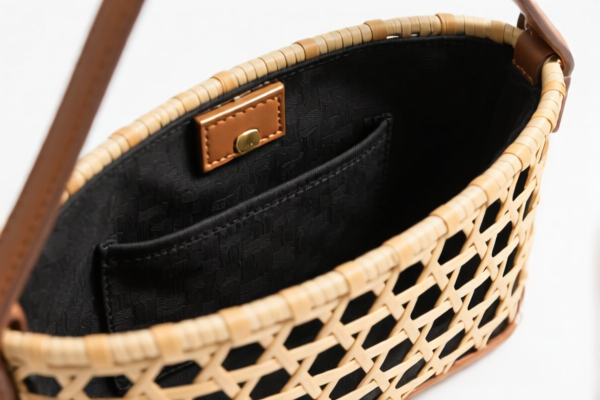
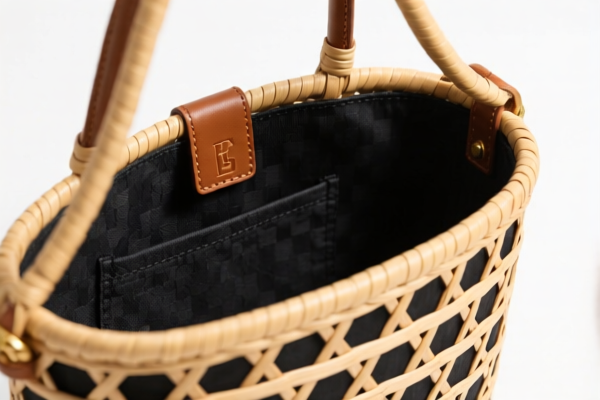
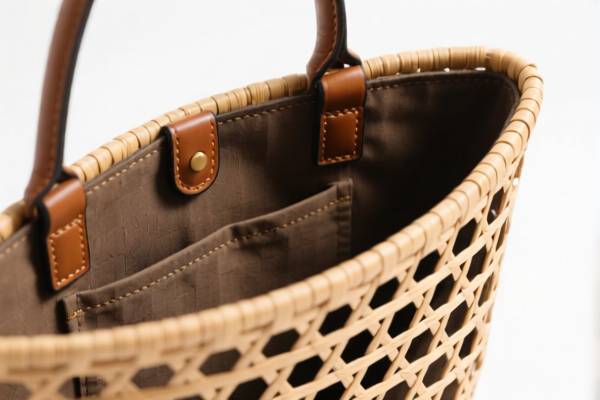
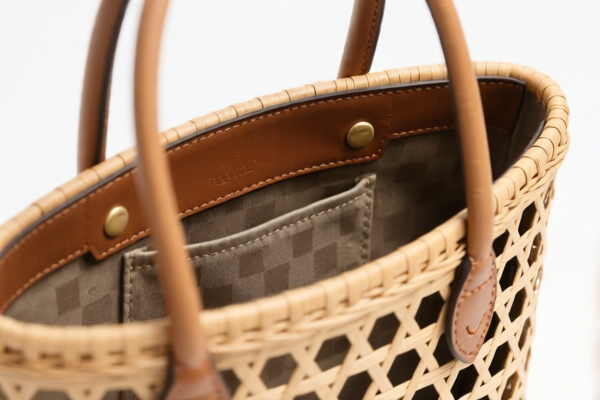
AI Analysis
🎒 Rattan Handbag with Inner Pocket: HS Code Classification & Customs Clearance Strategy
🌐 HS Code Reference & Customs Guide | 2026 Latest Tariff Analysis | Professional Clearance Strategy
📌 I. Product Definition & Classification: What is a "Rattan Handbag with Inner Pocket"?
A rattan handbag with an inner pocket is a woven accessory made primarily from plant materials (such as rattan, bamboo, or similar natural fibers). In international trade, its classification depends heavily on: 1. Material Composition: Is it 100% rattan/bamboo? Or mixed with fabric/leather? 2. Structure: Is it considered a "bag" (Chapter 42) or a "woven article" (Chapter 46)? 3. Function: Is it primarily for fashion/carrying items (Chapter 42) or for general utility/woven display (Chapter 46)?
⚠️ Key Distinction Point:
- If the bag is primarily woven from rattan/bamboo without significant leather/fabric lining → It may fall under Chapter 46 (Woven Articles).
- If the bag has leather lining, structured frame, or is designed as a fashion accessory with distinct pockets → It is often classified under Chapter 42 (Travel Goods, Handbags).
- Mixed Materials: If the rattan is just decorative trim on a fabric/leather bag → Chapter 42. If the entire body is woven → Chapter 46 or 42 depending on design.
📦 II. HS Code Classification Details (2026 Latest Tariff Alignment)
Based on the provided data, here are the five possible HS codes for a "Rattan Handbag with Inner Pocket," along with their tax implications for imports into the US from China.
| HS Code | Product Description | Applicable Scenario | Total Tax Rate | Tax Breakdown |
|---|---|---|---|---|
6307.90.98.91 |
Other made-up articles (non-travel bags) | Woven handbag with inner pocket, classified as "other finished products" not specifically travel bags | 24.5% | Base: 7.0% Section 301: 7.5% Section 122: 10.0% |
6307.90.89.40 |
Other made-up articles (non-travel bags) | Woven handbag with inner pocket, classified as "other articles" | 17.0% | Base: 7.0% Section 301: 0.0% Section 122: 10.0% |
4202.92.39.00 |
Travel, sports & similar bags (woven) | Woven handbag with inner pocket, classified as "travel/sports bags" | 52.6% | Base: 17.6% Section 301: 25.0% Section 122: 10.0% |
4602.11.21.00 |
Woven articles of bamboo/rattan | Woven handbag, classified as "bamboo/rattan/plant material articles" | 41.2% | Base: 6.2% Section 301: 25.0% Section 122: 10.0% |
4602.19.29.20 |
Woven articles of other plant materials | Woven handbag, classified as "other plant material woven articles" | 40.3% | Base: 5.3% Section 301: 25.0% Section 122: 10.0% |
🔍 Key Takeaway:
- The lowest tax rate is 17.0% (6307.90.89.40), provided the bag is classified as a general woven article rather than a travel bag or plant-specific woven good.
- The highest tax rate is 52.6% (4202.92.39.00) if classified as a travel/sports bag.
- Section 301 Tariff (25%) applies to most plant-based and textile categories, significantly impacting costs.
- Section 122 Tariff (10%) is a new/additional levy affecting all these categories.
💰 III. 2026 Latest Tariff Rate Details (Including Surcharges)
✅ Applicable Country: United States (US)
✅ Country of Origin: China (CN)
✅ Effective Date: 2025 November 10 (and subsequent imports)
🎯 1. 6307.90.98.91 – Other Made-up Articles
| Item | Detail |
|---|---|
| Base Tariff | 7.0% |
| Section 301 Surcharge | 7.5% |
| Section 122 Surcharge | 10.0% |
| Total Tax Rate | 24.5% |
| Calculation | CIF Value × 24.5% |
| De Minimis Exemption | ❌ Not Applicable (Section 122 blocks de minimis) |
| Legal Basis | Section 122 → Section 301 → HTSUS 6307.90.98.91 |
📌 Explanation:
- This classification is for general woven articles that don’t fit into specific "bag" categories.
- Tax Saving Potential: Lower Section 301 rate (7.5% vs 25%) makes this favorable if structurally classified correctly.
🎯 2. 6307.90.89.40 – Other Made-up Articles (Optimal Choice)
| Item | Detail |
|---|---|
| Base Tariff | 7.0% |
| Section 301 Surcharge | 0.0% |
| Section 122 Surcharge | 10.0% |
| Total Tax Rate | 17.0% |
| Calculation | CIF Value × 17.0% |
| De Minimis Exemption | ❌ Not Applicable (Section 122 blocks de minimis) |
| Legal Basis | Section 122 → HTSUS 6307.90.89.40 |
📌 Explanation:
- This is the most cost-effective classification for a woven handbag.
- Zero Section 301 surcharge is a significant advantage.
- Requires strong justification that the item is not a "travel bag" (Chapter 42) or "plant material woven article" (Chapter 46).
🎯 3. 4202.92.39.00 – Travel/Sports Bags (Highest Cost)
| Item | Detail |
|---|---|
| Base Tariff | 17.6% |
| Section 301 Surcharge | 25.0% |
| Section 122 Surcharge | 10.0% |
| Total Tax Rate | 52.6% |
| Calculation | CIF Value × 52.6% |
| De Minimis Exemption | ❌ Not Applicable |
| Legal Basis | Section 122 → Section 301 → HTSUS 4202.92.39.00 |
📌 Explanation:
- Classified as a travel/sports bag.
- High base tariff (17.6%) + maximum Section 301 (25%) + Section 122 (10%) = 52.6%.
- Avoid unless the bag’s primary function is clearly travel/outdoor use.
🎯 4. 4602.11.21.00 – Woven Bamboo/Rattan Articles
| Item | Detail |
|---|---|
| Base Tariff | 6.2% |
| Section 301 Surcharge | 25.0% |
| Section 122 Surcharge | 10.0% |
| Total Tax Rate | 41.2% |
| Calculation | CIF Value × 41.2% |
| De Minimis Exemption | ❌ Not Applicable |
| Legal Basis | Section 122 → Section 301 → HTSUS 4602.11.21.00 |
📌 Explanation:
- Specific to bamboo/rattan woven items.
- Lower base tariff but high Section 301 (25%) results in a mid-range total tax.
🎯 5. 4602.19.29.20 – Other Plant Material Woven Articles
| Item | Detail |
|---|---|
| Base Tariff | 5.3% |
| Section 301 Surcharge | 25.0% |
| Section 122 Surcharge | 10.0% |
| Total Tax Rate | 40.3% |
| Calculation | CIF Value × 40.3% |
| De Minimis Exemption | ❌ Not Applicable |
| Legal Basis | Section 122 → Section 301 → HTSUS 4602.19.29.20 |
📌 Explanation:
- For woven articles from other plant materials (not bamboo/rattan).
- Similar tax structure to4602.11.21.00.
🛠️ IV. Customs Clearance Practical Advice (Risk Avoidance Guide)
✅ 1. Documentation Checklist (All Required)
| Document | Required | Notes |
|---|---|---|
| ✅ Product Specifications | ✔️ | Include material composition (e.g., 100% rattan, fabric lining), dimensions, weight. |
| ✅ Material Declaration | ✔️ | Clearly state: "Woven rattan body with fabric inner pocket." |
| ✅ Product Photos | ✔️ | Show front, back, inner pocket, handle attachment, and labels. |
| ✅ Commercial Invoice | ✔️ | Describe item as "Woven Rattan Handbag with Inner Pocket, Not for Travel/Sports." |
| ✅ Packing List | ✔️ | Confirm no separate travel accessories included. |
| ✅ Origin Certificate | ✔️ | Confirm China origin. |
✅ 2. Classification Strategy (Key Principles)
🔥 "Avoid Chapter 42 if Possible: Chapter 63 Offers Lower Tariffs for Woven Bags"
| Scenario | Correct HS Code | Tax Rate | Risk Level |
|---|---|---|---|
| General woven handbag (not for travel/sports) | 6307.90.89.40 |
17.0% | 🟢 Low (Best Option) |
| Woven handbag with travel features (e.g., shoulder strap, travel size) | 4202.92.39.00 |
52.6% | 🔴 High |
| 100% bamboo/rattan woven bag | 4602.11.21.00 |
41.2% | 🟡 Medium |
| Woven bag with mixed materials | 6307.90.98.91 |
24.5% | 🟡 Medium |
📌 Critical Tip:
- Do NOT describe the item as "Travel Bag," "Beach Bag," or "Tote for Travel" in the invoice.
- Use terms like "Woven Handbag," "Decorative Woven Bag," or "Fashion Woven Accessory."
- If the bag has a structured shape and inner pockets, argue it is a general-use woven article under Chapter 63, not a travel-specific item under Chapter 42.
✅ 3. Special Cases & Handling
| Scenario | Recommendation |
|---|---|
| Bag with Leather Lining | Still classify under Chapter 63 if the woven material is the primary character. Provide material breakdown. |
| Bag with Metal Hardware | Mention in specs but emphasize woven nature. |
| Custom/OEM Order | Provide design drawings to show the item is not a standard travel bag. |
| Mixed Shipment | Declare woven handbags separately from other items to avoid classification confusion. |
🌍 V. Global Market Comparison (2026)
| Country/Region | Recommended HS Code | Tariff (China Origin) | Notes |
|---|---|---|---|
| 🇺🇸 USA | 6307.90.89.40 |
17.0% | Best option; Section 122 applies. |
| 🇨🇳 China | 6307.90.89.40 |
5.0% | No Section 301/122; low tariff. |
| 🇪🇺 EU | 4602.11.00 |
0%–6% | Check CE; no Section 301/122. |
| 🇬🇧 UK | 6307.90.98 |
0%–12% | Post-Brexit rules apply. |
| 🇦🇺 Australia | 4602.11.00 |
5%–10% | No Section 301/122. |
📌 Conclusion:
- The USA imposes the highest tariffs on Chinese woven goods due to Section 301 and Section 122.
- Chapter 63 classification is critical for tax optimization.
- For non-US markets, tariffs are significantly lower.
📌 VI. Common Mistakes & Pitfalls (Lessons Learned)
❌ Mistake 1: Classifying as "Travel Bag" (4202...)
👉 Result: Tax jumps from 17.0% to 52.6% → Loss of Profit!
❌ Mistake 2: Using "Bamboo Bag" for rattan products
👉 Result: Misclassification → Potential audits, delays, and back taxes.
❌ Mistake 3: Ignoring Section 122
👉 Result: Assuming de minimis applies → Goods detained because Section 122 overrides de minimis.
❌ Mistake 4: Incomplete Material Declaration
👉 Result: Customs cannot verify Chapter 63 vs. Chapter 42 → Delay in Clearance.
✅ Correct Approach:
"Woven Rattan Handbag with Fabric Inner Lining, Model XYZ, 100% Rattan Exterior, Decorative/General Use"
🎯 VII. Conclusion: Optimize Classification, Save Costs!
🎯 Key Takeaways:
🔹 "Chapter 63 is King for Woven Bags: 17% vs 52.6%"
🔹 "Section 122 Blocks De Minimis: Always Declare"
🔹 "Avoid 'Travel' Language in Descriptions"
📌 Pro Tip:
If your rattan handbag is originating from Vietnam, Thailand, or Malaysia, you may qualify for IEEPA Exemptions, reducing tariffs to 0%–5%.
Always apply for Advance Rulings to secure the correct HS code and minimize customs risks.
📣 Action Required:
📞 Contact Customs Broker + Provide Photos + Apply for HS Code Advance Ruling
🚀 Ensure Smooth Clearance, Maximize Profit, and Expand Global Markets!
✨ Professional Clearance Starts with Accurate Classification!
💼 Every Dollar Saved is a Dollar Earned!
Customer Reviews
About HS Code Classification
The Harmonized System (HS) is an internationally standardized nomenclature developed by the World Customs Organization (WCO) to classify traded products. Over 200 countries use the HS system as the basis for customs tariffs, trade statistics, and import/export regulations.
Each HS code follows a hierarchical structure:
- Chapter (2 digits) — Broad category of goods (e.g., Chapter 84: Machinery and Mechanical Appliances)
- Heading (4 digits) — More specific grouping within the chapter
- Subheading (6 digits) — Internationally standardized breakdown, used by all WCO member countries
- National subdivisions (8-10 digits) — Country-specific extensions for further classification, such as US HTSUS 10-digit codes
Correct HS code classification is essential for smooth customs clearance, accurate duty payment, and compliance with trade regulations. Misclassification can lead to customs delays, overpayment of duties, or penalties.
When importing from CN to US, the applicable tariff rates may include:
- Most-Favored-Nation (MFN) rate — The standard duty rate applied to WTO members
- General rate — Applied to countries without trade agreements
- Trade remedy duties — Additional tariffs such as Section 301 (anti-dumping), Section 232 (national security), or countervailing duties
The information provided on this page is for reference purposes only. For official classification, please consult with your local customs authority or a licensed customs broker.