Rattan Plaits for Furniture
CN → US| HS Code | Tariff Rate | Origin | Destination | Doc |
|---|---|---|---|---|
| 9403830030 | 35.0% | CN | US | Official Doc |
| 9403830015 | 35.0% | CN | US | Official Doc |
| 9401992580 | 17.5% | CN | US | Official Doc |
| 4602124500 | 41.6% | CN | US | Official Doc |
| 9401992540 | 17.5% | CN | US | Official Doc |
Product Images
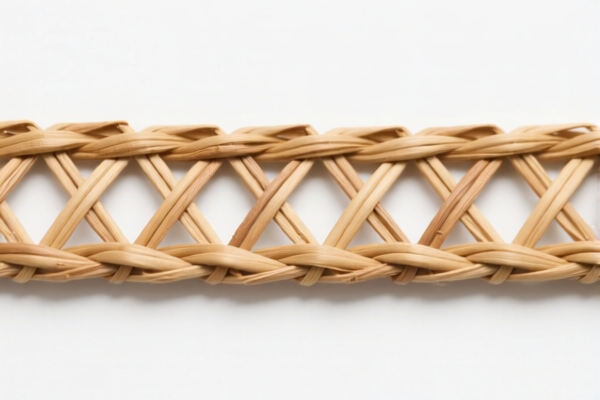
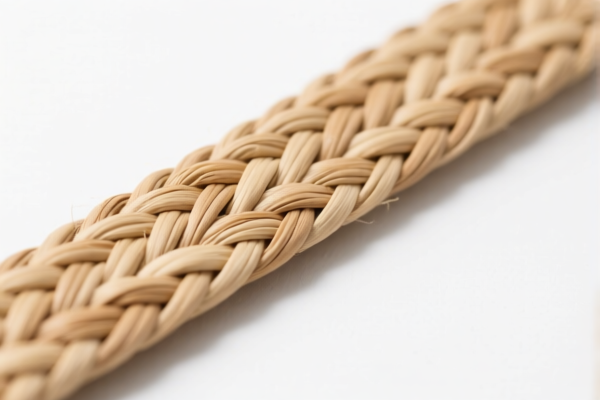
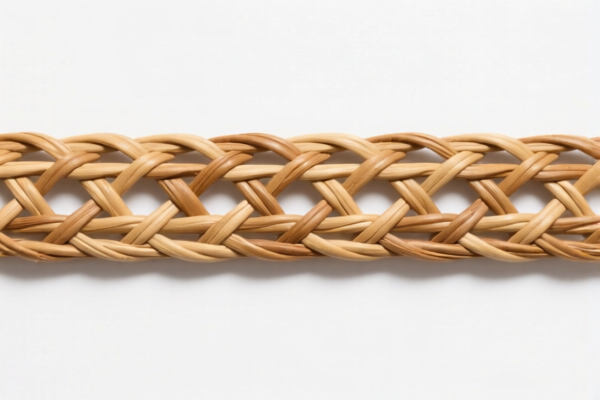
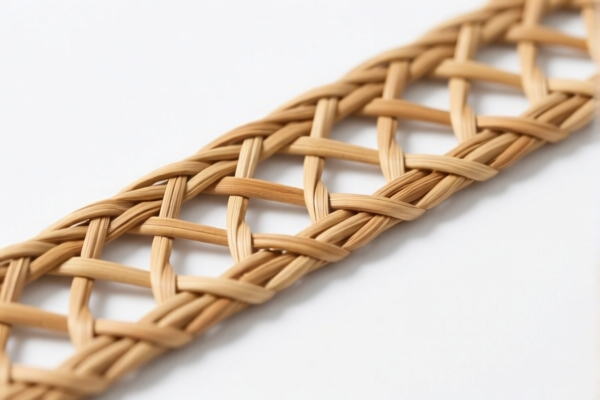
AI Analysis
🪑 Rattan Plaits for Furniture (藤编家具材料)
🌐 HS Code Reference & Customs Clearance Guide | 2026 Latest Tariff Analysis | Professional Strategy
📌 I. Product Definition & Classification: What Exactly Are "Rattan Plaits"?
In international trade, the classification of rattan products depends strictly on their state of processing and final function. "Rattan Plaits" can refer to different stages: 1. Finished Furniture: Ready-to-use chairs, tables, or sofas made of rattan. 2. Semi-finished/Accessories: Rattan handles, knobs, or small woven components used in furniture assembly. 3. Raw/Component Material: Strips, plaiting strands, or small parts used as raw material for weaving.
⚠️ Critical Distinction:
- If the item is a complete piece of furniture → Goes to Chapter 94.
- If it is a handle or small accessory → It may go to Chapter 94 (Furniture Parts) OR Chapter 46 (Wickerwork) depending on material and specificity.
- Do NOT assume all rattan items are the same. Misclassification leads to massive tax discrepancies (e.g., 17.5% vs. 41.6%).
📦 II. HS Code Classification Details (2026 Latest Tariff Authority Comparison)
Based on the provided data, here are the four possible classifications for "Rattan Plaits for Furniture":
| HS Code | Product Description | Application Scenario | Key Feature |
|---|---|---|---|
9403.83.00.30 |
Rattan Furniture | Finished chairs, tables, cabinets made of rattan. | Form: Furniture. Material: Rattan. |
9403.83.00.15 |
Rattan Furniture (Other) | Finished furniture where the specific use is unclear, falling under "Other furniture". | Form: Furniture. Use: Unspecified/General. |
9401.99.25.80 |
Rattan Woven Furniture Handle | Handles, knobs, or small woven parts specifically for furniture. | Form: Furniture Accessory/Handle. Material: Woven Rattan. |
4602.12.45.00 |
Rattan Furniture Handle (Spare Part) | Small rattan parts classified as "Spare Parts/Accessories" under Wickerwork chapter. | Form: Spare Part. Material: Rattan. Note: Higher base tariff! |
9401.99.25.40 |
Rattan Woven Chair Seat Parts | Small woven components specifically for seats/chairs. | Form: Chair Part. Material: Woven Rattan. |
🔍 Key Reminder:
- Chapter 94 (Furniture) generally has 0% Basic Tariff but attracts heavy Additional Tariffs.
- Chapter 46 (Wickerwork) has a 6.6% Basic Tariff + Additional Tariffs, leading to a higher total rate (41.6%).
- The Form Matters: If it's a "Handle," customs might look at whether it's a "Furniture Part" (Ch. 94) or a "Wickerwork Product" (Ch. 46).
💰 III. 2026 Latest Tariff Rate Breakdown (Including Surcharges & Policy Add-ons)
✅ Applicable Country: USA (US)
✅ Origin: China (CN)
✅ Effective Date: From Nov 10, 2025 onwards
🎯 1. 9403.83.00.30 & 9403.83.00.15 —— Rattan Furniture (Finished Goods)
These two codes cover finished rattan furniture. The tariff structure is identical.
| Item | Content |
|---|---|
| Basic Tariff | 0% (ad valorem) |
| USITC Surcharge (Section 301) | +25% |
| IEEPA Surcharge | +10% |
| Total Tariff Rate | 35.0% |
| Tax Calculation | CIF Value × 35% |
| De Minimis Exemption | ❌ Not Eligible (deny_de_minimis) |
| Legal Basis Path | IEEPA:9903.01.25 → IEEPA:9903.01.24 → USITC:9403.83.00.30 → FOOTNOTE:9903.88.01 |
📌 Explanation:
- 0% Basic Tariff: Furniture from China enjoys zero basic duty under normal MFN rates.
- +25% Section 301: Standard trade war tariff on furniture.
- +10% IEEPA: Additional tariff targeting Chinese imports under International Emergency Economic Powers Act.
- Total 35%: This is the standard rate for finished rattan furniture.
🎯 2. 9401.99.25.80 & 9401.99.25.40 —— Rattan Woven Handles/Parts (Furniture Accessories)
These codes cover specific parts (handles, seat parts) of furniture.
| Item | Content |
|---|---|
| Basic Tariff | 0% (ad valorem) |
| USITC Surcharge | +7.5% |
| IEEPA Surcharge | +10% |
| Total Tariff Rate | 17.5% |
| Tax Calculation | CIF Value × 17.5% |
| De Minimis Exemption | ❌ Not Eligible (deny_de_minimis) |
| Legal Basis Path | IEEPA:9903.01.25 → IEEPA:9903.01.24 → USITC:9401.99.25.xx → FOOTNOTE:9903.88.01 |
📌 Crucial Insight:
- Why is it lower? Parts of furniture (9401.99) often attract a lower Section 301 surcharge (7.5%) compared to complete furniture (25%).
- Savings: 17.5% vs 35% = 50% tax reduction on the tariff portion!
- Condition: Must be clearly identifiable as a part/attachment (e.g., a handle, a drawer front, a seat weave) and not a complete usable unit.
🎯 3. 4602.12.45.00 —— Rattan Handle (Wickerwork/Parts)
This is the highest risk code because it falls under Chapter 46 (Wickerwork), not Chapter 94.
| Item | Content |
|---|---|
| Basic Tariff | 6.6% |
| USITC Surcharge | +25% |
| IEEPA Surcharge | +10% |
| Total Tariff Rate | 41.6% |
| Tax Calculation | CIF Value × 41.6% |
| De Minimis Exemption | ❌ Not Eligible (deny_de_minimis) |
| Legal Basis Path | IEEPA:9903.01.25 → IEEPA:9903.01.24 → USITC:4602.12.45.00 → FOOTNOTE:9903.88.01 |
📌 Warning:
- If customs reclassifies a "Rattan Handle" as a Wickerwork Product instead of a Furniture Part, the tax jumps from 17.5% to 41.6%.
- This happens if the item is not clearly defined as a "part of furniture" or if it lacks specific furniture context.
🛠️ IV. Customs Clearance Practical Advice (Pitfall Avoidance Guide)
✅ 1. Documentation Checklist (Mandatory)
| Document | Required? | Purpose |
|---|---|---|
| ✅ Product Photos | ✔️ | To prove if it's a finished piece (Furniture) or a small handle/part (Accessory). |
| ✅ BOM (Bill of Materials) | ✔️ | To show composition and confirm it's rattan. |
| ✅ Usage Statement | ✔️ | Explicitly state: "This is a handle/part for rattan furniture, not a complete furniture item." |
| ✅ Commercial Invoice | ✔️ | Clear description: "Rattan Woven Furniture Handle" vs "Rattan Chair". |
| ✅ Packing List | ✔️ | Separate finished furniture from small parts if shipped together. |
✅ 2. Declaration Strategy (Key Tips)
🔥 "Be Specific: Parts vs. Products!"
| Scenario | Correct HS Code | Incorrect HS Code | Consequence |
|---|---|---|---|
| Sold as a complete chair | 9403.83.00.30 (35%) |
9401.99.25.80 (17.5%) |
Audit Risk: Customs will classify as furniture → Pay 35%. |
| Sold as a handle/knob | 9401.99.25.80 (17.5%) |
4602.12.45.00 (41.6%) |
Audit Risk: Misclassified as wickerwork → Pay 41.6%. |
| Sold as raw rattan strips | Not in data | 4602.12.45.00 (41.6%) |
Risk: Raw materials may have different codes; avoid if possible. |
📌 Pro Tip:
- If you are exporting small rattan handles, ensure the invoice says "Furniture Part" or "Furniture Handle", NOT "Wickerwork Product".
- Provide photos showing the item is too small to be a furniture and clearly has a mounting point (hole, screw thread).
✅ 3. Special Cases & Exceptions
| Situation | Handling Advice |
|---|---|
| Mixed Shipment | If shipping both chairs and handles together, declare separately. Do not mix into one line item. |
| OEM Parts | If producing handles for a brand, provide a letter of authorization or spec sheet proving it's a furniture part. |
| Kit Assemblies | If rattan plaiting is sold as a "DIY Kit" to assemble furniture, it may still be classified as Furniture (35%) depending on completeness. |
🌍 V. Global Market Comparison (2026)
| Country/Region | Recommended HS Code | Tariff (China Origin) | Certification | Notes |
|---|---|---|---|---|
| 🇺🇸 USA | 9403.83.00.30 (Furniture) |
35% | FSC (if wood/rattan) | High tariff. Consider parts code (9401) if eligible. |
| 🇺🇸 USA | 9401.99.25.80 (Part) |
17.5% | FSC | Best for accessories. |
| 🇨🇳 China | 9403.83.00.30 |
5% | N/A | Low import tariff. |
| 🇪🇺 EU | 9403.83.00 |
0% (if eco-certified) | CE/FSC | No Section 301. Lower risk. |
📌 Conclusion for USA:
- Finished Furniture: 35% Tax.
- Furniture Parts/Handles: 17.5% Tax.
- Wickerwork Parts: 41.6% Tax.
Strategy: Always aim for Chapter 94 Part classification if the item is a small component.
📌 VI. Common Mistakes & Pitfalls (Lessons Learned)
❌ Mistake 1: Declaring "Rattan Handle" as 4602.12.45.00
👉 Result: Pay 41.6% tax.
👉 Fix: Declare as Furniture Part (9401.99.25.80) if it's clearly for furniture.
❌ Mistake 2: Declaring a complete "Rattan Chair" as a "Part"
👉 Result: Customs rejects, reclassifies to 9403.83.00.30, charges 35%, adds penalties.
👉 Fix: Be honest. If it's a chair, declare as furniture.
❌ Mistake 3: Using "Wickerwork" as the generic description
👉 Result: Customs may lean toward Chapter 46 (41.6%).
👉 Fix: Use specific terms: "Rattan Furniture Handle", "Rattan Chair Seat Part".
🎯 VII. Conclusion: Smart Classification, Lower Costs
🎯 Remember the Rule:
🔹 "Finished Furniture = 35%"
🔹 "Furniture Part/Handle = 17.5%"
🔹 "Wickerwork Product = 41.6%"
📌 Action Plan:
1. Analyze Product: Is it a complete item or a part?
2. Photograph: Document mounting points, size, and function.
3. Describe Precisely: Use "Furniture Part" or "Handle" in the description.
4. Avoid Chapter 46: Unless it's purely decorative wickerwork not attached to furniture.
📣 Immediate Action:
📞 Consult a customs broker to confirm if your specific "Rattan Plait" qualifies as a Furniture Part under
9401.99.
📄 Update your commercial invoice descriptions to reflect Parts/Accessories, not generic "Wickerwork".
✨ Professional Clearance Starts with Accurate Classification!
💼 Save 17.5% by Choosing the Right HS Code!
Customer Reviews
About HS Code Classification
The Harmonized System (HS) is an internationally standardized nomenclature developed by the World Customs Organization (WCO) to classify traded products. Over 200 countries use the HS system as the basis for customs tariffs, trade statistics, and import/export regulations.
Each HS code follows a hierarchical structure:
- Chapter (2 digits) — Broad category of goods (e.g., Chapter 84: Machinery and Mechanical Appliances)
- Heading (4 digits) — More specific grouping within the chapter
- Subheading (6 digits) — Internationally standardized breakdown, used by all WCO member countries
- National subdivisions (8-10 digits) — Country-specific extensions for further classification, such as US HTSUS 10-digit codes
Correct HS code classification is essential for smooth customs clearance, accurate duty payment, and compliance with trade regulations. Misclassification can lead to customs delays, overpayment of duties, or penalties.
When importing from CN to US, the applicable tariff rates may include:
- Most-Favored-Nation (MFN) rate — The standard duty rate applied to WTO members
- General rate — Applied to countries without trade agreements
- Trade remedy duties — Additional tariffs such as Section 301 (anti-dumping), Section 232 (national security), or countervailing duties
The information provided on this page is for reference purposes only. For official classification, please consult with your local customs authority or a licensed customs broker.