Rattan Screen
CN → US| HS Code | Tariff Rate | Origin | Destination | Doc |
|---|---|---|---|---|
| 9403830015 | 35.0% | CN | US | Official Doc |
| 9403830001 | 35.0% | CN | US | Official Doc |
| 4602123500 | 35.0% | CN | US | Official Doc |
| 4602124500 | 41.6% | CN | US | Official Doc |
| 4421914000 | 22.6% | CN | US | Official Doc |
| 4421919880 | 38.3% | CN | US | Official Doc |
Product Images
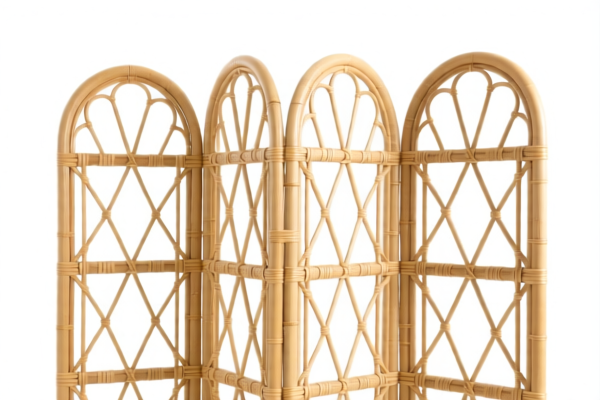
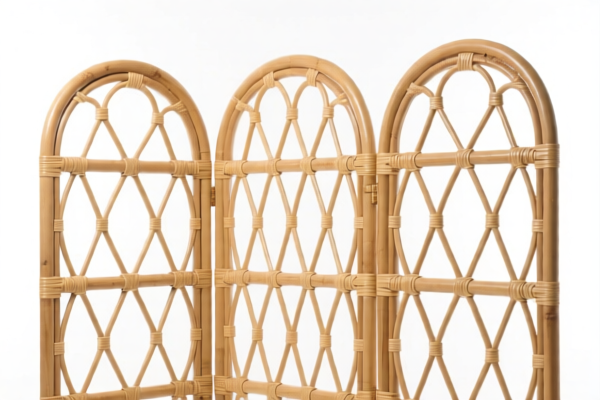
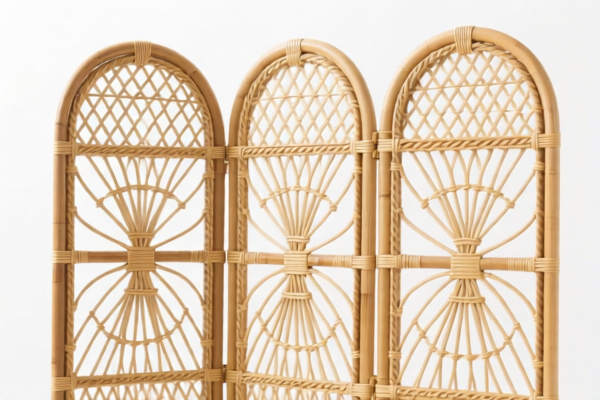
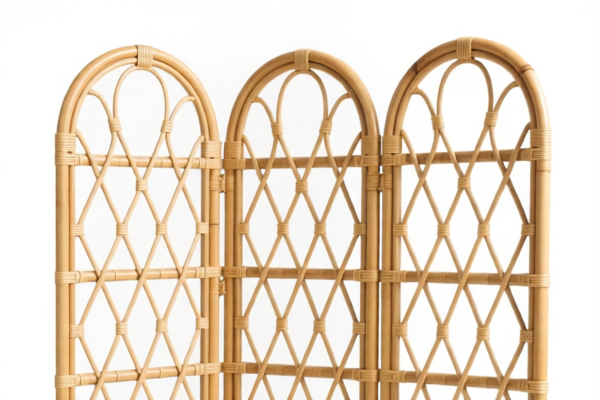
AI Analysis
🧺 Rattan Screen (Wickerwork & Bamboo Furniture Items)
🌐 HS Code Reference & Customs Clearance Guide | 2026 Latest Tariff Analysis | Professional Clearance Strategy
📌 I. Product Definition & Classification: Are You Classifying "Rattan Screen" Correctly?
"Rattan Screen" is a broad term in international trade. In customs classification, it is strictly divided based on function (is it a decorative screen or furniture?) and material composition (pure rattan weave vs. bamboo/wood structure). Misclassification leads to severe duty penalties.
⚠️ Key Distinction:
- If it is a decorative folding screen made directly from plaited materials →归入 Chapter 46 (Basketwork).
- If it is a structural furniture item (e.g., part of a crib or household unit) → 归入 Chapter 94 (Furniture).
- If it is made primarily of Bamboo rather than pure Rattan → 归入 Chapter 44 (Wood Articles).
📦 II. HS Code Classification Details (2026 Latest Tariff Authority Comparison)
Based on the provided data, here is the precise mapping for "Rattan Screen" variations:
| HS Code | Product Description | Material/Structure | Tax Rate (China Origin → US) |
|---|---|---|---|
| 4602.12.35.00 | Basketwork, wickerwork... Of rattan: Other: Wickerwork | Pure rattan weaving, direct shape from plaiting materials. Often includes decorative screens or panels. | 25.0% |
| 4602.12.45.00 | Basketwork, wickerwork... Of rattan: Other: Other | Rattan articles not specified as "wickerwork" or other specific sub-categories. | 31.6% |
| 4421.91.40.00 | Other articles of wood... Of bamboo: Wood blinds, shutters, screens and shades... Other | Bamboo blinds/shutters/screens. Note: Chapter 44 applies if the primary material is bamboo, not rattan. | 0.0% |
| 4421.91.98.80 | Other articles of wood... Of bamboo: Other: Other | Other bamboo articles (not blinds/shutters/screens). | 28.3% |
| 9403.83.00.15 | Other furniture... Of rattan: Other household | Rattan household furniture (e.g., rattan screen panels integrated into furniture units). | 25.0% |
| 9403.83.00.01 | Other furniture... Of rattan: Cribs | Rattan Cribs (Specific furniture type). | 25.0% |
🔍 Critical Note:
- 4602.12.35.00 is the most common code for standalone rattan wicker screens/panels.
- 4421.91.40.00 offers 0% duty but is strictly for Bamboo blinds/shutters/screens. If your "screen" is made of bamboo, this is the optimal code.
- 9403.83.00 applies only if the item is legally considered "Furniture" (e.g., a permanent fixture or part of a furniture set), not a standalone decorative item.
💰 III. 2026 Latest Tariff Rate Breakdown (Including Additional Taxes)
✅ Applicable Country: United States (US)
✅ Origin: China (CN)
✅ Effective Time: 2025/2026 (Current Trade War Conditions)
🎯 1. 4602.12.35.00 —— Rattan Wickerwork (e.g., Decorative Screens)
| Item | Content |
|---|---|
| Base Tariff | 0.0% (Most Favored Nation Rate) |
| Section 301 Additional Tariff | +25.0% |
| Total Effective Rate | 25.0% |
| Tax Calculation | CIF Value × 25% |
| De Minimis Exemption | ❌ Not Eligible (Section 301 goods generally exclude de minimis relief for large volumes) |
| Legal Basis | USITC Heading 4602 + US Trade Representative (USTR) Exclusion List Notes |
📌 Explanation:
- "Base Tariff 0%" means the standard MFN duty is free, but the Section 301 tariff adds a flat 25% on Chinese-origin rattan wicker goods.
- This is a high-cost category. Ensure your supplier declares the correct "wickerwork" status.
🎯 2. 4602.12.45.00 —— Other Rattan Articles
| Item | Content |
|---|---|
| Base Tariff | 6.6% |
| Section 301 Additional Tariff | +25.0% |
| Total Effective Rate | 31.6% |
| Tax Calculation | CIF Value × 31.6% |
| De Minimis Exemption | ❌ Not Eligible |
📌 Note:
- If the screen is not classified as "wickerwork" (35.00) but falls under "other" (45.00), the base duty is higher (6.6%), pushing the total to 31.6%. Always aim for 4602.12.35.00 if applicable.
🎯 3. 4421.91.40.00 —— Bamboo Blinds, Shutters, Screens & Shades
| Item | Content |
|---|---|
| Base Tariff | 0.0% |
| Section 301 Additional Tariff | 0.0% |
| Total Effective Rate | 0.0% |
| Tax Calculation | $0 |
| De Minimis Exemption | ✅ Eligible (For low-value shipments) |
📌 Strategic Insight:
- If your product is made of Bamboo (not rattan) and is structured as a blind, shutter, or shade, you can achieve 0% Duty.
- Crucial: You must provide proof (material certificate) that the material is Bamboo, not Rattan. Mislabeling Bamboo as Rattan to get 0% duty is fraud.
🎯 4. 9403.83.00.15 & 9403.83.00.01 —— Rattan Furniture
| Item | Content |
|---|---|
| Base Tariff | 0.0% |
| Section 301 Additional Tariff | +25.0% |
| Total Effective Rate | 25.0% |
| Applicability | Rattan Household Furniture (Cribs, etc.) |
📌 Note:
- Furniture items also face the 25% Section 301 tariff. There is no base duty benefit for rattan furniture from China.
🛠️ IV. Customs Clearance Practical Advice (Battle-Tested Pitfall Guide)
✅ 1. Material Declaration Checklist (Non-negotiable)
| Document | Required? | Explanation |
|---|---|---|
| ✅ Material Certificate | ✔️ | Must specify "Rattan" vs. "Bamboo" vs. "Wood". If "Bamboo," declare for 0% duty (4421.91.40.00). |
| ✅ Product Photos | ✔️ | Show the weaving style. "Wickerwork" implies plaiting to shape. |
| ✅ Commercial Invoice | ✔️ | Must not say "Screen" only. Use precise terms: "Rattan Wicker Decorative Panel" or "Bamboo Wood Blind." |
| ✅ HS Code Pre-Ruling | ✔️ | Recommended for large shipments to confirm 4602.12.35.00 vs 4421.91.40.00. |
✅ 2. Declaration Strategy (Key Mnemonic)
🔥 "Bamboo gets 0%, Rattan gets 25%, Wicker is key for 4602!"
| Scenario | Correct Declaration | Risk of Wrong Code |
|---|---|---|
| Bamboo Foldable Screen | 4421.91.40.00 (Bamboo Blinds/Screens) |
0% Duty |
| Rattan Decorative Weave | 4602.12.35.00 (Rattan Wickerwork) |
25% Duty |
| Rattan Crib Panel | 9403.83.00.01 (Rattan Cribs) |
25% Duty |
| Mixed Bamboo/Rattan | Declare Highest Duty Material or Split Shipments | Potential 31.6% if misclassified as "Other Rattan" |
⚠️ Warning:
- Do not classify a Bamboo screen as Rattan. If Customs finds it’s Bamboo, they may penalize you for inaccurate declaration, but you could have saved 25%.
- Do not classify a Rattan screen as Bamboo. You will face penalties for fraud and owe back duties (31.6% vs 0%).
✅ 3. Special Cases & Handling
| Case | Handling Advice |
|---|---|
| Hybrid Material (Rattan + Wood Frame) | Often classified under 9403 (Furniture) if the frame defines the structure. Tax: 25%. |
| Knitted/Rattan Screen (Not Plaited) | May fall under textile chapters (6307/6308) if considered fabric. Check with broker. |
| Importing as "Gift" (< $800) | De Minimis Risk: Section 301 tariffs often block de minimis for Chinese goods. $0 entry may still trigger 25% tax. |
| OEM Custom Screens | Provide design specs. If custom bamboo shades, argue for 4421.91.40.00. |
🌍 V. Global Market Comparison (2026 Overview)
| Country/Region | Recommended HS Code (Rattan) | Tariff (China Origin) | Notes |
|---|---|---|---|
| 🇺🇸 USA | 4602.12.35.00 |
25.0% | Section 301 applies. High cost. |
| 🇪🇺 EU | 4602.11.00 / 4602.12.00 |
4.0% - 6.0% | No Section 301. Lower cost. |
| 🇨🇳 China | 4602.12.35.00 |
0% (Import Duty) | No export tax, but check local regulations. |
| 🇬🇧 UK | 4602.12.00 |
4.0% - 6.0% | Post-Brexit tariff schedules apply. |
📌 Conclusion:
- USA is the most expensive market for Rattan screens due to the 25% Section 301 tariff.
- Consider supply chain diversification (e.g., sourcing from Vietnam or Indonesia) for US exports to avoid the 25% surcharge.
- If the product is Bamboo, emphasize "Bamboo" in documentation to leverage the 0% duty under4421.91.40.00in the US.
📌 VI. Common Errors & Pitfalls (Blood Lessons)
❌ Error 1: Calling a Bamboo Screen a "Rattan Screen" to match a buyer's request.
👉 Consequence: If Customs inspects and finds Bamboo, they may fine you for misdeclaration. Conversely, if you want the 0% rate but it’s Rattan, you evade duty illegally.
❌ Error 2: Classifying a rigid Rattan Panel as "Furniture" (9403) when it’s just a decorative screen (4602).
👉 Consequence: Both are 25%, but 9403 requires different certification and inspection protocols. Stick to 4602 for standalone screens.
❌ Error 3: Ignoring the "Wickerwork" distinction in 4602.12.
👉 Consequence: If not declared as "Wickerwork" (35.00) but as "Other" (45.00), you pay 31.6% instead of 25%. Always specify "Wickerwork" if applicable.
❌ Error 4: Assuming De Minimis ($800) applies to Section 301 goods.
👉 Consequence: CBP often collects Section 301 duties on de minimis shipments from China. Do not rely on $800 exemption for Rattan/Bamboo screens.
✅ Correct Action:
"Bamboo Wood Blinds, Model X, 100% Bamboo Material, Made in China, HS 4421.91.40.00"
OR
"Rattan Wicker Decorative Screen, Plaited to Shape, HS 4602.12.35.00"
🎯 VII. Conclusion: Precision Classification Saves Money!
🎯 Remember the Mnemonic:
🔹 "Bamboo Shades = 0%, Rattan Wicker = 25%, Furniture = 25%."
🔹 "Don't guess the material; certify it. A wrong code costs 25% of your value."
📌 Pro Tip:
If you are importing large volumes into the US, apply for an Exclusion from Section 301 tariffs if available (though rare for rattan). Alternatively, consider transshipment through a third country (like Vietnam) if the value add meets the rules of origin.
📣 Immediate Action:
📞 Contact a Customs Broker to review your product's material composition.
📄 Get a Material Certificate for Bamboo vs. Rattan.
🚀 Classify Accurately to avoid 25% unnecessary taxes!
✨ Professional Clearance Starts with Precise Classification!
💼 Your Profit Margin Depends on This 25% Difference!
Customer Reviews
About HS Code Classification
The Harmonized System (HS) is an internationally standardized nomenclature developed by the World Customs Organization (WCO) to classify traded products. Over 200 countries use the HS system as the basis for customs tariffs, trade statistics, and import/export regulations.
Each HS code follows a hierarchical structure:
- Chapter (2 digits) — Broad category of goods (e.g., Chapter 84: Machinery and Mechanical Appliances)
- Heading (4 digits) — More specific grouping within the chapter
- Subheading (6 digits) — Internationally standardized breakdown, used by all WCO member countries
- National subdivisions (8-10 digits) — Country-specific extensions for further classification, such as US HTSUS 10-digit codes
Correct HS code classification is essential for smooth customs clearance, accurate duty payment, and compliance with trade regulations. Misclassification can lead to customs delays, overpayment of duties, or penalties.
When importing from CN to US, the applicable tariff rates may include:
- Most-Favored-Nation (MFN) rate — The standard duty rate applied to WTO members
- General rate — Applied to countries without trade agreements
- Trade remedy duties — Additional tariffs such as Section 301 (anti-dumping), Section 232 (national security), or countervailing duties
The information provided on this page is for reference purposes only. For official classification, please consult with your local customs authority or a licensed customs broker.