Rattan Tableware Bag
CN → US| HS Code | Tariff Rate | Origin | Destination | Doc |
|---|---|---|---|---|
| 4202999000 | 55.0% | CN | US | Official Doc |
| 4202993000 | 35.0% | CN | US | Official Doc |
| 4602122500 | 53.0% | CN | US | Official Doc |
| 4602121600 | 40.0% | CN | US | Official Doc |
| 4419909100 | 20.7% | CN | US | Official Doc |
| 4419901100 | 15.3% | CN | US | Official Doc |
Product Images
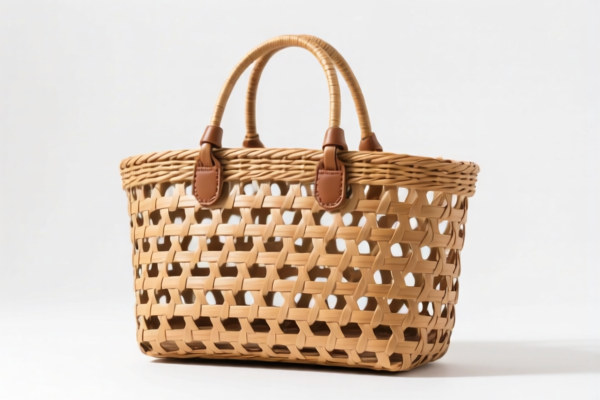
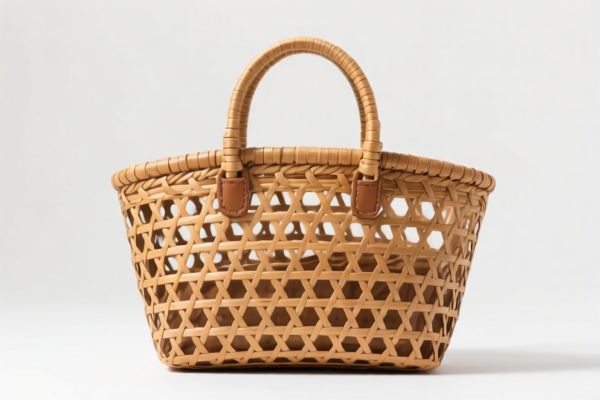
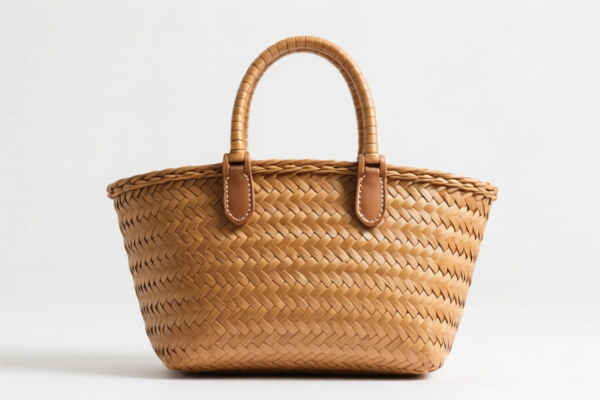
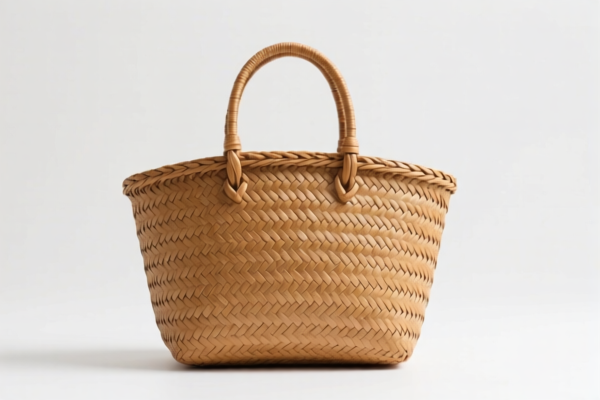
AI Analysis
🏺 Rattan Tableware Bag (Tableware and Kitchenware, of Wood & Basketwork Articles)
🌐 HS Code Reference & Customs Clearance Guide | 2026 Latest Tariff Full Analysis | Professional Clearance Strategy
📌 I. Product Definition and Classification: Do You Really Understand "Rattan Tableware Bags"?
A "Rattan Tableware Bag" is a hybrid product that sits at the intersection of wooden tableware and wickerwork/basketwork. In international trade, classification depends heavily on the primary material, function, and composition.
Key distinctions involve: 1. Wooden Tableware: If the bag contains wooden forks/spoons, is it primarily a container (basketwork) or a set of tableware? 2. Material Composition: Is it made of rattan (plant material), wood, or lined with textile/plastic? 3. Form: Is it woven directly to shape (Heading 4602) or is it a separate container (Heading 4202/4419)?
⚠️ Critical Distinction Point: - If the item is primarily a container made of rattan/plaiting materials, even if holding tableware, it may fall under Heading 4602 (Basketwork). - If the item is primarily tableware (wooden) packaged in a simple bag, it might fall under Heading 4419 (Tableware of wood) or Heading 4202 (Traveling bags/containers). - Line Material Matters: Lining with textile vs. wood affects sub-classification under 4202.
📦 II. HS Code Classification Details (2026 Latest Tariff Authority Comparison)
Based on the provided data, here are the relevant HS Codes for products related to "Rattan Tableware Bags" and associated wooden tableware:
| HS Code | Product Description | Applicable Scenario | Material/Structure |
|---|---|---|---|
4602.12.25.00 |
Basketwork, wickerwork... Of rattan: Luggage, handbags... Other | Rattan bags/cases used for storage or carrying, not specifically defined as tableware sets | 🌿 Rattan (Plant material) |
4602.12.16.00 |
Basketwork... Of rattan: Other baskets and bags... Other | General rattan baskets/bags holding items | 🌿 Rattan (Plant material) |
4419.90.11.00 |
Tableware of wood: Forks and spoons | Wooden cutlery sets (forks/spoons) | 🪵 Wood |
4419.90.91.00 |
Tableware of wood: Other | Other wooden tableware (e.g., bowls, plates, chopsticks) | 🪵 Wood |
4202.99.30.00 |
Traveling bags, containers... Of wood: Lined with textile fabrics | Wood-based containers lined with fabric (e.g., luxury wooden tableware cases) | 🪵 Wood + Textile |
4202.99.90.00 |
Trunks, suitcases, containers... Other | Generic containers not specified above (e.g., mixed materials) | 📦 Mixed/Other |
🔍 Key Reminder: - If the "bag" is made of rattan weaving, it belongs to Heading 4602. - If the "bag" is actually a wooden box lined with cloth, it belongs to Heading 4202 (Subheading 4202.99.30). - If the item is purely wooden cutlery (forks/spoons) without a complex container, it belongs to Heading 4419.
💰 III. 2026 Latest Tariff Rate Details (Including Additional Taxes & Policy Surcharges)
✅ Applicable Country: United States (US)
✅ Country of Origin: China (CN)
✅ Effective Date: 2025/2026 Current Rates
🎯 1. 4602.12.25.00 —— Rattan Bags/Containers (Luggage, Handbags, etc.)
| Item | Detail |
|---|---|
| Base Tariff | 0.0% (ad valorem) |
| Additional Tax (Section 301/IEEPA) | 0.0% |
| Total Tariff | 0.0% |
| Tax Calculation | CIF Value × 0% = $0 |
| De Minimis Eligibility | ✅ Yes (Subject to current de minimis limits) |
| Legal Basis Path | USITC:4602.12.25.00 |
📌 Explanation: - Rattan basketwork and similar articles often enjoy low or zero base tariffs. - Crucially, this specific subheading (
4602.12.25.00) is exempt from additional punitive tariffs (0% add-on). This makes it a highly cost-effective category for rattan goods.
🎯 2. 4602.12.16.00 —— Other Rattan Baskets/Bags
| Item | Detail |
|---|---|
| Base Tariff | 5.0% (ad valorem) |
| Additional Tax (Section 301/IEEPA) | 25.0% |
| Total Tariff | 30.0% |
| Tax Calculation | CIF Value × 30% |
| De Minimis Eligibility | ❌ No (Deny de minimis for goods subject to Section 301) |
| Legal Basis Path | USITC:4602.12.16.00 → FOOTNOTE:9903.88.01 |
📌 Explanation: - While rattan is a natural material, "Other baskets and bags" in this category are subject to the full 30% tariff (5% base + 25% additional). - This highlights the importance of precise description: "Luggage/Handbags" (
25) vs. "Other Baskets" (16) have vastly different tax treatments.
🎯 3. 4419.90.11.00 —— Wooden Forks and Spoons
| Item | Detail |
|---|---|
| Base Tariff | 5.3% (ad valorem) |
| Additional Tax (Section 301/IEEPA) | 0.0% |
| Total Tariff | 5.3% |
| Tax Calculation | CIF Value × 5.3% |
| De Minimis Eligibility | ❌ No (Subject to Section 301 exemptions checks, but currently 0% add-on) |
| Legal Basis Path | USITC:4419.90.11.00 |
📌 Explanation: - Wooden cutlery (forks/spoons) has a low base tariff and no additional punitive tax. - This is a very competitive tariff rate for wooden tableware items.
🎯 4. 4419.90.91.00 —— Other Wooden Tableware
| Item | Detail |
|---|---|
| Base Tariff | 3.2% (ad valorem) |
| Additional Tax (Section 301/IEEPA) | 7.5% |
| Total Tariff | 10.7% |
| Tax Calculation | CIF Value × 10.7% |
| De Minimis Eligibility | ❌ No |
| Legal Basis Path | USITC:4419.90.91.00 |
📌 Explanation: - "Other" wooden tableware (e.g., bowls, plates, sets) incurs a moderate total tariff of 10.7%. - Significantly lower than the 30% for rattan baskets, but higher than cutlery.
🎯 5. 4202.99.30.00 —— Wood Containers Lined with Textile
| Item | Detail |
|---|---|
| Base Tariff | 0.0% (ad valorem) |
| Additional Tax (Section 301/IEEPA) | 0.0% |
| Total Tariff | 0.0% |
| Tax Calculation | CIF Value × 0% = $0 |
| De Minimis Eligibility | ✅ Yes |
| Legal Basis Path | USITC:4202.99.30.00 |
📌 Explanation: - If your "tableware bag" is actually a wooden box lined with fabric, it falls here. - Zero Tax! This is the most advantageous classification if the product structure matches (Wood + Textile Lining).
🎯 6. 4202.99.90.00 —— Other Containers (General)
| Item | Detail |
|---|---|
| Base Tariff | 20.0% (ad valorem) |
| Additional Tax (Section 301/IEEPA) | 25.0% |
| Total Tariff | 45.0% |
| Tax Calculation | CIF Value × 45% |
| De Minimis Eligibility | ❌ No |
| Legal Basis Path | USITC:4202.99.90.00 |
📌 Explanation: - This is the catch-all for containers not specified elsewhere. - Extremely High Tariff (45%). Avoid misclassifying rattan/wood items here unless absolutely necessary.
🛠️ IV. Customs Clearance Practical Advice (Battle-Tested Pitfall Avoidance Guide)
✅ 1. Preparation Material List (Missing Nothing is Key)
| Material | Required | Explanation |
|---|---|---|
| ✅ Product Photos | ✔️ | Clear shots showing material (rattan vs. wood) and lining (textile vs. none) |
| ✅ Composition Statement | ✔️ | Explicitly state: "100% Rattan Weave" or "Wooden Base with Cotton Lining" |
| ✅ Function Description | ✔️ | Is it a "Basket", a "Travel Bag", or "Tableware"? |
| ✅ Commercial Invoice | ✔️ | Use precise HS descriptions, not just "Bag" |
| ✅ Packing List | ✔️ | Separate items if necessary to show structure |
✅ 2. Declaration Strategy (Key Mantra)
🔥 "Material First, Structure Second, Name Specific, Tax Drops Fast!"
| Scenario | Correct Declaration | Wrong Practice |
|---|---|---|
| Rattan bag holding cutlery | 4602.12.25.00 (Rattan Bag) |
Declaring as "Tableware" → 10.7% or 30% |
| Wooden box with fabric lining | 4202.99.30.00 (Wood Container) |
Declaring as "Plastic/Textile Bag" → 45% |
| Wooden Forks & Spoons | 4419.90.11.00 (Cutlery) |
Declaring as "Other Tableware" → 10.7% |
| Generic Rattan Basket | 4602.12.16.00 (Other Basket) |
Declaring as "Luggage" → 30% vs 0% |
📌 Critical Tip: - If the rattan bag is specifically designed for luggage/handbags (even if used for tableware), try to argue for
4602.12.25.00(0% tax). - If it is a simple open basket, it falls under4602.12.16.00(30% tax). Structure and Design are key!
🌍 V. Global Market Clearance Comparison (2026 Latest)
| Country/Region | Recommended HS Code | Tariff | Certification | Notes |
|---|---|---|---|---|
| 🇺🇸 USA | 4602.12.25.00 |
0% | None | Best for Rattan Bags |
| 🇨🇳 China | 4602.12.16.00 |
5-10% | None | Varies by trade policy |
| 🇪🇺 EU | 4602.12.00 |
0-5% | CE (if plastic added) | Generally favorable for rattan |
| 🇬🇧 UK | 4602.12.00 |
0-5% | UKCA | Post-Brexit rules apply |
📌 Conclusion: - USA has the most complex tariff structure due to Section 301/IEEPA. - Classification Precision in the US can save 30-45% in duties. - Rattan (Plant material) is generally favored, but sub-heading specificity is crucial.
📌 VI. Common Mistakes & Pitfall Guide (Lessons from Tears)
❌ Mistake 1: Declaring a Rattan Bag as "Wooden Tableware" (4419)
👉 Consequence: Tax jumps from 0% (if 4602.12.25) to 10.7% (4419.90.91) or 5.3% (4419.90.11).
Wait, 10.7% is better than 30%, but if you can claim 0%, you must!
❌ Mistake 2: Declaring a "Basket" as "Luggage/Handbag" (4602.12.25)
👉 Consequence: If Customs determines it's not a "luggage/handbag" style, they may reclassify to "Other Basket" (4602.12.16) → 30% Tax.
Ensure design matches "bag/holder" aesthetics, not just a plain open basket.
❌ Mistake 3: Ignoring the Lining
👉 Consequence: A wooden box with textile lining (4202.99.30) is 0% Tax. Without mentioning the lining, it might be seen as "Other Container" (4202.99.90) → 45% Tax.
Always declare lining material!
✅ Correct Approach:
"Rattan Woven Tableware Carrier Bag, Design: Handbag Style, Unlined" →
4602.12.25.00(0%) "Wooden Cutlery Box, Exterior Wood, Interior Cotton Lining" →4202.99.30.00(0%)
🎯 VII. Conclusion: Professional Classification Saves Money!
🎯 Remember the Mantra:
🔹 "Rattan Bag Style = 0% Tax (4602.12.25)"
🔹 "Rattan Basket = 30% Tax (4602.12.16)"
🔹 "Wooden Cutlery = 5.3% Tax (4419.90.11)"
🔹 "Wood Box + Cloth = 0% Tax (4202.99.30)"
🔹 "Generic Container = 45% Tax (4202.99.90) - AVOID!"
📌 Pro Tip: - If your product is a Rattan Bag, ensure the design resembles a handbag or luggage (handles, structure) to qualify for 0% tax. - If it is a Wooden Box, ensure the textile lining is prominently declared to qualify for 0% tax. - Always use HS Code Pre-Ruling if unsure, to avoid 30-45% penalties.
📣 Act Now:
📞 Contact Customs Broker + Provide Product Diagrams + Apply for HS Code Advance Ruling
🚀 Let your Rattan Tableware Bag Pass Through Smoothly, Reduce Costs, and Boost Profits!
✨ Professional Clearance Starts with Precise Classification!
💼 Your Every Cent of Cost Deserves Exact Calculation!
Customer Reviews
About HS Code Classification
The Harmonized System (HS) is an internationally standardized nomenclature developed by the World Customs Organization (WCO) to classify traded products. Over 200 countries use the HS system as the basis for customs tariffs, trade statistics, and import/export regulations.
Each HS code follows a hierarchical structure:
- Chapter (2 digits) — Broad category of goods (e.g., Chapter 84: Machinery and Mechanical Appliances)
- Heading (4 digits) — More specific grouping within the chapter
- Subheading (6 digits) — Internationally standardized breakdown, used by all WCO member countries
- National subdivisions (8-10 digits) — Country-specific extensions for further classification, such as US HTSUS 10-digit codes
Correct HS code classification is essential for smooth customs clearance, accurate duty payment, and compliance with trade regulations. Misclassification can lead to customs delays, overpayment of duties, or penalties.
When importing from CN to US, the applicable tariff rates may include:
- Most-Favored-Nation (MFN) rate — The standard duty rate applied to WTO members
- General rate — Applied to countries without trade agreements
- Trade remedy duties — Additional tariffs such as Section 301 (anti-dumping), Section 232 (national security), or countervailing duties
The information provided on this page is for reference purposes only. For official classification, please consult with your local customs authority or a licensed customs broker.