Raw Bovine Hide (Unprocessed)
CN → US| HS Code | Tariff Rate | Origin | Destination | Doc |
|---|---|---|---|---|
| 4101201010 | 17.5% | CN | US | Official Doc |
| 4101501010 | 17.5% | CN | US | Official Doc |
| 4101201010 | 17.5% | CN | US | Official Doc |
| 4101901030 | 17.5% | CN | US | Official Doc |
| 4101201010 | 17.5% | CN | US | Official Doc |
Product Images
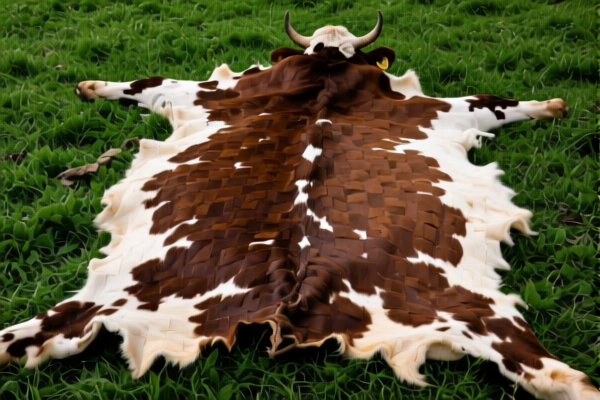
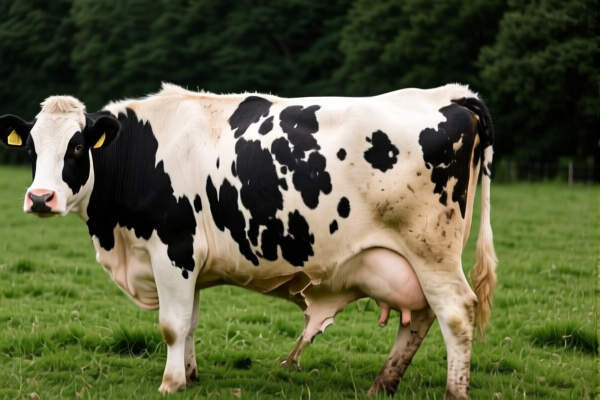
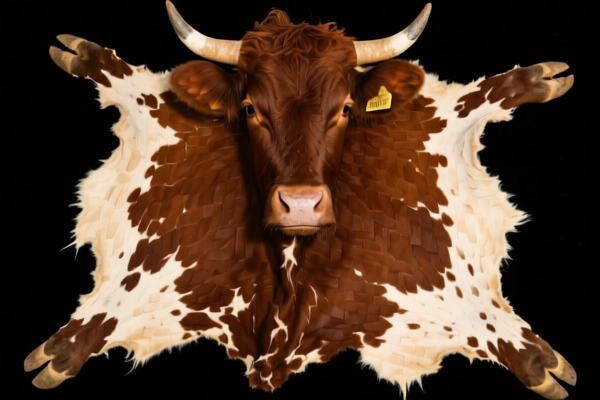
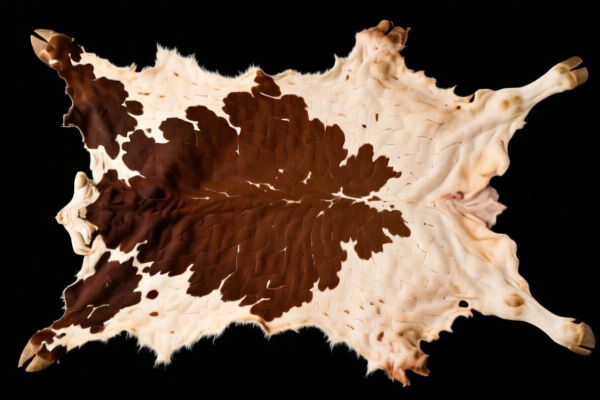
AI Analysis
🐄 Raw Bovine Hide (Unprocessed) – The Foundation of the Leather Industry
🌐 HS Code Reference & Customs Clearance Guide | 2026 Latest Tariff Analysis | Professional Level Clearance Strategy 📌 I. Product Definition & Classification: Do You Really Understand "Raw Bovine Hide"?
Raw bovine hide is the unprocessed skin of cattle, serving as the primary raw material for the global leather industry. It is not tanned, not parchment-dressed, and not further prepared. Its classification strictly depends on weight and preservation method.
In international trade, it is divided into two critical weight categories:
Category 1: Light Hides (Small/Young Cattle) * Characteristics: Whole hides, unsplit. * Weight Limits: * ≤ 8 kg when simply dried. * ≤ 10 kg when dry-salted. * ≤ 16 kg when fresh, wet-salted, or otherwise preserved. * Status: Not pretanned.
Category 2: Heavy Hides (Adult Cattle) * Characteristics: Whole hides, unsplit. * Weight Limits: > 16 kg. * Status: Not pretanned. Of Bovine animals: Cattle.
⚠️ Key Distinction Point: - If the hide is ≤16kg (depending on preservation) → Falls under 4101.20.10.10. - If the hide is >16kg → Falls under 4101.50.10.10. - Crucial: Both categories attract the same total tax rate, but misclassification can lead to delays in inspection or questioning regarding the animal's age/maturity.
📦 II. HS Code Classification Details (Latest 2026 Tariff Authority Comparison)
| HS Code | Product Description | Applicable Scenario | Weight Condition |
|---|---|---|---|
4101.20.10.10 |
Raw hides/skins of bovine/equine, unsplit, not pretanned | Light hides, young cattle, or lightly preserved hides | ≤8kg (dry) / ≤10kg (dry-salted) / ≤16kg (fresh/wet-salted) |
4101.50.10.10 |
Raw hides/skins of bovine/equine, unsplit, not pretanned | Heavy hides, adult cattle | >16kg |
🔍 Key Reminder: - Condition: Must be NOT pretanned. If any tanning process has begun, it does NOT belong here. - State: Can be fresh, salted, dried, limed, pickled, or otherwise preserved. - Form: Whole hides, unsplit. If split, classification may change.
💰 III. 2026 Latest Tariff Rate Detail (Including Additional Taxes, Policy Add-ons)
✅ Applicable Country: United States (US) ✅ Origin: China (CN) ✅ Effective Time: Current Tariff Schedule Applies
🎯 1. 4101.20.10.10 —— Light Raw Bovine Hides
| Item | Content |
|---|---|
| Base Duty Rate | 0.0% |
| Additional Duty (Section 301/Trumps Tariff) | +7.5% |
| Total Tax Rate | 7.5% |
| Tax Calculation | CIF Value × 7.5% |
| De Minimis Exemption | ❌ Not Applicable (De Minimis usually applies to low-value shipments, but agricultural/raw materials often face stricter scrutiny; however, the key here is the 7.5% is mandatory on top of 0% base). Note: While 0% base exists, the 7.5% is additive. |
| Legal Basis Path | HTSUS:4101.20.10.10 → Section 301: 7.5% |
📌 Explanation: - The base MFN (Most Favored Nation) rate for raw hides is 0%. - However, due to trade tensions, a 7.5% additional duty is applied to Chinese-origin raw bovine hides. - Total Effective Rate: 7.5%. This is relatively low compared to finished leather goods, but it is a mandatory cost of doing business.
🎯 2. 4101.50.10.10 —— Heavy Raw Bovine Hides
| Item | Content |
|---|---|
| Base Duty Rate | 0.0% |
| Additional Duty (Section 301/Trumps Tariff) | +7.5% |
| Total Tax Rate | 7.5% |
| Tax Calculation | CIF Value × 7.5% |
| De Minimis Exemption | ❌ Not Applicable |
| Legal Basis Path | HTSUS:4101.50.10.10 → Section 301: 7.5% |
📌 Note: - Similar to light hides, the base rate is 0%, but the 7.5% additional duty applies. - Whether it is a small calf hide or a massive adult steer hide, if it is raw and unsplit, the tax burden is identical (7.5%). - The difference lies only in the HS Code subheading for statistical and inspection purposes.
🛠️ IV. Customs Clearance Practical Advice (Real-World Pitfall Avoidance Guide)
✅ 1. Preparation Checklist (All Documents Required)
| Document | Must Provide | Description |
|---|---|---|
| ✅ Commercial Invoice | ✔️ | Clearly state "Raw Bovine Hide, Unsplit, Not Tanned", Weight, Country of Origin. |
| ✅ Packing List | ✔️ | Detail weight per skin vs. total weight. Crucial for proving ≤16kg or >16kg classification. |
| ✅ Veterinary Health Certificate | ✔️ | Mandatory for animal products. Must confirm freedom from Foot-and-Mouth Disease, etc. |
| ✅ Preservation Method Proof | ✔️ | Evidence of salting, drying, or freezing to show preservation status. |
| ✅ Bill of Lading/Air Waybill | ✔️ | Standard shipping documents. |
| ✅ FDA Prior Notice | ✔️ | Since these are animal products, FDA prior notice is required before arrival in the US. |
✅ 2. Declaration Tips (Key Mnemonics)
🔥 "Weight is King, Preservation is Key, No Tanning Allowed!"
| Situation | Correct Declaration | Wrong Practice |
|---|---|---|
| Fresh/Wet-Salted Hide ≤16kg | 4101.20.10.10 |
Misdeclaring as >16kg → Unnecessary inspection delay |
| Dry-Salted Hide >10kg | 4101.50.10.10 |
Misdeclaring as ≤10kg → Risk of penalty for weight fraud |
| Tanned Leather | NOT 4101 | Declaring tanned leather as raw → Severe Penalty/Smuggling |
| Split Hides | NOT 4101 | Declaring split hides as whole → Wrong HS Code, potential duty evasion |
✅ 3. Special Case Handling
| Situation | Handling Advice |
|---|---|
| Mixed Weights in Shipment | Declare each lot correctly. If mixed ≤16kg and >16kg, separate HS codes or consult customs broker for consolidation rules (usually must be separate entries or clearly detailed). |
| Salting Method Dispute | If preservation method is ambiguous, customs may inspect. Have photos of the salting process or supplier certification ready. |
| Origin Marking | Ensure skins are marked or documentation clearly proves CN origin to apply the 7.5% correctly. Avoid "transshipment" confusion. |
| Veterinary Inspections | USDA may require physical inspection at the port of entry. Ensure cold chain (if frozen) or proper salting is maintained to prevent spoilage during inspection. |
🌍 V. Global Major Market Comparison (2026 Latest)
| Country/Region | Recommended HS Code | Tariff (CN Origin) | Certification/Requirements | Remarks |
|---|---|---|---|---|
| 🇺🇸 USA | 4101.20.10.10 / 4101.50.10.10 |
7.5% Total | USDA Vet Cert, FDA Prior Notice | Base 0% + 7.5% Sec 301 |
| 🇨🇳 China | 4101.20 / 4101.50 |
0% - 10%* | Various | Import tax varies by type |
| 🇪🇺 EU | 4101.21 / 4101.29 |
0% - 4.8%* | Health Cert, EORI | GSP may apply for some origins |
| 🇮🇳 India | 4101.21 / 4101.50 |
~0% - 10% | Import License, Vet Cert | Strict animal quarantine |
| 🇹🇷 Turkey | 4101.21 / 4101.50 |
0% | Health Cert | Major leather market hub |
📌 Conclusion: - The US tariff (7.5%) is a direct cost. While low, it is a fixed margin reducer. - Documentation is the biggest hurdle, not the tariff. Veterinary health is non-negotiable. - Weight declaration accuracy is critical to avoid customs queries about "age of cattle" (which can affect quality grading).
📌 VI. Common Mistakes & Pitfall Guide (Blood & Tears Lessons)
❌ Mistake 1: Declaring Tanned Leather as Raw Hide 👉 Consequence: HS Code error, potential smuggling accusation, heavy fines, and seizure. 👉 Fix: Ensure "Not Tanned" is explicitly stated.
❌ Mistake 2: Ignoring Weight Limits 👉 Consequence: If a 17kg hide is declared as 15kg (wet-salted), customs may re-weigh and charge penalties or delay shipment for fraud investigation. 👉 Fix: Provide accurate gross/net weight per skin.
❌ Mistake 3: Missing Veterinary Certificate 👉 Consequence: Shipment rejected or destroyed at port. Animal products are strictly regulated for disease control. 👉 Fix: Obtain vet cert before shipment.
❌ Mistake 4: Confusing "Salting" Types 👉 Consequence: Misclassification of preservation method affecting HS sub-heading (though tax is same, inspection focus differs). 👉 Fix: Clearly state "Dry-Salted" or "Wet-Salted" in invoice.
✅ Correct Practice:
"Raw Bovine Hides, Whole, Unsplit, Not Tanned, Dry-Salted, Weight 8kg avg., Origin China, Vet Cert #12345"
🎯 VII. Conclusion: Precise Classification Saves Money and Time!
🎯 Remember the Mnemonic:
🔹 "Raw & Whole, 7.5% is the toll; 16kg is the border, check the weight and roll! Vet Cert is King, no tanning please, Clear customs fast, your profit will increase!"
🔹 "HS Code 4101 is for RAW ONLY; Miss the vet cert, your cargo will bow!"
📌 Pro Tip: - For large volumes, consider negotiating FOB terms with suppliers to shift inspection risks. - Always pre-clear veterinary documents with the USDA or relevant agency if possible. - Keep photographic evidence of hides at the factory (weight, preservation state) for customs audits.
📣 Immediate Action:
📞 Contact a licensed customs broker specialized in agricultural products. 📋 Prepare Vet Cert + FDA Notice BEFORE loading. 🚀 Ensure accurate weight measurement at source to match HS code perfectly.
✨ Professional Clearance Starts with Accurate Classification! 💼 Your Margin Depends on This 7.5%!
Customer Reviews
About HS Code Classification
The Harmonized System (HS) is an internationally standardized nomenclature developed by the World Customs Organization (WCO) to classify traded products. Over 200 countries use the HS system as the basis for customs tariffs, trade statistics, and import/export regulations.
Each HS code follows a hierarchical structure:
- Chapter (2 digits) — Broad category of goods (e.g., Chapter 84: Machinery and Mechanical Appliances)
- Heading (4 digits) — More specific grouping within the chapter
- Subheading (6 digits) — Internationally standardized breakdown, used by all WCO member countries
- National subdivisions (8-10 digits) — Country-specific extensions for further classification, such as US HTSUS 10-digit codes
Correct HS code classification is essential for smooth customs clearance, accurate duty payment, and compliance with trade regulations. Misclassification can lead to customs delays, overpayment of duties, or penalties.
When importing from CN to US, the applicable tariff rates may include:
- Most-Favored-Nation (MFN) rate — The standard duty rate applied to WTO members
- General rate — Applied to countries without trade agreements
- Trade remedy duties — Additional tariffs such as Section 301 (anti-dumping), Section 232 (national security), or countervailing duties
The information provided on this page is for reference purposes only. For official classification, please consult with your local customs authority or a licensed customs broker.