Raw Bovine Hide Unprocessed
CN → US| HS Code | Tariff Rate | Origin | Destination | Doc |
|---|---|---|---|---|
| 4101501020 | 17.5% | CN | US | Official Doc |
| 4101201010 | 17.5% | CN | US | Official Doc |
| 4101901020 | 17.5% | CN | US | Official Doc |
| 4205000500 | 37.9% | CN | US | Official Doc |
| 4205001000 | 35.0% | CN | US | Official Doc |
Product Images

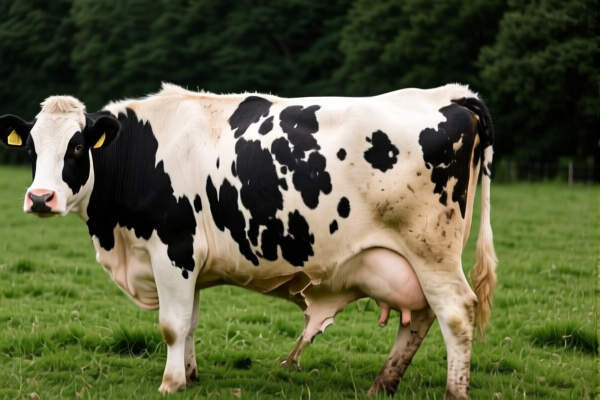
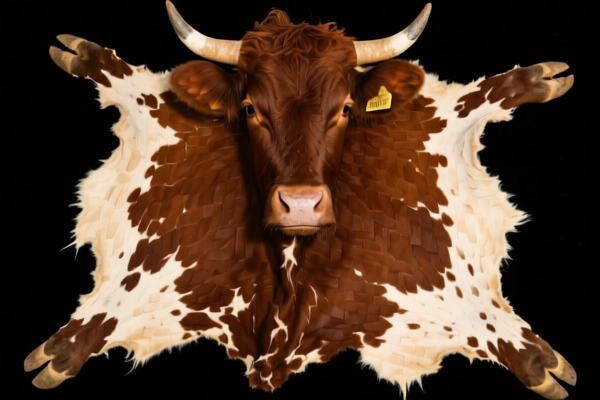
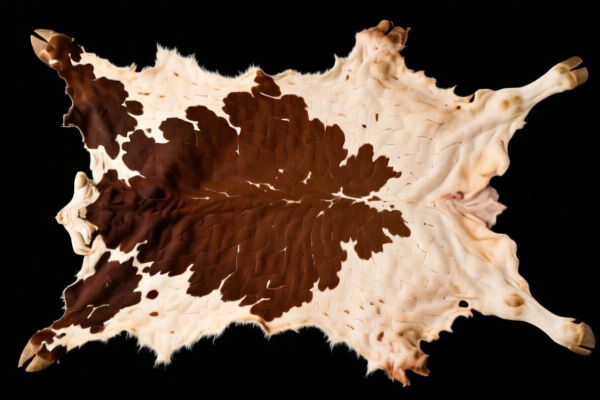
AI Analysis
🐄 Raw Bovine Hide - Unprocessed (未处理生牛皮)
🌐 HS Code Reference & Customs Clearance Guide | 2026 Latest Tariff Analysis | Professional Clearance Strategy
📌 I. Product Definition & Classification: What Exactly is "Raw Unprocessed Bovine Hide"?
Raw Bovine Hide (Unprocessed) refers to the skin of cattle that has been removed from the animal but has not yet undergone any preservation treatment such as salting, drying, curing, or tanning. In international trade, these are raw materials used primarily in the leather industry.
Key Characteristics: * Material: Bovine skin (Cow/Cattle). * State: Un-tanned, Un-preserved (fresh or wet-salted), or Dried. * Form: Whole hides or split sections, meeting the standard definition of raw skins.
⚠️ Critical Distinction:
- If the hide is salted, pickled, or dried for preservation, it generally falls under 4101.20 or 4101.50.
- If it is tanned or crusted (processed), it falls under Chapter 41 (e.g., 4104/4105) or Chapter 42 (leather articles).
- Raw hides must be declared as Chapter 41 (Animal Skins and Leather).
📦 II. HS Code Classification Details (2026 Latest Tariff Authority对照)
Based on the provided data, the classification depends on the specific weight and state of the bovine hide.
| HS Code | Product Description | Applicable Scenario | State/Type |
|---|---|---|---|
4101.50.10.20 |
Raw bovine hides, unwaxed or unsheared, weighing ≥ 120 kg per hide, net weight ≥ 70 kg per hide | Large cattle hides, whole, unprocessed | ✅ Unprocessed |
4101.20.10.10 |
Raw bovine hides, of oxen or bulls, weighing > 120 kg | Large oxen/bull hides, unprocessed | ✅ Unprocessed |
4101.90.10.20 |
Raw bovine hides, other than fresh or salted, i.e., dried, lime-dried, etc. | Dried raw hides, un-tanned, preserved by drying | ✅ Unprocessed (Dried) |
4205.00.05.00 |
Unprocessed leather belts, made of bovine leather, primary form | Leather articles (Belts), not raw hides | ❌ Processed/Article |
4205.00.10.00 |
Other leather articles, made of bovine leather, unprocessed state | Leather articles (Various), not raw hides | ❌ Processed/Article |
🔍 Key Note:
- HS Codes 4101.xx refer to raw animal skins/hides (Chapter 41).
- HS Codes 4205.xx refer to leather articles (Chapter 42, e.g., belts, bags). Even if described as "unprocessed leather," if it is a finished article (like a belt), it belongs in Chapter 42, NOT Chapter 41.
- Do not confuse raw hides (4101) with raw leather goods (4205).
💰 III. 2026 Latest Tariff Rate Breakdown (Including Additional Duties)
✅ Applicable Country: United States (US)
✅ Origin: China (CN)
✅ Effective Date: From November 10, 2025 (and subsequent imports)
🎯 1. 4101.50.10.20 & 4101.20.10.10 & 4101.90.10.20 —— Raw Bovine Hides
These codes cover the raw material itself.
| Item | Content |
|---|---|
| Base Tariff Rate | 0.0% (Ad Valorem) |
| Section 301 Tariff | +7.5% (From USITC Footnote 9903.01.24) |
| IEEPA Tariff | +10% (Against Chinese/HK products, from Nov 10, 2025) |
| Total Tariff Rate | 17.5% |
| Tax Calculation | CIF Value × 17.5% |
| De Minimis Exemption | ❌ Not Applicable (deny_de_minimis) |
| Legal Basis Path | IEEPA:9903.01.24 → USITC:4101.xx → FOOTNOTE:9903.01.24 |
📌 Explanation:
- The 7.5% is the standard Section 301 duty for many Chinese raw materials and processed goods.
- The 10% is the IEEPA surcharge for Chinese-origin goods, effective from late 2025.
- Total 17.5% applies to all raw bovine hides (whether fresh, salted, or dried) under these codes.
🎯 2. 4205.00.05.00 & 4205.00.10.00 —— Unprocessed Leather Belts/Articles
Note: These are NOT raw hides. They are leather articles (e.g., belts) made from bovine leather, even if the leather itself is not fully finished (e.g., "unprocessed" in the sense of no decorative treatment).
| Item | Content |
|---|---|
| Base Tariff Rate | 0.0% (for 4205.00.10.00) or 2.9% (for 4205.00.05.00) |
| Section 301 Tariff | +25.0% (High-tier 301 duty) |
| IEEPA Tariff | +10% |
| Total Tariff Rate | 35.0% (for 4205.00.10.00) or 37.9% (for 4205.00.05.00) |
| Tax Calculation | CIF Value × Rate |
| De Minimis Exemption | ❌ Not Applicable |
| Legal Basis Path | IEEPA:9903.01.24 → USITC:4205.xx → FOOTNOTE:9903.01.24 |
📌 Warning:
- If you are importing raw hides, use 4101 codes (17.5% total).
- If you are importing belts made of leather, use 4205 codes (35-37.9% total).
- Misclassification Risk: Declaring a leather belt as a "raw hide" to pay 17.5% instead of 37.9% is a serious customs violation.
🛠️ IV. Customs Clearance Practical Advice (Battle-Tested Pitfall Avoidance Guide)
✅ 1. Required Documentation Checklist (All are Mandatory)
| Document | Required | Description |
|---|---|---|
| ✅ Commercial Invoice | ✔️ | Must clearly state "Raw Bovine Hide," material, state (fresh/salted/dried), and weight. |
| ✅ Packing List | ✔️ | Detail net/gross weight, number of hides, and packaging type (salt bags, dried bundles). |
| ✅ Health/Veterinary Certificate | ✔️ | Critical for Chapter 41. Must confirm no contagious diseases, issued by origin country's authority. |
| ✅ Bill of Lading/Air Waybill | ✔️ | Standard shipping documents. |
| ✅ Declaration of Non-Tanned | ✔️ | Explicitly state "Untanned, Unpreserved (or Salted/Dried)," NOT TANNED. |
| ✅ HS Code Pre-Ruling | ✔️ | Recommended for high-value shipments to confirm 4101 vs. 4205. |
✅ 2. Declaration Tips (Key Mantras)
🔥 "Raw Hide is Chapter 41, Leather Article is Chapter 42; Misdeclare, Pay More or Get Seized!"
| Scenario | Correct Declaration | Incorrect Practice |
|---|---|---|
| Fresh/Salted/Dried Raw Hides | 4101.50.10.20 or 4101.90.10.20 |
Declare as "Leather" (Chapter 41/42 confusion) → 17.5% vs. higher |
| Leather Belts (even if simple) | 4205.00.05.00 or 4205.00.10.00 |
Declare as "Raw Hide" → 37.9% vs. 17.5% (but Illegal) |
| Mixed Shipment (Hides + Belts) | Split Declaration | Combine into one line item → Customs Hold & Penalty |
| Dried vs. Fresh | Specify state in description | Vague description → Inspection Delay |
✅ 3. Special Handling Scenarios
| Scenario | Handling Advice |
|---|---|
| OEM Leather Belts | If the belt is a finished article (even without buckles if holes are punched), it is 4205, not 4101. |
| Raw Hides with Salts | Ensure the invoice states "Net Weight" excluding salt weight if required by origin country, but US customs may assess on gross or net depending on rules. |
| Origin Marking | All raw hides must be marked "Made in China" for US clearance. |
| Veterinary Approval | Some US states have additional restrictions on raw hides. Check USDAAPHIS requirements. |
🌍 V. Global Market Clearance Comparison (2026 Latest)
| Country/Region | Recommended HS Code | Tariff Rate (China Origin) | Certification Requirements | Notes |
|---|---|---|---|---|
| 🇺🇸 USA | 4101.50.10.20 |
17.5% (17.5%) | Vet Certificate + IEEPA | 301 + IEEPA surcharges apply |
| 🇨🇳 China | 4101.50.10.20 |
0% (Import) | N/A | Raw hides imported into China |
| 🇪🇺 EU | 4101.20 |
0% (Most) | Vet Health Cert | No additional tariffs for raw hides |
| 🇦🇺 Australia | 4101.20 |
5% | Vet Health Cert | General Agreement on Tariffs and Trade (AGAT) may apply |
| 🇯🇵 Japan | 4101.20 |
0% | Vet Health Cert | Free trade agreement benefits may apply |
📌 Conclusion:
- USA is the most expensive market due to Section 301 + IEEPA surcharges.
- Raw hides (4101) are taxed at 17.5% in the US.
- Leather articles (4205) are taxed at 35-37.9% in the US.
- Always distinguish between raw material (hide) and finished product (belt/article).
📌 VI. Common Errors & Pitfall Avoidance (Lessons Learned from Blood & Tears)
❌ Error 1: Declaring leather belts as "Raw Hides"
👉 Consequence: Customs detection → Back-tariff of 20%+ difference + penalties!
👉 Correct: Use 4205 for belts.
❌ Error 2: Missing Veterinary Certificate
👉 Consequence: Shipment held or destroyed at port.
👉 Correct: Ensure health cert is issued by recognized authority.
❌ Error 3: Vague Description ("Leather")
👉 Consequence: Customs re-classifies → Delays + Possible Higher Duty.
👉 Correct: Specify "Raw Bovine Hide, Unprocessed, Salted/Dried."
❌ Error 4: Confusing "Unprocessed Leather" (4205) with "Raw Hide" (4101)
👉 Consequence: 37.9% tax instead of 17.5% if misclassified as raw hide.
👉 Correct: If it’s an article (belt, strap), it’s 4205.
✅ Correct Declaration Example:
"Raw Bovine Hides, Unprocessed, Salted, Weight 120kg+ per hide, No Tanning, Made in China, Vet Certificate Attached"
🎯 VII. Conclusion: Precise Classification Saves Money!
🎯 Remember the Mantra:
🔹 "Raw Hide = 4101 (17.5%) | Leather Article = 4205 (35-37.9%)"
🔹 "Don't Mix Hides and Belts! Separate Declarations!"
🔹 "Veterinary Cert is Mandatory for Raw Hides!"
📌 Pro Tip:
If you are importing leather belts (4205), consider if the value justifies the 37.9% tariff. For raw hides (4101), the 17.5% tariff is significantly lower.
Always apply for an HS Code Pre-Ruling if unsure about the distinction between "raw hide" and "leather article."
📣 Immediate Action:
📞 Consult a licensed customs broker + Provide product images + Apply for HS Code Pre-Ruling
🚀 Ensure your raw hides or leather articles clear US customs smoothly, legally, and cost-effectively!
✨ Professional clearance starts with accurate classification!
💼 Every percentage point of tariff matters!
Customer Reviews
About HS Code Classification
The Harmonized System (HS) is an internationally standardized nomenclature developed by the World Customs Organization (WCO) to classify traded products. Over 200 countries use the HS system as the basis for customs tariffs, trade statistics, and import/export regulations.
Each HS code follows a hierarchical structure:
- Chapter (2 digits) — Broad category of goods (e.g., Chapter 84: Machinery and Mechanical Appliances)
- Heading (4 digits) — More specific grouping within the chapter
- Subheading (6 digits) — Internationally standardized breakdown, used by all WCO member countries
- National subdivisions (8-10 digits) — Country-specific extensions for further classification, such as US HTSUS 10-digit codes
Correct HS code classification is essential for smooth customs clearance, accurate duty payment, and compliance with trade regulations. Misclassification can lead to customs delays, overpayment of duties, or penalties.
When importing from CN to US, the applicable tariff rates may include:
- Most-Favored-Nation (MFN) rate — The standard duty rate applied to WTO members
- General rate — Applied to countries without trade agreements
- Trade remedy duties — Additional tariffs such as Section 301 (anti-dumping), Section 232 (national security), or countervailing duties
The information provided on this page is for reference purposes only. For official classification, please consult with your local customs authority or a licensed customs broker.