Raw Cowhide
CN → US| HS Code | Tariff Rate | Origin | Destination | Doc |
|---|---|---|---|---|
| 4301900000 | 10.0% | CN | US | Official Doc |
| 4301800202 | 17.5% | CN | US | Official Doc |
| 4103901190 | 17.5% | CN | US | Official Doc |
| 4103901130 | 17.5% | CN | US | Official Doc |
Product Images
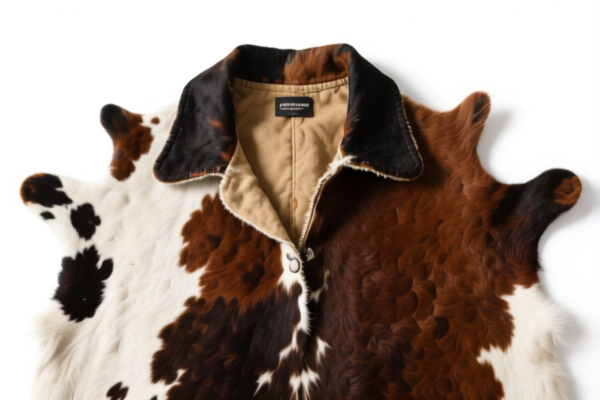
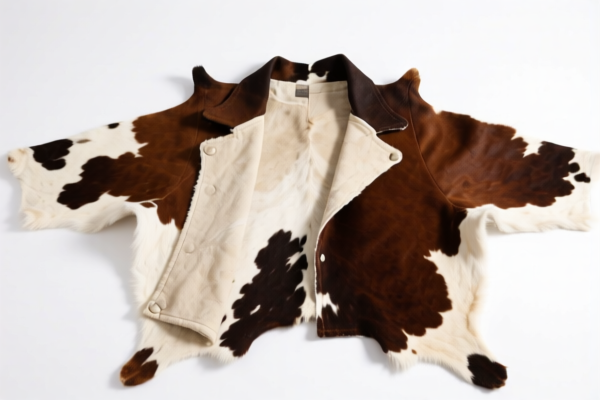
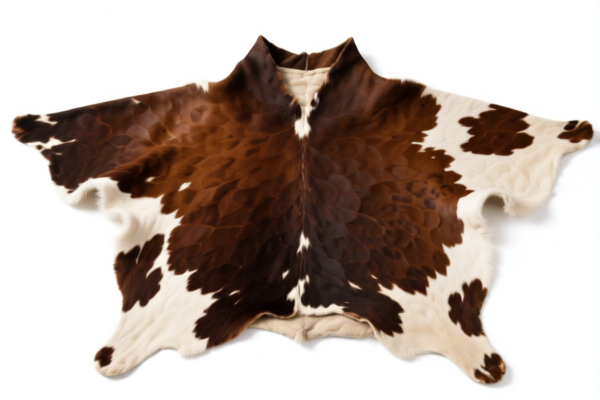
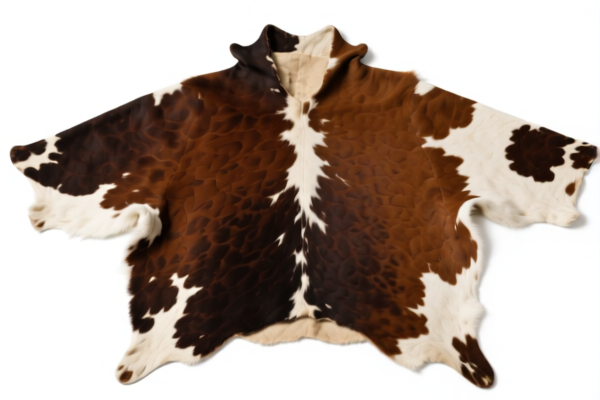
AI Analysis
🐂 Raw Cowhide: The Backbone of Global Leather Trade
🌐 HS Code Reference & Customs Clearance Guide | 2026 Latest Tariff Analysis | Professional Clearance Strategy
📌 1. Product Definition: What Exactly is "Raw Cowhide"?
Raw Cowhide refers to the untreated skins of bovine animals (including buffalo). These are not yet tanned, parchment-dressed, or further prepared. They are the foundational material for the leather industry, ranging from fashion apparel to automotive interiors and furniture.
In international trade, raw hides are categorized strictly by weight and preservation method. The classification is not arbitrary; it directly dictates your customs duty burden.
⚠️ Critical Distinction:
- Small Skins (≤ 8-16 kg): Typically salted, dried, or wet-salted hides from smaller cattle or younger animals.
- Large Skins (> 16 kg): Typically fresh or heavily preserved hides from full-grown adult cattle ("Cattle").
- NOT Tanned: If the hide has been tanned (converted to leather), it belongs to Chapter 41 or 42, not this category.
📦 2. HS Code Classification Details (2026 Authoritative Reference)
Based on the provided data, raw bovine hides are split into two primary categories based on weight and preservation status.
| HS Code | Product Description | Key Criteria | Applicable Scenario |
|---|---|---|---|
4101.20.10.10 |
Whole hides & skins, unsplit, not exceeding 16 kg total weight threshold | Weight: ≤ 8 kg (dry) / ≤ 10 kg (dry-salted) / ≤ 16 kg (fresh/wet-salted) | Lighter hides, often from younger cattle or split portions; commonly salted for export. |
4101.50.10.10 |
Whole hides & skins, exceeding 16 kg | Weight: > 16 kg | Large, full-grown cattle hides; often fresh or heavily salted. |
🔍 Key Takeaway:
- Weight is King: The 16 kg threshold is the dividing line.
- Condition Matters: "Fresh," "Wet-Salted," "Dry-Salted," and "Simply Dried" all fall under these codes, provided the weight limits are met.
- Bovine Specific: Both codes specify "Of bovine animals." Equine hides (horse) would fall under different subheadings not listed here.
💰 3. 2026 Tariff Rate Breakdown (Detailed Tax Structure)
✅ Applicable Country: United States (US)
✅ Origin: China (CN) (Assumed based on standard trade context; verify if origin differs)
✅ Effective Date: Current tariffs apply as per latest USITC data.
🎯 1. HS Code 4101.20.10.10 – Small Bovine Hides (≤ 16 kg)
| Item | Detail |
|---|---|
| Base Duty Rate | 0.0% (Ad Valorem) |
| Section 301/Additional Duty | +7.5% |
| Total Effective Tariff | 7.5% |
| Calculation Method | CIF Value × 7.5% |
| De Minimis Eligibility | ❌ Not Eligible (General rule: Raw agricultural/animal products often excluded from de minimis benefits, especially with added duties) |
📌 Explanation:
- Base Rate (0%): Reflects the US policy of low barriers on raw material imports to support domestic manufacturing.
- Additional Duty (7.5%): Likely refers to Section 301 tariffs or other specific trade measures applied to Chinese-origin bovine products.
- Total Cost: You pay 7.5% on the total value (Cost + Insurance + Freight).
🎯 2. HS Code 4101.50.10.10 – Large Bovine Hides (> 16 kg)
| Item | Detail |
|---|---|
| Base Duty Rate | 0.0% (Ad Valorem) |
| Section 301/Additional Duty | +7.5% |
| Total Effective Tariff | 7.5% |
| Calculation Method | CIF Value × 7.5% |
| De Minimis Eligibility | ❌ Not Eligible |
📌 Explanation:
- Despite the larger weight and different preservation status, the total tax burden remains identical (7.5%) due to the same base and additional duty structure.
- Important: Do not assume heavier goods incur higher percentage duties. The rate is flat ad valorem.
🛠️ 4. Customs Clearance Practical Advice (Avoid Pitfalls)
✅ 1. Documentation Checklist (Non-Negotiable)
| Document | Required | Why It’s Critical |
|---|---|---|
| Commercial Invoice | ✔️ | Must clearly state: "Raw Bovine Hides," Weight per skin, Total Weight, Preservation Method (e.g., "Wet-Salted"). |
| Packing List | ✔️ | Detailing individual skin weights to prove compliance with HS Code weight thresholds (≤16kg vs >16kg). |
| Phytosanitary Certificate | ✔️ | Essential for Animal Products. Proves the hides are free from disease and treated appropriately. Without this, shipment will be rejected. |
| Bill of Lading | ✔️ | Standard shipping document. |
| FDA Prior Notice | ✔️ | If applicable for food-contact leather (rare for raw hides, but check if final product is food-related). |
| Certificate of Origin | ✔️ | To verify origin for tariff calculation (China vs. USMCA/other FTA countries). |
✅ 2. Declaration Tips (Golden Rules)
🔥 “Weigh Per Skin, State Preservation, Certify Health!”
| Scenario | Correct Declaration | Mistake to Avoid |
|---|---|---|
| Mixed Sizes | Separate lines for ≤16kg and >16kg hides. | Mixing weights → Potential misclassification, audits, or penalties. |
| Preservation Method | Specify "Wet-Salted," "Dry-Salted," or "Fresh." | Vague terms like "Raw Skin" → Customs may reject or reclassify. |
| Weight Discrepancy | Ensure invoice weight matches physical count × average skin weight. | Inconsistent weights → Delays for inspection or re-weighing at port. |
| Origin Labeling | Mark "Product of China" clearly. | Missing origin label → Seizure or fines under country-of-origin marking laws. |
✅ 3. Special Cases
| Situation | Handling Advice |
|---|---|
| Split Hides | If hides are split (fleshed), ensure they are still "whole" in the sense of not being cut into panels. Splitting for tanning preparation may change HS Code. |
| Dehaired Hides | Explicitly state "Dehaired" if applicable. It doesn’t change the HS Code but affects value and description. |
| Pre-tanned Hides | DO NOT use these HS Codes. Pre-tanned hides go to 4104 or 4105. Misclassification leads to severe penalties. |
🌍 5. Global Market Comparison (2026 Outlook)
| Country/Region | Recommended HS Code | Tariff (China Origin) | Key Certification | Notes |
|---|---|---|---|---|
| 🇺🇸 USA | 4101.20.10.10 / 4101.50.10.10 |
7.5% | Phytosanitary Certificate | Base rate 0% + 7.5% add-on. |
| 🇨🇳 China | 4101.20 / 4101.50 | 0% - 5% | N/A | Import duties vary; check latest Chinese tariff schedule. |
| 🇪🇺 EU | 4101.20 / 4101.50 | 0% (if under quota) / ~5% | Veterinary Health Certificate | Strict veterinary controls. |
| 🇮🇳 India | 4101.20 / 4101.50 | Varies (~5-10%) | Health Certificate | High tariffs on some leather products; verify current rate. |
📌 Conclusion:
- USA has a simple, predictable 7.5% total duty for raw bovine hides from China.
- Veterinary/Phytosanitary requirements are the biggest hurdle, not the tariff itself. Ensure your supplier provides valid certificates from their national agricultural authority.
📌 6. Common Errors & Pitfalls (Lessons Learned)
❌ Error 1: Ignoring the 16 kg Weight Threshold
👉 Consequence: If you misclassify a 17 kg hide as ≤16 kg, you risk an audit, back-taxes, and penalties.
👉 Solution: Weigh every batch or use certified scale data.
❌ Error 2: Missing Phytosanitary Certificate
👉 Consequence: Shipment held at port for weeks, then returned or destroyed.
👉 Solution: Confirm certificate requirements before shipping. It takes time to issue.
❌ Error 3: Vague Product Description
👉 Consequence: Customs officers may assume the worst (e.g., suspecting diseased meat) and delay clearance.
👉 Solution: Use precise terms: "Raw Bovine Hides, Wet-Salted, Dehaired."
✅ Correct Declaration Example:
"Raw Bovine Hides, Wet-Salted, Dehaired, Whole Skins. Origin: China. Weight per skin: 14.5 kg Avg. Total Gross Weight: 5,000 kg. HS Code: 4101.20.10.10."
🎯 7. Final Thoughts: Precision Pays Off
🎯 Remember the Mantra:
🔹 "Weigh accurately, Preserve legally, Certify healthily."
🔹 "HS Code 4101 is simple, but compliance is complex. Don't skip the vet cert!"
📌 Pro Tip:
If you are exporting to the USA, consider applying for an Advance Ruling from U.S. Customs and Border Protection (CBP) if you have a large, consistent shipment. This locks in your classification and tariff rate, providing certainty and faster clearance.
📣 Immediate Action Step:
📞 Contact Your Freight Forwarder: Confirm phytosanitary requirements.
📊 Audit Your Packing List: Ensure weight per skin aligns with HS Code choice.
📄 Verify Invoice Terms: Clearly state "Raw Hides" and "Bovine Origin."
✨ Smart Classification, Smooth Clearance, Maximized Profit!
💼 Your raw hide shipment deserves professional handling.
Customer Reviews
About HS Code Classification
The Harmonized System (HS) is an internationally standardized nomenclature developed by the World Customs Organization (WCO) to classify traded products. Over 200 countries use the HS system as the basis for customs tariffs, trade statistics, and import/export regulations.
Each HS code follows a hierarchical structure:
- Chapter (2 digits) — Broad category of goods (e.g., Chapter 84: Machinery and Mechanical Appliances)
- Heading (4 digits) — More specific grouping within the chapter
- Subheading (6 digits) — Internationally standardized breakdown, used by all WCO member countries
- National subdivisions (8-10 digits) — Country-specific extensions for further classification, such as US HTSUS 10-digit codes
Correct HS code classification is essential for smooth customs clearance, accurate duty payment, and compliance with trade regulations. Misclassification can lead to customs delays, overpayment of duties, or penalties.
When importing from CN to US, the applicable tariff rates may include:
- Most-Favored-Nation (MFN) rate — The standard duty rate applied to WTO members
- General rate — Applied to countries without trade agreements
- Trade remedy duties — Additional tariffs such as Section 301 (anti-dumping), Section 232 (national security), or countervailing duties
The information provided on this page is for reference purposes only. For official classification, please consult with your local customs authority or a licensed customs broker.