Raw Cowhide (Unprocessed)
CN → US| HS Code | Tariff Rate | Origin | Destination | Doc |
|---|---|---|---|---|
| 4101501010 | 17.5% | CN | US | Official Doc |
| 4101201010 | 17.5% | CN | US | Official Doc |
| 4101901010 | 17.5% | CN | US | Official Doc |
| 4101501010 | 17.5% | CN | US | Official Doc |
| 4101201010 | 17.5% | CN | US | Official Doc |
Product Images
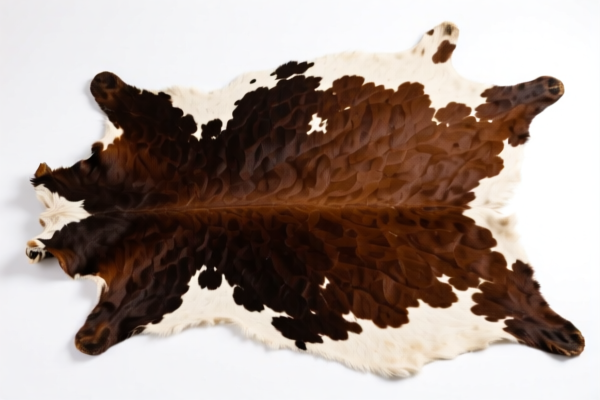
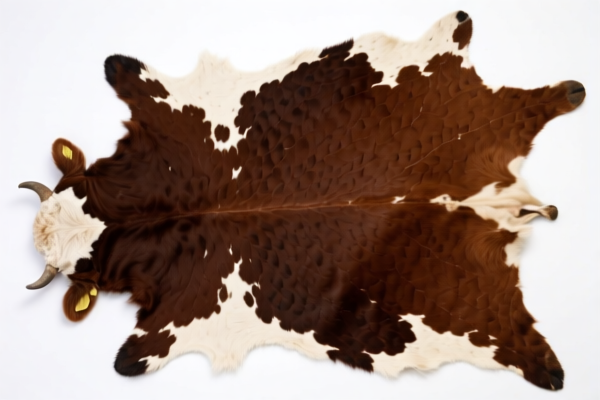
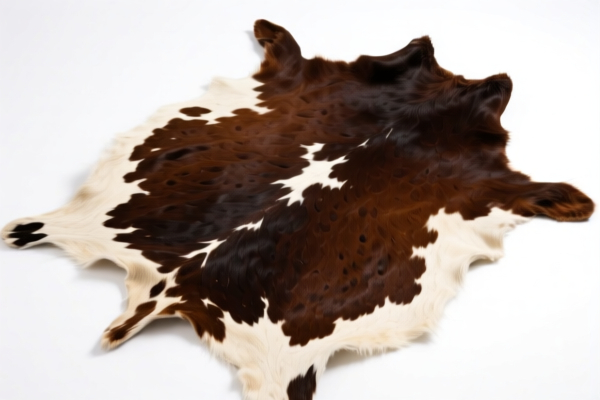
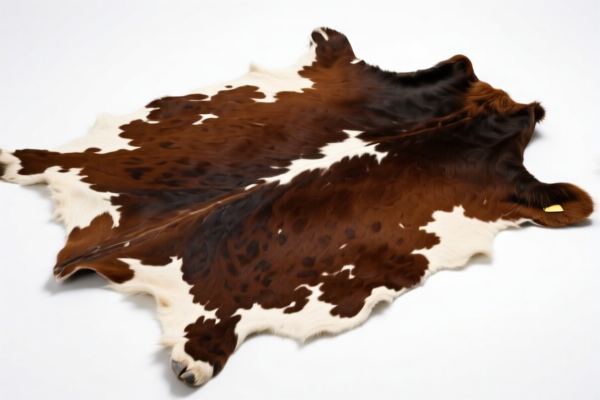
AI Analysis
🐂 Raw Cowhide (Unprocessed)
🌐 HS Code Reference & Customs Clearance Guide | 2026 Latest Tariff Analysis | Professional Compliance Strategy
📌 I. Product Definition & Classification: Do You Really Understand "Raw Cowhide"?
Raw cowhide refers to the skin of bovine animals that has not undergone any tanning, preservative treatment, or significant processing beyond basic cleaning or salting to prevent decay. In international trade, the classification depends heavily on the specific state of preservation and preparation:
Fresh/Wet-Salted Skins: Skins that are merely salted to prevent rotting, maintaining the original hair/flesh state without tanning. Sole Skins (Culls): Specific types of raw hides intended for sole leather production, often with specific thickness or defect characteristics. Semi-processed Skins: Skins that may have been delimed or bated but not yet tanned.
⚠️ Key Distinction Points:
- If the hide is untanned, regardless of whether it is salted, dried, or wet, it generally falls under Chapter 41.
- Tanned hides (even vegetable-tanned) fall under Chapter 4103 or 4104, which have different tax structures.
- "Untanned" is the critical keyword. Any tanning process (chemical, vegetable, chrome) moves it out of the 4101.xx.10.xx range.
📦 II. HS Code Classification Details (2026 Latest Tariff Authority Cross-Reference)
Based on the provided data, all relevant raw cowhide products are classified under HS Code 4101. The specific sub-headings depend on the precise physical state (e.g., with hair, sole skins, or other unprocessed forms).
| HS Code | Product Description | Application Scenario | Tax Details (US Import from China) |
|---|---|---|---|
4101.50.10.10 |
Untanned bovine hides, not split, with hair on (raw/crust state). | Unprocessed raw hides, suitable for further tanning. | Total Tax: 17.5% (Base: 0%, Surcharge: 7.5%, Section 122: 10%) |
4101.20.10.10 |
Untanned bovine hides, sole skins (culls). | Hides specifically designated for sole leather, unprocessed. | Total Tax: 17.5% (Base: 0%, Surcharge: 7.5%, Section 122: 10%) |
4101.90.10.10 |
Untanned bovine hides, other (e.g., delimed/hair-removed but not tanned). | Skins that have been processed to remove hair but are not yet tanned. | Total Tax: 17.5% (Base: 0%, Surcharge: 7.5%, Section 122: 10%) |
🔍 Important Reminder:
- All listed HS codes (4101.50.10.10,4101.20.10.10,4101.90.10.10) share the same total tax rate of 17.5%.
- The distinction lies in the physical state:
- 4101.20: Sole skins (culls).
- 4101.50: Other unprocessed hides, typically with hair intact or minimally processed.
- 4101.90: Other unprocessed hides, including those where hair has been removed but tanning has not occurred.
- Do not confuse with Chapter 4103/4104: If the hide is tanned, these codes are invalid.
💰 III. 2026 Latest Tariff Rate Breakdown (Including Additional Duties)
✅ Applicable Country: United States (US)
✅ Origin: China (CN)
✅ Effective Time: Current applicable rates as per provided data.
🎯 1. 4101.50.10.10 / 4101.20.10.10 / 4101.90.10.10 —— Raw Cowhide (Untanned)
| Item | Content |
|---|---|
| Base Tariff Rate | 0.0% (Ad Valorem) |
| Surcharge (Section 301/Other) | +7.5% |
| Section 122 Tariff | +10.0% |
| Total Effective Tax Rate | 17.5% |
| Tax Calculation | CIF Value × 17.5% |
| De Minimis Exemption | ❌ Not Applicable (Section 122 tariffs generally do not allow de minimis exemptions for covered goods) |
| Legal Basis Path | Tariff: 4101.xx.xx → Surcharge: 7.5% → Section 122: 10% |
📌 Explanation:
- "Base Tariff 0%": Raw hides generally enjoy a low base duty under WTO schedules.
- "Surcharge 7.5%": This represents additional levies often associated with specific trade remedies or surcharges on Chinese imports.
- "Section 122 Tariff 10%": This refers to tariffs under Section 122 of the Tariff Act of 1930, which allows the President to adjust tariffs to protect domestic industry (often used for agricultural/textile-related raw materials).
- Total 17.5%: This is a significant cost factor. Importers must budget for this 17.5% duty on top of shipping and insurance costs.
🛠️ IV. Customs Clearance Practical Advice (Real-World Pitfall Guide)
✅ 1. Document Checklist (Mandatory)
| Document | Required | Description |
|---|---|---|
| ✅ Commercial Invoice | ✔️ | Must clearly state "Raw Cowhide, Untanned, Bovine Origin: China". Avoid vague terms like "Leather Skin" without specifying "Untanned". |
| ✅ Packing List | ✔️ | Detail weight (Gross/Net), number of hides, and any preservatives used (e.g., Salted, Dry Salted). |
| ✅ Certificate of Origin (CO) | ✔️ | Required to verify Chinese origin for Section 122 and Surcharge application. |
| ✅ Bill of Lading (B/L) | ✔️ | Standard shipping document. |
| ✅ Phytosanitary Certificate | ✔️ | Often required for animal products to prove freedom from pests/diseases. |
| ✅ Preservation Method Declaration | ✔️ | Specify if "Wet Salted," "Dry Salted," or "Chilled." This affects the exact HS sub-code (4101.20 vs 4101.50 vs 4101.90). |
✅ 2. Declaration Tips (Key Mnemonics)
🔥 "Untanned is Key, Origin is King, Section 122 Kills De Minimis!"
| Scenario | Correct Declaration | Wrong Practice |
|---|---|---|
| Salted Raw Hides | 4101.50.10.10 - "Untanned Bovine Hides, Salted" |
Misdeclaring as "Leather" → Wrong Chapter |
| Sole Skins (Culls) | 4101.20.10.10 - "Untanned Sole Skins" |
Using general 4101.90 → May cause customs query |
| Hair-Removed Raw Hides | 4101.90.10.10 - "Untanned, Delimed Hides" |
Declaring as "Processed Leather" → High duty risk |
| Tanned Leather | DO NOT USE 4101.50/20/90 | Use 4104 or 4105 codes instead |
✅ 3. Special Cases Handling
| Scenario | Handling Advice |
|---|---|
| Mixed Shipment (Raw & Tanned) | Must Split Declaration. Raw hides go to 4101.xx.10.xx (17.5%), Tanned hides go to 4104/4105 (different rates). Mixing leads to clearance delays. |
| Small Quantity (De Minimis) | ⚠️ High Risk: Section 122 tariffs usually do not apply to the $800 de minimis exemption. Even small shipments may be subject to the 17.5% tax. Verify with broker. |
| OEM Custom Skins | Provide mill certificates or supplier declarations to confirm "Untanned" status. If tanning is ambiguous, customs may reclassify. |
| Value Declaration | Ensure CIF value is accurate. 17.5% is applied to the total CIF value (Cost + Insurance + Freight). Under-declaration triggers audits. |
🌍 V. Global Market Comparison (2026 Latest)
| Country/Region | Recommended HS Code | Tariff Rate | Certification/Notes |
|---|---|---|---|
| 🇺🇸 USA | 4101.50.10.10 / 4101.20.10.10 / 4101.90.10.10 |
17.5% (0% Base + 7.5% Surcharge + 10% Sec 122) | Phytosanitary Cert required. De Minimis may not apply. |
| 🇨🇳 China | 4101.10 / 4101.20 / 4101.90 |
Varies (Usually 0-10%) | Export duties may apply for raw hides. |
| 🇪🇺 EU | 4101 (General) |
0% - 4.5% | No Section 122 equivalent. Standard WCO codes. |
| 🇯🇵 Japan | 4101 |
0% - 5% | No major surcharges for raw hides from China. |
📌 Conclusion:
- USA is the most complex market due to the combination of Surcharge and Section 122 tariffs.
- Total 17.5% is mandatory for Chinese-origin raw hides entering the US.
- No free trade agreements currently eliminate these specific surcharges for raw hides.
📌 VI. Common Mistakes & Pitfall Guide (Lessons Learned)
❌ Mistake 1: Declaring "Untanned Hides" as "Finished Leather"
👉 Consequence: Wrong HS Code, potential anti-dumping duties, or refusal of entry.
❌ Mistake 2: Assuming De Minimis ($800) Exemption Applies
👉 Consequence: Section 122 tariffs often override de minimis exemptions. Small shipments may still incur 17.5% tax + processing fees.
❌ Mistake 3: Vague Description "Cowhide"
👉 Consequence: Customs cannot determine if it is 4101.20 (Sole), 4101.50 (Other Raw), or 4101.90 (Other). Leads to HOLD and additional documentation requests.
❌ Mistake 4: Not Providing Phytosanitary Certificate
👉 Consequence: Animal products require health certificates. Missing doc = Quarantine Delay or Return.
✅ Correct Practice:
"Raw Cowhide, Untanned, Wet-Salted, Bovine Origin: China, HS Code 4101.50.10.10, Total Duty 17.5% (Inc. Sec 122)"
🎯 VII. Conclusion: Professional Declaration, Cost Control, Compliance
🎯 Remember the Mnemonic:
🔹 "Untanned = 4101, Origin China = 17.5%, Section 122 = No De Minimis, Phytosanitary = Must Have!"
🔹 "HS Code determines destiny, 17.5% is non-negotiable, declare clearly, avoid delays!"
📌 Pro Tip:
- For high-volume imports, consider applying for a Pre-Ruling from CBP (U.S. Customs and Border Protection) to confirm the exact HS sub-code (4101.20 vs 4101.50 vs 4101.90) and duty liability.
- Ensure your supplier provides a Declaration of Untanned Status to avoid misclassification as tanned leather (which has different duty rates and restrictions).
📣 Immediate Action:
📞 Engage a licensed customs broker + Provide Product Photos + Apply for CBP Pre-Ruling
🚀 Let your raw hides pass smoothly, stay compliant, and protect your margins!
✨ Professional Customs Clearance Starts with Precise Classification!
💼 Every cent of your cost deserves precise calculation!
Customer Reviews
About HS Code Classification
The Harmonized System (HS) is an internationally standardized nomenclature developed by the World Customs Organization (WCO) to classify traded products. Over 200 countries use the HS system as the basis for customs tariffs, trade statistics, and import/export regulations.
Each HS code follows a hierarchical structure:
- Chapter (2 digits) — Broad category of goods (e.g., Chapter 84: Machinery and Mechanical Appliances)
- Heading (4 digits) — More specific grouping within the chapter
- Subheading (6 digits) — Internationally standardized breakdown, used by all WCO member countries
- National subdivisions (8-10 digits) — Country-specific extensions for further classification, such as US HTSUS 10-digit codes
Correct HS code classification is essential for smooth customs clearance, accurate duty payment, and compliance with trade regulations. Misclassification can lead to customs delays, overpayment of duties, or penalties.
When importing from CN to US, the applicable tariff rates may include:
- Most-Favored-Nation (MFN) rate — The standard duty rate applied to WTO members
- General rate — Applied to countries without trade agreements
- Trade remedy duties — Additional tariffs such as Section 301 (anti-dumping), Section 232 (national security), or countervailing duties
The information provided on this page is for reference purposes only. For official classification, please consult with your local customs authority or a licensed customs broker.