Raw Cowhide Base
CN → US| HS Code | Tariff Rate | Origin | Destination | Doc |
|---|---|---|---|---|
| 4101201010 | 17.5% | CN | US | Official Doc |
| 4101501010 | 17.5% | CN | US | Official Doc |
Product Images
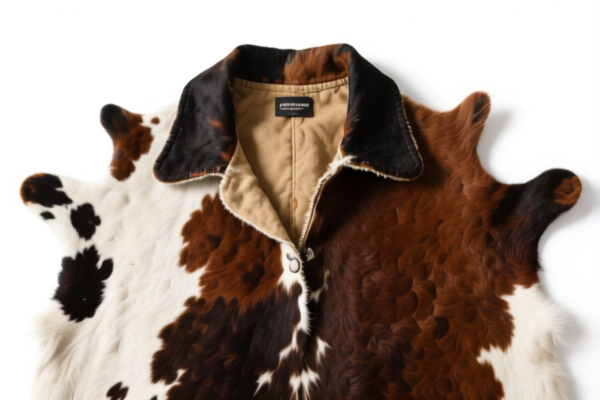
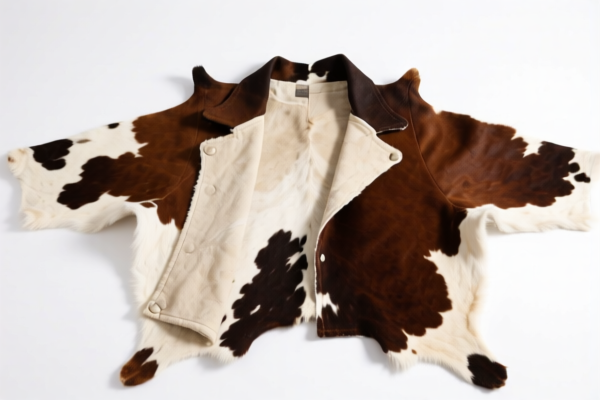
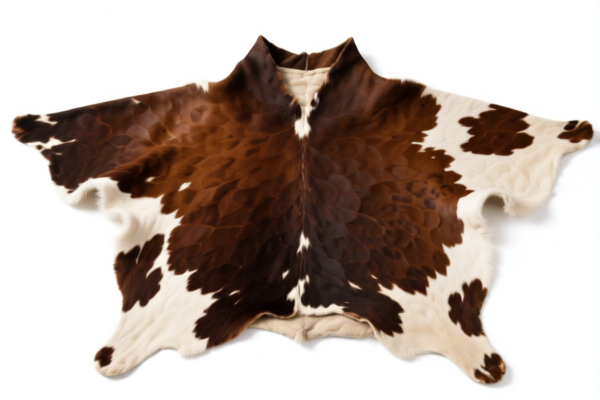
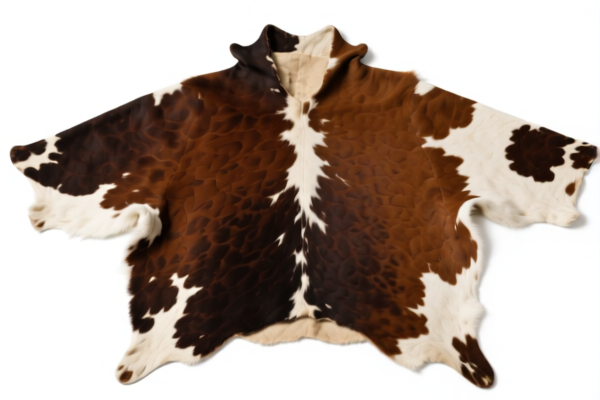
AI Analysis
🐮 Raw Cowhide Base (Bovine Skins & Hides)
🌐 HS Code Reference & Customs Clearance Guide | 2026 Latest Tariff Analysis | Professional Clearance Strategy
📌 Part 1: Product Definition & Classification: Do You Really Understand "Raw Cowhide"?
Raw Cowhide Base refers to the untreated skins of bovine animals (including buffalo). These materials are the foundational raw material for the global leather industry. In international trade, they are strictly categorized based on their preservation method and weight per skin.
⚠️ Key Distinction Points:
- Preservation Status: Fresh, wet-salted, dry-salted, dried, limed, or pickled. Crucially, they must NOT be tanned, parchment-dressed, or further prepared.
- Weight Thresholds: The classification heavily depends on whether the skin is lightweight (<8kg dry, <10kg dry-salted, <16kg fresh/wet-salted) or heavyweight (>16kg).
- Species: Specifically for Bovine animals (Cattle, Buffalo, etc.).
📦 Part 2: HS Code Classification Details (2026 Latest Tariff Authoritative Comparison)
Based on the provided data, the product is classified into two primary HS Codes depending on weight and preservation:
| HS Code | Product Description | Applicable Scenario | Weight Condition |
|---|---|---|---|
4101.20.10.10 |
Raw hides/skins of bovine, unsplit, not pretanned. | Lightweight raw hides. | ≤ 8 kg (Simply Dried) ≤ 10 kg (Dry-Salted) ≤ 16 kg (Fresh/Wet-Salted) |
4101.50.10.10 |
Raw hides/skins of bovine, unsplit, not pretanned. Cattle. | Heavyweight raw hides. | Exceeds 16 kg |
🔍 Important Note:
- Both codes apply to Whole hides and skins, unsplit.
- If the hides are split or tanned, they fall under completely different chapters (Chapter 41 subheadings 4104 or 4105).
- The term "Base" implies raw, untreated material. If any tanning process has begun, it is no longer "Raw Hide."
💰 Part 3: 2026 Latest Tariff Rate Details (Base + Additional Duties)
✅ Applicable Country: United States (US)
✅ Origin: China (CN) (Implied by the high additional tariff rate)
✅ Effective Time: Current applicable rates under Section 301 and IEEPA frameworks.
🎯 1. 4101.20.10.10 —— Lightweight Raw Bovine Hides
| Item | Content |
|---|---|
| Base Duty Rate | 0.0% (ad valorem) |
| Additional Duty (Section 301/IEEPA) | +7.5% |
| Total Tax Rate | 7.5% |
| Tax Calculation | CIF Value × 7.5% |
| Legal Basis | Based on the provided data: 基础关税: 0.0%, 加征关税: 7.5% |
📌 Explanation:
- The Base Tariff is 0%, reflecting the duty-free status for raw materials under normal trade conditions.
- However, an Additional Tariff of 7.5% applies, likely due to trade remedies or specific tariffs on Chinese-origin agricultural/animal products.
- Total Liability: You pay 7.5% of the customs value (CIF).
🎯 2. 4101.50.10.10 —— Heavyweight Bovine Hides (Cattle)
| Item | Content |
|---|---|
| Base Duty Rate | 0.0% (ad valorem) |
| Additional Duty (Section 301/IEEPA) | +7.5% |
| Total Tax Rate | 7.5% |
| Tax Calculation | CIF Value × 7.5% |
| Legal Basis | Based on the provided data: 基础关税: 0.0%, 加征关税: 7.5% |
📌 Note:
- Despite being a different weight category, the tax rate is identical to the lightweight category.
- This simplifies cost forecasting: All raw bovine hides (unsplit, not pretanned) attract a 7.5% total duty.
🛠️ Part 4: Customs Clearance Practical Advice (Battle-Tested Pitfall Guide)
✅ 1. Preparation Checklist (Non-negotiable)
| Document | Required? | Explanation |
|---|---|---|
| ✅ Commercial Invoice | ✔️ | Must explicitly state "Raw Cowhide," preservation method (e.g., "Fresh Wet-Salted"), and weight. |
| ✅ Packing List | ✔️ | Must list weight per skin or average weight per hide to justify the HS Code (8kg/16kg threshold is critical). |
| ✅ Health/Veterinary Certificate | ✔️ | Mandatory. Raw hides are biological products. Must certify freedom from Foot-and-Mouth Disease (FMD) and BSE. |
| ✅ Product Photos | ✔️ | Show texture, preservation state (salted/dried), and branding/branding marks. |
| ✅ Country of Origin Cert | ✔️ | To confirm origin for tariff calculation. |
✅ 2. Declaration Tips (Key Mnemonics)
🔥 "Weight Determines Code, Preservation Determines Status, Untreated is Key!"
| Scenario | Correct Declaration | Wrong Practice |
|---|---|---|
| Fresh Hides, 20kg each | 4101.50.10.10 |
Misdeclare as lightweight → Audit Failure |
| Dry-Salted Hides, 9kg each | 4101.20.10.10 |
Misdeclare as heavy → Unnecessary Complexity |
| Tanned Leather | DO NOT USE THESE CODES | Declaring as "Raw" → Smuggling/Fraud Risk |
| Split Hides | DO NOT USE THESE CODES | Declaring as "Whole" → Rejection/Detention |
📌 Critical Warning:
- The description "Not pretanned" must be clear. If the hides have been "pickled" (acid treatment for preservation), they are still considered "Raw" for HS classification but must be declared as "Pickled" in the description.
- Splitting: The HS codes4101.20and4101.50specifically refer to Unsplit hides. If hides are split (skin side separated from corium), they fall under4101.30or4101.40. Do not use the codes in for split hides.
✅ 3. Special Handling
| Situation | Recommendation |
|---|---|
| Mixed Weights in One Shipment | Classify each lot separately based on its weight. You may have both 4101.20.10.10 and 4101.50.10.10 in one shipment. |
| Wet-Salted vs. Dry-Salted | Ensure the invoice states the preservation method. "Wet-salted" hides have a higher weight limit (16kg) for the lighter code than "Simply dried" (8kg). |
| Biosecurity Checks | Raw hides are high-risk for pests/diseases. Ensure the APHIS (USDA) requirements are met. Inspections can cause delays. |
🌍 Part 5: Global Market Comparison (2026 Overview)
| Country/Region | Recommended HS Code | Tariff Rate | Key Requirement | Remarks |
|---|---|---|---|---|
| 🇺🇸 USA | 4101.20.10.10 / 4101.50.10.10 |
7.5% Total | APHIS Health Cert | High biosecurity scrutiny. |
| 🇪🇺 EU | 4101 General |
~0-5% (Varies) | REACH/Ecolabel | Strict chemical residue limits. |
| 🇨🇳 China | 4101 General |
~5-10% | Quarantine Cert | Import quota may apply. |
| 🇮🇳 India | 4101 General |
~10-20% | Anti-Animal Abuse Laws | Heavy restrictions on raw cowhide import due to religious laws. |
📌 Conclusion:
- The USA offers a clear, low-rate pathway (7.5%) for raw bovine hides, provided biosecurity is handled correctly.
- Biosecurity is the #1 risk, not tariff. Delays are common if health certificates are missing.
📌 Part 6: Common Errors & Pitfall Guide (Lessons from Tears)
❌ Error 1: Declaring Tanned Leather as Raw Hide
👉 Consequence: Severe penalty for misclassification. Tanned leather has different tariffs and environmental regulations.
❌ Error 2: Ignoring the 16kg Weight Threshold
👉 Consequence: If you declare 17kg hides as "<16kg," Customs will reclassify, assess back-duties, and fine you.
❌ Error 3: Missing Veterinary Health Certificate
👉 Consequence: Goods detained, destroyed, or returned. Raw animal products are strictly regulated.
❌ Error 4: Using "Leather" in the Description for Raw Hides
👉 Consequence: Confuses customs officers. Use "Raw Cowhide" or "Untreated Bovine Skin."
✅ Correct Declaration Example:
"Raw Bovine Hides, Wet-Salted, Unsplit, Not Pretanned. Weight per skin: 12kg. HS: 4101.20.10.10. Origin: China. Health Cert: Attached."
🎯 Part 7: Conclusion: Precise Classification, Smooth Clearance!
🎯 Remember the Mantra:
🔹 "Unsplit? Untreated? Check the Weight!"
🔹 ≤ 16kg (Wet/Dry) →4101.20.10.10
🔹 > 16kg →4101.50.10.10
🔹 Tax is Flat 7.5% — But Biosecurity is Your Real Challenge!
📌 Pro Tip:
- Always request the exact weight per skin from your supplier. Do not use "average weight" for classification if the shipment is mixed.
- Contact a licensed customs broker in the US to verify APHIS entry requirements before shipping.
- For large volumes, consider Advance Rulings to lock in the HS Code interpretation.
📣 Take Action Now:
📞 Secure Health Certs → Verify Weights → Apply Correct HS Code
🚀 Clear Customs Fast, Avoid Destruction, Protect Your Margins!
✨ Professional Clearance Starts with Accurate Classification!
💼 Every Gram of Weight Counts in Tariff Logic!
Customer Reviews
About HS Code Classification
The Harmonized System (HS) is an internationally standardized nomenclature developed by the World Customs Organization (WCO) to classify traded products. Over 200 countries use the HS system as the basis for customs tariffs, trade statistics, and import/export regulations.
Each HS code follows a hierarchical structure:
- Chapter (2 digits) — Broad category of goods (e.g., Chapter 84: Machinery and Mechanical Appliances)
- Heading (4 digits) — More specific grouping within the chapter
- Subheading (6 digits) — Internationally standardized breakdown, used by all WCO member countries
- National subdivisions (8-10 digits) — Country-specific extensions for further classification, such as US HTSUS 10-digit codes
Correct HS code classification is essential for smooth customs clearance, accurate duty payment, and compliance with trade regulations. Misclassification can lead to customs delays, overpayment of duties, or penalties.
When importing from CN to US, the applicable tariff rates may include:
- Most-Favored-Nation (MFN) rate — The standard duty rate applied to WTO members
- General rate — Applied to countries without trade agreements
- Trade remedy duties — Additional tariffs such as Section 301 (anti-dumping), Section 232 (national security), or countervailing duties
The information provided on this page is for reference purposes only. For official classification, please consult with your local customs authority or a licensed customs broker.