Raw Cowhide Gloves Material
CN → US| HS Code | Tariff Rate | Origin | Destination | Doc |
|---|---|---|---|---|
| 4107117040 | 15.0% | CN | US | Official Doc |
| 4107917040 | 15.0% | CN | US | Official Doc |
Product Images
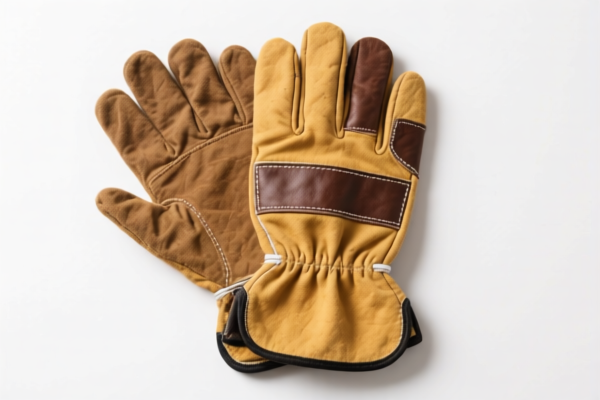
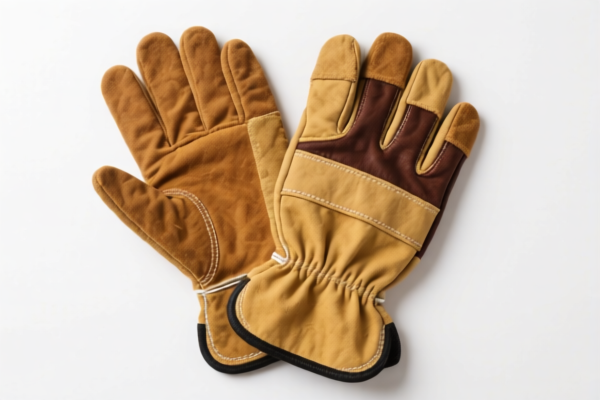
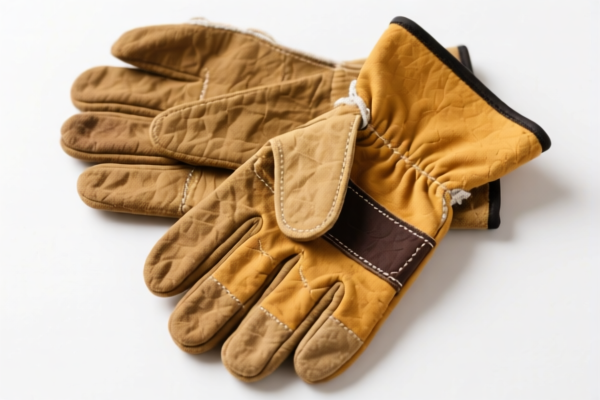
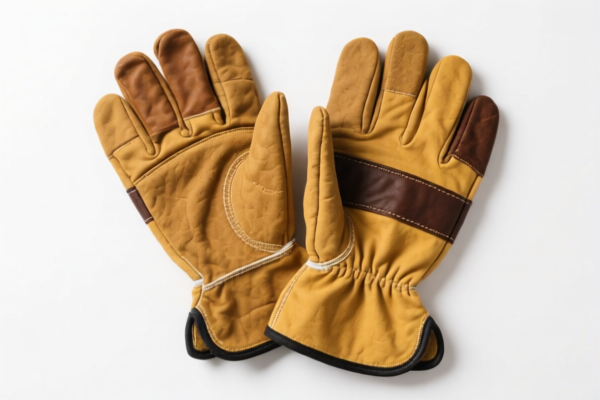
AI Analysis
🧤 Raw Cowhide Gloves Material (Leather Preparation for Glove Making)
🌐 HS Code Reference & Customs Clearance Guide | 2026 Latest Tariff Analysis | Professional Clearance Strategy
📌 I. Product Definition & Classification: What is "Raw Cowhide Gloves Material"?
"Raw Cowhide Gloves Material" refers to leather that has been tanned or crust-processed but is not yet fully finished for immediate glove manufacturing. It typically consists of bovine (cow/buffalo) hides or skins, without hair, whether or not split.
In international trade, the classification depends heavily on whether the leather is a full hide/skin or a split/part of a side, and whether it is "Full Grain" (the top layer) or other types. Crucially, this material is excluded from Heading 4114 (chromium-tanned leather of a kind used for fur dressing or similar purposes), which usually applies to suede-like or specially treated leathers.
⚠️ Key Distinction:
- If the leather is parchment-dressed or prepared specifically for glove making but doesn't meet 4114 criteria → It falls under Chapter 41 (Raw Hides and Skins; Leather).
- "Without hair on": This is a critical identifier. Raw hides with hair would be Class 4101/4102. Leather "without hair" moves to 4104–4107.
- "Not Fancy Glove and Garment": This specific exclusion in the data indicates that these are bulk/semi-finished hides not yet cut or shaped into luxury glove patterns or garments. They are raw materials for further processing.
📦 II. HS Code Classification Details (2026 Latest Tariff Authority Match)
Based on the provided <DATA>, there are two specific HS Codes for this material. Both share the same tax rate but differ in physical form.
| HS Code | Product Description | Physical Form | Suitability for Gloves |
|---|---|---|---|
4107.11.70.40 |
Whole hides and skins: Full grains, unsplit: Other: Other: Not fancy Glove and garment | Entire Hide/Skin (e.g., a full cowhide panel) | ✅ High |
4107.91.70.40 |
Other, including sides: Full grains, unsplit: Other: Other: Not fancy Glove and garment | Split Hides/Sides (e.g., a quarter or half hide) | ✅ High |
🔍 Important Note:
- Both codes require the leather to be "Full Grain, Unsplit". This means the natural grain layer is intact, not removed or corrected. This is preferred for high-quality gloves.
- "Without hair on": Confirms it is tanned/crust leather, not raw hide.
- "Not Fancy Glove and Garment": This clause ensures it is classified as raw material (for further tanning/finishing) rather than finished goods (which might fall under 4203 for gloves). Since it is still "further prepared after tanning or crusting" but not yet ready for sale as a glove, it stays in Chapter 41.
💰 III. 2026 Latest Tariff Rate Detailed Analysis
✅ Applicable Country: United States (US)
✅ Origin: China (CN) (Assumed based on typical trade context; verify actual origin)
✅ Effective Date: Current 2026 Tariff Schedule
🎯 1. 4107.11.70.40 – Full Cowhide, Unsplit, Without Hair
| Item | Content |
|---|---|
| Base Tariff | 0.0% |
| Additional Tariff (Section 301/Other) | 0.0% |
| Total Tariff | 0.0% |
| Tax Detail | "基础关税: 0.0%, 加征关税: 0.0%" |
| Legal Basis | Chapter 41 (Leather); Specific subheading for bovine/equine, without hair, full grain, unsplit. |
📌 Explanation:
- This code benefits from a 0% total tariff rate.
- Unlike many industrial goods from China subject to 25% Section 301 tariffs, certain leather raw materials or specific sub-categories may be exempt or have low base rates.
- Crucially, the provided data explicitly states 0.0% total tax. This is highly advantageous for manufacturers importing raw leather.
🎯 2. 4107.91.70.40 – Split Hides/Sides, Full Grain, Unsplit
| Item | Content |
|---|---|
| Base Tariff | 0.0% |
| Additional Tariff | 0.0% |
| Total Tariff | 0.0% |
| Tax Detail | "基础关税: 0.0%, 加征关税: 0.0%" |
| Legal Basis | Same as above, but for "Other, including sides" (i.e., not whole hides). |
📌 Explanation:
- Identical tax treatment to4107.11.70.40.
- Whether you import a whole cowhide or a split side, as long as it is Full Grain, Unsplit, and Not Fancy Glove/Garment, the tariff is 0%.
🛠️ IV. Customs Clearance Practical Advice (Avoid Pitfalls)
✅ 1. Required Documentation Checklist (Must-Haves)
| Document | Required | Purpose |
|---|---|---|
| ✅ Commercial Invoice | ✔️ | Must clearly state: "Leather, Bo Vine, Tanned/Crust, Without Hair, Full Grain, Unsplit, For Glove Manufacturing" |
| ✅ Packing List | ✔️ | Detail number of hides, weight, and dimensions. |
| ✅ Product Specification Sheet | ✔️ | Confirm: Species (Bovine/Equine), State (Tanned/Crust), Hair On/Off (Without Hair), Grain (Full Grain), Split (Unsplit). |
| ✅ Bill of Lading/Air Waybill | ✔️ | Consistent description with invoice. |
| ✅ Certificate of Origin | ✔️ | To prove origin for tariff eligibility (if applicable). |
✅ 2. Critical Declaration Keywords (Avoid Errors)
🔥 Clearance Mantra:
"No Hair, Full Grain, Unsplit, Not Finished Gloves → 0% Tariff!"
| Incorrect Declaration | Risk | Correct Declaration |
|---|---|---|
| "Glove Leather" | May be scrutinized as finished goods (4203) or incorrect heading. | "Leather, Tanned, Bovine, Without Hair, Full Grain, Unsplit" |
| "Raw Hide" | Misleading; implies unwashed/un-tanned (Chapter 4101-4103). | "Crust Leather" or "Tanned Leather" |
| "Suede" or "Nubuck" | May be classified under 4114 or other subheadings with different rates. | "Full Grain, Unsplit" |
| "Split Leather" | If not specified as "Unsplit" or if it's the flesh side, it may not qualify. | "Full Grain, Unsplit" |
📌 Warning:
- Do NOT declare as "Gloves" or "Part of Gloves". It is raw material.
- Ensure the description explicitly says "Without Hair". If hair is present, it must be declared as such, leading to a different HS Code (e.g., 4104/4105).
- "Full Grain, Unsplit" is the key to this 0% rate. If the leather is corrected grain or split, it may fall under different subheadings with potential tariffs.
✅ 3. Special Considerations for Glove Manufacturers
| Scenario | Recommendation |
|---|---|
| Importing for Further Processing | Clearly state "For Further Tanning/Finishing" to avoid being classified as finished goods. |
| Mixed Hides (Calf & Cow) | Declare the predominant species or separate shipments if values differ significantly. |
| Customs Valuation | Ensure CIF value is accurate. Since tariff is 0%, valuation errors are less critical for duty but important for FDA/USDA (if applicable) and anti-dumping checks. |
| USDA/APHIS Requirements | Even for tanned leather, some countries may require proof of proper processing to prevent disease. Check local agricultural import rules. |
🌍 V. Global Market Comparison (2026)
| Country/Region | Recommended HS Code | Tariff Rate | Notes |
|---|---|---|---|
| 🇺🇸 USA | 4107.11.70.40 / 4107.91.70.40 |
0.0% | Based on provided data. Verify if any Section 301 exceptions apply. |
| 🇨🇳 China | 4107.11 / 4107.91 | Varies | Import into China may have different duties; this guide is for export from China. |
| 🇪🇺 EU | 4107.11 / 4107.91 | ~2.5–4% | EU has standard MFN rates for leather; no major additional tariffs. |
| 🇬🇧 UK | 4107.11 / 4107.91 | ~2.5–4% | Post-Brexit, UK applies its own tariff schedule, similar to EU. |
| 🇨🇦 Canada | 4107.11 / 4107.91 | 0–6% | CUSMA may offer duty-free for originating goods. |
📌 Conclusion:
- The USA offers a 0% tariff for this specific category of raw cowhide leather material, making it highly competitive.
- Ensure precise classification to maintain this benefit. Misclassification could lead to higher duties or penalties.
📌 VI. Common Mistakes & Pitfalls (Lessons Learned)
❌ Mistake 1: Declaring "Glove Material" without specifying "Full Grain, Unsplit".
👉 Consequence: Customs may reclassify to a different subheading with higher tariffs or require additional documentation.
❌ Mistake 2: Including "Hair On" in the description.
👉 Consequence: Wrong HS Code (likely 4104/4105), potential tariff increase, and delay.
❌ Mistake 3: Not specifying "Without Hair".
👉 Consequence: Ambiguity leads to customs inspection, delays, and possible reclassification.
✅ Correct Approach:
"Tanned Cowhide Leather, Full Grain, Unsplit, Without Hair, For Glove Manufacturing, Not Finished Gloves"
🎯 VII. Conclusion: Professional Clearance, Zero Tariff Advantage!
🎯 Remember the Mantra:
🔹 "Full Grain, Unsplit, Without Hair → 0% Duty!"
🔹 "Not Finished Gloves, Just Raw Material → Chapter 41!"
📌 Pro Tip:
If you are importing large volumes, consider Advance Ruling with US Customs to confirm the HS Code and 0% tariff rate. This provides legal certainty and prevents future disputes.
📣 Immediate Action:
📞 Consult a Licensed Customs Broker + Provide Detailed Product Specs + Confirm "Full Grain, Unsplit, Without Hair"
🚀 Maximize Profit Margins with 0% Tariff on Raw Leather!
✨ Professional Clearance Starts with Accurate Classification!
💼 Every Dollar Saved in Tariffs is Pure Profit!
Customer Reviews
About HS Code Classification
The Harmonized System (HS) is an internationally standardized nomenclature developed by the World Customs Organization (WCO) to classify traded products. Over 200 countries use the HS system as the basis for customs tariffs, trade statistics, and import/export regulations.
Each HS code follows a hierarchical structure:
- Chapter (2 digits) — Broad category of goods (e.g., Chapter 84: Machinery and Mechanical Appliances)
- Heading (4 digits) — More specific grouping within the chapter
- Subheading (6 digits) — Internationally standardized breakdown, used by all WCO member countries
- National subdivisions (8-10 digits) — Country-specific extensions for further classification, such as US HTSUS 10-digit codes
Correct HS code classification is essential for smooth customs clearance, accurate duty payment, and compliance with trade regulations. Misclassification can lead to customs delays, overpayment of duties, or penalties.
When importing from CN to US, the applicable tariff rates may include:
- Most-Favored-Nation (MFN) rate — The standard duty rate applied to WTO members
- General rate — Applied to countries without trade agreements
- Trade remedy duties — Additional tariffs such as Section 301 (anti-dumping), Section 232 (national security), or countervailing duties
The information provided on this page is for reference purposes only. For official classification, please consult with your local customs authority or a licensed customs broker.