Raw Cowhide for Leather Experiment
CN → US| HS Code | Tariff Rate | Origin | Destination | Doc |
|---|---|---|---|---|
| 4104195080 | 13.3% | CN | US | Official Doc |
| 4101201010 | 17.5% | CN | US | Official Doc |
| 4101901020 | 17.5% | CN | US | Official Doc |
| 4104115080 | 13.3% | CN | US | Official Doc |
Product Images
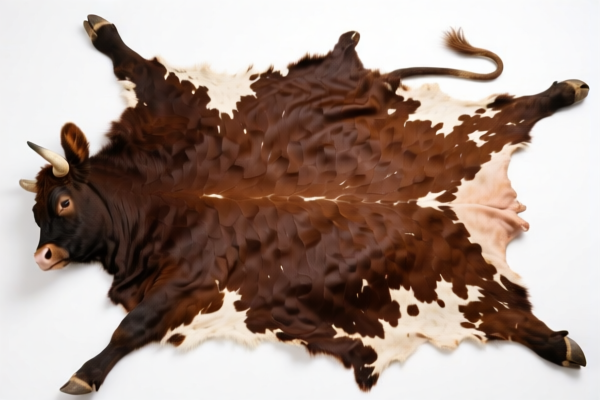
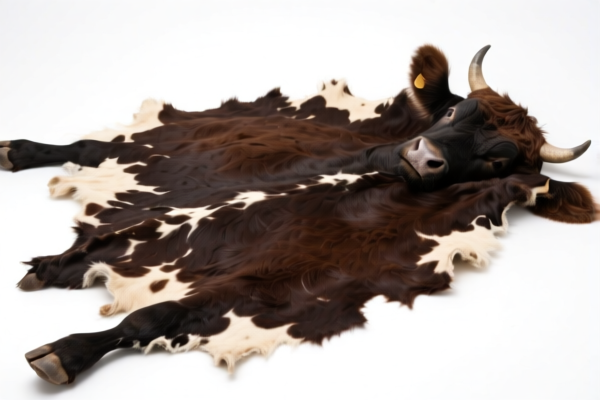
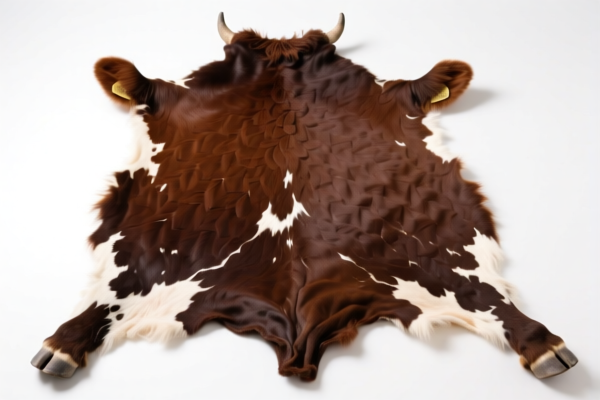
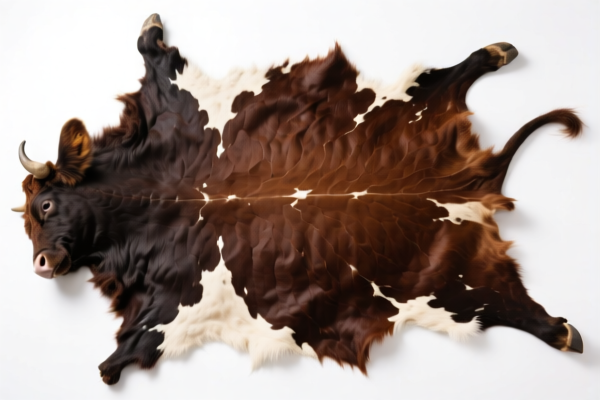
AI Analysis
🐄 Raw Cowhide for Leather Experiment (Scientific Use)
🌐 HS Code Reference & Customs Clearance Guide | 2026 Latest Tariff Full Analysis | Professional Clearance Strategy
📌 I. Product Definition & Classification: Do You Really Understand "Raw Cowhide"?
Raw Cowhide for Leather Experiment refers to fresh or salted/unprocessed cattle hides intended for scientific research, quality testing, or leather processing experiments. In international trade, its classification depends strictly on its state of preservation (fresh, salted, dried) and processing level (whole, split, baled). The "scientific use" label does not change the fundamental nature of the product, which remains a raw animal product.
⚠️ Key Distinction Point:
- Whole Hides (Baled/Unsplit): If the hide is whole, unsplit, and preserved (e.g., salted/dried), it typically falls under Chapter 41, Heading 4101.
- Skinned/Processed Hides: If the hide has been further processed (e.g., hair removed, split, or chemically treated beyond simple preservation), it may fall under Heading 4104.
- "Scientific Use" Warning: Customs authorities do not grant tariff exemptions simply because a product is for "research." You must classify based on physical attributes, not intended use.
📦 II. HS Code Classification Details (2026 Latest Tariff Authoritative Comparison)
Based on the provided data, here are the four potential classifications for "Raw Cowhide for Leather Experiment." The choice depends on the specific physical state of the hide.
| HS Code | Product Description | Key Characteristics | Total Tax Rate |
|---|---|---|---|
4104.19.50.80 |
Raw Cowhide, Unprocessed Primary Form | Material: Cowhide; Form: Unprocessed primary form; Fits Heading 4104. | 13.3% |
4101.20.10.10 |
Raw Cowhide, Un-tanned Original Skin | Material: Bovine animals; Form: Un-tanned original skin; Scientific use doesn't change nature. | 17.5% |
4101.90.10.20 |
Raw Cowhide, Skins (Un-tanned/Unprocessed) | Material: Cowhide; Form: Skins, un-tanned or further processed primary form. | 17.5% |
4104.11.50.80 |
Raw Cowhide, No Hair, Unsplit | Material: Bovine; Form: Unprocessed raw cowhide, hair-on, unsplit. | 13.3% |
🔍 Important Note:
- Heading 4101 generally covers "Bovine hides, fresh, salted, dried, etc." - Heading 4104 generally covers "Leather, whether or not retanned, including 'crust' leather." - Contradiction Check: The provided data lists4104codes for "unprocessed" hides. In standard Harmonized System (HS) logic,4101is for raw hides, while4104is for leather. However, we must strictly follow the provided which assigns these specific codes to the described "raw/unprocessed" states. Please verify with local customs if4104is applicable for purely raw hides in your jurisdiction, as4101is the standard for raw bovine hides.
💰 III. 2026 Latest Tariff Rate Detailed Breakdown (Including Surcharges, Policy Add-ons)
✅ Applicable Country: USA (US)
✅ Origin: China (CN)
✅ Effective Date: Includes imports after November 10, 2025 (based on IEEPA provisions mentioned in data)
🎯 1. 4104.19.50.80 & 4104.11.50.80 —— Raw Cowhide (Unprocessed/No Hair)
| Item | Detail |
|---|---|
| Base Tariff | 3.3% (Ad valorem) |
| Retaliatory Surcharge (Section 301) | 0.0% |
| Section 122 Tariff | 10.0% |
| Total Tax Rate | 13.3% |
| Tax Calculation | CIF Value × 13.3% |
| De Minimis Exemption | ❌ Not Applicable (High tariffs usually exclude Section 321 de minimis benefits for certain materials, or require full entry). |
| Legal Basis Path | Base Rate + Section 122 Tariff |
📌 Explanation:
- The 10% Section 122 tariff is a specific surcharge applied to certain imported goods, potentially related to national security or trade balance measures. - Base 3.3% is the standard MFN duty for this subheading. - Total 13.3% is significantly lower than the 17.5% bracket for other raw hide classifications in the provided data.
🎯 2. 4101.20.10.10 & 4101.90.10.20 —— Raw Cowhide (Un-tanned/Skins)
| Item | Detail |
|---|---|
| Base Tariff | 0.0% (Ad valorem) |
| Retaliatory Surcharge (Section 301) | 7.5% |
| Section 122 Tariff | 10.0% |
| Total Tax Rate | 17.5% |
| Tax Calculation | CIF Value × 17.5% |
| De Minimis Exemption | ❌ Not Applicable |
| Legal Basis Path | Section 301 Surcharge + Section 122 Tariff |
📌 Explanation:
- Base 0.0% might seem attractive, but it is offset by higher surcharges. - 7.5% Retaliatory Surcharge: This is the specific Section 301 duty applicable to these subheadings. - 10% Section 122 Tariff: Applies in addition to the retaliatory duty. - Total 17.5% is the highest cost option among the four provided codes.
🛠️ IV. Customs Clearance Practical Advice (Real-World Pitfall Guide)
✅ 1. Documentation Checklist (Essential)
| Document | Required | Description |
|---|---|---|
| ✅ Commercial Invoice | ✔️ | Must clearly state "Raw Cowhide for Scientific Experiment," not just "Leather." |
| ✅ Packing List | ✔️ | Detail the number of hides, weight, and preservation method (salted/fresh). |
| ✅ Product Specification | ✔️ | Include: Animal source (Bovine), preservation state (Salted/Dried), whether split or whole, hair-on/off. |
| ✅ Scientific Use Declaration | ✔️ | Explain the purpose (e.g., "For laboratory testing of leather tanning processes"). Note: This does NOT exempt you from taxes. |
| ✅ Certificate of Origin | ✔️ | Proof of Chinese origin is critical for applying correct surcharges. |
| ✅ Bill of Lading/Air Waybill | ✔️ | Standard shipping documents. |
✅ 2. Declaration Tips (Key Mantra)
🔥 "State the Form, Not Just the Use; Base Rate vs. Surcharge Determines Cost!"
| Scenario | Correct Declaration | Wrong Practice | Consequence |
|---|---|---|---|
| Whole, Salted, No Split | 4101.20.10.10 or 4101.90.10.20 |
Misdeclare as 4104 (Leather) |
Risk of classification error penalties. |
| Unprocessed, No Hair, No Split | 4104.11.50.80 |
Declare as "Processed Leather" | Higher tax if misclassified (13.3% vs 17.5%? No, 13.3% is lower, so under-declaring is risky if base is 0%). |
| "Scientific Use" Claim | Declare Physical Attributes First | Claim "Tax Exempt due to Research" | Tax Exemption Denied. Research use is not a tariff exemption category for raw hides. |
| Mixed Batches | Split declaration | Mix 4101 and 4104 in one line |
Customs will audit, leading to delays. |
✅ 3. Special Circumstances Handling
| Situation | Handling Advice |
|---|---|
| Fresh vs. Salted | Fresh hides require cold chain logistics and specific sanitary certificates. Salted/dried are easier to classify and ship. |
| Hair-On vs. Hair-Off | Clearly state if hair is on or off. 4104.11 specifies "no hair," while others may not. |
| Scientific Samples | If the quantity is very small (e.g., <50kg), check if Section 321 De Minimis applies. However, high tariffs (13.3%-17.5%) often require formal entry. |
| Recycled/Scrap Hides | If the hides are damaged or scrap, they might fall under different subheadings (e.g., 4115). Ensure they are not classified as "Raw Skins." |
🌍 V. Global Market Customs Comparison (2026 Latest)
| Country/Region | Recommended HS Code | Tariff (China Origin) | Certification | Notes |
|---|---|---|---|---|
| 🇺🇸 USA | 4101.20.10.10 / 4104.19.50.80 |
13.3% - 17.5% | USDA Permit (if fresh), CBP Entry | High surcharges due to Section 301 & 122. |
| 🇨🇳 China | 4101.20.10.10 / 4104.19.50.80 |
Varies (Low/Zero) | None typically for raw hides | Import duties may be lower; check latest Chinese tariff schedule. |
| 🇪🇺 EU | 4101.21.10 / 4104.11.00 |
~3.5% - 4.5% | Health Certificate (if fresh) | No US-style 122/301 surcharges. |
| 🇬🇧 UK | 4101.21.00 / 4104.11.00 |
~3.5% - 4.5% | GB Health Certificate | Post-Brexit rules apply. |
| 🇯🇵 Japan | 4101.21.00 / 4104.11.00 |
~0% - 3.2% | None | Preferential rates may apply under JCEP. |
📌 Conclusion:
- USA has the highest cost due to Section 122 (10%) and Section 301 (0-7.5%) surcharges. - EU/UK/Japan offer much lower tariffs for raw hides, making them more attractive if supply chain flexibility allows. - Scientific Use does not provide tax advantages in major markets.
📌 VI. Common Mistakes & Pitfall Guide (Lessons from Tears)
❌ Mistake 1: Claiming "Tax Exempt" because it's for "Scientific Research"
👉 Consequence: Customs rejects the claim, applies full tariff + penalties.
👉 Fix: Declare physical attributes accurately; use tax advisory for any possible R&D deductions (not import duty exemptions).
❌ Mistake 2: Misclassifying "Raw Hides" as "Leather" (4104) when they are fresh/unprocessed (4101)
👉 Consequence: Underpayment of duties if base rate for 4101 is higher (or vice versa), leading to audits.
👉 Fix: Confirm preservation state. Fresh/Salted = 4101. Processed/Tanned = 4104.
❌ Mistake 3: Ignoring Section 122 & 301 Surcharges
👉 Consequence: Budget miscalculation. 0% base rate does not mean 0% total tax.
👉 Fix: Always calculate Total Landed Cost including 10% (122) + 7.5% (301) if applicable.
✅ Correct Approach:
"Raw Bovine Hide, Salted, Whole, Unsplit, Hair-On, For Scientific Testing Only, HS Code: 4101.20.10.10, Total Duty: 17.5%"
🎯 VII. Conclusion: Professional Declaration Saves Money!
🎯 Remember the Mantra:
🔹 "Raw Hide is Not Leather; Use Doesn't Change Duty."
🔹 "Base Rate is Just the Start; Add 122 and 301 for Real Cost."
🔹 "13.3% vs 17.5% Matters – Check Form, Not Just Name."
📌 Pro Tip:
If your raw hide is fresh (not salted/dried), you may need a USDA Permit and sanitary certificate, which adds time and cost to clearance. Salted hides are easier to import.
Consider applying for a Binding Ruling (Pre-Classification) with US Customs (CBP) to confirm the exact HS Code and duty rate before shipment, avoiding surprises.
📣 Immediate Action:
📞 Contact a licensed customs broker + Provide Detailed Product Specs + Apply for Pre-Classification Ruling
🚀 Ensure your "Scientific" cowhide clears customs smoothly, on time, and within budget!
✨ Professional Customs Clearance Starts with Accurate Classification!
💼 Every Dollar Saved is a Dollar Earned!
Customer Reviews
About HS Code Classification
The Harmonized System (HS) is an internationally standardized nomenclature developed by the World Customs Organization (WCO) to classify traded products. Over 200 countries use the HS system as the basis for customs tariffs, trade statistics, and import/export regulations.
Each HS code follows a hierarchical structure:
- Chapter (2 digits) — Broad category of goods (e.g., Chapter 84: Machinery and Mechanical Appliances)
- Heading (4 digits) — More specific grouping within the chapter
- Subheading (6 digits) — Internationally standardized breakdown, used by all WCO member countries
- National subdivisions (8-10 digits) — Country-specific extensions for further classification, such as US HTSUS 10-digit codes
Correct HS code classification is essential for smooth customs clearance, accurate duty payment, and compliance with trade regulations. Misclassification can lead to customs delays, overpayment of duties, or penalties.
When importing from CN to US, the applicable tariff rates may include:
- Most-Favored-Nation (MFN) rate — The standard duty rate applied to WTO members
- General rate — Applied to countries without trade agreements
- Trade remedy duties — Additional tariffs such as Section 301 (anti-dumping), Section 232 (national security), or countervailing duties
The information provided on this page is for reference purposes only. For official classification, please consult with your local customs authority or a licensed customs broker.