Raw Cowhide for Leather Products (Un tanned)
CN → US| HS Code | Tariff Rate | Origin | Destination | Doc |
|---|---|---|---|---|
| 4101201010 | 17.5% | CN | US | Official Doc |
| 4101901020 | 17.5% | CN | US | Official Doc |
Product Images
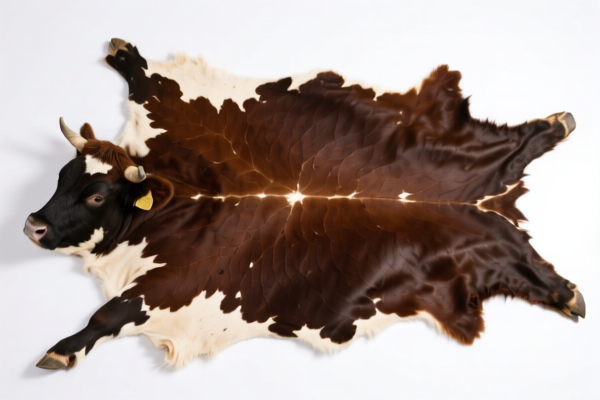
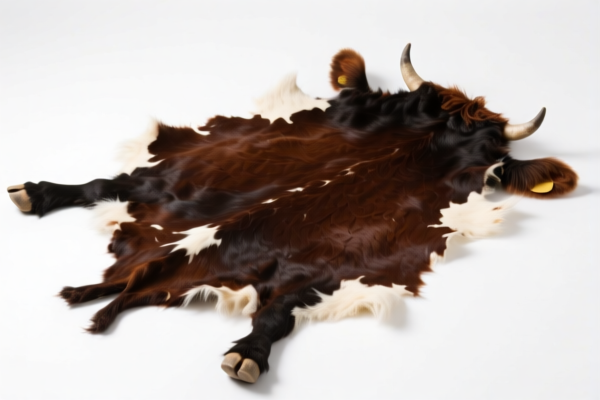

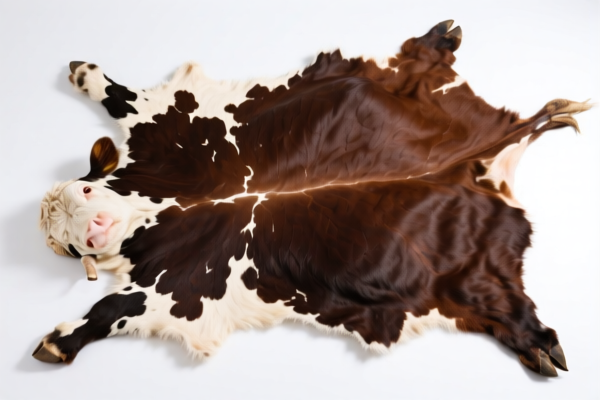
AI Analysis
🐮 Raw Cowhide for Leather Products (Untanned)
🌐 HS Code Reference & Customs Clearance Guide | 2024-2026 Tariff Analysis | Professional Clearance Strategy
📌 I. Product Definition & Classification: What Exactly is "Raw Cowhide"?
Raw cowhide (untanned) refers to the raw skin of cattle that has been salted, fresh, or dried but has not undergone the tanning or further processing that transforms it into leather. In international trade, the classification depends heavily on whether the hide is whole, cut, or processed for specific end-uses (like shoe uppers/soles).
Key Distinction Points: - Unprocessed/Whole Hides: Raw, un-tanned, intended for further tanning → Falls under Chapter 41, Heading 4101 or 4102. - Semi-Processed (Crust/Split): Tanned but not finished, or cut for specific use → May fall under different subheadings depending on finishing. - Specific Use (Shoe Leather): If the hide is already processed/tanned for shoe uppers or soles, it falls under 4107.
⚠️ Critical Note:
- "Untanned" means it has not undergone the tanning process. If it is "tanned" but not "finished," it may still be considered "raw" for certain tariff purposes, but "4107" specifically covers "Leather Further Processed After Tanning or Crusting..." including shoe leather.
- However, your input data explicitly links "Raw Cowhide for Leather Products (Untanned)" to 4101 codes, while "Shoe Leather" is linked to 4107. This implies the classification hinges on whether the product is raw/un-tanned (4101) or processed/tanned for specific use like shoes (4107).
📦 II. HS Code Classification Details (Based on Provided Data)
| HS Code | Product Description | Application | Tax Rate (Total) | Tax Breakdown |
|---|---|---|---|---|
4101.90.10.30 |
Untanned bovine hides, for leather production | Raw, un-tanned cowhide, whole or split, for general leather making | 17.5% | Base: 0%, Additional: 7.5%, Section 301: 10% |
4101.50.10.10 |
Raw cowhide, for leather production, un-prepared for tanning | Un-tanned, whole hides, not yet split or processed | 17.5% | Base: 0%, Additional: 7.5%, Section 301: 10% |
4107.11.10.20 |
Cowhide, shoe leather processed goods | Tanned/processed leather specifically for shoe uppers/soles | 35.0% | Base: 0%, Additional: 25.0%, Section 301: 10% |
4107.11.60.60 |
Cowhide, shoe sole or upper leather | Tanned/processed leather for specific shoe components | 13.3% | Base: 3.3%, Additional: 0%, Section 301: 10% |
🔍 Key Insight:
- 4101 Codes (17.5%): Apply to raw, un-tanned hides. These are the "starting materials" for tanners.
- 4107 Codes (13.3% - 35.0%): Apply to tanned/processed leather, especially for shoes. The tax varies significantly based on the specific type of shoe leather (upper vs. sole) and whether it is considered "further processed."
- ⚠️ Warning: Misclassifying processed shoe leather as raw hide (4101) could lead to underpayment of duties if the actual product is tanned. Conversely, classifying raw hide as 4107 may result in overpayment or rejection.
💰 III. Detailed Tariff Rate Analysis (US Import from China)
✅ Applicable Country: United States (US)
✅ Origin: China (CN)
✅ Effective Date: Ongoing under current trade policies (Section 301, etc.)
🎯 1. 4101.90.10.30 & 4101.50.10.10 —— Untanned Cowhide
| Item | Detail |
|---|---|
| Base Tariff | 0% (ad valorem) |
| Section 301 Tariff | +7.5% (Additional duties on Chinese goods) |
| 122 Clause Tariff | +10% (Specific trade remedy tariffs) |
| Total Tariff | 17.5% |
| Calculation Basis | CIF Value × 17.5% |
| De Minimis Exemption | ❌ Not Eligible (Deny_de_minimis) |
| Legal Path | Section 301: 9903.01.25 → 122 Clause → USITC: 4101.xxxx |
📌 Explanation:
- Base 0%: Raw hides often have low base duties to support the domestic tanning industry.
- Section 301 (7.5%): Standard additional tariff on many Chinese goods.
- 122 Clause (10%): Specific countermeasures against China.
- Total 17.5%: A moderate but significant cost. Must be factored into landed cost calculations.
🎯 2. 4107.11.10.20 —— Shoe Leather (Processed)
| Item | Detail |
|---|---|
| Base Tariff | 0% |
| Additional Tariff | +25% |
| 122 Clause Tariff | +10% |
| Total Tariff | 35.0% |
| Calculation Basis | CIF Value × 35.0% |
| De Minimis Exemption | ❌ Not Eligible |
| Legal Path | Section 301: 9903.01.25 → 122 Clause → USITC: 4107.xxxx |
📌 Explanation:
- High Tariff (35%): Processed leather, especially for shoes, faces higher duties due to domestic manufacturing protections and trade remedies.
- 25% Additional: Higher Section 301 rate for certain processed goods.
- Critical: Ensure the product is truly "shoe leather" and not raw hide. Misclassification can lead to severe penalties.
🎯 3. 4107.11.60.60 —— Shoe Sole/Upper Leather (Specific Type)
| Item | Detail |
|---|---|
| Base Tariff | 3.3% |
| Additional Tariff | 0% |
| 122 Clause Tariff | +10% |
| Total Tariff | 13.3% |
| Calculation Basis | CIF Value × 13.3% |
| De Minimis Exemption | ❌ Not Eligible |
| Legal Path | Section 301: 9903.01.25 → 122 Clause → USITC: 4107.xxxx |
📌 Explanation:
- Lower Total (13.3%): This specific subtype of shoe leather benefits from a lower base tariff (3.3%) and no additional Section 301 tariff beyond the 122 clause.
- Strategic Advantage: If your product qualifies under this code, it offers a significant cost saving compared to other shoe leather classifications.
- Verification Required: Ensure the product meets the specific definition of this subheading (e.g., type of tanning, thickness, intended use).
🛠️ IV. Customs Clearance Practical Advice (Avoiding Pitfalls)
✅ 1. Required Documentation Checklist
| Document | Mandatory | Notes |
|---|---|---|
| ✅ Commercial Invoice | ✔️ | Clearly state "Raw Cowhide (Untanned)" or "Shoe Leather (Processed)" |
| ✅ Packing List | ✔️ | Detail quantity, weight, and dimensions |
| ✅ Bill of Lading/Air Waybill | ✔️ | Standard shipping docs |
| ✅ Certificate of Origin (CO) | ✔️ | If claiming any preferential rates (though none listed here) |
| ✅ Product Description & Specifications | ✔️ | Crucial: Specify if raw/un-tanned vs. tanned/processed. Include weight, size, and preparation method (salted, fresh, etc.) |
| ✅ Photos of Goods | ✔️ | Show the actual state of the hides (e.g., raw, salted, tanned) |
| ✅ Test Report (if applicable) | ✔️ | If claiming "shoe leather" status, provide evidence of tanning/processing |
✅ 2. Classification Strategy & Tips
🔥 "Raw is 4101, Shoe is 4107; Check the Tanning, Check the Use!"
| Scenario | Correct HS Code | Risk if Misclassified |
|---|---|---|
| Raw, un-tanned cowhide | 4101.90.10.30 or 4101.50.10.10 |
Risk of 17.5% duty |
| Tanned leather for shoes (general) | 4107.11.10.20 |
Risk of 35% duty |
| Tanned leather for shoes (specific type) | 4107.11.60.60 |
Risk of 13.3% duty |
| Mix of raw and processed | Split Declaration | Risk of penalties & delays if mixed incorrectly |
📌 Key Tip:
- Do Not Combine: Raw hides and processed shoe leather should be declared separately. Mixing them can lead to confusion and audits.
- Be Precise in Description: Use terms like "Untanned Bovine Hides" for 4101 and "Tanned Cowhide for Shoe Uppers" for 4107. Avoid vague terms like "Leather" without qualification.
✅ 3. Special Cases
| Case | Recommendation |
|---|---|
| OEM/Custom Order | Provide end-use declaration. If intended for shoes, ensure it meets the criteria for 4107. |
| Mixed Shipment | Separate raw hides and processed leather into different shipments or clearly itemize them in one declaration with distinct HS codes. |
| Dispute on Tanning Status | If the tanning process is ambiguous, provide chemical analysis or supplier certificates proving the stage of processing. |
| Transshipment | Ensure origin documentation is clear. Re-exporting does not change the origin-based tariffs (Section 301). |
🌍 V. Global Market Comparison (2024-2026)
| Country/Region | Recommended HS Code | Tariff (China Origin) | Notes |
|---|---|---|---|
| 🇺🇸 USA | 4101.90.10.30 / 4101.50.10.10 |
17.5% | High Section 301 + 122 Clause. |
| 🇺🇸 USA | 4107.11.10.20 |
35.0% | Highest duty for processed shoe leather. |
| 🇺🇸 USA | 4107.11.60.60 |
13.3% | Lower duty for specific shoe leather types. |
| 🇪🇺 EU | 4101 | Varies (usually 0-5%) | No Section 301 equivalent. Check EU tariff schedule. |
| 🇨🇳 China | 4101 | Varies (Import Duty) | China imposes import duties on raw hides. Check MOFCOM rates. |
📌 Conclusion:
- US Market is Highly Tariffed: Due to Section 301 and 122 Clause, US imports face significantly higher duties than other regions.
- Optimize Classification: If possible, ensure products qualify for4107.11.60.60(13.3%) instead of4107.11.10.20(35.0%) if they are indeed specific shoe leather types.
- Raw vs. Processed: Clearly distinguish between raw (4101) and processed (4107) to avoid overpaying or underpaying duties.
📌 VI. Common Mistakes & Pitfalls (Lessons Learned)
❌ Mistake 1: Classifying tanned shoe leather as raw hide (4101).
👉 Consequence: Underpayment of duties (35% vs 17.5%), leading to back taxes, fines, and audits.
❌ Mistake 2: Classifying raw hide as processed leather (4107).
👉 Consequence: Overpayment of duties (if misclassified as high-tariff 4107), lost profit margin.
❌ Mistake 3: Vague product description ("Leather").
👉 Consequence: Customs may question the classification, leading to delays and potential reclassification.
✅ Best Practice:
"Raw Untanned Bovine Hides, Salted, Whole, 10-15 sq ft, for Tanning Purpose"
vs.
"Tanned Cowhide Leather, Split, for Shoe Uppers, 0.8mm Thickness"
🎯 VII. Conclusion: Smart Classification Saves Money!
🎯 Key Takeaway:
🔹 "Raw Hides = 4101 (17.5%); Shoe Leather = 4107 (13.3%-35%)"
🔹 "Check the Tanning Stage! Raw is cheaper than Processed!"
🔹 "Precision in Description Prevents Customs Headaches!"
📌 Pro Tip:
If your product is raw and un-tanned, stick to 4101.
If it is tanned and for shoes, verify if it qualifies for the lower 13.3% rate (4107.11.60.60) or falls into the higher 35% bracket (4107.11.10.20).
📣 Immediate Action:
📞 Consult a Customs Broker: Get a binding ruling from US Customs if unsure about the classification.
📄 Document Everything: Keep all supplier invoices, processing certificates, and photos.
🚀 Optimize Landed Cost: Factor in the 17.5% - 35% duty when pricing your products for the US market.
✨ Professional Clearance Starts with Accurate Classification!
💼 Every Percentage Point of Duty Counts! Get It Right!
Customer Reviews
About HS Code Classification
The Harmonized System (HS) is an internationally standardized nomenclature developed by the World Customs Organization (WCO) to classify traded products. Over 200 countries use the HS system as the basis for customs tariffs, trade statistics, and import/export regulations.
Each HS code follows a hierarchical structure:
- Chapter (2 digits) — Broad category of goods (e.g., Chapter 84: Machinery and Mechanical Appliances)
- Heading (4 digits) — More specific grouping within the chapter
- Subheading (6 digits) — Internationally standardized breakdown, used by all WCO member countries
- National subdivisions (8-10 digits) — Country-specific extensions for further classification, such as US HTSUS 10-digit codes
Correct HS code classification is essential for smooth customs clearance, accurate duty payment, and compliance with trade regulations. Misclassification can lead to customs delays, overpayment of duties, or penalties.
When importing from CN to US, the applicable tariff rates may include:
- Most-Favored-Nation (MFN) rate — The standard duty rate applied to WTO members
- General rate — Applied to countries without trade agreements
- Trade remedy duties — Additional tariffs such as Section 301 (anti-dumping), Section 232 (national security), or countervailing duties
The information provided on this page is for reference purposes only. For official classification, please consult with your local customs authority or a licensed customs broker.